How to Grow Yarrow: Complete Guide
Yarrow (genus Achillea) is a wonderfully resilient and versatile perennial that brings beauty, biodiversity, and low-maintenance charm to any garden. To grow yarrow successfully, choose a site with full sun (at least 6 hours daily) and well-draining soil. It thrives on neglect, preferring lean to average soil and tolerating drought once established. Plant in spring or fall, water regularly until established, and then enjoy its long-lasting blooms and beneficial insect appeal with minimal fuss.
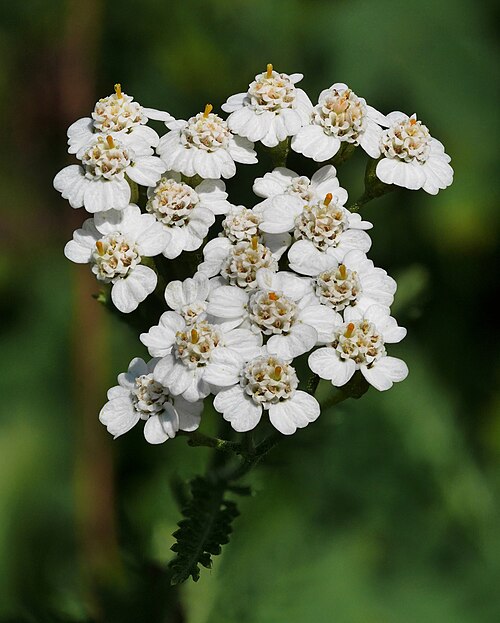
Yarrow is a true garden workhorse, offering a long season of bloom, attractive fern-like foliage, and a robust nature that makes it a favorite among gardeners seeking both beauty and practicality. From its traditional white varieties to modern cultivars sporting shades of yellow, pink, and red, yarrow's flat-topped flower clusters are a magnet for pollinators and an excellent choice for cutting gardens, borders, and naturalized areas.
🌱 Get Personalized Plant Picks
Answer a few quick questions and we’ll match plants to your exact yard conditions.
Find My Plants →What is Yarrow and Why Should You Grow It?
Yarrow, primarily Achillea millefolium and its many cultivars, is a herbaceous perennial belonging to the Asteraceae family. Native to temperate regions of the Northern Hemisphere, including North America, it's renowned for its feathery, aromatic foliage and dense, flat-topped clusters of small flowers. The common name "yarrow" comes from the Old English gearwe, and its genus name Achillea is said to be derived from the mythical Greek hero Achilles, who reportedly used the plant to stop bleeding in his soldiers.
Why grow yarrow?
- Pollinator Powerhouse: Its flat flower heads are perfect landing pads for a wide array of beneficial insects, including bees, butterflies, hoverflies, and predatory wasps, making it an excellent choice for supporting local ecosystems.
- Drought Tolerance: Once established, yarrow is incredibly drought-tolerant, requiring little to no supplemental watering, which is ideal for xeriscaping and water-wise gardens.
- Deer and Rabbit Resistant: While no plant is truly deer-proof, yarrow is generally bypassed by deer and rabbits due to its aromatic foliage.
- Low Maintenance: It thrives on neglect, rarely needing fertilizer and tolerating a wide range of soil conditions.
- Long Blooming Season: Yarrow typically blooms from late spring through summer, often extending into fall with deadheading.
- Versatile: Excellent for borders, rock gardens, cottage gardens, meadows, and as a cut flower (fresh or dried).
Where and When Should You Plant Yarrow?
Choosing the right location and planting time are crucial for yarrow's success.
Site Selection
Yarrow is a sun-lover. It needs full sun, meaning at least 6 hours of direct sunlight per day. In shadier conditions, it can become leggy, produce fewer blooms, and be more susceptible to powdery mildew.
Soil: The most critical soil requirement for yarrow is excellent drainage. It tolerates a wide range of soil types, from sandy to clay, as long as water doesn't sit around its roots. In fact, yarrow often thrives in lean to average soils and can become leggy and floppy in overly rich or heavily amended soils. Avoid heavy, waterlogged clay. If your soil is heavy clay, amend it with organic matter like compost or grit to improve drainage, or consider planting yarrow in raised beds.
Planting Time
The best times to plant yarrow are in the spring after the last frost or in the early fall, giving the plant enough time to establish its root system before extreme temperatures hit.
Planting Steps
- Prepare the Hole: Dig a hole twice as wide as the root ball and just as deep.
- Remove from Container: Gently remove the yarrow from its nursery pot. If the roots are circling, tease them apart.
- Position the Plant: Place the plant in the hole so the top of the root ball is level with the surrounding soil.
- Backfill: Fill the hole with soil, gently firming it around the base of the plant to remove air pockets.
- Water Thoroughly: Water deeply immediately after planting to settle the soil.
How Do I Care for Yarrow for the Best Blooms?
Yarrow is known for its low-maintenance nature, but a little care can go a long way in ensuring a spectacular display of blooms.
Watering
- Establishment: Water regularly during its first growing season, about 1-2 times per week, to help it establish a strong root system.
- Established Plants: Once established, yarrow is highly drought-tolerant. You'll rarely need to water it unless you experience prolonged periods of extreme heat and no rain. Overwatering is a common cause of issues like root rot.
Fertilizing
Yarrow generally does not require fertilizer. In fact, fertilizing can lead to excessive foliage growth at the expense of flowers, and can make plants leggy and prone to flopping. If your soil is extremely poor, a light application of balanced, slow-release fertilizer in spring might be beneficial, but it's often unnecessary.
Pruning and Deadheading
- Deadheading: To encourage continuous blooming and maintain a tidy appearance, deadhead spent flower clusters throughout the growing season. Simply snip off the faded blooms just above a set of leaves or a new bud.
- Mid-Season Cutback: If your yarrow starts to look leggy or floppy in mid-summer, you can cut it back by about one-third. This will encourage a flush of new growth and often a second, albeit smaller, bloom cycle.
- Fall Cutback: After the first hard frost, you can cut yarrow stems back to about 2-4 inches above the ground. Alternatively, leave the dried stalks for winter interest and to provide habitat for beneficial insects, cutting them back in early spring.
Division
Yarrow can become overcrowded over time, leading to reduced flowering and vigor. Divide clumps every 3-5 years in early spring or fall. Dig up the entire clump, separate it into smaller sections with a sharp spade or knife, ensuring each section has healthy roots and shoots, and replant them.
Is Yarrow Safe for Pets?
When considering plants for your garden, especially if you have curious pets, safety is a top concern. Yarrow (Achillea millefolium) is not listed as toxic to dogs, cats, or horses by the ASPCA. This means it's generally considered a safer choice for gardens where pets might roam. However, "not listed as toxic" does not mean "safe for consumption." Any plant consumed in large quantities can potentially cause mild digestive upset.
If you suspect your pet has ingested a toxic plant, call the ASPCA Animal Poison Control Center immediately at (888) 426-4435.
Companion Plants for Yarrow
Yarrow's upright, airy habit and long bloom time make it an excellent companion for many other sun-loving, drought-tolerant perennials. Its flat flower heads contrast beautifully with spiky or daisy-like blooms.
Here are some great companions:
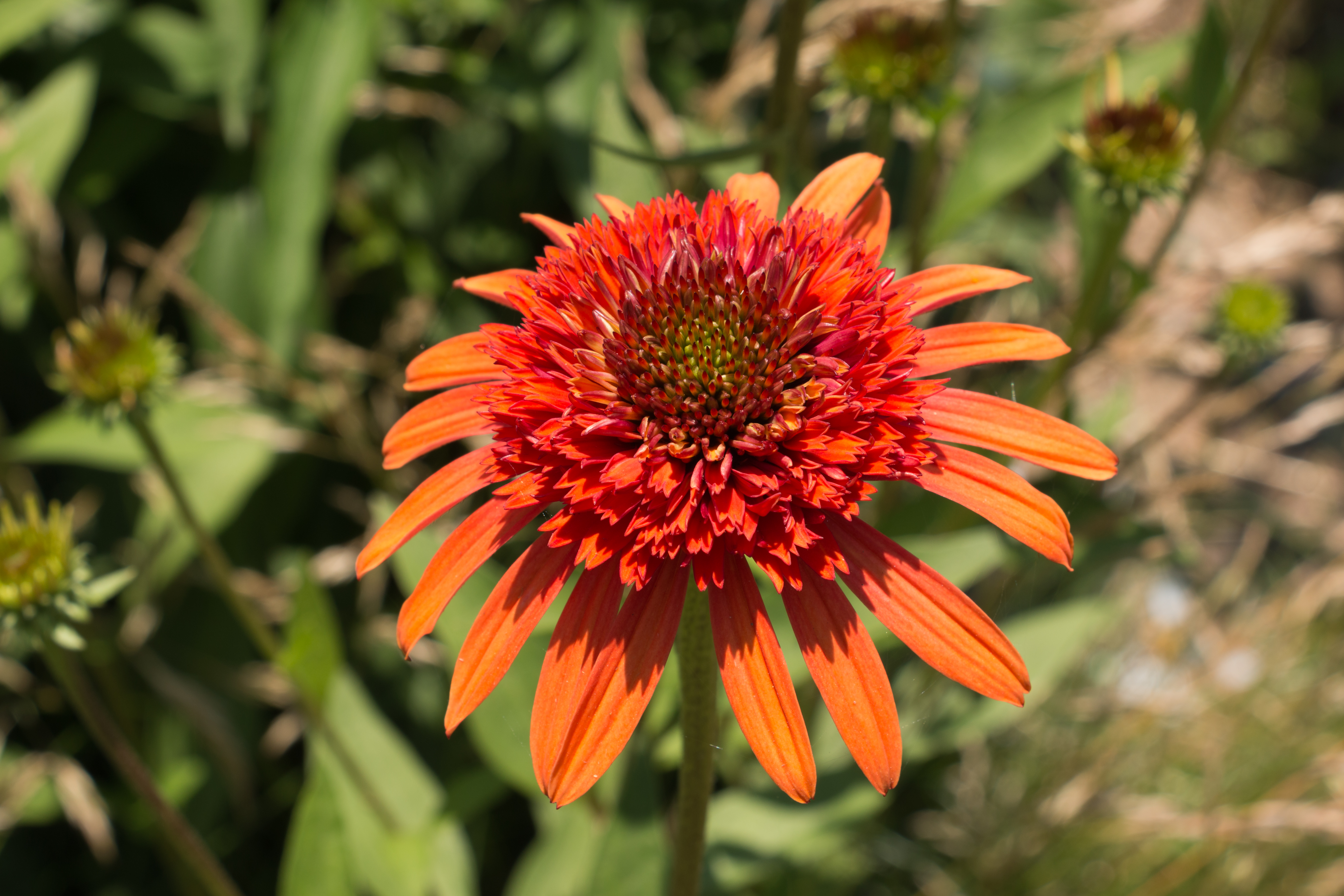
- Coneflower (Coneflower): Their sturdy, daisy-like flowers pair wonderfully with yarrow's flat tops.
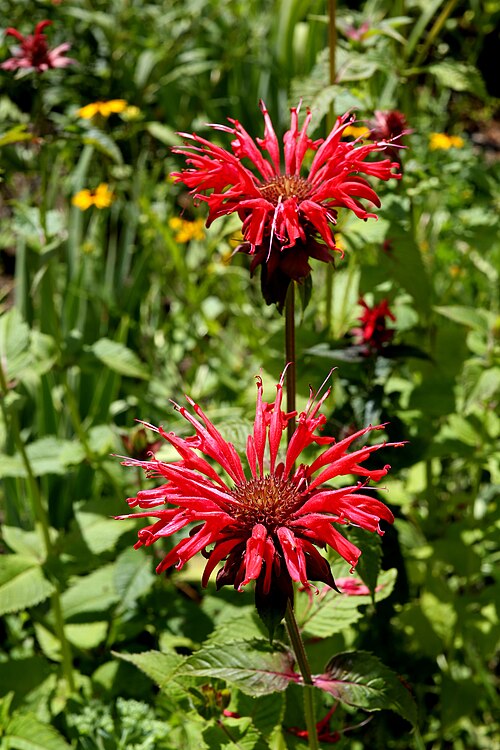
- Bee Balm (Bee Balm): Adds a splash of vibrant color and attracts even more pollinators.
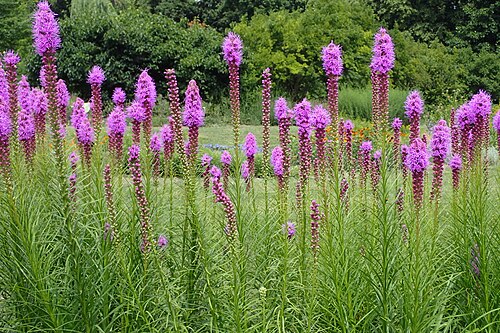
- Blazing Star (Blazing Star): Its vertical flower spikes create a striking contrast.
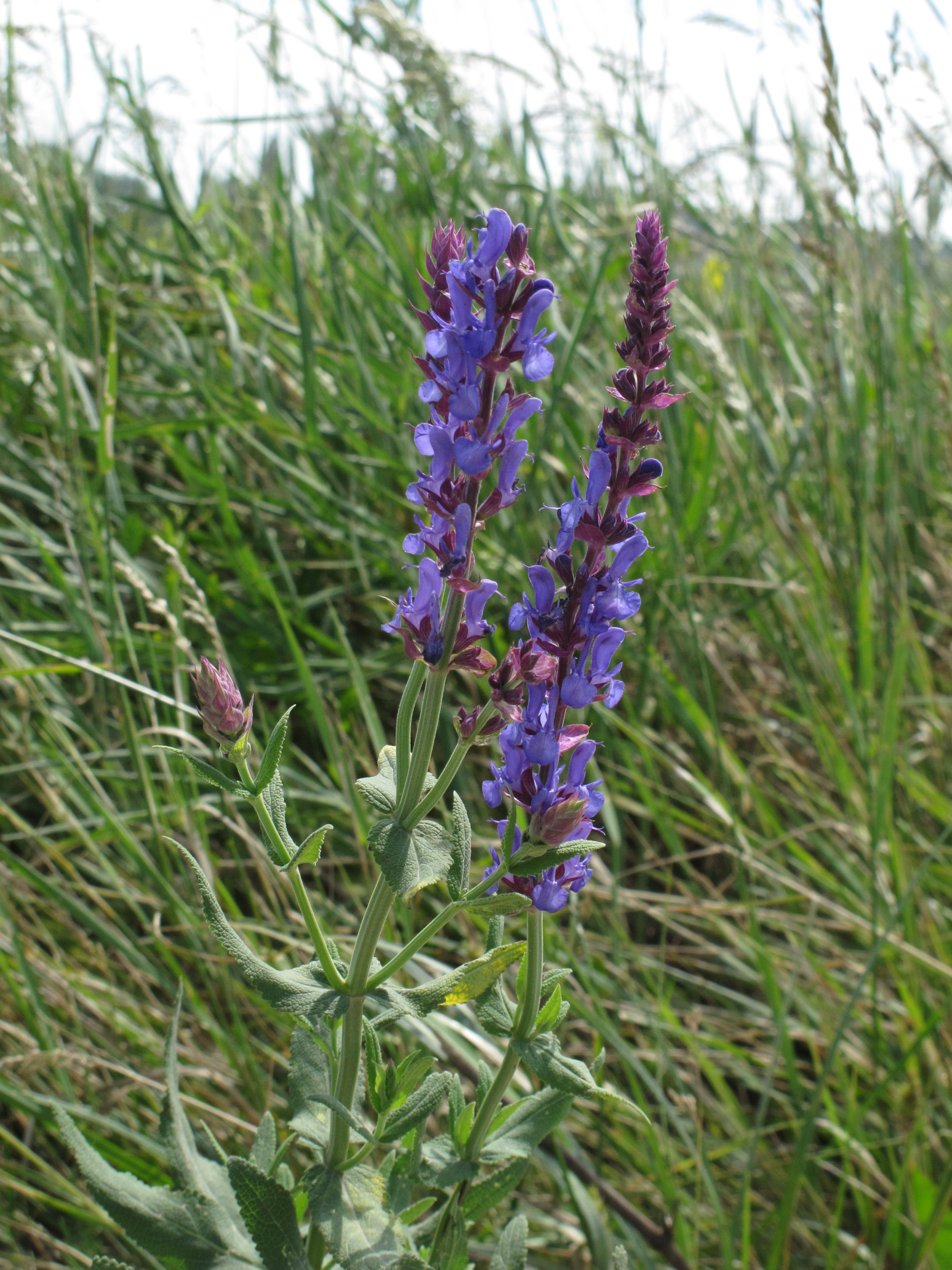
- Salvia (Salvia): Offers spiky blooms in various colors and similar growing requirements.
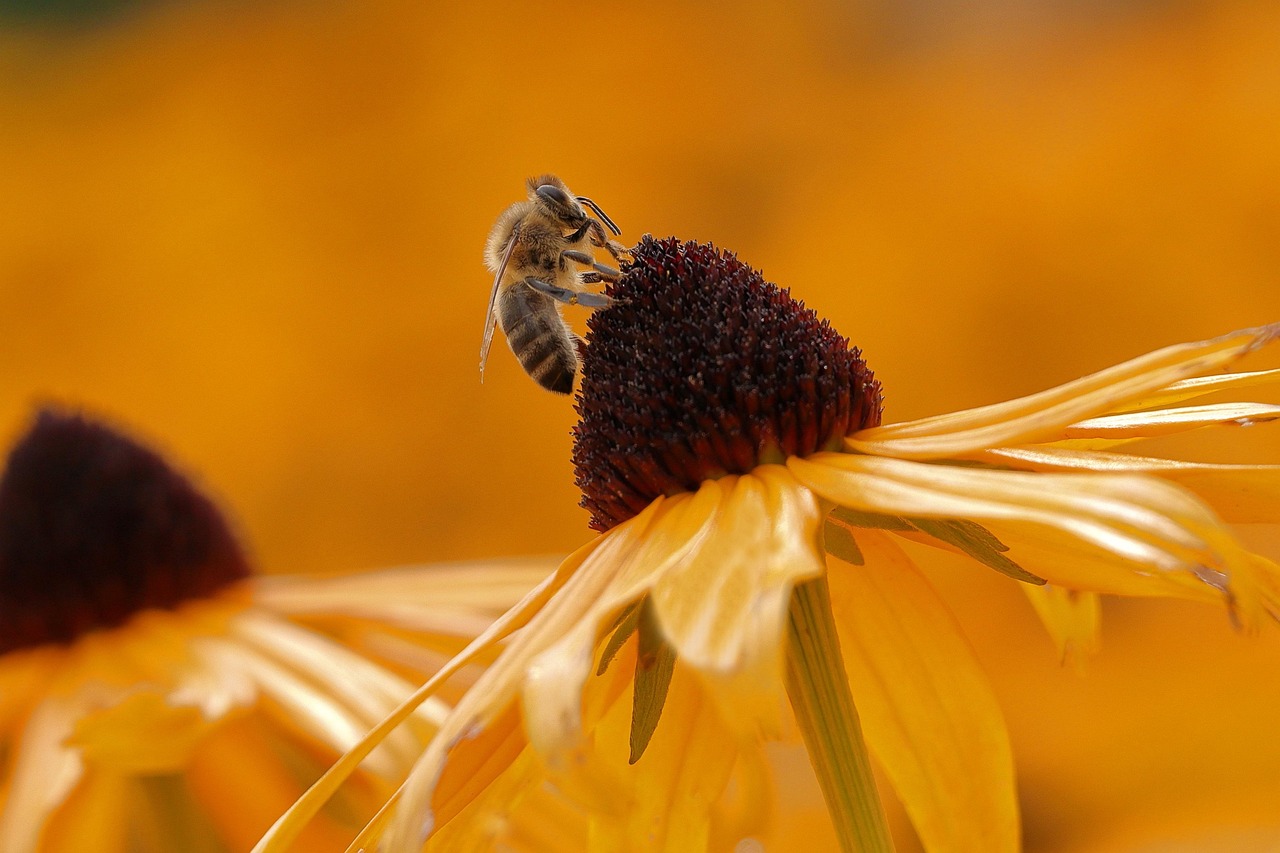
- Black-Eyed Susan (Black-eyed Susan): Classic yellow blooms that complement yarrow's texture.
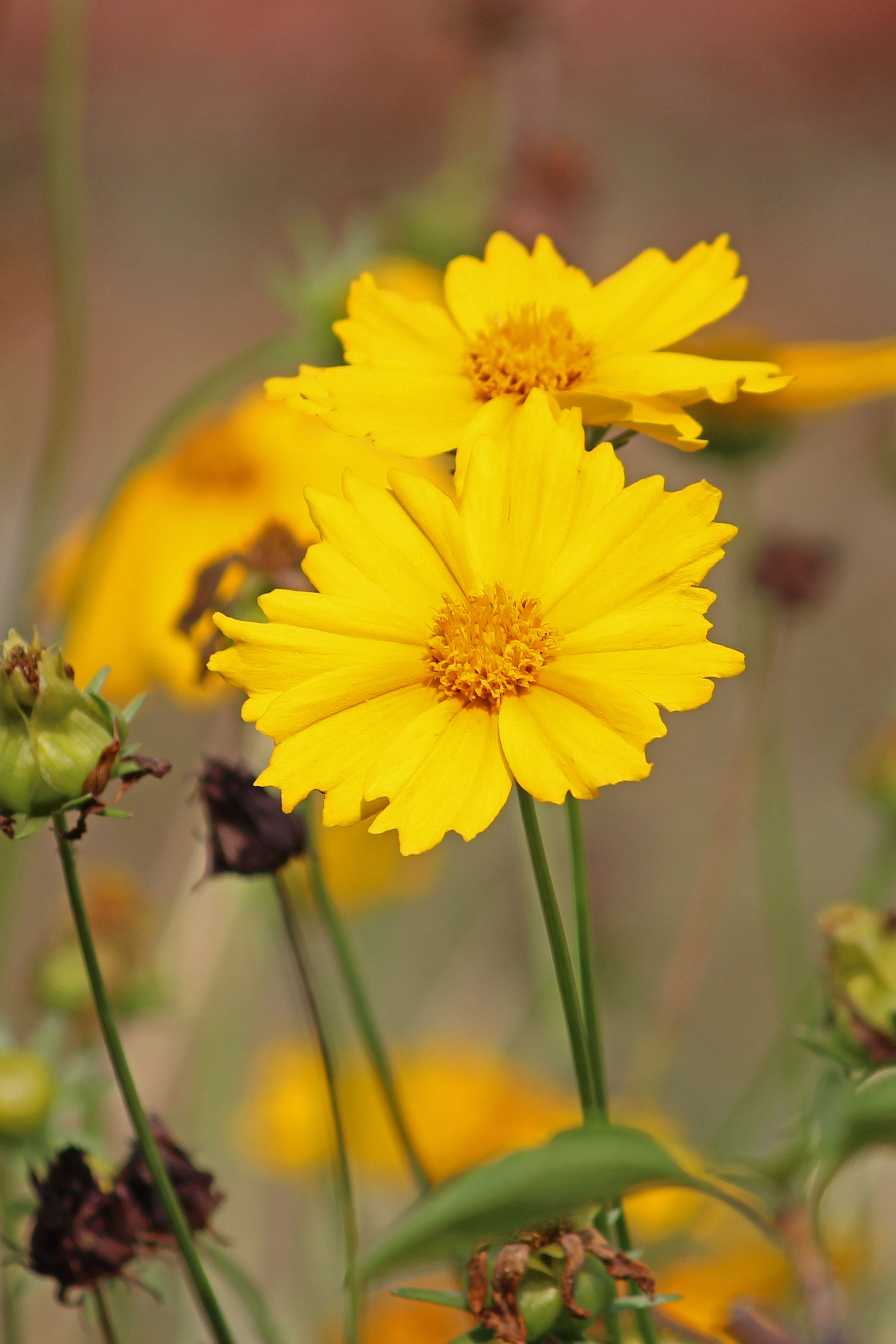
- Coreopsis (Coreopsis): Another tough, sun-loving perennial with cheerful, daisy-like flowers.
Quick Reference: Yarrow Growing Guide
| Feature | Requirement
|
| Yarrow (Achillea) | |
| Family | Asteraceae (Sunflower family)