Hydrangea care guide: bigleaf vs smooth hydrangea
Hydrangeas are beloved garden shrubs, known for their abundant, showy blooms that can transform any landscape. While many gardeners adore their beauty, understanding the differences between common types like bigleaf ( Hydrangea macrophylla) and smooth (Hydrangea arborescens) hydrangeas is key to successful care. The main distinctions lie in their bloom habits, pruning needs, and cold hardiness, which dictate how you approach their cultivation. Bigleaf hydrangeas typically bloom on old wood and are known for their ability to change color based on soil pH, while smooth hydrangeas bloom reliably on new wood and are often more cold-hardy and forgiving with pruning.
Choosing the right hydrangea for your garden depends on your climate, desired bloom time, and how much pruning you're willing to do. Let's dive into the specifics of each to help you make an informed decision and ensure your hydrangeas flourish.
🌱 Get Personalized Plant Picks
Answer a few quick questions and we’ll match plants to your exact yard conditions.
Find My Plants →Bigleaf Hydrangea (Hydrangea macrophylla)
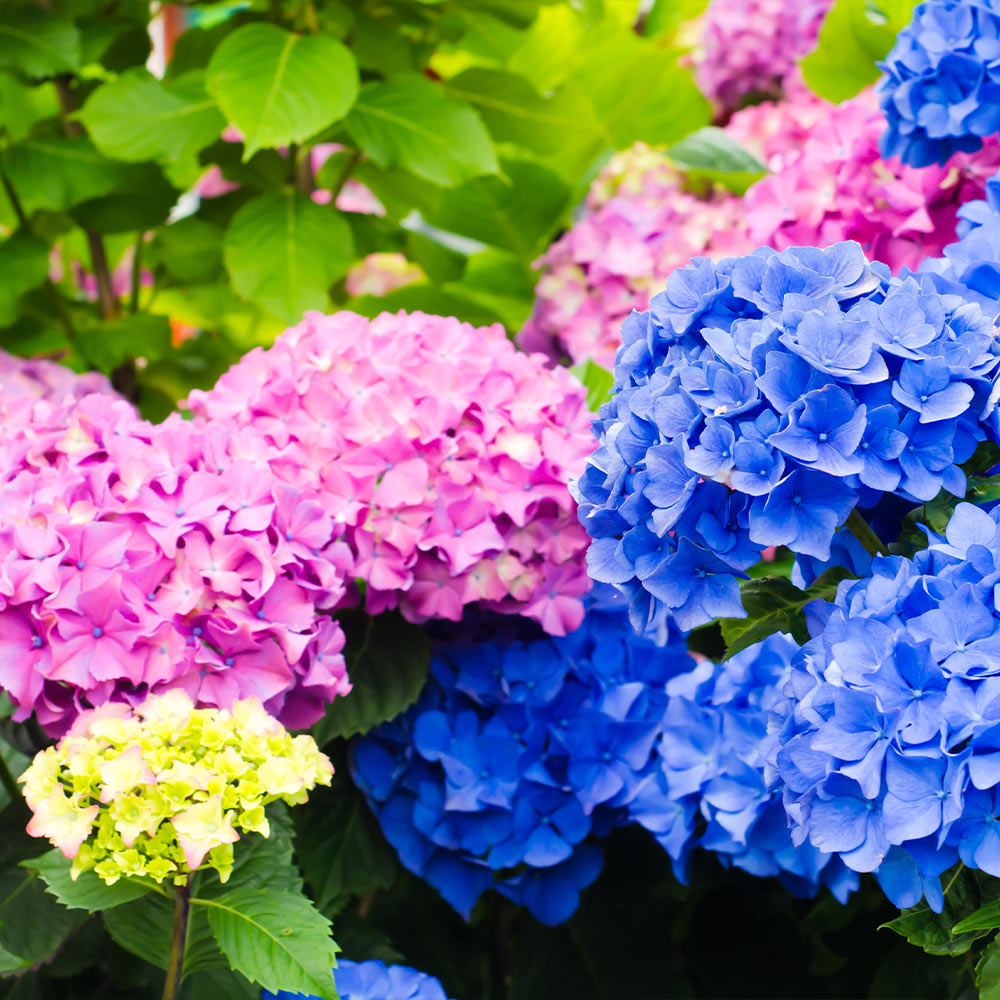
Bigleaf hydrangeas are arguably the most iconic type, famous for their large, rounded mophead or flattened lacecap flowers. They are native to Japan and are a staple in many garden designs.
Key Characteristics:
- Bloom Type: Mophead (large, globe-shaped flowers) or Lacecap (flattened clusters with small fertile flowers in the center surrounded by larger sterile ones).
- Flower Color: Can be blue, pink, purple, or white. The color of pink and blue varieties is influenced by soil pH: acidic soil (pH 5.5 and below) leads to blue flowers, while alkaline soil (pH 6.5 and above) results in pink flowers. White varieties are not affected by pH.
- Bloom Time: Typically late spring to mid-summer.
- Hardiness Zones: USDA Zones 5-9. Some newer cultivars are bred for improved cold hardiness.
- Size: Can range from 3-6 feet tall and wide, depending on the cultivar.
- Sunlight: Prefers partial shade, especially protection from intense afternoon sun. Morning sun with afternoon shade is ideal.
- Moisture: Requires consistent moisture; avoid letting the soil dry out completely.
How Do I Prune Bigleaf Hydrangeas for Best Blooms?
Pruning bigleaf hydrangeas requires a careful touch because most traditional varieties bloom on "old wood" - the stems that grew the previous season. If you prune these stems at the wrong time, you risk cutting off the flower buds for the upcoming season.
For old-wood blooming bigleaf hydrangeas:
- After flowering: The best time to prune is immediately after the flowers fade in summer. This gives the plant time to develop new growth that will produce buds for the following year.
- Remove spent blooms: Deadhead faded flowers to encourage the plant to put energy into root and bud development rather than seed production.
- Remove dead or weak stems: Throughout the season, remove any dead, damaged, or weak stems at the base.
- Thin out crowded stems: If your plant is very dense, remove a few of the oldest, thickest stems at the base (no more than 1/3 of the plant) to improve air circulation and encourage new growth.
Reblooming Varieties: Many newer bigleaf hydrangeas, like those in the Endless Summer series, are "reblooming" or "everblooming," meaning they produce flowers on both old and new wood. These are more forgiving with pruning. You can prune them in late winter or early spring, as they will still produce blooms on new growth. However, for maximum blooms, it's still best to prune immediately after the first flush of flowers fades.
Smooth Hydrangea (Hydrangea arborescens)
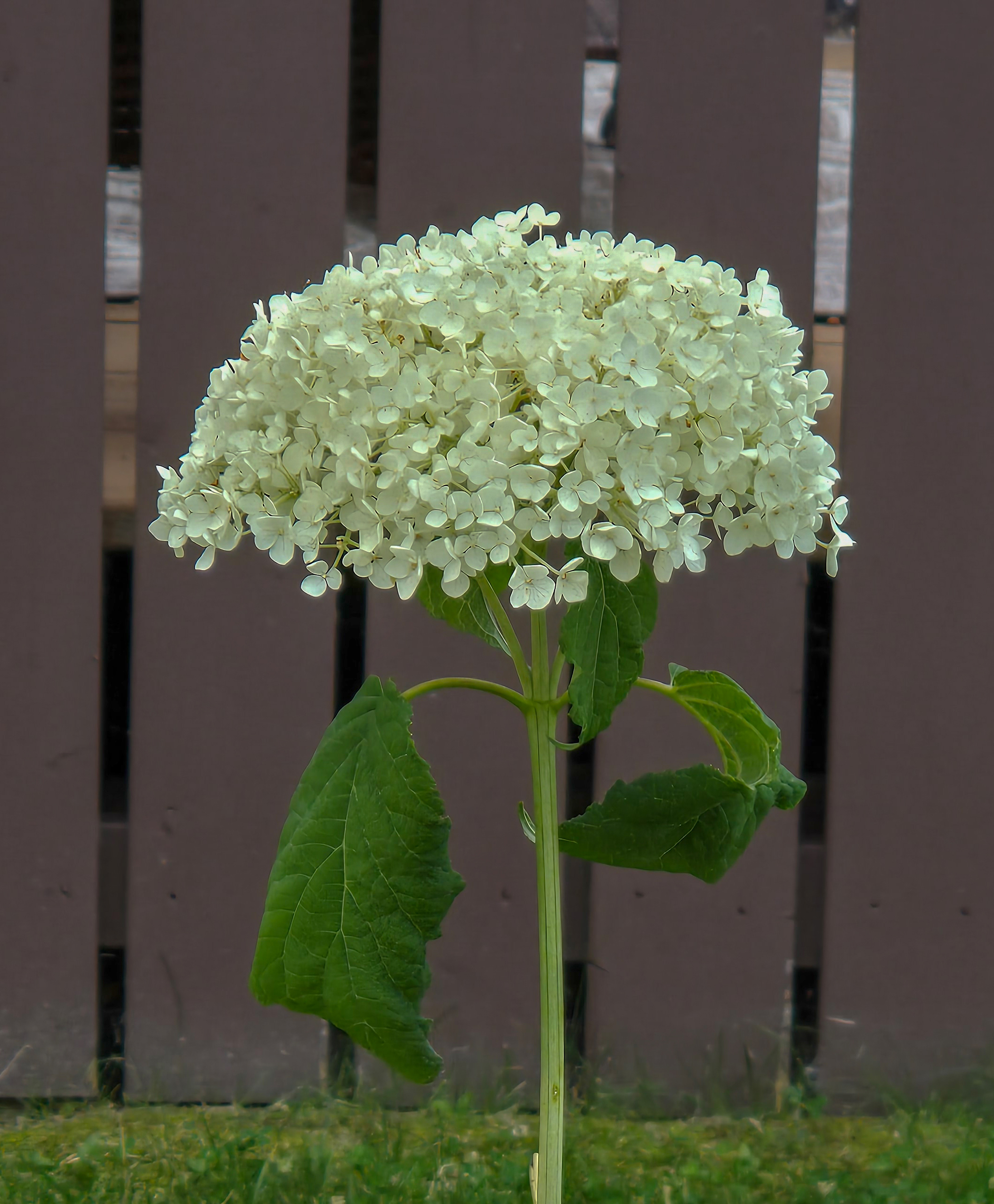
Smooth hydrangeas, with their classic cultivar 'Annabelle' being the most famous, offer a different charm. Native to the eastern United States, they are known for their robust nature and reliable blooms.
Key Characteristics:
- Bloom Type: Large, rounded clusters of white or sometimes pink flowers. 'Annabelle' is famous for its massive white blooms.
- Flower Color: Typically white, though newer varieties like 'Invincibelle Spirit' offer shades of pink. Flower color is not affected by soil pH.
- Bloom Time: Early summer to fall, often starting later than bigleaf hydrangeas but continuing longer.
- Hardiness Zones: USDA Zones 3-9, making them much more cold-hardy than most bigleaf varieties.
- Size: Can reach 3-5 feet tall and wide.
- Sunlight: More tolerant of full sun than bigleaf hydrangeas, especially in cooler climates, but still appreciates some afternoon shade in hot regions.
- Moisture: Prefers consistently moist, well-drained soil.
Is Smooth Hydrangea a Good Choice for Cold Climates?
Yes, smooth hydrangeas are an excellent choice for cold climates! Their superior cold hardiness is one of their most significant advantages over bigleaf hydrangeas. Smooth hydrangeas bloom on "new wood," meaning they produce their flower buds on the growth that emerges in the current growing season. This characteristic makes them incredibly reliable bloomers, even after harsh winters that might kill back the previous season's growth (old wood).
Even if the plant dies back to the ground in a very cold winter, it will regrow from the roots in spring and still produce flowers that same year. This reliability makes them a go-to for gardeners in USDA Zones 3 and 4, where other hydrangea types might struggle to bloom consistently.
Quick Reference: Bigleaf vs. Smooth Hydrangea
| Feature | Bigleaf Hydrangea (H. macrophylla) | Smooth Hydrangea (H. arborescens) |
|---|---|---|
| Bloom Type | Mophead or Lacecap | Large, rounded clusters |
| Bloom Color | Blue, Pink, Purple (pH-dependent); White | White, Pink (not pH-dependent) |
| Bloom Time | Late Spring - Mid-Summer | Early Summer - Fall |
| Blooms On | Old Wood (most traditional); Old & New Wood (reblooming varieties) | New Wood |
| Hardiness | USDA Zones 5-9 | USDA Zones 3-9 (very cold hardy) |
| Sunlight | Partial Shade (morning sun, afternoon shade ideal) | Full Sun to Partial Shade (more sun tolerant) |
| Pruning | After flowering (old wood); Late winter/early spring (new wood) | Late winter/early spring (can be cut to the ground) |
| Soil pH Effect | Yes (blue in acidic, pink in alkaline) | No |
| Pet Safety | Not listed as toxic to pets | Not listed as toxic to pets |
Pet Safety Note: While both bigleaf and smooth hydrangeas are generally considered to have low toxicity, it's always best to prevent pets from ingesting any plant material. If you suspect your pet has ingested a toxic plant, call the ASPCA Animal Poison Control Center immediately at (888) 426-4435.
General Hydrangea Care Tips
Regardless of whether you choose a bigleaf or smooth hydrangea, some general care practices will help both thrive:
- Soil: Both types prefer rich, well-drained soil. Amend heavy clay soils with compost to improve drainage, and sandy soils to improve water retention.
- Watering: Hydrangeas are "hydro-angeas" for a reason - they love water! Keep the soil consistently moist, especially during dry spells and the first year after planting. Aim for about 1 inch of water per week, either from rain or irrigation.
- Fertilizing: A balanced, slow-release granular fertilizer applied in early spring is usually sufficient. Avoid over-fertilizing, which can lead to lush foliage but fewer flowers. For bigleaf hydrangeas where you want to influence color, specific fertilizers are available to acidify (for blue) or alkalinize (for pink) the soil.
- Mulching: Apply a 2-3 inch layer of organic mulch around the base of your hydrangeas. This helps retain soil moisture, regulate soil temperature, and suppress weeds. Keep the mulch a few inches away from the stem.
- Pest and Disease: Hydrangeas are generally robust, but can occasionally suffer from issues like powdery mildew (especially in humid, shady conditions with poor air circulation), aphids, or spider mites. Good air circulation, proper watering, and prompt treatment if issues arise will keep them healthy.
Which Hydrangea is Right for Your Garden?
- Choose Bigleaf Hydrangea if: You live in a milder climate (Zone 5-9), enjoy the challenge of changing flower colors, or appreciate the traditional mophead and lacecap forms. If you're willing to be mindful of pruning times, especially with old-wood bloomers, these are a stunning choice. Reblooming varieties offer more flexibility.
- Choose Smooth Hydrangea if: You live in a colder climate (Zone 3-4), want a truly reliable bloomer that isn't fussy about pruning, or prefer a more natural, robust look. Their ability to bloom on new wood makes them a virtually foolproof option for consistent summer flowers.
Both bigleaf and smooth hydrangeas bring incredible beauty to the garden. By understanding their unique needs, you can select the perfect variety to thrive in your landscape and enjoy their magnificent blooms for years to come.
Ready to find the perfect plants for your yard? Try the PlantWise Plant Finder →