How to Grow Bee Balm (Monarda): Complete Guide
Growing Bee Balm (Monarda) is a rewarding experience, bringing vibrant color and a buzzing ecosystem to your garden. To successfully grow Bee Balm, choose a site with full sun to partial shade and well-draining, consistently moist soil. Plant in spring or fall, providing good air circulation to prevent powdery mildew. Water regularly, especially during dry spells, and deadhead spent blooms to encourage more flowers. With its unique, spiky flowers and aromatic foliage, Bee Balm is a North American native perennial that thrives with minimal fuss once established, making it a favorite for gardeners looking to support local wildlife.
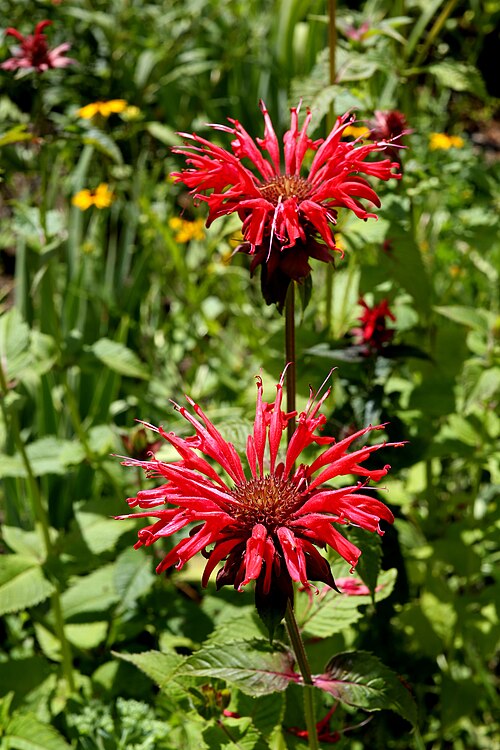
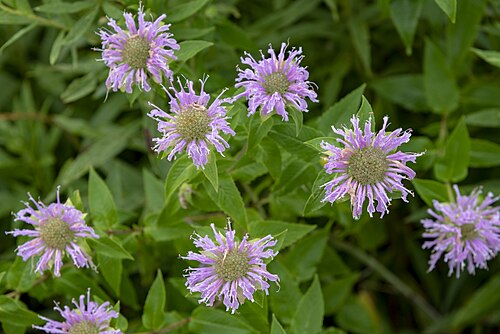
Bee Balm, also known as Wild Bergamot or Oswego Tea, is a member of the mint family (Lamiaceae) and is cherished for its distinctive, often shaggy, tubular flowers that bloom in shades of red, pink, purple, and white. Its aromatic leaves have a pleasant, minty-oregano scent and can even be used to make a flavorful tea. Beyond its beauty, Monarda is a powerhouse for pollinators, attracting hummingbirds, butterflies, and, of course, a wide variety of bees. It's a fantastic choice for pollinator gardens, native plant landscapes, and cottage garden styles.
🌱 Get Personalized Plant Picks
Answer a few quick questions and we’ll match plants to your exact yard conditions.
Find My Plants →Quick Reference: Bee Balm (Monarda)
| Feature | Detail |
|---|---|
| Botanical Name | Monarda didyma (Scarlet Bee Balm), Monarda fistulosa (Wild Bergamot), and various hybrids |
| Common Names | Bee Balm, Wild Bergamot, Oswego Tea, Horsemint |
| Plant Type | Perennial |
| Hardiness Zones | USDA Zones 3-9 (varies by species/cultivar) |
| Sunlight | Full sun (at least 6 hours direct sun) to partial shade (4-6 hours direct sun, especially afternoon shade in hot climates) |
| Soil | Organically rich, moist, well-draining soil. Tolerates clay but prefers loamy. pH 6.0-7.0 (slightly acidic to neutral). |
| Watering | Regular, consistent moisture. Do not let soil dry out completely. More frequent watering in hot, dry periods or full sun. |
| Mature Size | 2-4 feet tall, 2-3 feet wide (can spread more) |
| Bloom Time | Mid-summer to early fall (July-September) |
| Flower Colors | Red, pink, purple, white |
| Foliage | Aromatic, dark green, lance-shaped, often with a hint of purple. |
| Pests/Diseases | Powdery mildew (common), rust, spider mites. Generally pest-resistant. |
| Maintenance | Low to moderate. Deadhead for rebloom, divide every 2-3 years to control spread and maintain vigor. |
| Wildlife Appeal | Attracts bees, butterflies, hummingbirds. |
| Deer Resistance | Generally deer-resistant (due to aromatic foliage), but no plant is truly deer-proof. |
| Pet Safety | Not listed as toxic to dogs or cats by the ASPCA. |
Where Should I Plant Bee Balm for Optimal Growth?
Choosing the right location is paramount for a thriving Bee Balm plant. Ideally, Bee Balm prefers a site that receives full sun, meaning at least 6 hours of direct sunlight per day. In hotter climates (USDA Zones 7-9), a location that gets some afternoon shade can be beneficial, protecting the plant from the most intense heat and helping to prevent scorching. While it can tolerate partial shade, too much shade will result in fewer flowers, weaker stems, and increased susceptibility to powdery mildew.
Soil conditions are equally important. Bee Balm thrives in organically rich, consistently moist, and well-draining soil. It's not particular about soil type and can grow in clay, loam, or sandy soils, as long as they are amended with compost to improve drainage and fertility. The ideal soil pH is slightly acidic to neutral, between 6.0 and 7.0. Avoid planting in overly dry or waterlogged conditions; Bee Balm prefers a happy medium. Good air circulation is also critical to prevent fungal diseases like powdery mildew, so avoid planting it in overly crowded areas.
How Do I Care for Bee Balm Throughout the Growing Season?
Caring for Bee Balm is relatively straightforward, but a few key practices will ensure a robust and floriferous display.
Watering: Consistent moisture is vital for Bee Balm, especially during dry spells and in its first year of establishment. Aim to keep the soil evenly moist but not waterlogged. Water deeply once or twice a week, checking the soil moisture before watering again. Mulching around the base of the plant can help retain soil moisture, suppress weeds, and regulate soil temperature.
Fertilizing: If your soil is rich in organic matter, Bee Balm generally doesn't require much supplemental fertilizer. An annual application of compost around the base of the plant in spring is usually sufficient to provide necessary nutrients. If your soil is poor, a balanced, slow-release granular fertilizer applied in early spring can be beneficial. Avoid over-fertilizing, as this can lead to lush foliage but fewer flowers and can make the plant more susceptible to powdery mildew.
Pruning and Deadheading:
- Deadheading: Removing spent flowers (deadheading) is highly recommended. This encourages the plant to produce more blooms and extends the flowering season. Simply snip off the faded flower heads just above a set of healthy leaves.
- Pinching: For bushier plants and more blooms, you can pinch back the stems by about one-third in late spring (around late May to early June). This delays flowering slightly but results in a more compact plant with more flower power.
- Cutting Back: After the first hard frost in fall, you can cut back the entire plant to about 6 inches above the ground. Alternatively, you can leave the spent stalks through winter to provide interest and shelter for beneficial insects, then cut them back in early spring before new growth emerges.
Division: Bee Balm is a vigorous spreader, especially Monarda didyma varieties. To control its spread, maintain plant vigor, and improve air circulation (which helps prevent powdery mildew), it's a good idea to divide your Bee Balm every 2-3 years. The best time to do this is in early spring as new growth begins or in the fall after flowering. Dig up the clump, separate the healthier outer sections, and replant them, discarding the older, woody center.
Is Bee Balm a Good Choice for Pollinator Gardens?
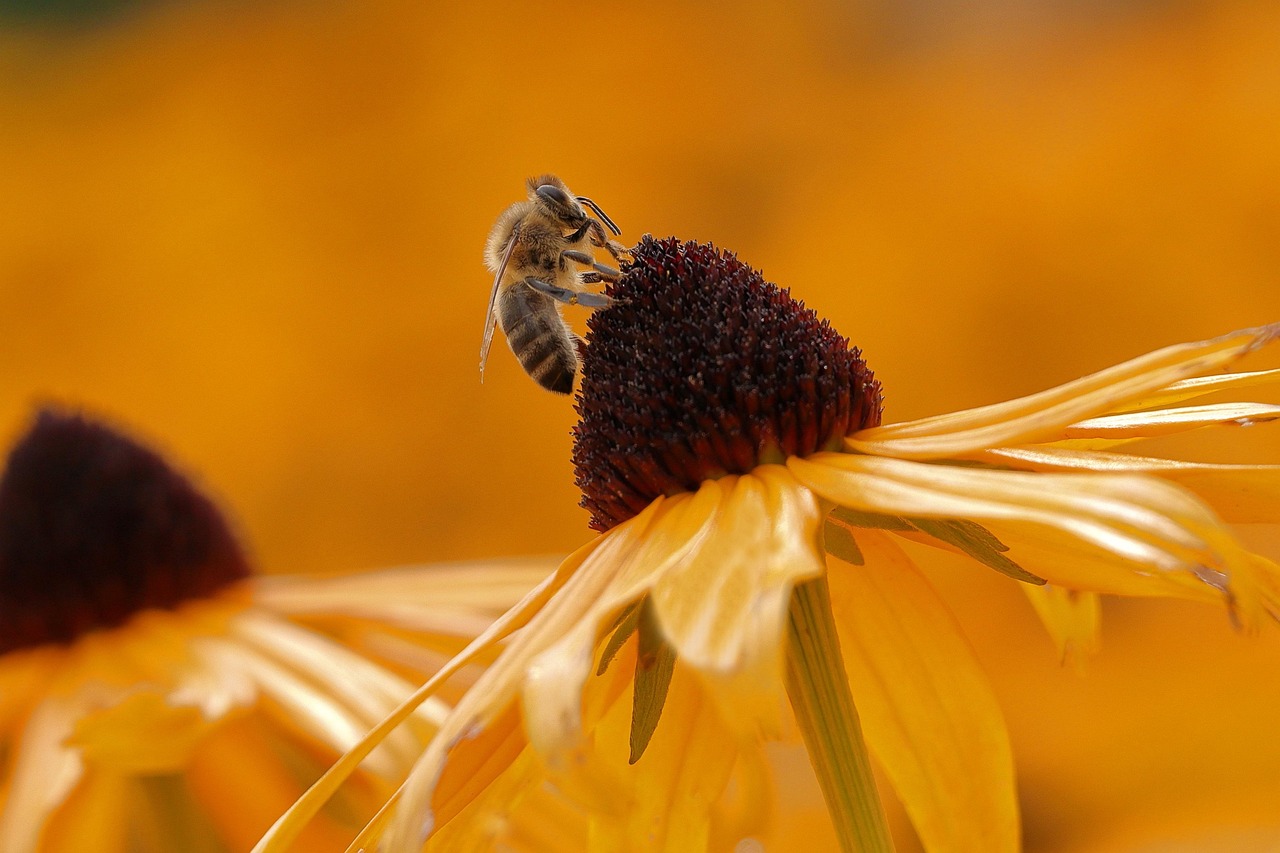
Absolutely! Bee Balm is one of the best plants you can choose for attracting a diverse range of pollinators to your garden. Its tubular flowers are perfectly shaped for hummingbirds to sip nectar, and their bright colors are irresistible to butterflies. Bees, from tiny native species to larger bumblebees, flock to Bee Balm for its abundant nectar and pollen.
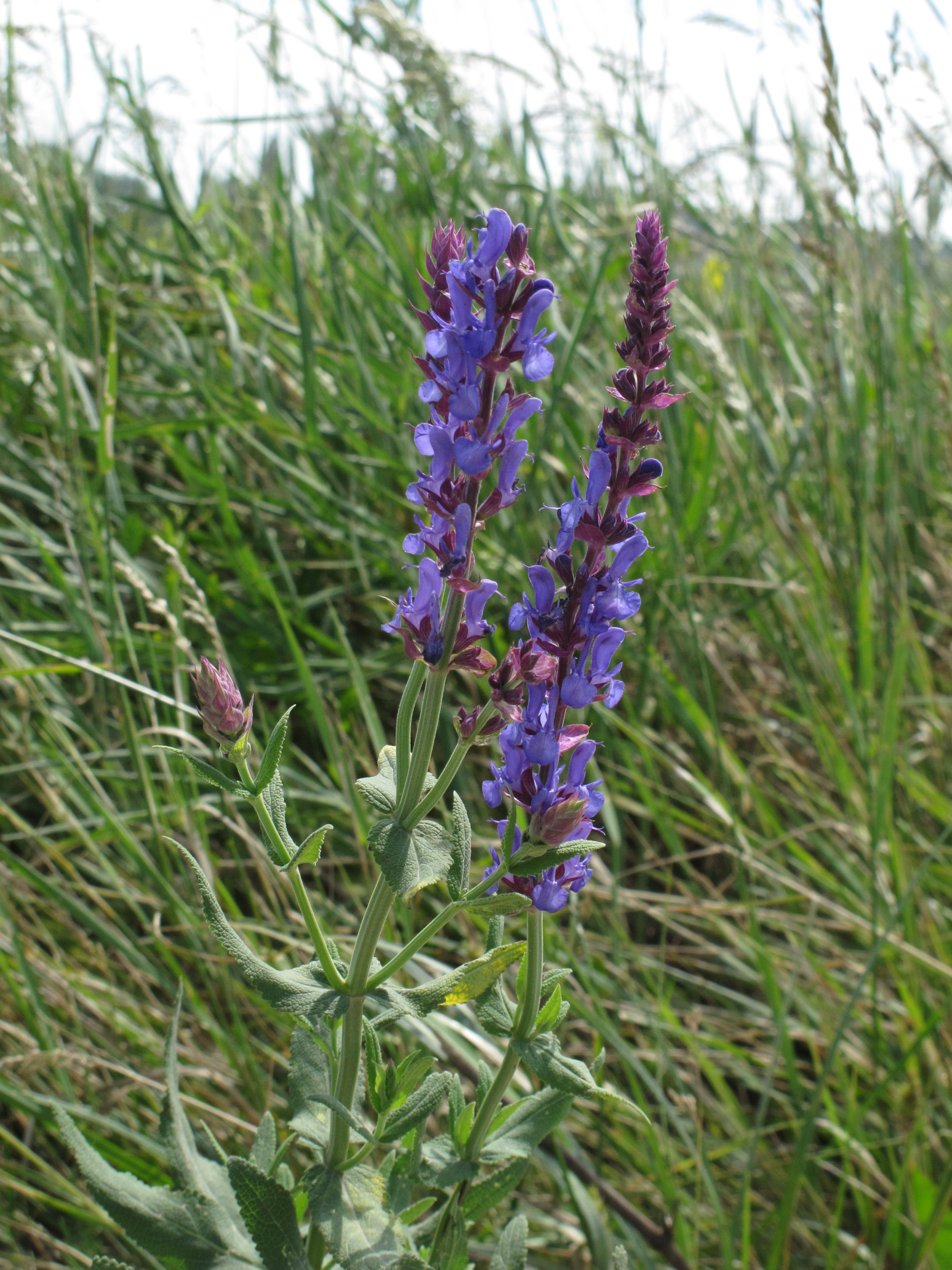
Beyond its direct appeal to pollinators, Bee Balm also plays a role in supporting the broader ecosystem. As a native plant, it's adapted to local conditions and provides resources that native wildlife recognize and depend on. Pairing Bee Balm with other pollinator-friendly plants like
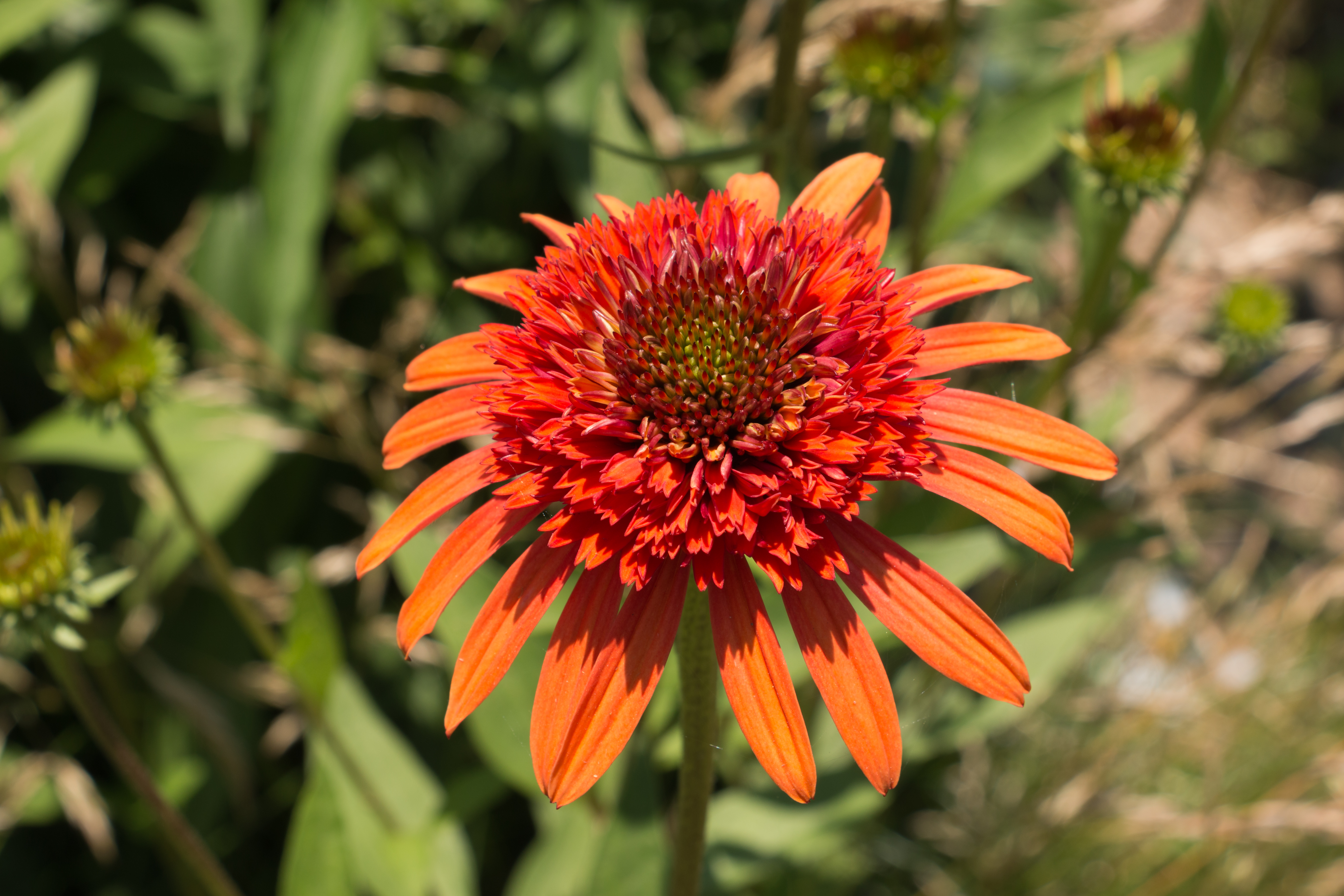
,
, and
will create a vibrant, healthy habitat.
While Bee Balm is a magnet for beneficial insects, it's also generally resistant to common garden pests. Its aromatic foliage, which gives it its minty scent, acts as a natural deterrent to many herbivores, including deer. However, it's important to remember that no plant is truly deer-proof, and very hungry deer may sample anything.
Is Bee Balm Safe for Pets?
For pet owners, knowing which plants are safe for furry friends is a top priority. The good news is that Bee Balm (Monarda species) is not listed as toxic to dogs or cats by the ASPCA (American Society for the Prevention of Cruelty to Animals). This makes it a relatively worry-free choice for gardens where pets might roam.
While Bee Balm is generally considered safe, it's always wise to monitor your pets, especially puppies or kittens, to ensure they don't consume large quantities of any plant material. Even non-toxic plants can sometimes cause mild stomach upset if ingested in excess.
If you suspect your pet has ingested a toxic plant, call the ASPCA Animal Poison Control Center immediately at (888) 426-4435.
Ready to find the perfect plants for your yard? Try the PlantWise Plant Finder →