Smooth Hydrangea (Annabelle): Complete Growing Guide
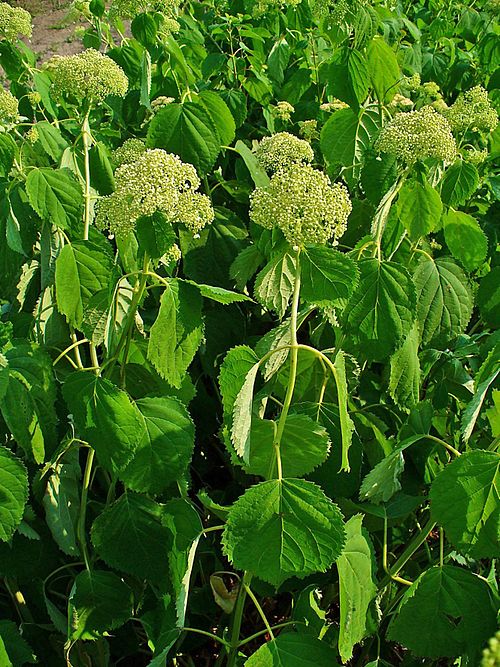
The 'Annabelle' smooth hydrangea (Hydrangea arborescens 'Annabelle') is a beloved, classic shrub known for its spectacular, large white flower heads that bloom reliably from summer into fall. Growing 'Annabelle' hydrangeas is relatively straightforward, as they are hardy, adaptable, and less finicky than some other hydrangea varieties. To successfully grow 'Annabelle', provide it with a location that receives morning sun and afternoon shade, consistently moist, well-draining soil, and prune it in late winter or early spring to encourage vigorous new growth and abundant blooms. Its ease of care and stunning floral display make it a fantastic choice for gardeners looking for a low-maintenance yet high-impact plant.
🌱 Get Personalized Plant Picks
Answer a few quick questions and we’ll match plants to your exact yard conditions.
Find My Plants →Why Choose 'Annabelle' Smooth Hydrangea?
'Annabelle' is a cultivar of Hydrangea arborescens, commonly known as smooth hydrangea or wild hydrangea, native to the eastern United States. Unlike its bigleaf hydrangea cousins (Hydrangea macrophylla) that bloom on old wood and can be sensitive to late frosts, 'Annabelle' blooms exclusively on new wood. This characteristic makes it incredibly reliable, as winter dieback or late spring freezes won't prevent it from flowering. Its huge, round, pure white flower clusters can reach up to 12 inches in diameter, creating a dramatic visual impact in any garden setting. As the blooms age, they transition to a lovely lime green, extending their season of interest.
Quick Reference: 'Annabelle' Smooth Hydrangea
| Feature | Detail |
|---|---|
| Botanical Name | Hydrangea arborescens 'Annabelle' |
| Common Name | Annabelle Hydrangea, Smooth Hydrangea, Wild Hydrangea |
| Hardiness Zones | USDA Zones 3-9 |
| Sunlight | Partial Shade (Morning sun, afternoon shade is ideal) |
| Soil | Moist, well-draining, rich in organic matter, pH adaptable |
| Mature Size | 3-5 feet tall and wide |
| Bloom Time | Summer to Fall (June-September) |
| Flower Color | White, aging to lime green |
| Deer Resistance | Moderate (often browsed if other food sources are scarce) |
| Water Needs | Medium to High (especially during dry spells and establishment) |
| Pruning | Late winter/early spring |
Where Should I Plant My 'Annabelle' Hydrangea?
Choosing the right location is crucial for your 'Annabelle' to thrive. While it's more adaptable than some other hydrangeas, it still has preferences.
- Sunlight: 'Annabelle' hydrangeas prefer partial shade. This typically means 4-6 hours of morning sun followed by afternoon shade. In cooler climates (USDA Zones 3-5), it can tolerate more sun, even full sun, provided the soil remains consistently moist. In hotter climates (USDA Zones 7-9), afternoon shade is essential to protect the leaves and blooms from scorching. Too much shade, however, can lead to fewer, smaller blooms and weak stems.
- Soil: These hydrangeas love rich, consistently moist, well-draining soil. They are not particular about soil pH, unlike bigleaf hydrangeas whose flower color can change with acidity. Amend heavy clay soils with compost or other organic matter to improve drainage, and sandy soils to improve water retention.
- Spacing: When planting multiple 'Annabelle' hydrangeas, space them 3-5 feet apart to allow for their mature size and good air circulation, which helps prevent fungal diseases.
Planting Instructions:
- Dig the Hole: Dig a hole that is twice as wide as the root ball and just as deep.
- Prepare the Plant: Gently remove the plant from its container. If the roots are circling the pot, gently tease them apart.
- Position the Plant: Place the plant in the hole so that the top of the root ball is level with or slightly above the surrounding soil.
- Backfill: Backfill the hole with the excavated soil, mixed with compost if your soil quality is poor. Gently tamp down the soil to remove air pockets.
- Water Thoroughly: Water deeply immediately after planting.
- Mulch: Apply a 2-3 inch layer of organic mulch (like wood chips or shredded bark) around the base of the plant, keeping it a few inches away from the stem. This helps retain moisture, regulate soil temperature, and suppress weeds.
How Do I Prune Annabelle Hydrangea for Best Blooms?
Pruning 'Annabelle' is one of the easiest tasks in its care, and it's key to encouraging those massive blooms. Since it blooms on new wood (growth produced in the current growing season), you can prune it quite aggressively without sacrificing flowers.
- When to Prune: The best time to prune 'Annabelle' is in late winter or early spring, just before new growth begins. This is typically between February and April, depending on your climate.
- How to Prune:
- Hard Pruning (for largest blooms): Cut all stems back to about 6-12 inches from the ground. This encourages strong new growth and the largest flower heads.
- Light Pruning (for more, but slightly smaller, blooms and stronger stems): You can also opt to cut stems back by about one-third to one-half of their height, or remove only the weakest and oldest stems at the base. This can result in more numerous, but slightly smaller, blooms and potentially stronger stems that are better able to support the heavy flower heads.
- Remove Dead/Damaged Wood: Always remove any dead, diseased, or damaged branches whenever you notice them.
- Why Prune: Pruning promotes vigorous new growth, which is where 'Annabelle' produces its flowers. It also helps maintain a desirable shape and size, and can improve air circulation within the plant.
What Are the Watering and Fertilizing Needs of 'Annabelle'?
'Annabelle' hydrangeas are relatively thirsty plants, especially during hot, dry periods and when they are establishing.
- Watering:
- Establishment (First Year): Water deeply and regularly, 2-3 times per week, to ensure the root ball stays consistently moist.
- Mature Plants: Once established, they may need 1 inch of water per week, either from rainfall or irrigation. During prolonged dry spells or extreme heat, increase watering frequency. The goal is consistently moist, but not waterlogged, soil. Wilting leaves during the day can be a sign of thirst, but also sometimes a temporary response to intense heat; check the soil moisture before watering.
- Fertilizing:
- 'Annabelle' hydrangeas are not heavy feeders. If your soil is rich in organic matter, you may not need to fertilize at all.
- If your plant seems to be struggling or you want to encourage more vigorous growth, apply a balanced, slow-release granular fertilizer (e.g., 10-10-10 or 12-4-8) in early spring, after pruning and before new growth fully emerges. Follow the product instructions carefully. Avoid over-fertilizing, especially with high-nitrogen fertilizers, as this can promote leafy growth at the expense of flowers.
- Compost: A yearly top-dressing of compost around the base of the plant in spring is often sufficient to provide all the nutrients it needs.
Is 'Annabelle' Hydrangea Safe for Pets?
While many parts of Hydrangea arborescens are not listed as toxic to pets, it's generally advised to exercise caution with all hydrangeas. The leaves and flower buds of some hydrangea species contain cyanogenic glycosides, which can cause mild gastrointestinal upset if ingested in large quantities. Symptoms might include vomiting, diarrhea, and lethargy. However, serious poisoning is rare.
If you suspect your pet has ingested a toxic plant, call the ASPCA Animal Poison Control Center immediately at (888) 426-4435.
Companion Plants for 'Annabelle' Hydrangea
'Annabelle' hydrangeas pair beautifully with a wide range of plants, creating stunning garden compositions. Their large white blooms provide a fantastic backdrop or focal point. Consider these companions:
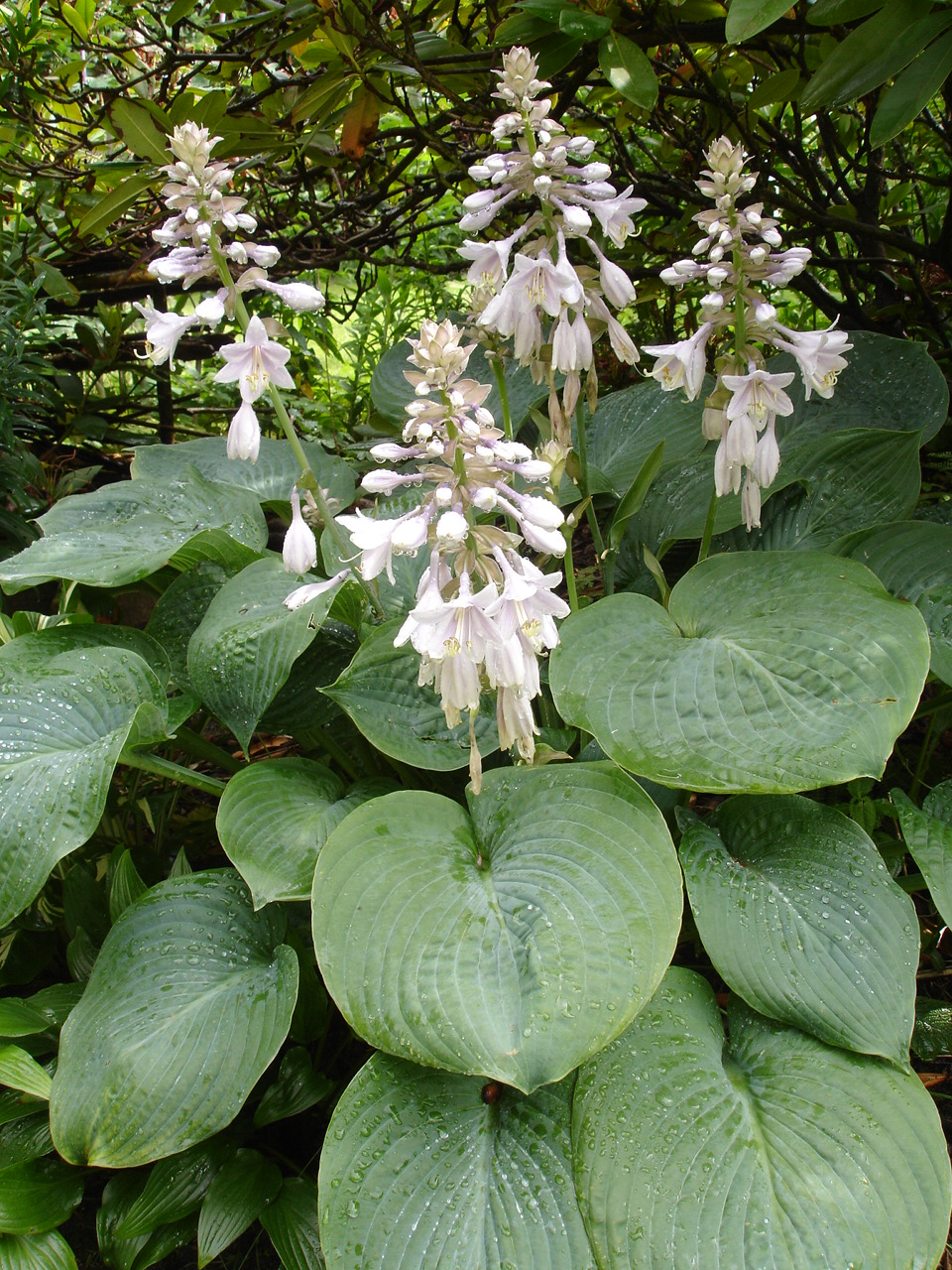
- Hostas: Their broad leaves and varying textures offer a lovely contrast.
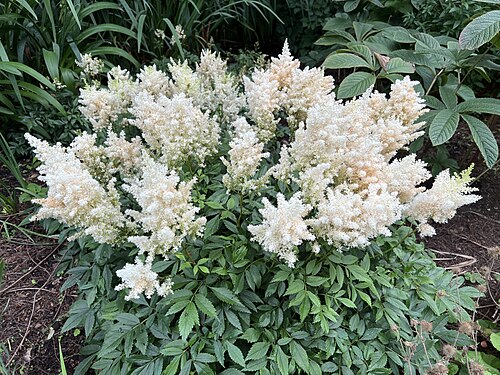
- Astilbe: Feathery plumes and delicate foliage complement the bold hydrangea blooms.
- Ferns: Provide fine texture and thrive in similar partial shade conditions.
- Evergreen Shrubs: Offer year-round structure and a dark green backdrop.
- Perennials for contrast:
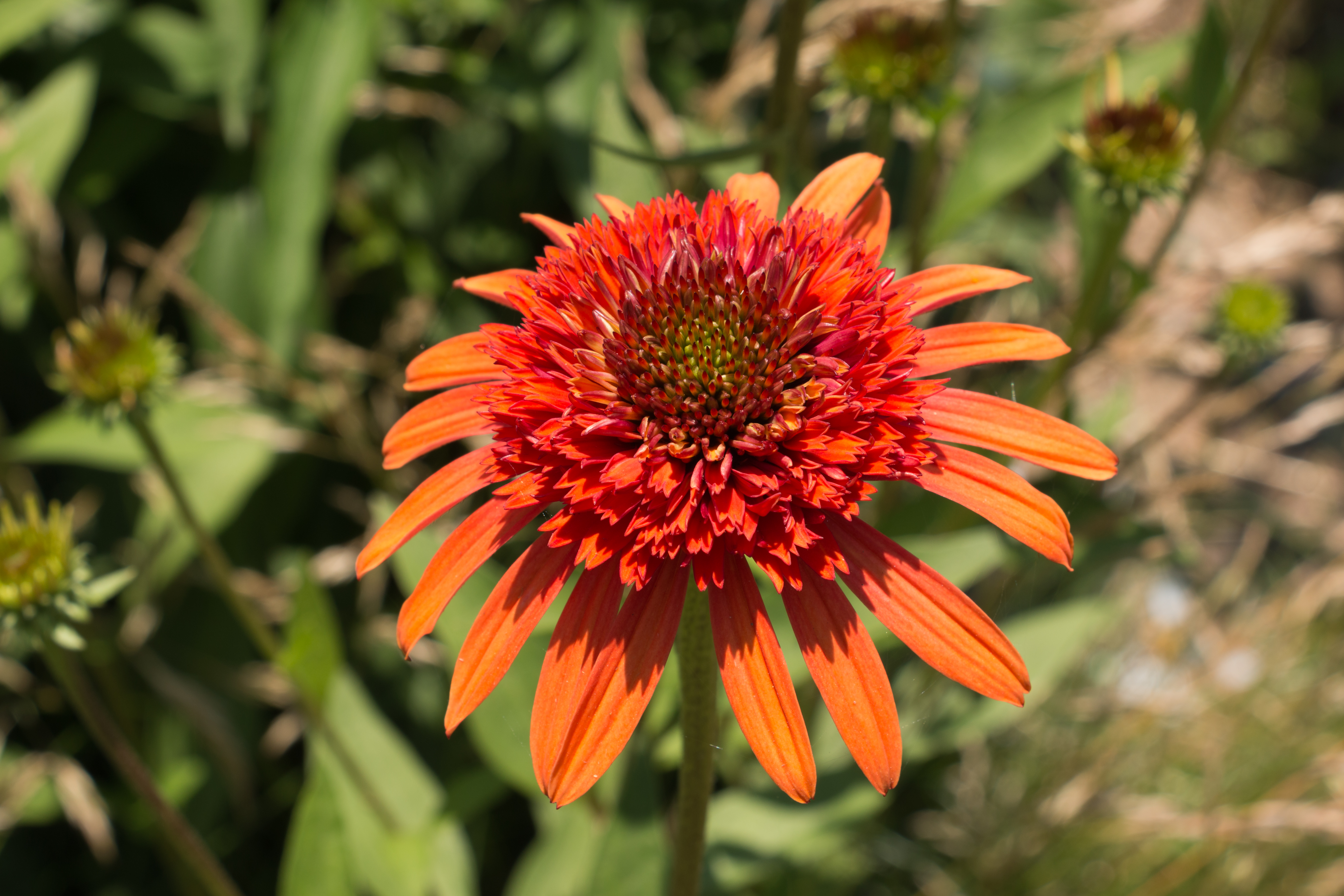
- Coneflower (Coneflower): Adds vibrant color and attracts pollinators.
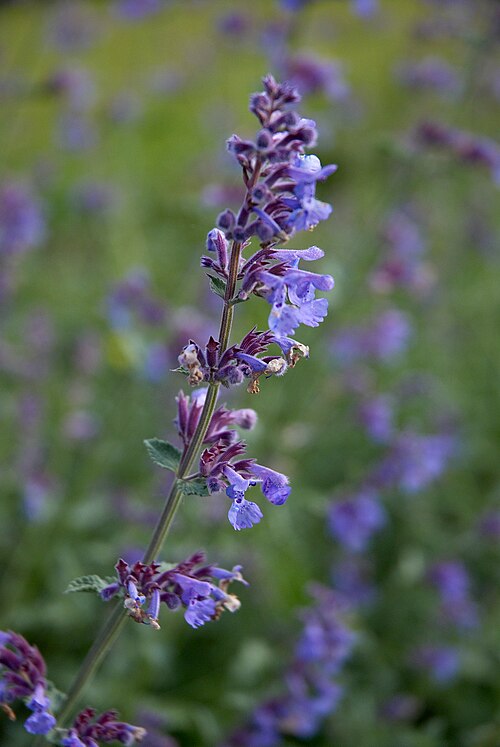
- Catmint (Catmint): Its soft, purple spires and silvery foliage create a beautiful contrast.
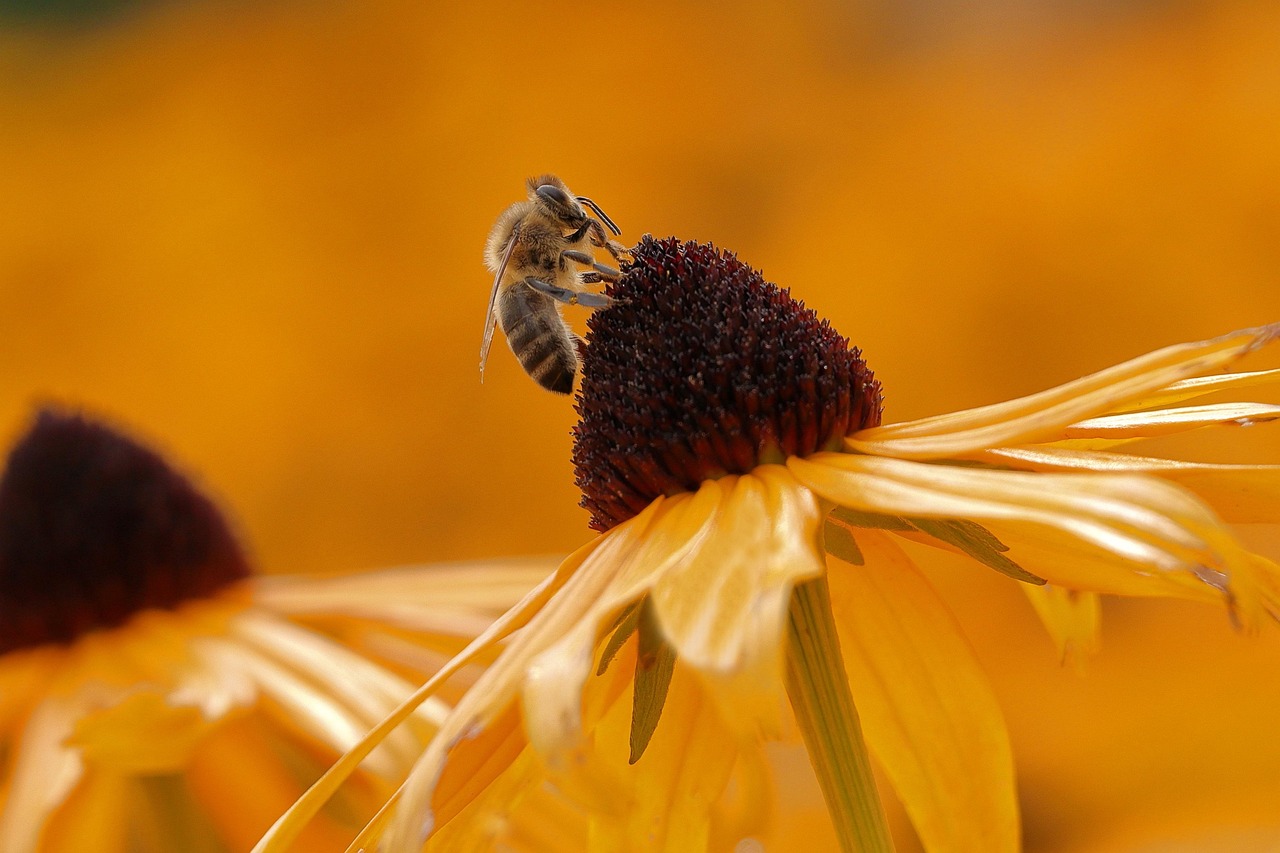
- Black-eyed Susan (Black-eyed Susan): Bright yellow petals with dark centers offer a cheerful pop.
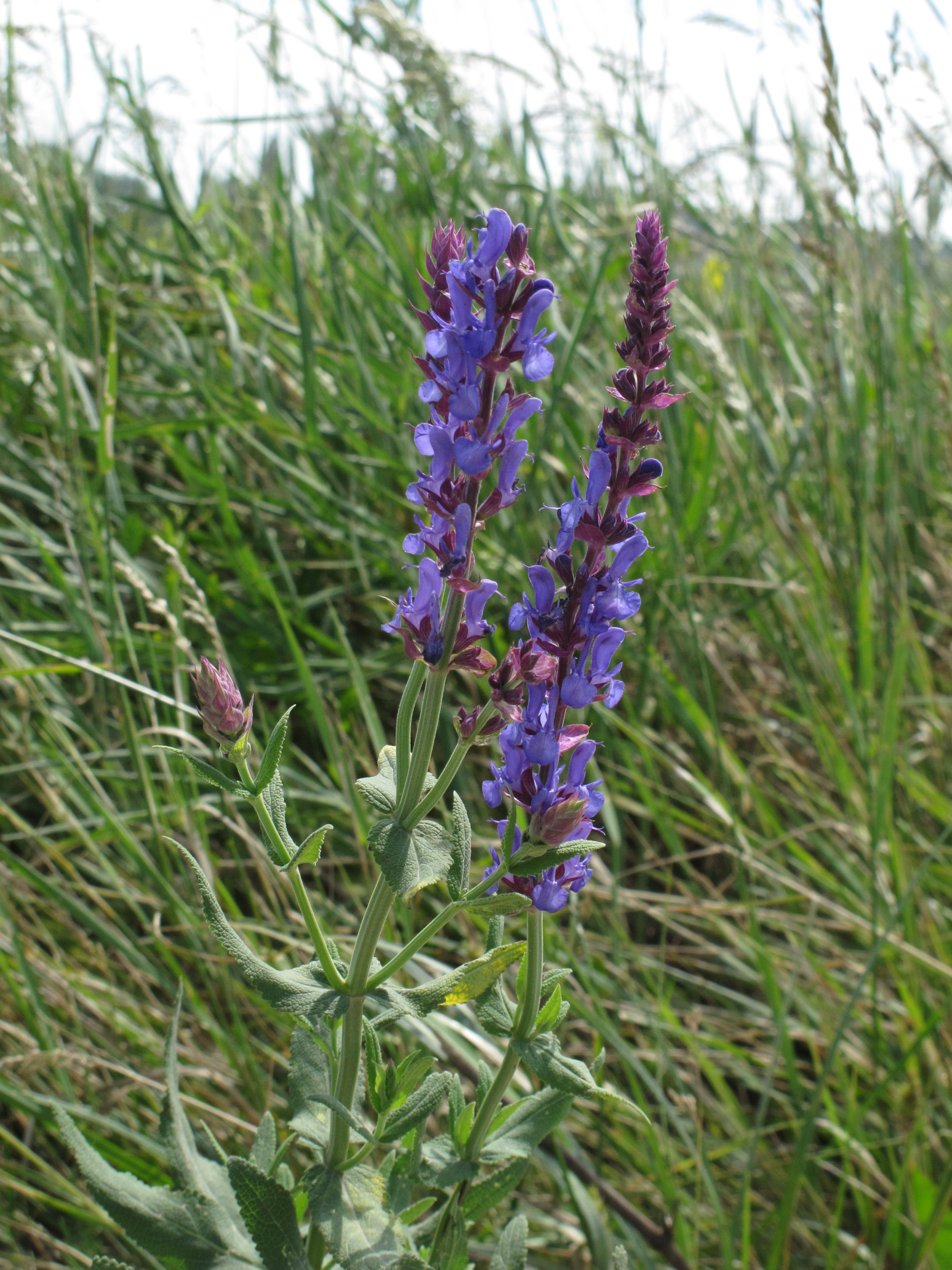
- Salvia (Salvia): Spiky blue or purple flowers provide vertical interest.
Troubleshooting Common 'Annabelle' Issues
'Annabelle' is generally robust, but you might encounter a few common problems:
- Flopping Stems: The large flower heads can become very heavy, especially after rain, causing stems to flop.
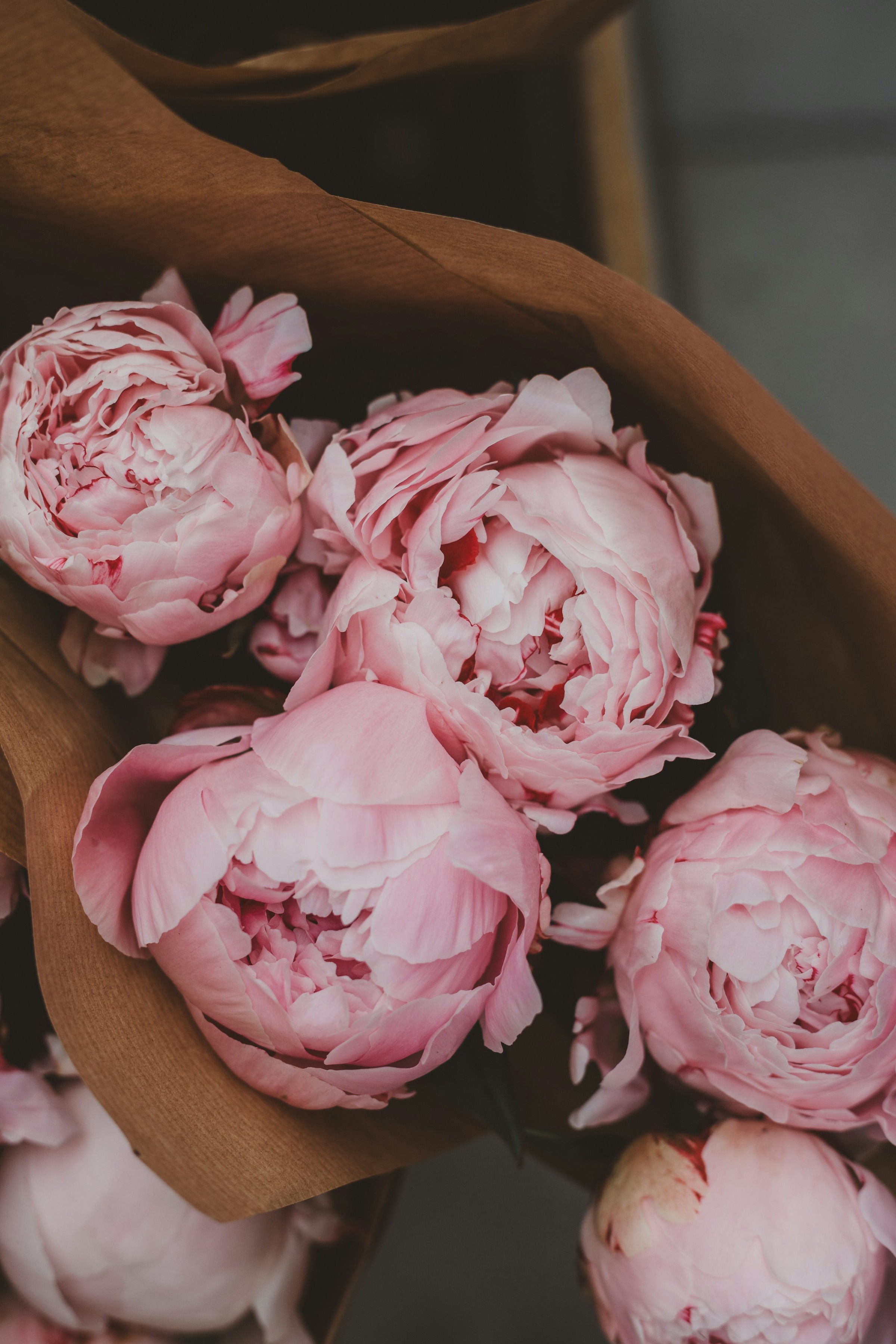
- Solution: Hard pruning in spring (cutting back to 6-12 inches) encourages stronger, thicker stems. You can also provide support with grow-through stakes or peony cages early in the season before the plant gets too large. Some newer cultivars like 'Incrediball' have been bred for stronger stems.
- Lack of Blooms:
- Cause: Too much shade, insufficient water, or improper pruning (though rare with 'Annabelle' as it blooms on new wood).
- Solution: Ensure it gets at least 4-6 hours of morning sun. Check soil moisture. Prune in late winter/early spring.
- Leaf Scorch: Brown, crispy edges on leaves.
- Cause: Too much direct afternoon sun, especially in hot climates, or insufficient water.
- Solution: Ensure it receives afternoon shade. Water deeply and regularly.
- Deer Browsing: While no plant is truly deer-proof, 'Annabelle' hydrangeas are generally considered moderately deer-resistant. However, deer will browse them if other food sources are scarce.
- Solution: If deer are a problem, consider deer repellents or physical barriers like fencing.
With its reliable blooms and relatively low-maintenance nature, the 'Annabelle' smooth hydrangea is a fantastic addition to almost any garden. Provide it with the right conditions, and you'll be rewarded with a spectacular display of white flowers year after year.
Ready to find the perfect plants for your yard? Try the PlantWise Plant Finder →