Low-Maintenance Landscaping: Beautiful Gardens with Less Work
Low-maintenance landscaping is entirely achievable by making smart choices about your plants, design, and gardening practices. The key is to work with nature, not against it, by selecting plants suited to your climate and site conditions, implementing water-wise strategies, and employing design principles that reduce routine tasks like weeding and pruning. By focusing on native species, drought-tolerant varieties, and strategic hardscaping, you can create a stunning garden that demands less of your time and effort, leaving you more time to simply enjoy your outdoor space.
Why Go Low-Maintenance?
The dream of a lush, vibrant garden often comes with the reality of endless weeding, watering, pruning, and pest control. For many homeowners, the time commitment can be overwhelming, leading to neglected beds or a reluctance to garden at all. Low-maintenance landscaping offers a solution, allowing you to enjoy the beauty and benefits of a well-designed outdoor space without turning gardening into a chore.
Beyond saving time, low-maintenance approaches often save resources. They typically involve less water, fewer chemical inputs, and a reduced need for power tools, making them more environmentally friendly. This approach is about creating a resilient ecosystem that largely takes care of itself, benefiting both you and local wildlife.
🌱 Get Personalized Plant Picks
Answer a few quick questions and we’ll match plants to your exact yard conditions.
Find My Plants →Smart Design Choices for Less Work
The foundation of a low-maintenance landscape begins with thoughtful design. Planning ahead can drastically reduce future chores.
1. Know Your Site
Before you plant anything, understand your yard's unique conditions.
- Sunlight: Map out how much sun different areas receive throughout the day. Full sun, partial sun, or shade?
- Soil: Get a soil test to determine its type (clay, sand, loam) and pH. This helps you select plants that will thrive naturally.
- Drainage: Observe how water drains after a rain. Are there consistently wet or dry spots?
- Climate Zone: Know your USDA Hardiness Zone to choose plants that can withstand your local winters and summers.
Matching plants to their ideal conditions is the single most effective way to reduce maintenance. A plant struggling in the wrong spot will always require more attention, water, and pest intervention.
2. Group Plants with Similar Needs (Hydrozoning)
Arrange plants with similar water, light, and soil requirements together. This practice, known as hydrozoning, makes watering more efficient and prevents over or under-watering certain plants. For example, group all your drought-tolerant plants in one area, and those needing more moisture in another.
3. Incorporate Hardscaping Wisely
Patios, walkways, decks, and raised beds require minimal upkeep compared to planted areas. Strategic hardscaping can define spaces, reduce lawn area, and provide structure to your garden. Consider permeable materials like pavers or gravel to allow water to infiltrate the soil, reducing runoff.
4. Reduce Lawn Area
Lawns are notoriously high-maintenance, requiring regular mowing, watering, fertilizing, and pest control. Consider reducing the size of your lawn or replacing portions with:
- Groundcovers: Low-growing plants that spread to cover bare soil.
- Native Plant Beds: Create naturalistic gardens that thrive with minimal intervention.
- Mulched Areas: Simple and effective for weed suppression and moisture retention.
Plant Smart: The Key to Effortless Beauty
Choosing the right plants is paramount for a low-maintenance landscape. Focus on species that are naturally resilient and well-suited to your local environment.
1. Embrace Native Plants
Native plants are adapted to your local climate, soil, and rainfall patterns. This means they generally require less water, fertilizer, and pest control than non-native species. They also support local wildlife, including pollinators and birds.
2. Opt for Drought-Tolerant Varieties
Even if you don't live in a desert, choosing plants that can withstand periods of dryness will significantly reduce your watering chores. Many beautiful plants are naturally water-wise.
3. Choose Disease and Pest-Resistant Cultivars
Look for plant tags that indicate resistance to common diseases or pests. This will save you time and effort on treatments.
4. Consider Plant Size and Growth Habit
Select plants that will naturally grow to the desired size for their location. Overly large plants in small spaces will require constant pruning. Also, consider their growth habit - do they spread aggressively, or stay in a neat clump?
Quick Reference: Low-Maintenance Perennials
Here are some excellent choices for low-maintenance perennial flowers that offer beauty with minimal fuss:
| Plant Name | Sun Needs | Water Needs | Key Features |
|---|---|---|---|
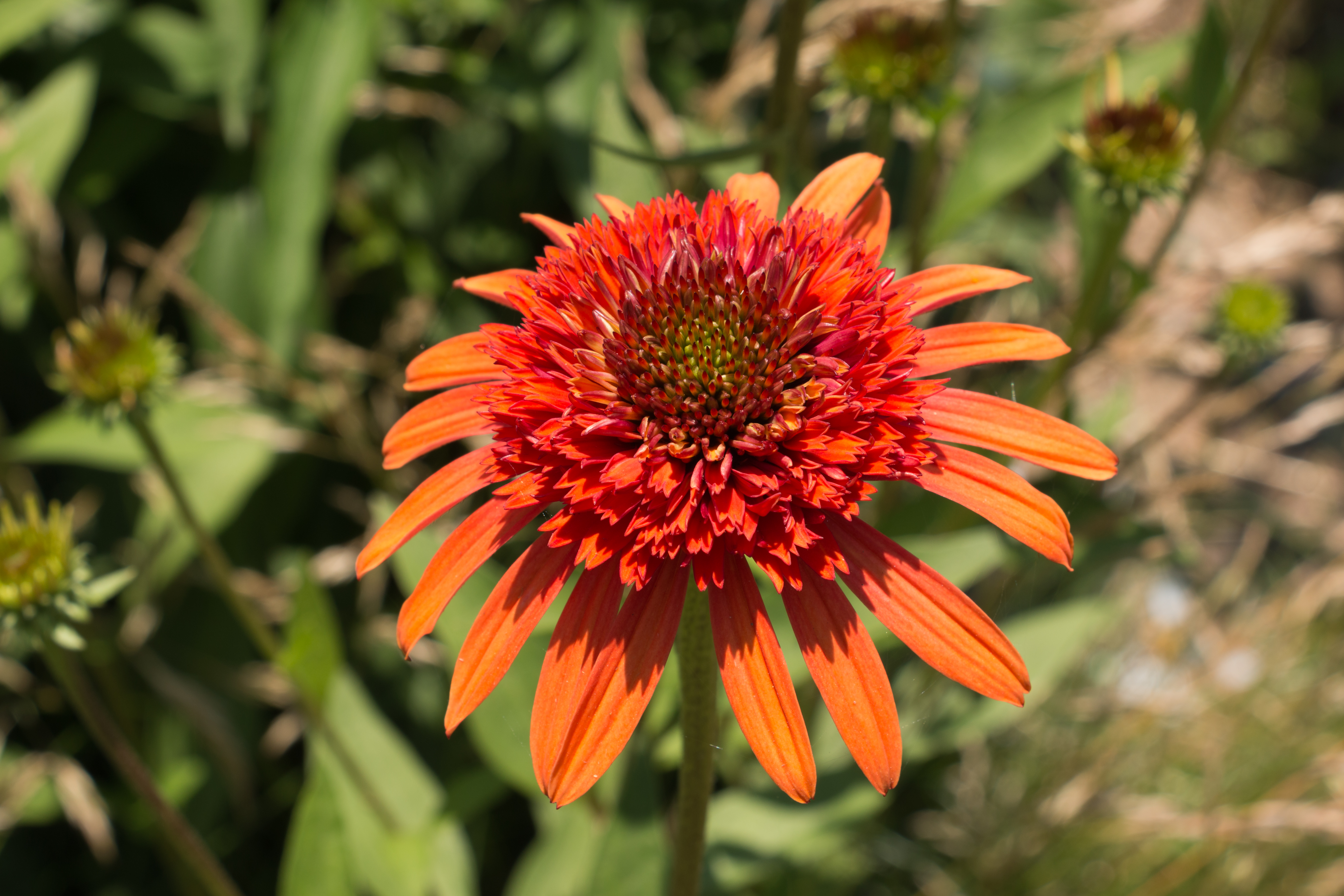
| Coneflower | Full Sun | Low to Moderate | Iconic daisy-like flowers, drought-tolerant, attracts pollinators. |
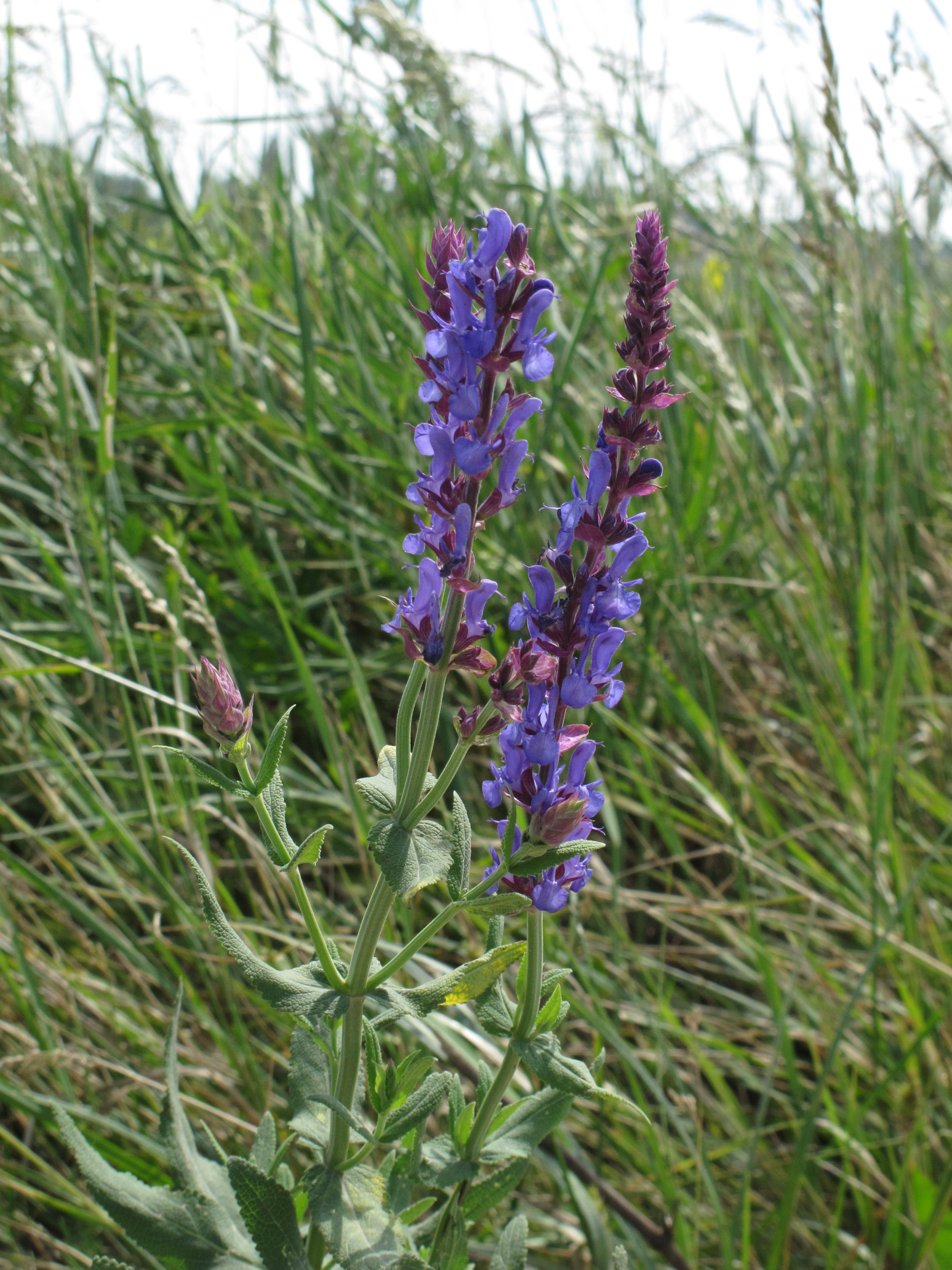
| Salvia | Full Sun | Low to Moderate | Spikes of blue, purple, pink, or red flowers, deer resistant, long bloom. |
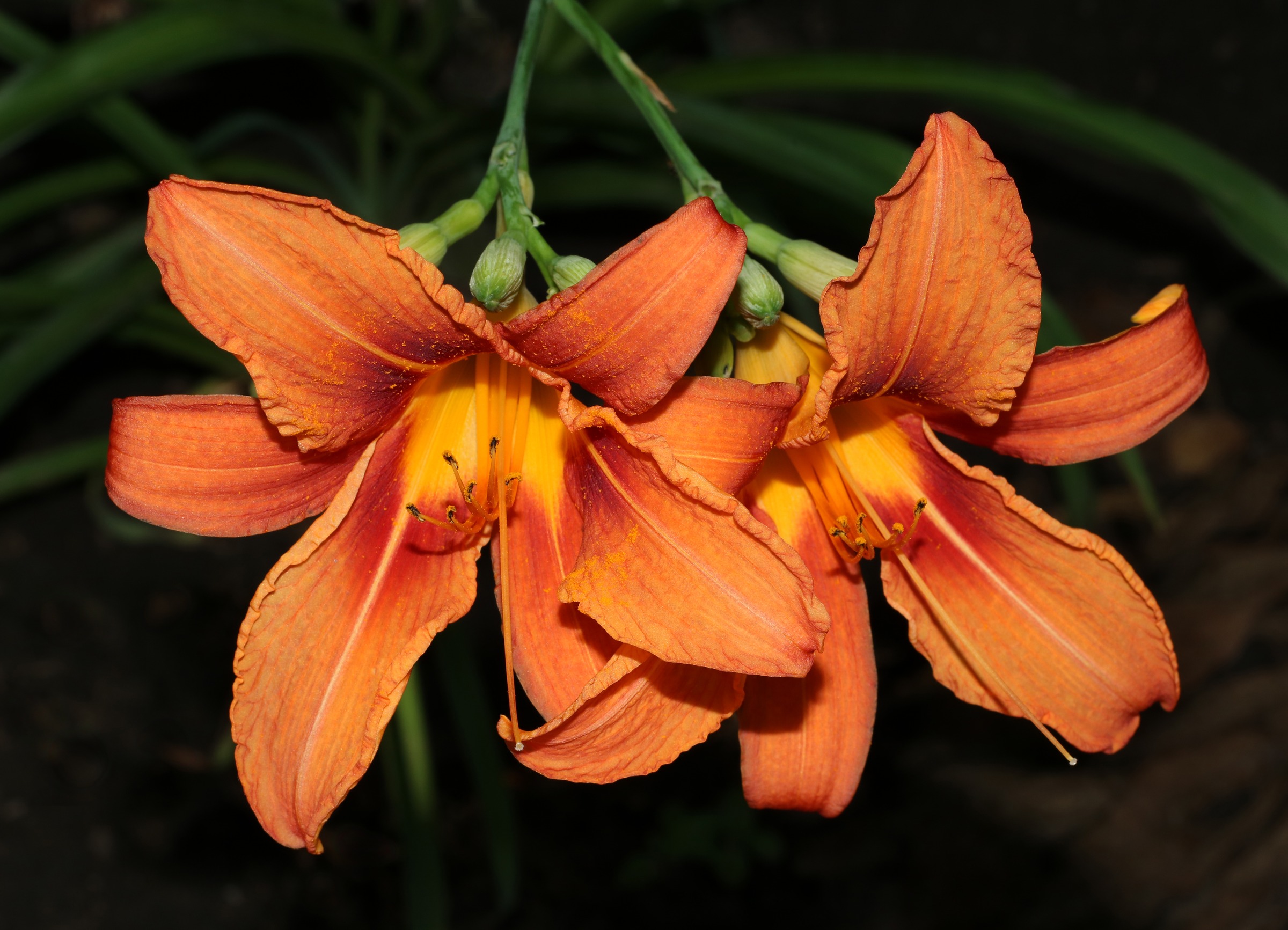
| Daylily | Full Sun | Moderate | Extremely tough, wide range of colors, adaptable to various soils. |
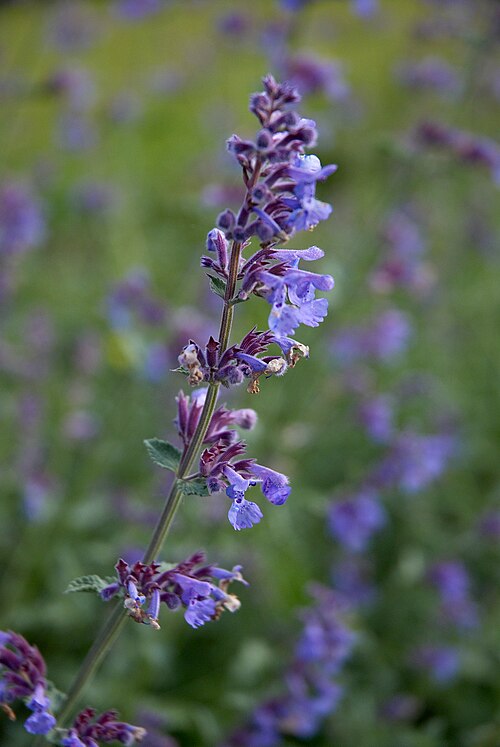
| Catmint | Full Sun | Low | Aromatic foliage, purple flower spikes, deer and rabbit resistant. |
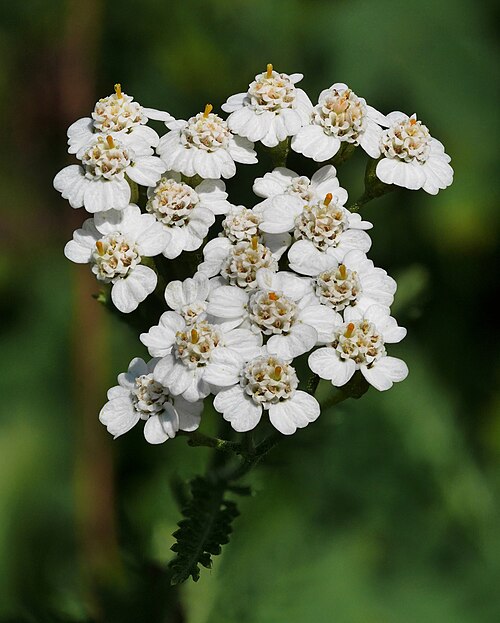
| Yarrow | Full Sun | Low | Flat-topped flower clusters, drought-tolerant, attracts beneficial insects. |
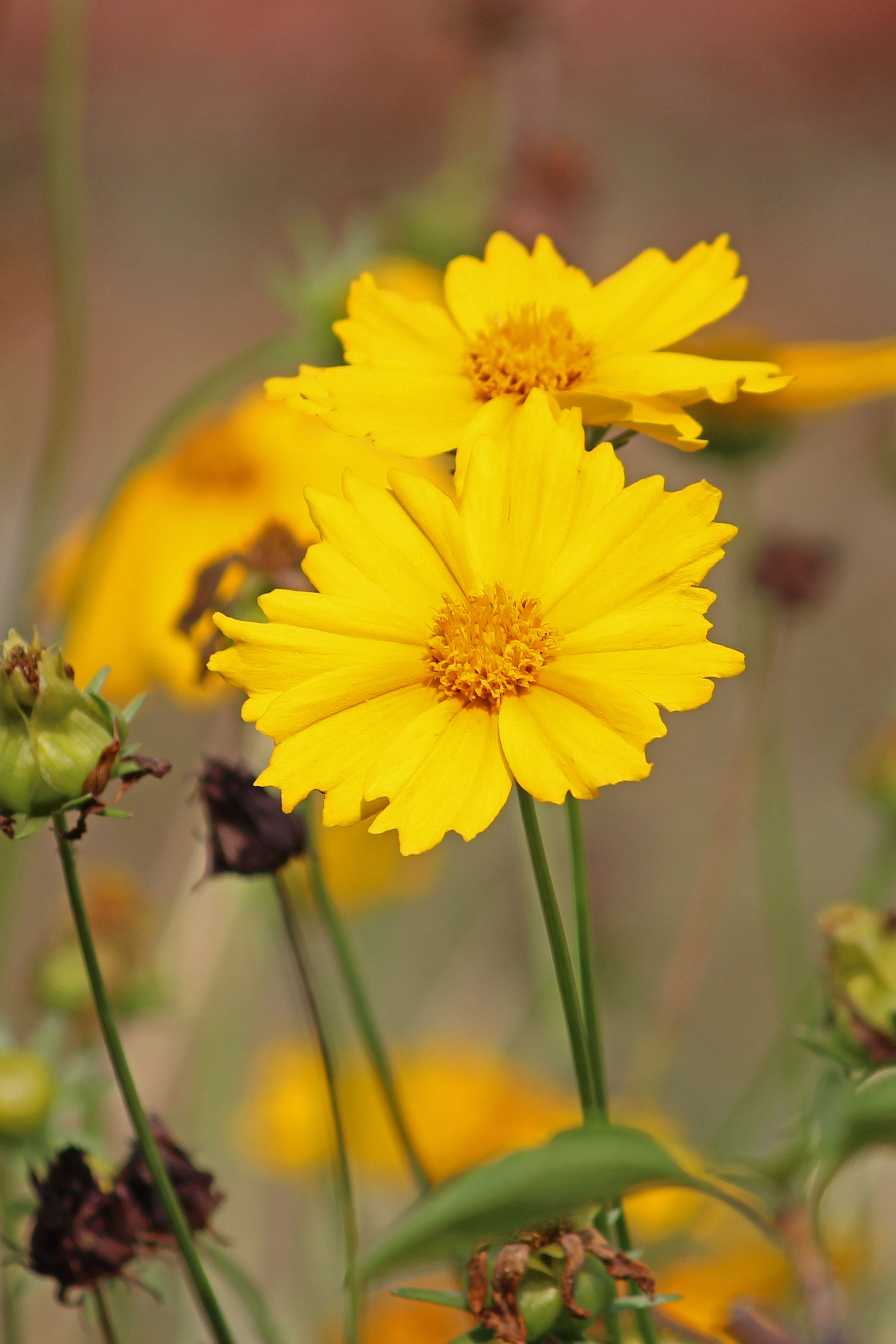
| Coreopsis | Full Sun | Low to Moderate | Cheerful yellow, orange, or pink daisy-like flowers, long blooming. |
Smart Gardening Practices for Minimal Upkeep
Once your low-maintenance garden is designed and planted, a few key practices will keep it thriving with minimal effort.
1. Mulch, Mulch, Mulch!
Mulching is arguably the most important low-maintenance technique. A 2-4 inch layer of organic mulch (like shredded bark, wood chips, or compost) around your plants will:
- Suppress Weeds: Blocking sunlight prevents weed seeds from germinating.
- Retain Moisture: Reduces evaporation, meaning you water less often.
- Regulate Soil Temperature: Keeps soil cooler in summer and warmer in winter.
- Improve Soil Health: As organic mulch breaks down, it enriches the soil.
2. Water Deeply and Infrequently
Instead of frequent, shallow watering, water deeply to encourage roots to grow further down into the soil. This makes plants more resilient to dry spells. Consider drip irrigation or soaker hoses for efficient watering, delivering water directly to the plant roots with minimal waste.
3. Strategic Pruning
Many low-maintenance plants require little to no pruning. For those that do, focus on:
- Deadheading: Removing spent flowers to encourage more blooms and prevent self-seeding (if desired).
- Removing Dead or Diseased Branches: For plant health and aesthetics.
- Shaping: Only if absolutely necessary to maintain a desired form or size, but ideally, you've chosen plants that fit their space.
4. Let Nature Do the Work
Embrace a slightly wilder, more natural aesthetic. Leave spent perennial stems standing over winter to provide habitat for beneficial insects and birds, and to add winter interest. Allow some plants to self-seed if you like their spread. This reduces the need for meticulous cleanup.
Pet Safety Note
While focusing on low-maintenance plants, it's always wise to be aware of pet safety. Many common garden plants can be toxic if ingested by animals. If you suspect your pet has ingested a toxic plant, call the ASPCA Animal Poison Control Center immediately at (888) 426-4435. Always research specific plants if you have pets who might chew on foliage. The plants listed in this article are generally not listed as toxic to cats and dogs by the ASPCA, but individual reactions can vary.
The Payoff: More Enjoyment, Less Toil
Creating a low-maintenance landscape is an investment of time upfront in planning and plant selection, but it pays dividends for years to come. You'll spend less time on chores and more time relaxing in your beautiful, thriving outdoor space. It's about working smarter, not harder, to cultivate a garden that gives back more than it demands.
Ready to find the perfect plants for your yard? Try the PlantWise Plant Finder →