Shade Garden Solutions: Designing Beautiful Low-Light Gardens
Designing beautiful low-light gardens is not only possible but can result in some of the most serene and enchanting spaces in your yard. The key to creating a stunning shade garden lies in understanding the unique challenges and opportunities presented by low-light conditions. Instead of viewing shade as a limitation, embrace it as a chance to explore a rich palette of textures, foliage colors, and delicate blooms that thrive away from the harsh sun. By focusing on plant selection, strategic layering, and thoughtful hardscaping, you can transform even the deepest shade into a vibrant, captivating retreat.
🌱 Get Personalized Plant Picks
Answer a few quick questions and we’ll match plants to your exact yard conditions.
Find My Plants →Understanding Your Shade: More Than Just "Shady"
Before you dig your first hole, it's crucial to accurately assess the type of shade your garden receives. Not all shade is created equal, and understanding the nuances will significantly impact your plant choices and ultimately, your garden's success.
- Full Shade: Less than 3 hours of direct sun per day, often dappled or indirect light. This is common under dense tree canopies, on the north side of buildings, or in areas consistently blocked by fences.
- Partial Shade/Part Sun: 3 to 6 hours of direct sun per day, typically in the morning or late afternoon. This is a versatile category, offering a wider range of plant options.
- Dappled Shade: Sunlight filtered through tree leaves, creating a shifting pattern of light and shadow. This is often ideal for many shade-loving plants, mimicking their natural woodland habitats.
- Deep Shade: Areas that receive virtually no direct sunlight, often under dense evergreen trees or between closely spaced buildings. These areas present the biggest challenge and may require a focus on hardscaping, moss, or very specific, tough plants.
Take the time to observe your garden throughout the day and across different seasons. Tree leaves emerge and fall, sun angles change, and neighboring structures can cast different shadows depending on the time of year. This observation period is invaluable for planning.
The Art of Foliage: Texture and Color in the Shade
While many associate garden beauty with vibrant flowers, shade gardens truly shine when you embrace the incredible diversity of foliage. Flowers in shade gardens tend to be more subtle, but foliage offers a year-round display of texture, form, and color that can be just as captivating, if not more so.
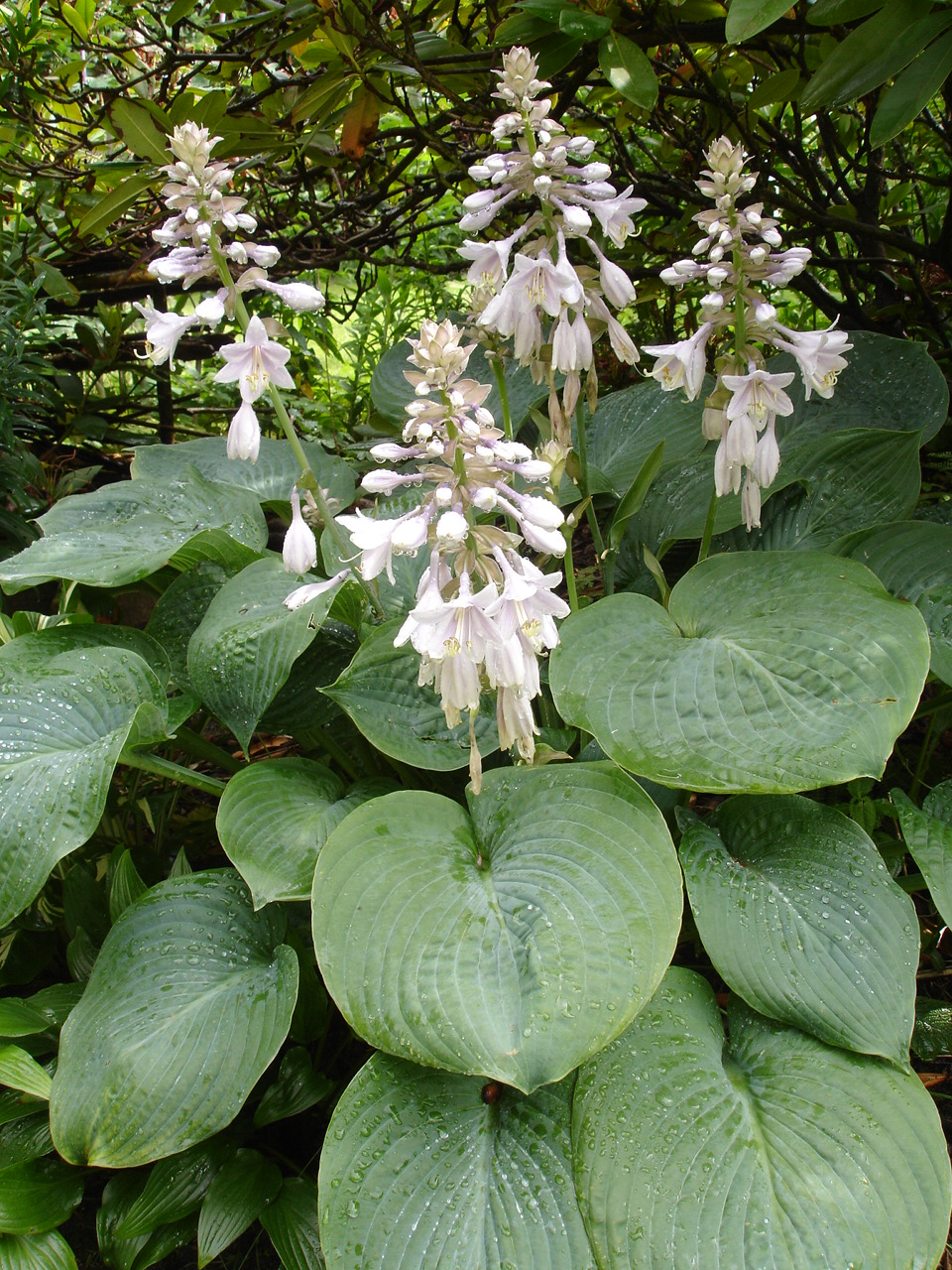
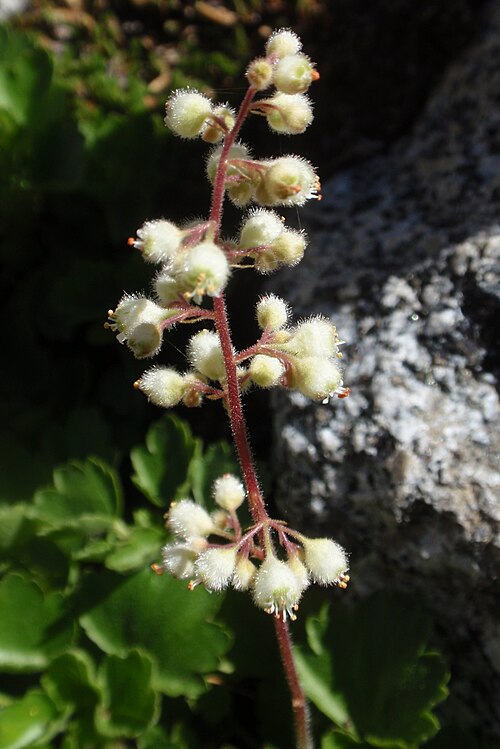
- Texture: Combine plants with different leaf shapes and sizes to create visual interest. Think broad hosta leaves next to the delicate fronds of ferns, or the crinkled texture of a Heuchera (coral bells) alongside the smooth, glossy leaves of a evergreen groundcover.
- Color: Don't limit yourself to green! Many shade-loving plants offer a stunning array of foliage colors:
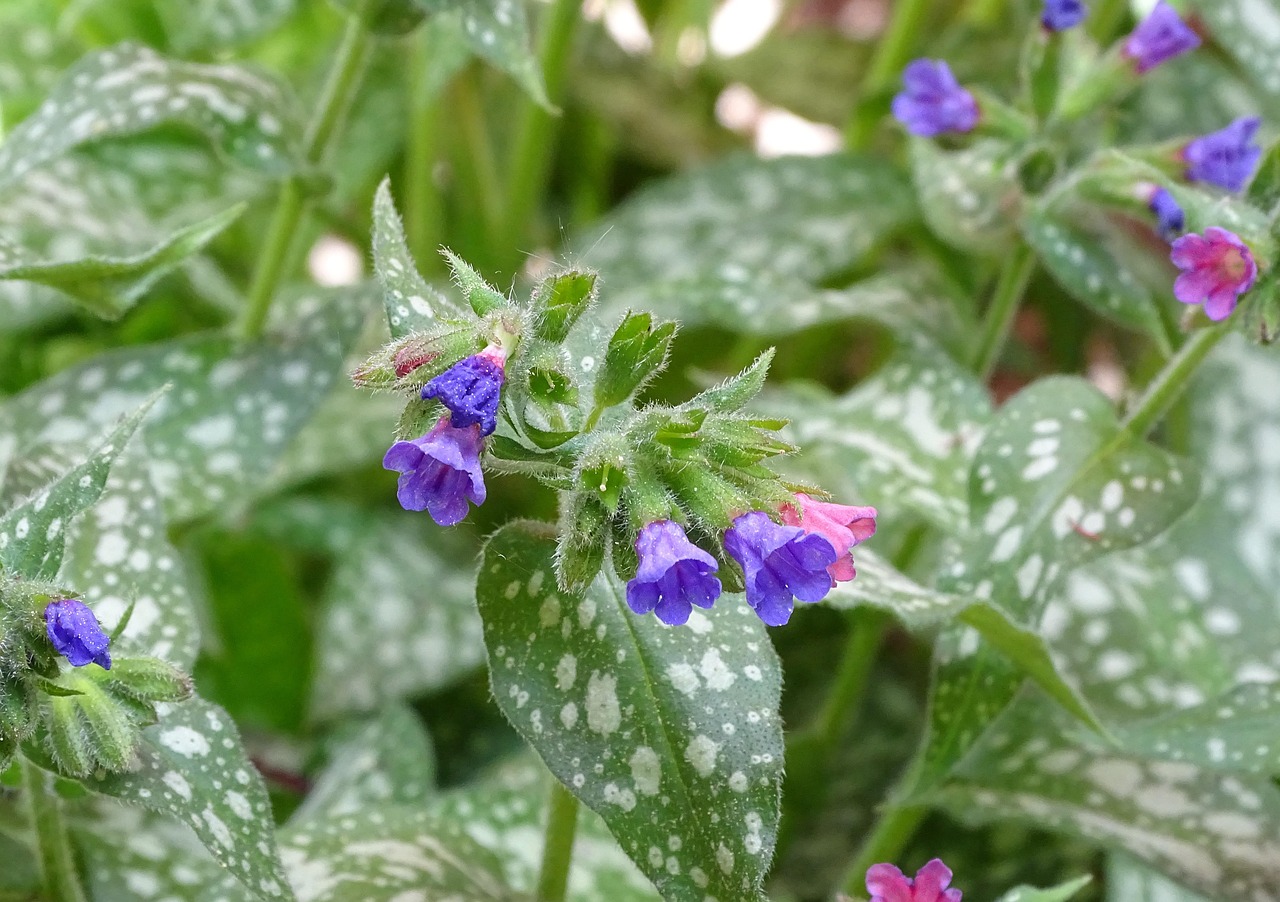
- Silvers and Grays: Pulmonaria (lungwort), Lamium (dead nettle)
- Golds and Chartreuses: Some hosta varieties, Hakonechloa (Japanese forest grass)
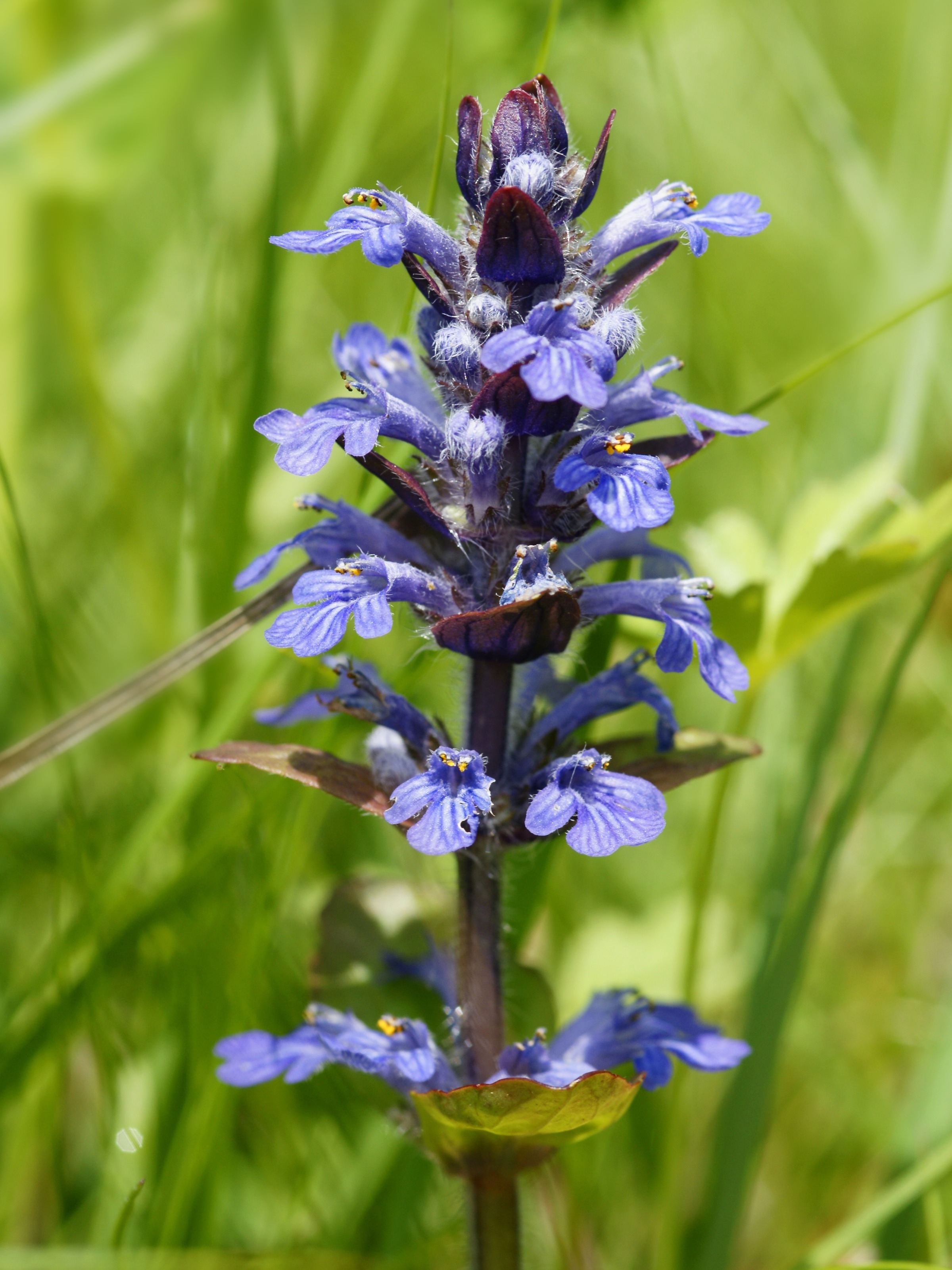
- Reds, Purples, and Bronzes: Heuchera, some Ajuga (bugleweed)
- Variegated: Many hostas, brunnera, and Liriope (lilyturf) feature striking patterns of cream, white, or yellow on their leaves.
By strategically placing plants with contrasting foliage, you can create dynamic compositions that remain engaging even when flowers are not in bloom.
Layering for Depth and Interest
Just like in a sunny border, layering is essential for creating a rich, multi-dimensional shade garden. Think about different heights and growth habits to build a sense of depth and natural flow.
- Canopy Layer (Upper Story): If you have existing trees, they form your natural canopy. If not, consider planting small understory trees or large shrubs that can tolerate shade, such as dogwood, serviceberry, or some varieties of hydrangea.
- Mid-Story Layer: This includes medium-sized shrubs and taller perennials. Think of plants like rhododendrons, azaleas, hydrangeas, or taller ferns. These plants bridge the gap between the canopy and the ground layer.
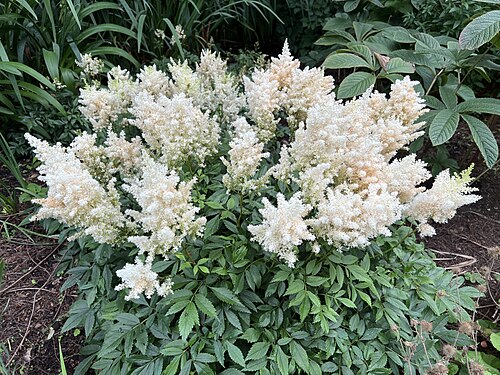
- Ground Layer: This is where the majority of your shade perennials, smaller shrubs, and groundcovers will reside. Hostas, Heuchera, Astilbe, Epimedium, and various ferns are excellent choices for this layer.
- Groundcovers: Don't forget plants that spread to cover bare soil, suppressing weeds and adding a lush carpet. Ivy, Vinca (periwinkle), Ajuga, and moss are classic shade groundcovers.
Quick Reference: Shade Garden Plant Ideas
Here's a quick look at some reliable plants that thrive in various shade conditions, focusing on foliage, texture, and subtle blooms.
| Plant Name | Light Preference | Key Features |
|---|---|---|
| Hosta | Partial to Full | Huge variety of leaf shapes, sizes, and colors. |
| Ferns | Partial to Full | Delicate, architectural fronds; diverse textures. |
| Heuchera | Partial to Full | Striking foliage colors (purple, amber, lime). |
| Astilbe | Partial to Full | Feathery plumes of flowers; fern-like foliage. |
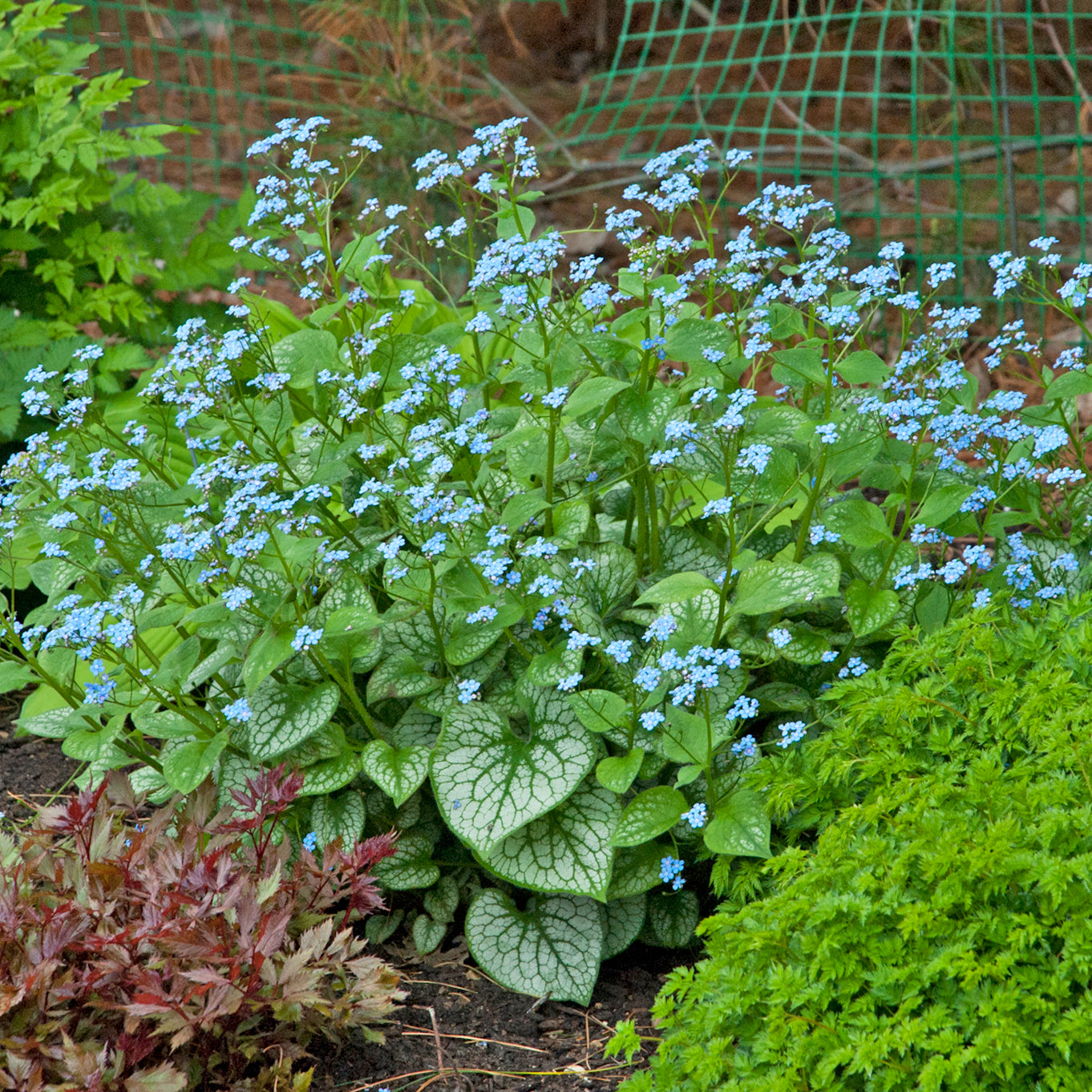
| Brunnera | Partial to Full | Heart-shaped leaves, often variegated; blue flowers. |
| Pulmonaria | Partial to Full | Spotted or silver foliage; early spring flowers. |
| Hydrangea | Partial to Full | Large, showy flowers; some tolerate deep shade. |
| Epimedium | Partial to Full | Delicate flowers; attractive foliage, good groundcover. |
| Lamium | Partial to Full | Variegated foliage; excellent groundcover. |
| Liriope | Partial to Full | Grass-like foliage; purple flower spikes. |
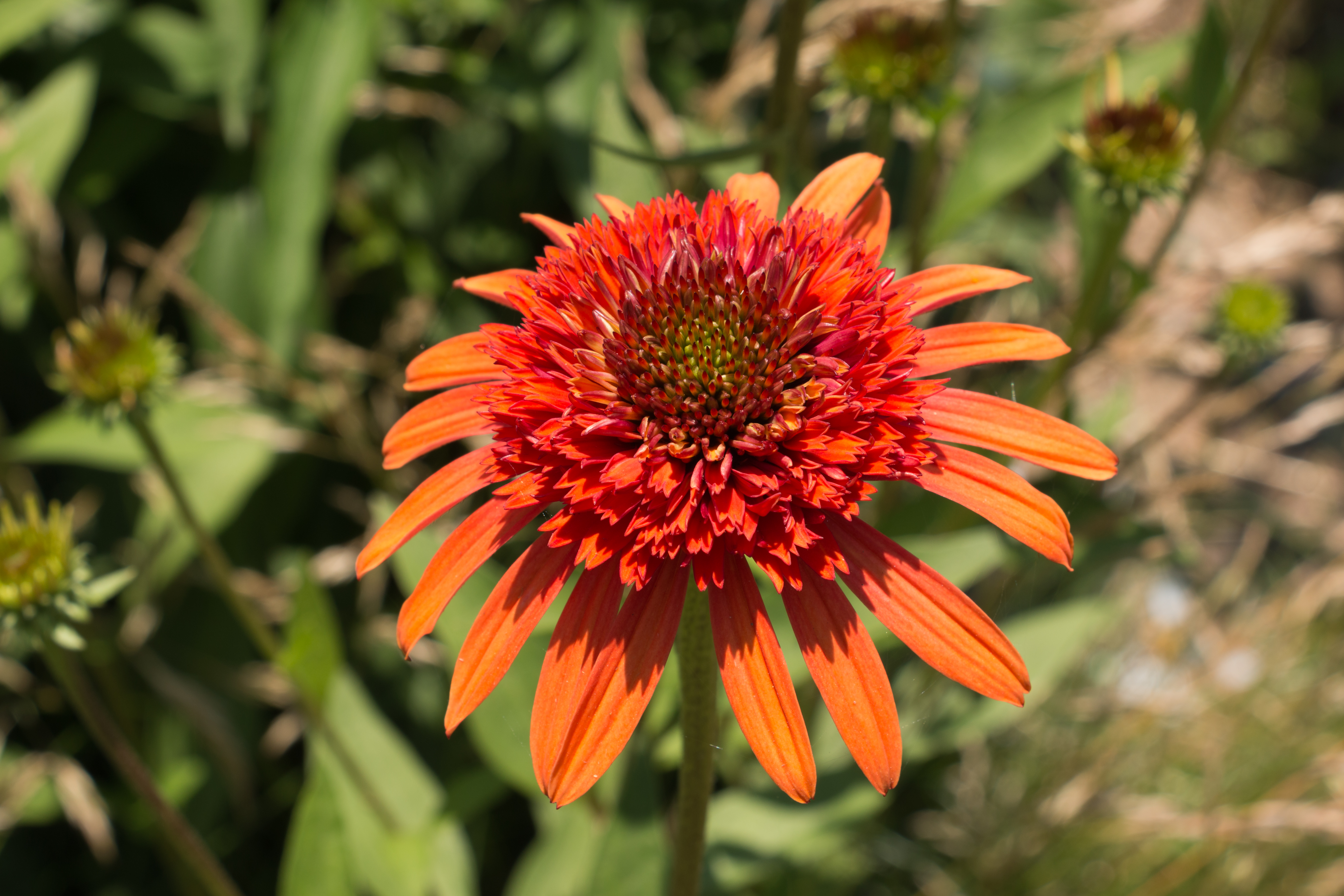
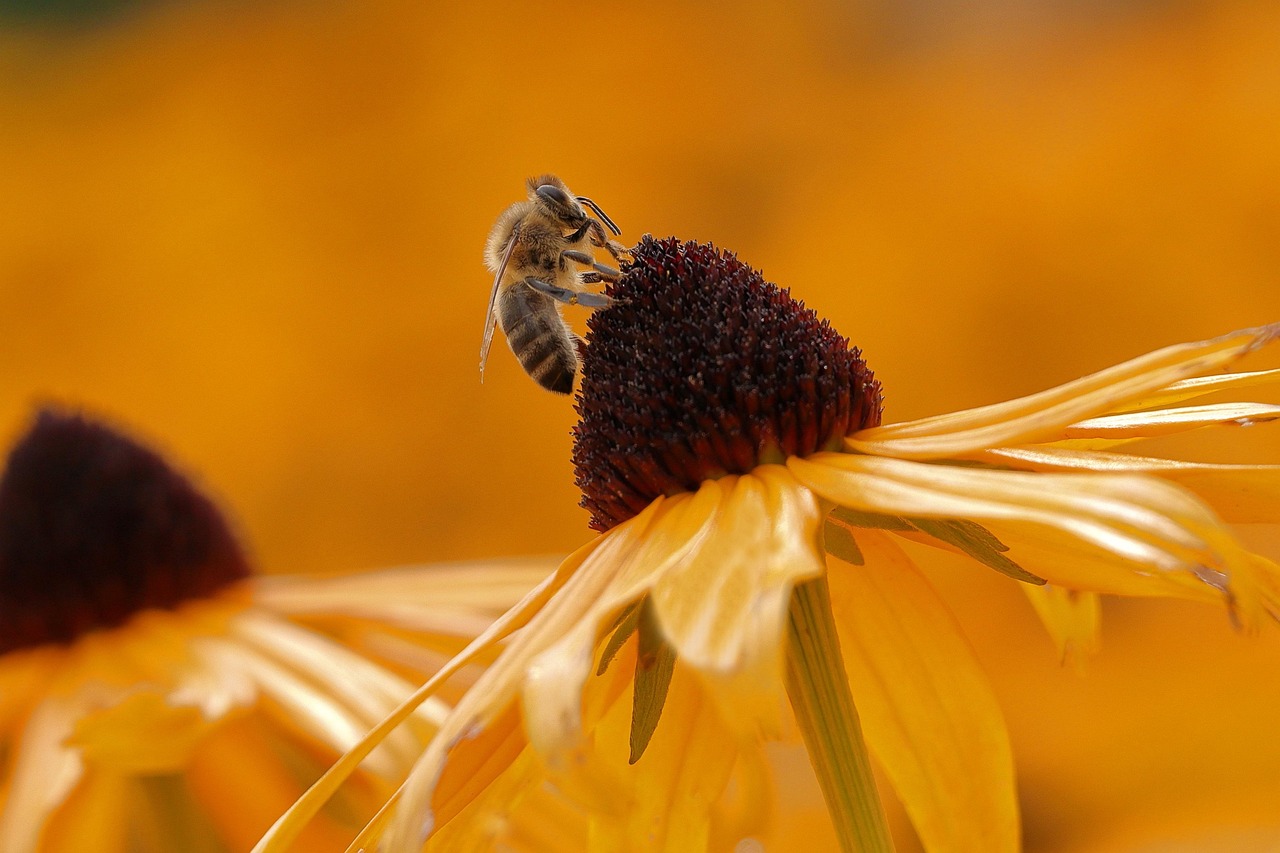
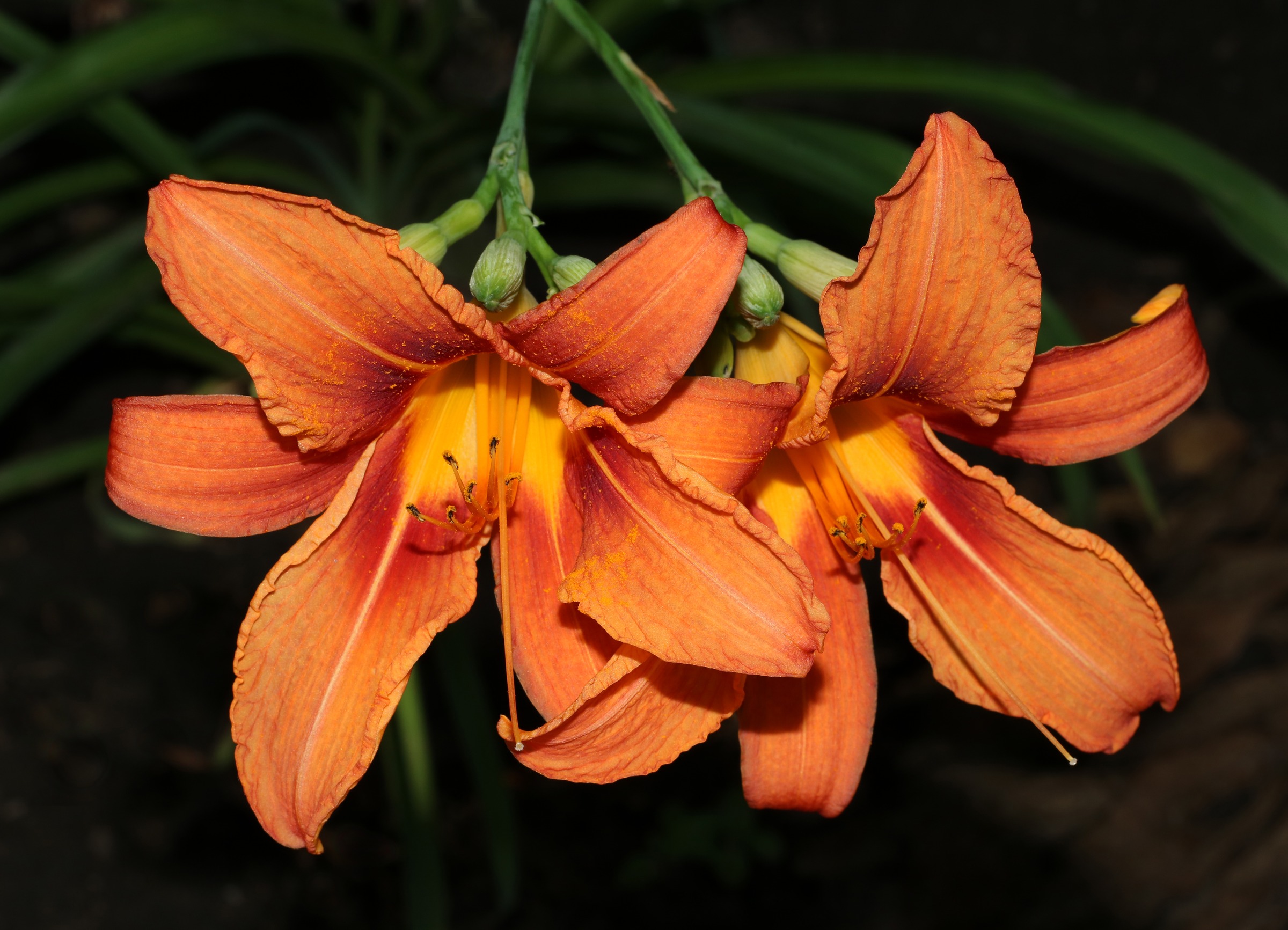
Daylily Black-eyed Susan Coneflower
Note: While some of the plants listed above are traditionally sun-loving, certain varieties or specific growing conditions (e.g., morning sun only, ample moisture) can allow them to tolerate partial shade. Always check specific plant tags for exact light requirements.
Incorporating Hardscaping and Features
Shade gardens often benefit greatly from thoughtful hardscaping and decorative elements that provide structure and interest, especially in areas where plant growth might be challenging.
- Paths and Patios: Winding paths made of stepping stones, gravel, or pavers invite exploration and define garden areas. A small patio or seating area can become a peaceful retreat.
- Water Features: The sound of trickling water is incredibly soothing in a shaded environment. A small pond, fountain, or bird bath can add a focal point and attract wildlife.
- Statuary and Art: A well-placed statue, sculpture, or even a decorative bench can draw the eye and add personality to your shade garden.
- Containers: Potted plants can add pops of color and allow you to experiment with different plant combinations. They're also useful for areas where planting directly in the ground is difficult due to roots or poor soil.
- Lighting: Subtle garden lighting can transform your shade garden into a magical space after dusk, highlighting key features and creating ambiance.
Soil and Moisture: Critical for Shade Success
Shade gardens often present unique challenges regarding soil and moisture.
- Soil Quality: Under trees, soil can be depleted of nutrients and compacted by roots. Amend heavy clay or sandy soils with plenty of organic matter like compost, leaf mold, or aged manure to improve drainage, aeration, and fertility.
- Moisture: While shade reduces evaporation, tree roots are highly competitive for water. Many shade plants prefer consistently moist but well-drained soil. You may need to water more frequently than you'd expect, especially during dry spells. Consider installing drip irrigation for efficient watering.
- Drainage: Conversely, deep shade can also lead to perpetually wet, boggy conditions if drainage is poor. If this is the case, consider raising beds or selecting plants that tolerate wet feet.
Pet Safety in the Shade Garden
When selecting plants for your shade garden, especially if you have curious pets, it's always wise to consider their potential toxicity. While many beautiful shade plants are not listed as toxic, some common ones can be.
If you suspect your pet has ingested a toxic plant, call the ASPCA Animal Poison Control Center immediately at (888) 426-4435.
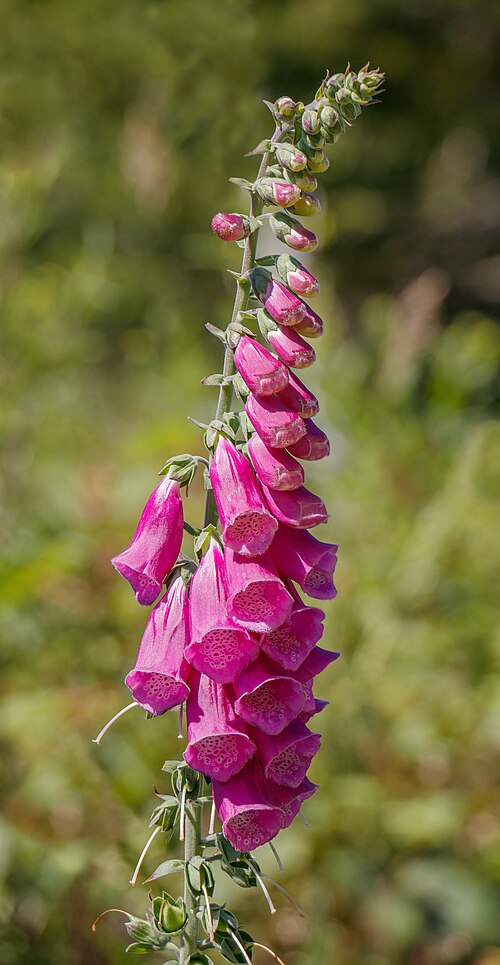
Many popular shade plants like Hostas, Hydrangeas, and Foxgloves are listed as toxic to pets. However, there are numerous beautiful options that are not listed as toxic, such as some ferns (e.g., Boston Fern, Maidenhair Fern), Impatiens, and certain varieties of Astilbe. Always do your research on specific plant varieties to ensure they align with your pet-safe gardening goals.
Conclusion: Embrace the Beauty of the Shade
Designing a shade garden is a rewarding experience that allows for creativity and a deep appreciation for plants that thrive in softer light. By understanding your specific shade conditions, focusing on the incredible diversity of foliage, layering plants for depth, and incorporating thoughtful hardscaping, you can create a tranquil, beautiful, and vibrant low-light oasis. Don't let shade be a deterrent; let it inspire a new dimension of gardening beauty in your yard.
Ready to find the perfect plants for your yard? Try the PlantWise Plant Finder →