To have forced bulbs in bloom on a target date, count backward: hardy bulbs such as tulips, daffodils, hyacinths, and crocus need about 12 to 16 weeks of cold at 35 to 45°F, then about 2 to 4 weeks of warmth and light to flower, while paperwhites and amaryllis need no cold at all and bloom roughly 4 to 6 and 6 to 10 weeks after planting. Write the start date for each pot on a label, check the fridge temperature, and stagger plantings every two weeks for a steady run of flowers.
Most forcing disappointments come from timing, not from bad bulbs. Bring a tulip out of the cold too early and you get short, stunted flowers buried in the leaves. Plant paperwhites the same day as your tulips and the paperwhites finish weeks before the tulips start. A simple calendar fixes both problems.
Chill weeks and bloom weeks by bulb
These are typical ranges. Varieties differ, so read the bag and favor the longer end of the chill range if you are unsure.
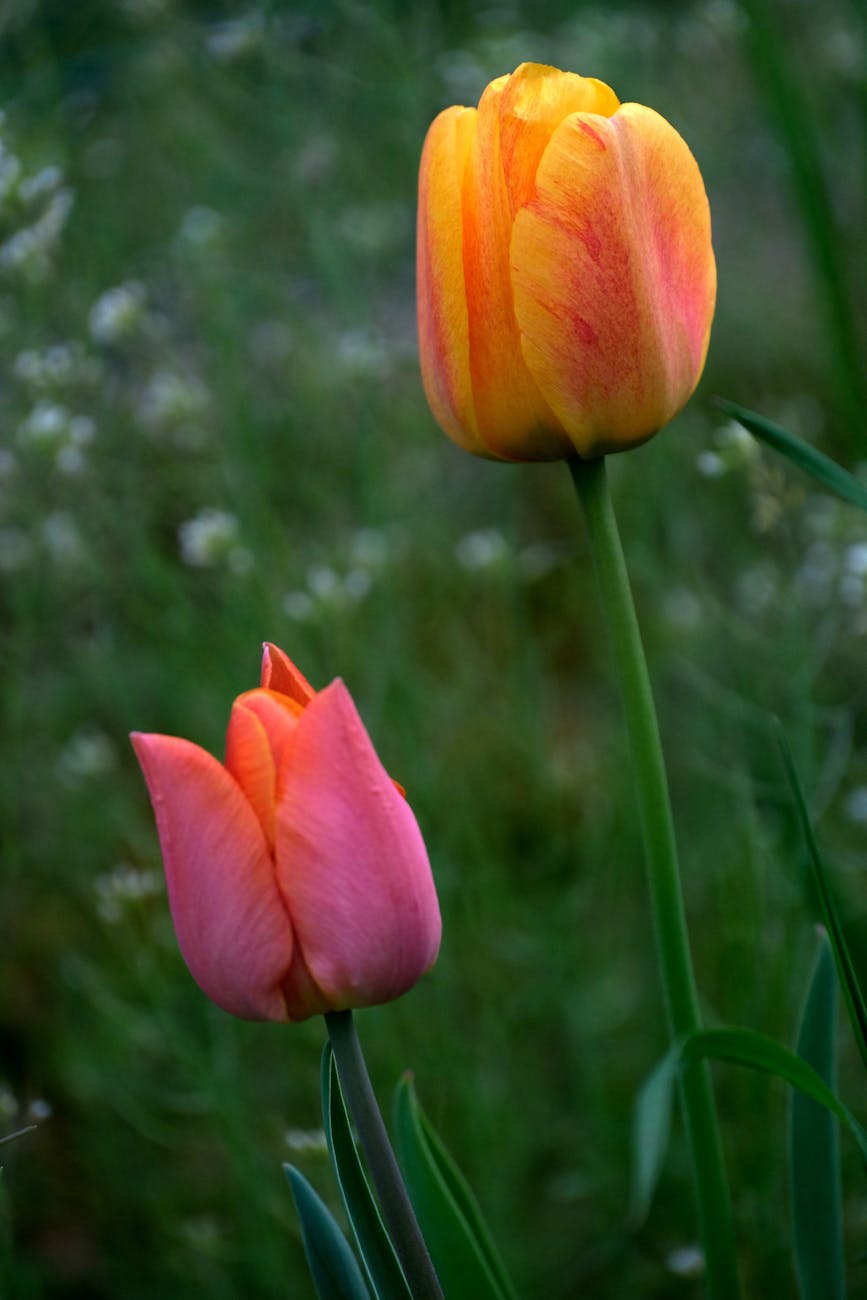
- Tulips: 14 to 16 weeks of cold, then 3 to 4 weeks to bloom. Early, short varieties force best.
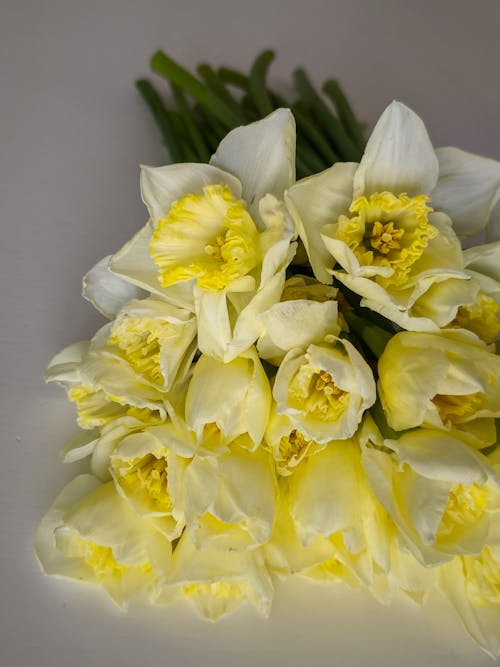
- Daffodils: 14 to 16 weeks of cold, then 2 to 3 weeks. Small types such as 'Tete a Tete' are reliable.
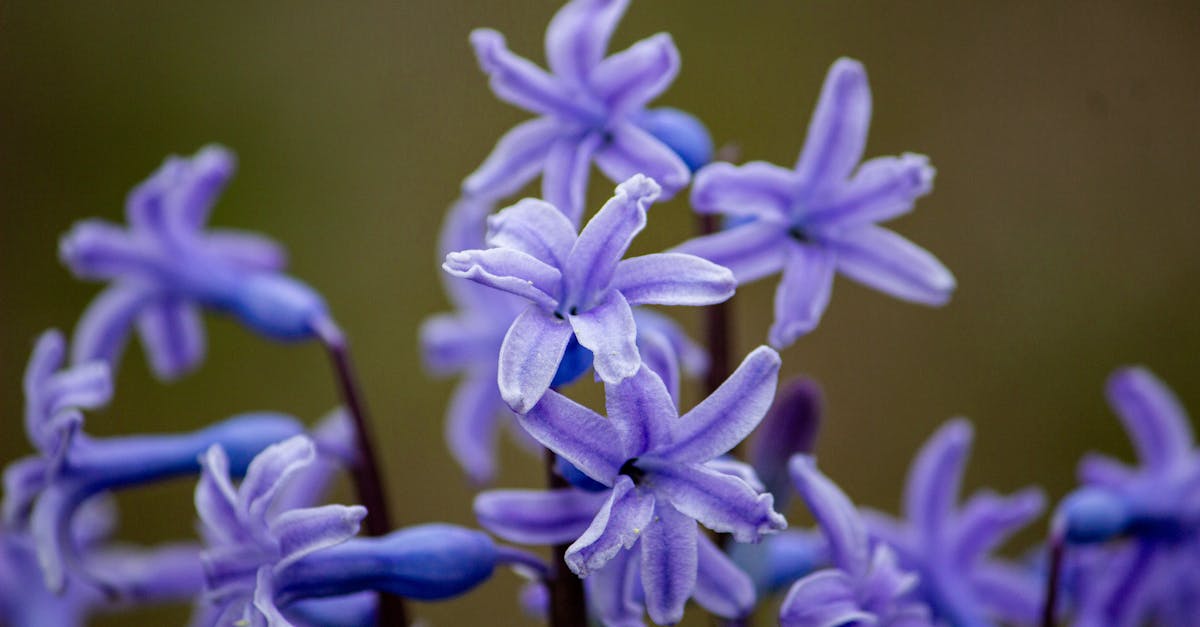
- Hyacinths: 11 to 14 weeks of cold, then 2 to 3 weeks. Prepared (pre chilled) bulbs can need less. See forced hyacinth jars.
- Crocus and grape hyacinth (muscari): about 13 to 15 weeks of cold, then 2 to 3 weeks. See crocus indoor forcing dishes.
- Dwarf iris (Iris reticulata): about 13 to 15 weeks of cold, then 2 weeks.
- Paperwhites: no cold. About 4 to 6 weeks from planting to flowers. See paperwhite narcissus for indoor forcing.
- Amaryllis: no cold. About 6 to 10 weeks from planting, sometimes longer for large bulbs. See forced amaryllis bulbs.
🌱 Get Personalized Plant Picks
Answer a few quick questions and we’ll match plants to your exact yard conditions.
Find My Plants →Count back from the date you want
Pick the week you want flowers, then subtract the bloom weeks and the chill weeks. For example, for tulips in bloom in mid February, subtract about 3 weeks of warmth to reach late January, then about 15 weeks of cold to reach early October. That is the week to pot and start chilling them. Hyacinths for the same date can start in late October.
For a run of color across the coldest months, start a few pots every two weeks instead of all at once. Do the same with paperwhites and amaryllis on the no chill side: a new pot every two to three weeks from late fall onward keeps something flowering on the windowsill for weeks.
Shop bulb chilling supplies on Amazon
A refrigerator thermometer to keep chilling bulbs in the right range, paper bags for storage, and waterproof labels for start and finish dates. We may earn a commission at no extra cost to you.
Amazon · Refrigerator thermometer Amazon · Brown paper bags Amazon · Waterproof plant labels
How to chill bulbs safely
Pot hardy bulbs in a well drained mix with their tips just at or slightly above the surface, water them once, and then give them steady cold and darkness at 35 to 45°F.
- A spare refrigerator is the easiest option. Put a refrigerator thermometer inside and check it weekly. Below freezing damages the roots; above about 48°F the bulbs may not get enough chill.
- Keep bulbs away from ripening fruit. Apples and pears give off ethylene gas, which can damage the flower buds inside a bulb. Do not chill bulbs in the same drawer as fruit.
- An unheated garage, cellar, or cold frame works in many climates if it stays above freezing. Insulate pots with straw or bags of leaves, and keep mice away, since they eat tulip and crocus bulbs.
- Water lightly when the mix feels dry, roughly every couple of weeks. The pots should stay barely moist, never soggy.
Label every pot with the bulb type and the date it went into the cold. It is easy to lose track by the third month. If you garden where winters are mild, see pre chilled bulbs for mild winter zones.
Signs they are ready to come out
Bulbs are ready when the chill weeks are done, white roots show at the drainage holes, and the shoots are about 1 to 2 inches tall. Bring them into a cool room around 50 to 60°F with indirect light for about a week, then move them to a bright, cool window. Turn the pots every few days so stems grow straight. Warm rooms shorten bloom time, so move flowering pots to a cool spot at night if you can.
Shop forcing pots and vases on Amazon
Clay pots with drainage for potted bulbs, an indoor potting mix, glass forcing vases, and decorative stones for bulbs grown in water. We may earn a commission at no extra cost to you.
Amazon · Clay pots with drainage Amazon · Indoor potting mix Amazon · Glass forcing vase Amazon · Decorative river rocks
After they bloom
Forced tulips and hyacinths rarely bloom well a second time indoors. Daffodils, crocus, and grape hyacinths can often be planted in the garden in spring, where they may recover and flower again in a year or two. Let the leaves keep growing in bright light, water lightly, and plant them out once the ground can be worked. Amaryllis can be kept growing as a houseplant and rebloomed. For bulbs that go straight into garden beds, see spring flowering bulbs to plant in fall.
Safety notes
Wear gloves when you handle tulip, hyacinth, and daffodil bulbs. Their skins and sap can irritate the skin, and hyacinth bulbs in particular can make hands itch. Wash your hands afterward. Label bulbs stored in a kitchen refrigerator clearly, since daffodil and other bulbs can be mistaken for onions or shallots and are poisonous to eat.
Pet notes
Most forcing bulbs are toxic to pets, and the bulbs themselves are the most dangerous part. The ASPCA lists tulips, hyacinths, daffodils and paperwhites (narcissus), and amaryllis as toxic to dogs and cats. Signs can include vomiting, drooling, and diarrhea, and daffodil bulbs can cause more serious problems if a pet eats a whole bulb. Spring crocus usually causes stomach upset, but autumn crocus (colchicum) is a different plant and is highly toxic. Keep chilling pots and bags of bulbs where pets cannot reach them, and keep forcing jars off low tables. If a pet chews a bulb or plant and seems unwell, call your veterinarian or the ASPCA Animal Poison Control Center at (888) 426-4435. See plants toxic to dogs and plants toxic to cats.
Bottom line
Pick the bloom date, subtract the bloom weeks and the chill weeks, pot and label each batch on that date, chill at 35 to 45°F away from fruit, and bring pots out once roots and shoots show. Start a new batch every two weeks and the windowsill stays in flower through the darkest months.
Related reading
- Forced hyacinth jars
- Crocus indoor forcing dishes
- Paperwhite narcissus for indoor forcing
- Forced amaryllis bulbs for indoor winter bloom
Ready to match plants to your location? Try the PlantWise Plant Finder →