Plants Toxic to Dogs: Complete Guide (ASPCA Reference)
Ensuring the safety of our canine companions is a top priority for any dog owner, and understanding which plants pose a risk is a crucial part of creating a safe home and garden environment. Many common and beautiful plants, both indoors and out, contain compounds that can be harmful, ranging from mild gastrointestinal upset to severe, life-threatening conditions if ingested by dogs. This complete guide will help you identify these plants, understand the risks, and know what to do in an emergency, referencing the expertise of the ASPCA.
🌱 Get Personalized Plant Picks
Answer a few quick questions and we’ll match plants to your exact yard conditions.
Find My Plants →Why Are Some Plants Toxic to Dogs?
Plants produce a wide array of chemical compounds, many of which serve as natural defenses against pests and herbivores. While these compounds might be harmless to humans or specific animals, they can be toxic to dogs due to differences in their metabolism, digestive systems, and body size. Even a small amount of a highly toxic plant can cause serious problems for a curious pup. Symptoms can vary widely depending on the plant, the amount ingested, and the dog's size and sensitivity.
What Should I Do If My Dog Eats a Toxic Plant?
If you suspect your pet has ingested a toxic plant, call the ASPCA Animal Poison Control Center immediately at (888) 426-4435. Time is often of the essence. While waiting for professional advice, try to identify the plant your dog ate. If possible, take a sample of the plant with you to the vet, as this can greatly assist in diagnosis and treatment. Do not try to induce vomiting unless specifically instructed to do so by a veterinarian or poison control expert, as this can sometimes cause more harm than good depending on the substance ingested.
Quick Reference: Common Highly Toxic Plants for Dogs
This is not an exhaustive list, but highlights some of the most frequently encountered plants with significant toxicity.
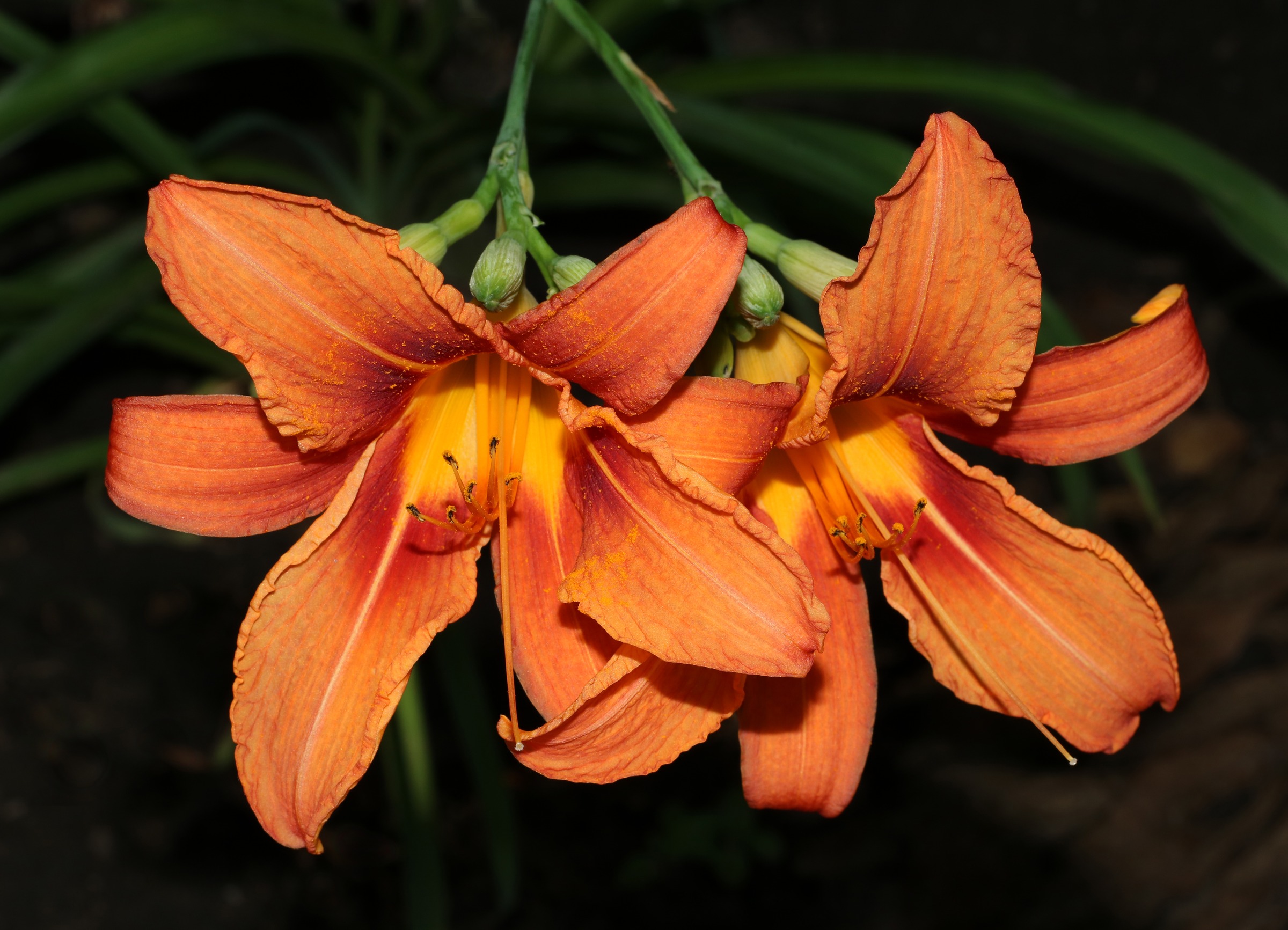
- Lilies (True Lilies & Daylilies): All parts are highly toxic, especially to cats, but can cause kidney failure in dogs. Daylily
- Sago Palm: Extremely toxic; ingestion of seeds, leaves, or bark can cause severe liver damage, vomiting, diarrhea, seizures, and death.
- Oleander: All parts are highly toxic, affecting the heart. Symptoms include nausea, vomiting, diarrhea, irregular heartbeat, and death.
- Azaleas & Rhododendrons: Contain grayanotoxins, which can cause vomiting, diarrhea, weakness, heart failure, and coma.
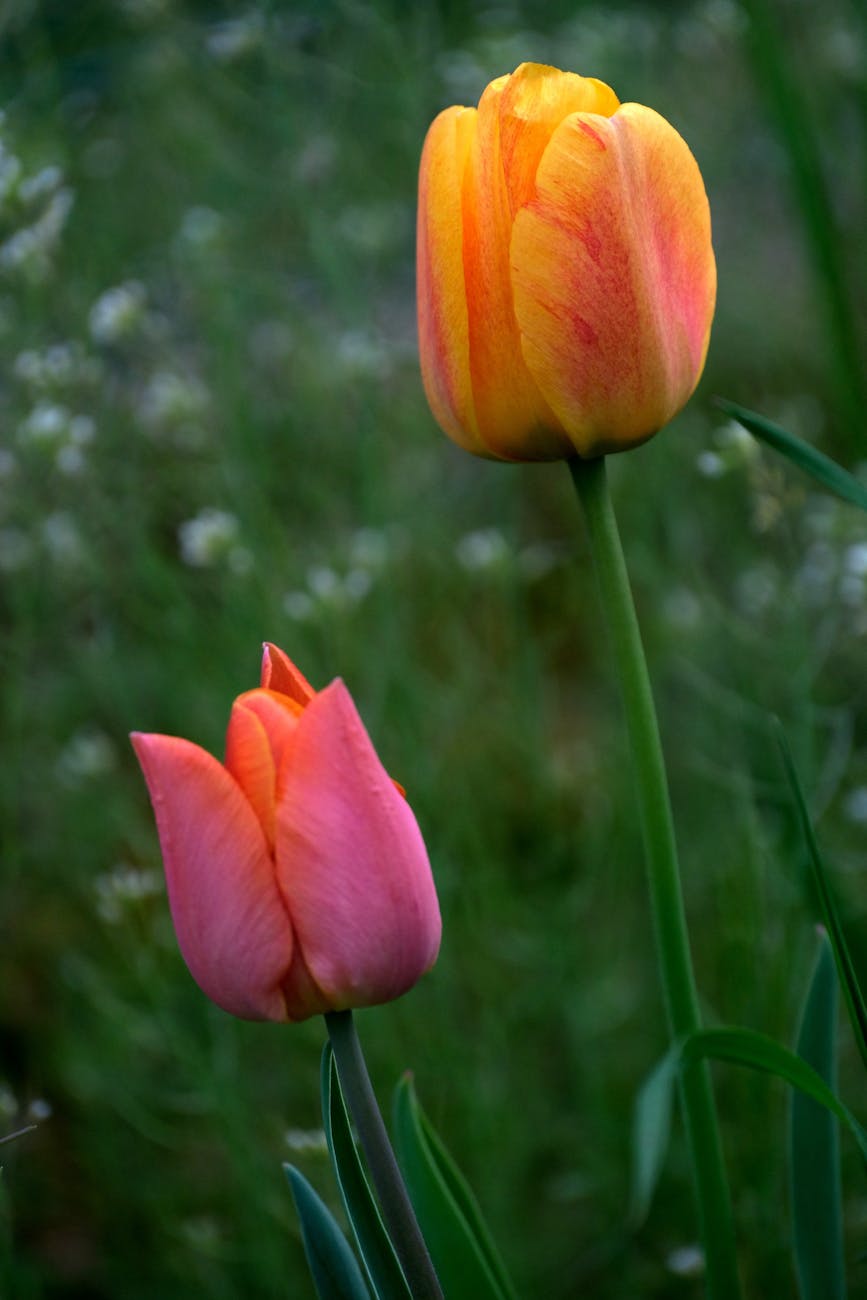
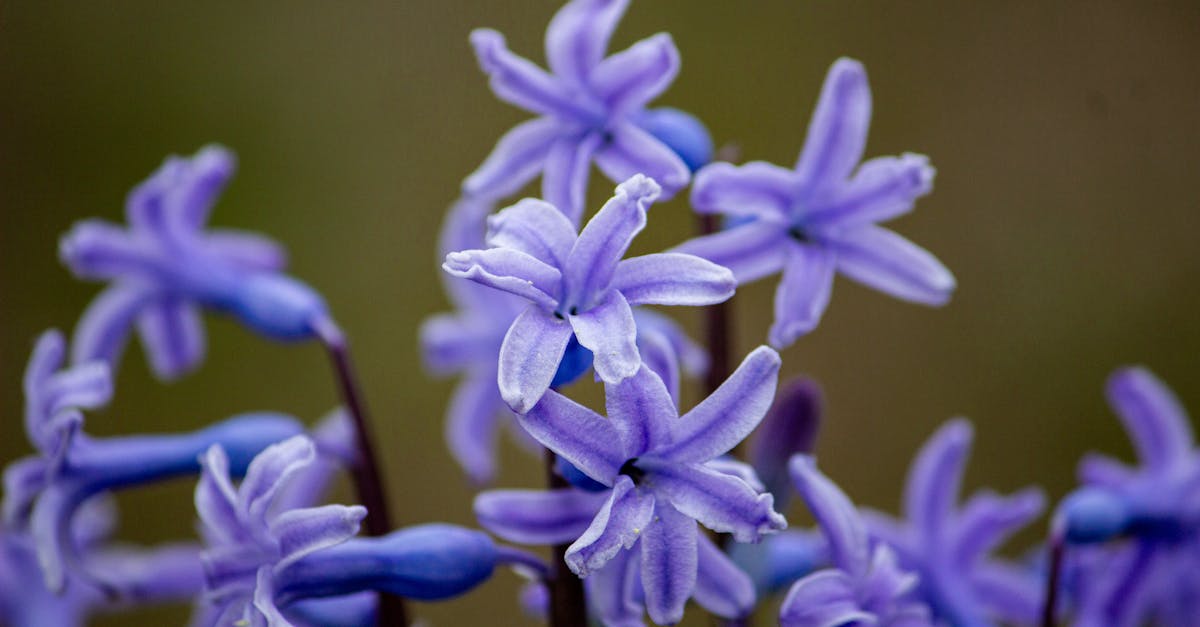
- Tulips & Hyacinths: The bulbs are the most toxic part, causing severe gastrointestinal upset, drooling, and difficulty breathing.
- Autumn Crocus: Contains colchicine, which can cause severe gastrointestinal upset, bone marrow suppression, and kidney/liver damage.
- Castor Bean: Contains ricin, one of the most potent toxins known. Ingestion of even a few seeds can be fatal.
- Marijuana (Cannabis): Can cause depression, vomiting, tremors, seizures, and coma.
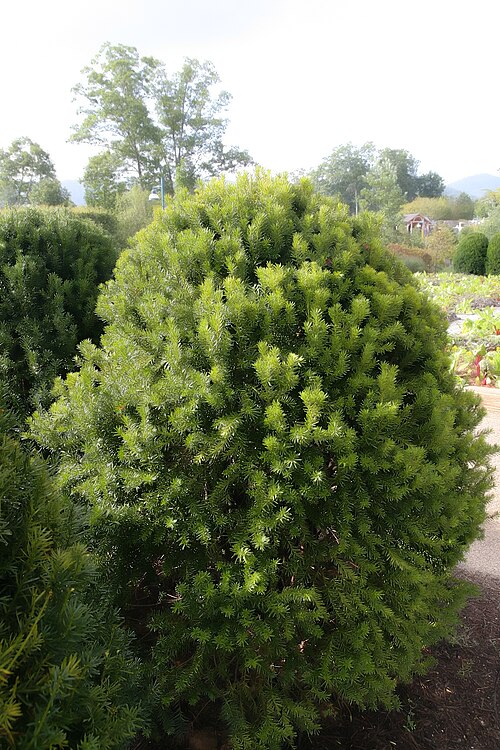
- Yew: All parts, especially the seeds, are highly toxic and can cause sudden death due due to heart failure.
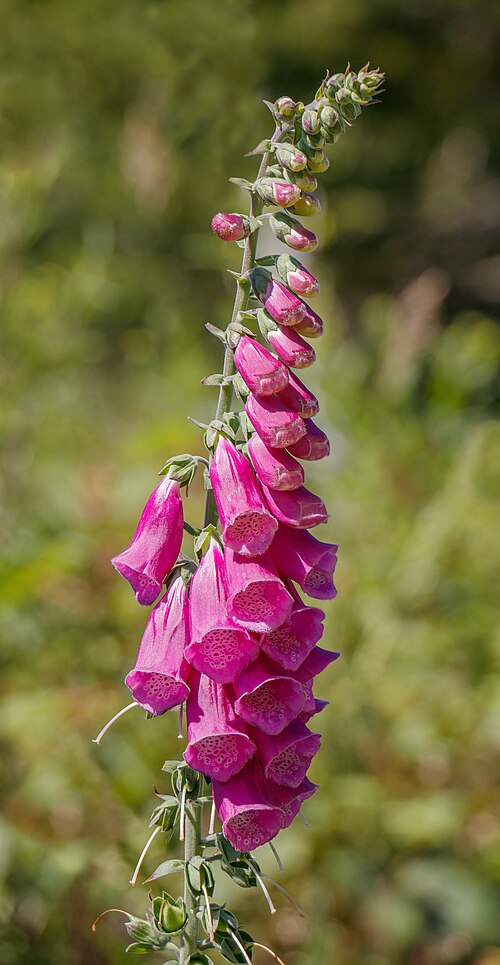
- Foxglove: Contains cardiac glycosides that can cause severe heart problems, vomiting, diarrhea, and death.
- Kalanchoe: Can cause gastrointestinal upset and cardiac glycoside poisoning, affecting the heart.
Are There Any Common Garden Plants That Are Not Listed As Toxic?
Yes, fortunately, many beautiful and popular garden plants are generally considered not listed as toxic to dogs. This means they are unlikely to cause serious harm if ingested, though any plant matter in large quantities can potentially cause mild stomach upset. Always observe your dog after they've eaten anything unusual.
Here are a few examples of garden favorites that are often considered safer choices:
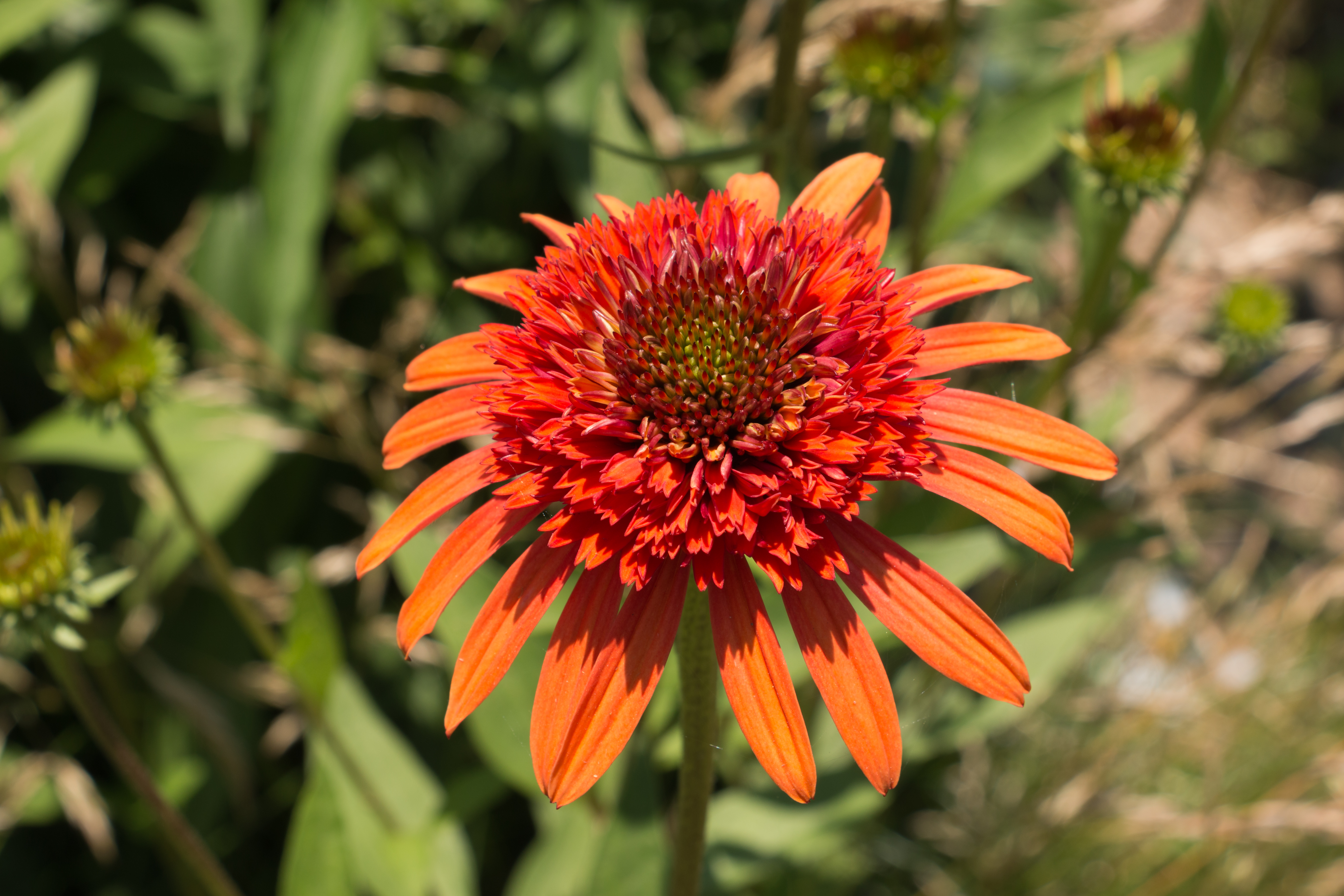
- Coneflower (Echinacea): Coneflower Known for its medicinal properties, generally not listed as toxic for dogs.
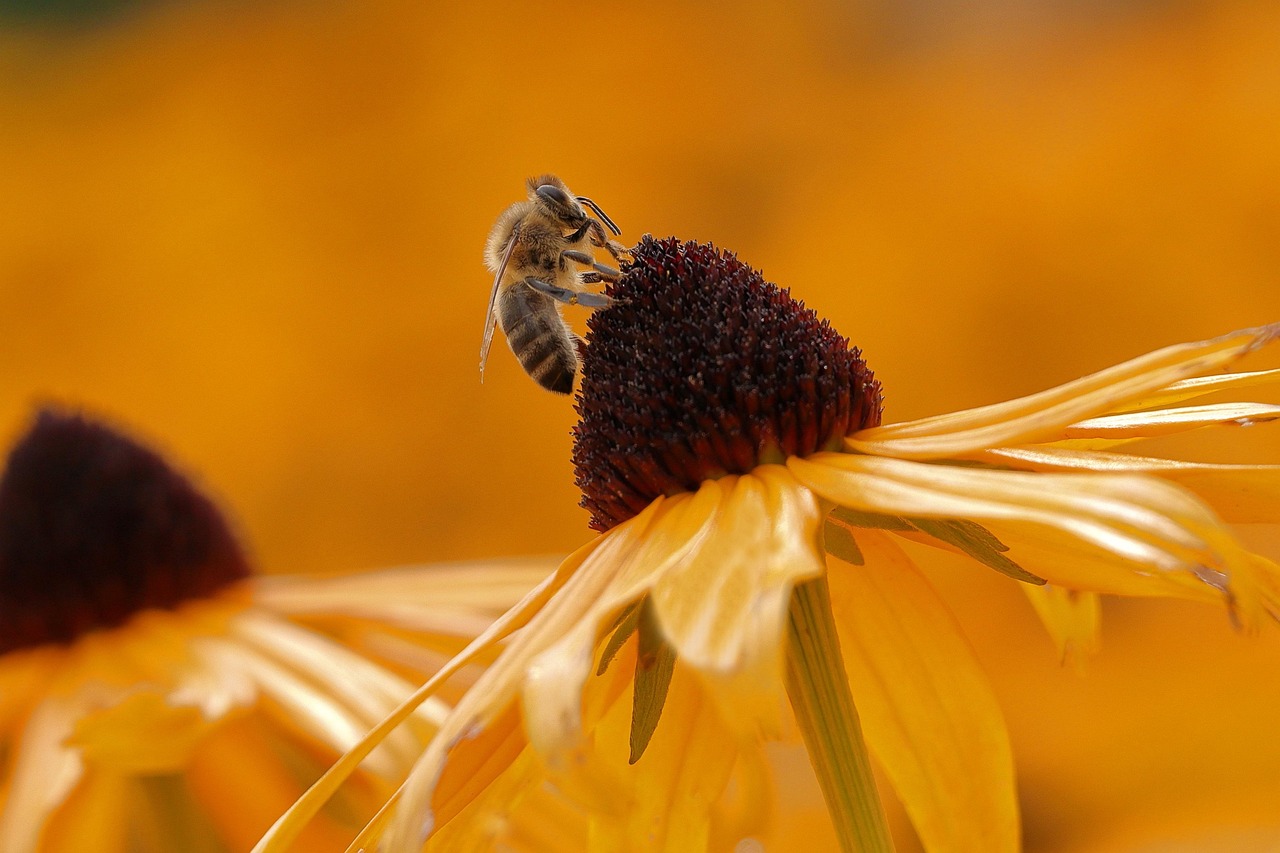
- Black-eyed Susan: Black-eyed Susan A cheerful perennial that typically poses no threat.
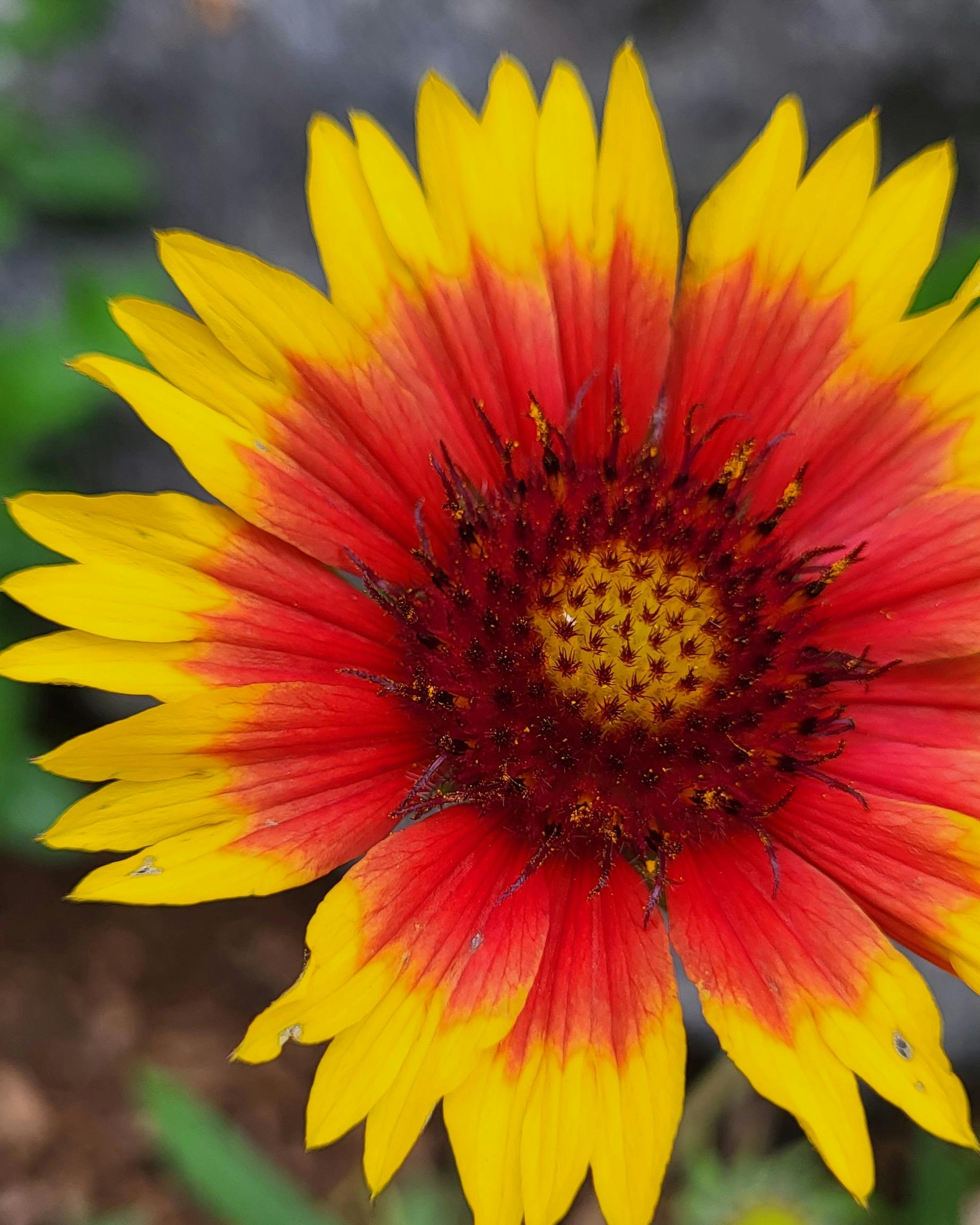
- Blanket Flower: Blanket Flower These vibrant flowers are a great choice for pet-friendly gardens.
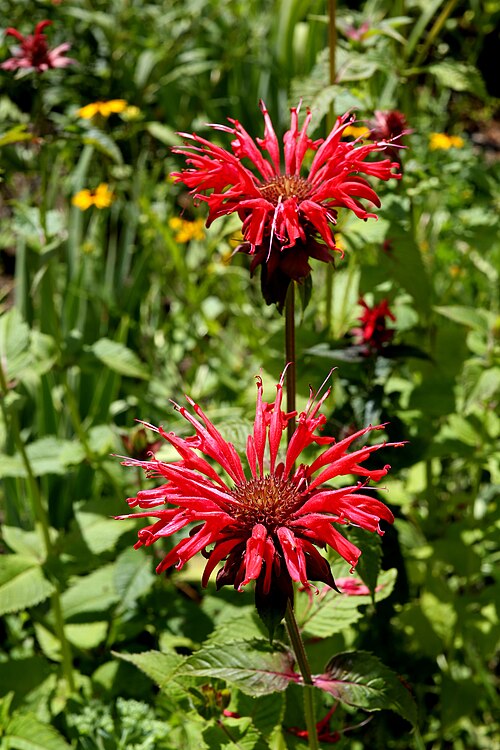
- Bee Balm: Bee Balm Attracts pollinators and is not listed as toxic to dogs.
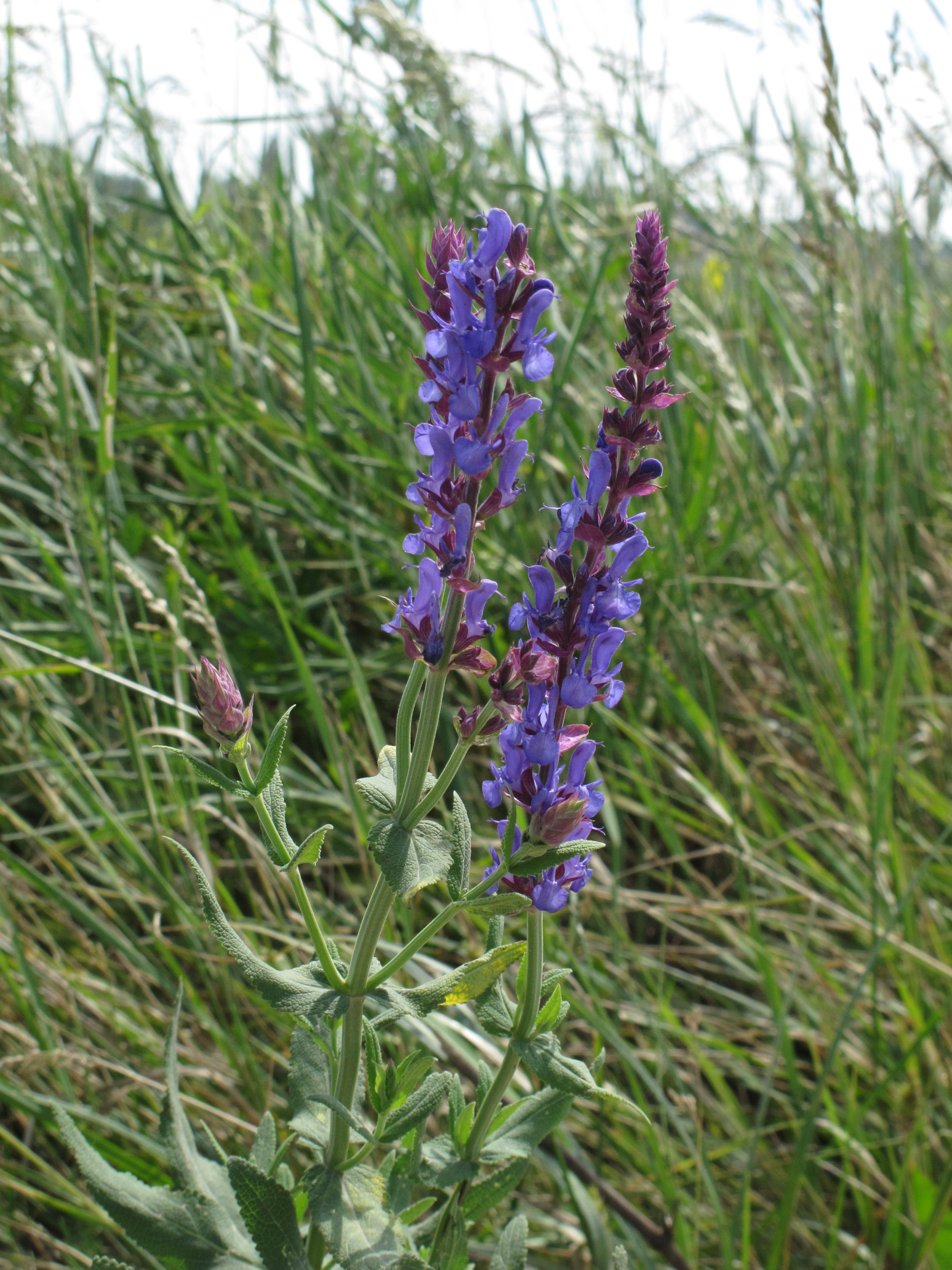
- Salvia: Salvia Many varieties are available and are generally considered safe.
Remember, even with "safe" plants, it's always best to discourage your dog from eating large quantities of any plant material, as it can still lead to an upset stomach.
How Can I Create a Pet-Friendly Garden?
Creating a safe haven for your dog doesn't mean sacrificing a beautiful garden. Here are some practical tips:
- Educate Yourself: Learn the names of all plants in your garden and research their toxicity.
- Remove or Relocate: If you have highly toxic plants, consider removing them or moving them to an area completely inaccessible to your dog.
- Fence Off Problem Areas: Use fencing or raised beds to create barriers around plants you can't remove.
- Supervise: Always supervise your dog, especially puppies, when they are in the garden.
- Provide Alternatives: Offer your dog safe chew toys and plenty of exercise to deter them from chewing on plants.
- Grow "Dog-Friendly" Zones: Dedicate a section of your yard to dog-safe plants and activities. You can even plant dog-specific herbs like catnip (for some dogs!) or wheatgrass.
- Choose Wisely: When buying new plants, always research their pet toxicity first. Many nurseries and garden centers can provide information, or you can check resources like the ASPCA's toxic plant list.
- Be Mindful of Indoor Plants: Don't forget about houseplants! Many common indoor plants, such as Peace Lily, Pothos, and Philodendron, are toxic. Place them out of reach or choose non-toxic alternatives.
What Are Some Common Symptoms of Plant Poisoning in Dogs?
Symptoms can vary widely depending on the plant and the amount ingested, but here are some common signs to watch for:
- Gastrointestinal: Vomiting, diarrhea, excessive drooling, abdominal pain, loss of appetite.
- Neurological: Weakness, lethargy, tremors, seizures, disorientation, uncoordinated movements.
- Cardiovascular: Irregular heartbeat, weakness, collapse.
- Dermatological: Skin irritation, redness, itching (from contact with certain plants).
- Respiratory: Difficulty breathing, coughing, sneezing.
- Urinary: Increased thirst, increased urination (indicating kidney issues).
- Other: Swelling of the mouth or throat, dilated pupils.
If you observe any of these symptoms and suspect plant ingestion, contact your vet or the ASPCA Poison Control Center immediately.
Final Thoughts on Pet Safety
Being a responsible pet owner means being proactive about potential dangers, and toxic plants are a significant one. By understanding which plants pose a risk and knowing what to do in an emergency, you can ensure your beloved canine companion stays safe and healthy in your home and garden.
Ready to find the perfect plants for your yard? Try the PlantWise Plant Finder →