Plants Toxic to Cats: Complete Guide (ASPCA Reference)
As cat owners, we want to ensure our beloved feline friends are safe and healthy in their environment. This includes being mindful of the plants we bring into our homes and gardens, as many common and beautiful species can be toxic to cats. Understanding which plants pose a risk and the symptoms of ingestion is crucial for preventing accidental poisonings. This complete guide will help you identify dangerous plants and provide essential information to keep your cat safe.
🌱 Get Personalized Plant Picks
Answer a few quick questions and we’ll match plants to your exact yard conditions.
Find My Plants →Why Are Some Plants Toxic to Cats?
Cats are naturally curious creatures, and their instinct to explore often involves sniffing, nibbling, or playing with plants. Unlike dogs, who might ingest larger quantities, even a small bite of a toxic plant can cause significant issues for a cat due to their smaller size and unique metabolism. Many plants contain compounds (like oxalates, cardiac glycosides, or alkaloids) that are harmless to humans but can be highly irritating or even life-threatening to felines.
What Are the Most Common Toxic Plants for Cats?
The list of plants toxic to cats is extensive, but some are more commonly encountered in homes and gardens. It's important to be aware of these frequent offenders. Here's a quick reference to some of the most dangerous, followed by more details:
Quick Reference: Highly Toxic Plants for Cats
- Lilies (True Lilies & Daylilies): Extremely toxic, can cause acute kidney failure.
- Sago Palm: Highly toxic, causes liver failure.
- Tulips & Hyacinths (Bulbs): Can cause severe gastrointestinal upset, cardiac issues.
- Azaleas & Rhododendrons: Can cause vomiting, diarrhea, cardiovascular problems, coma.
- Oleander: Extremely toxic, affects the heart.
- Castor Bean: Contains ricin, highly toxic.
- Autumn Crocus: Can cause severe gastrointestinal upset, liver and kidney damage.
- Marijuana: Can cause depression, ataxia, vomiting, tremors.
- Cyclamen: Root tubers are highly toxic, causing severe vomiting, cardiac death.
- Kalanchoe: Can cause vomiting, diarrhea, heart rhythm abnormalities.
Detailed List of Toxic Plants
Here's a more comprehensive look at plants that are toxic to cats, categorized by the type of plant or common location:
Houseplants:
- Aloe Vera: While beneficial for humans, it can cause vomiting, diarrhea, lethargy in cats.
- Amaryllis: Contains phenanthridine alkaloids, causing vomiting, diarrhea, depression, tremors.
- Chrysanthemum (Mums): Contains pyrethrins, causing gastrointestinal upset, drooling, incoordination.
- Cyclamen: The tubers are particularly toxic, leading to severe vomiting, diarrhea, and heart issues.
- Dieffenbachia (Dumb Cane): Contains insoluble calcium oxalates, causing oral irritation, pain, swelling, difficulty swallowing.
- Dracaena species (e.g., Corn Plant, Dragon Tree): Can cause vomiting (sometimes with blood), anorexia, depression, drooling.
- Kalanchoe: Can cause vomiting, diarrhea, and cardiac glycosides can affect heart rhythm.
- Lilies (Peace Lily, Calla Lily, Peruvian Lily): While "true lilies" are the most dangerous, these also contain insoluble calcium oxalates, causing oral irritation.
- Pothos (Devil's Ivy): Similar to Dieffenbachia, contains insoluble calcium oxalates.
- Sago Palm: Extremely toxic, even small ingestions can lead to liver failure, vomiting, bloody stools, seizures, and death.
- Schefflera (Umbrella Tree): Contains calcium oxalates, causing oral irritation.
- Spider Plant: Generally considered not listed as toxic, but may cause mild stomach upset in some cats if ingested in large quantities.
- ZZ Plant: Contains calcium oxalates, causing oral irritation.
Garden & Outdoor Plants:
- Azalea & Rhododendron: All parts are toxic, causing vomiting, diarrhea, weakness, cardiac issues, and potentially coma or death.
- Castor Bean: Contains ricin, a highly potent toxin. Even small amounts of seeds can be lethal.
- Autumn Crocus: Contains colchicine, which can cause severe gastrointestinal upset, liver and kidney damage, and bone marrow suppression.
- Daffodil: Bulbs are the most toxic part, causing severe vomiting, diarrhea, abdominal pain, and cardiac arrhythmias.
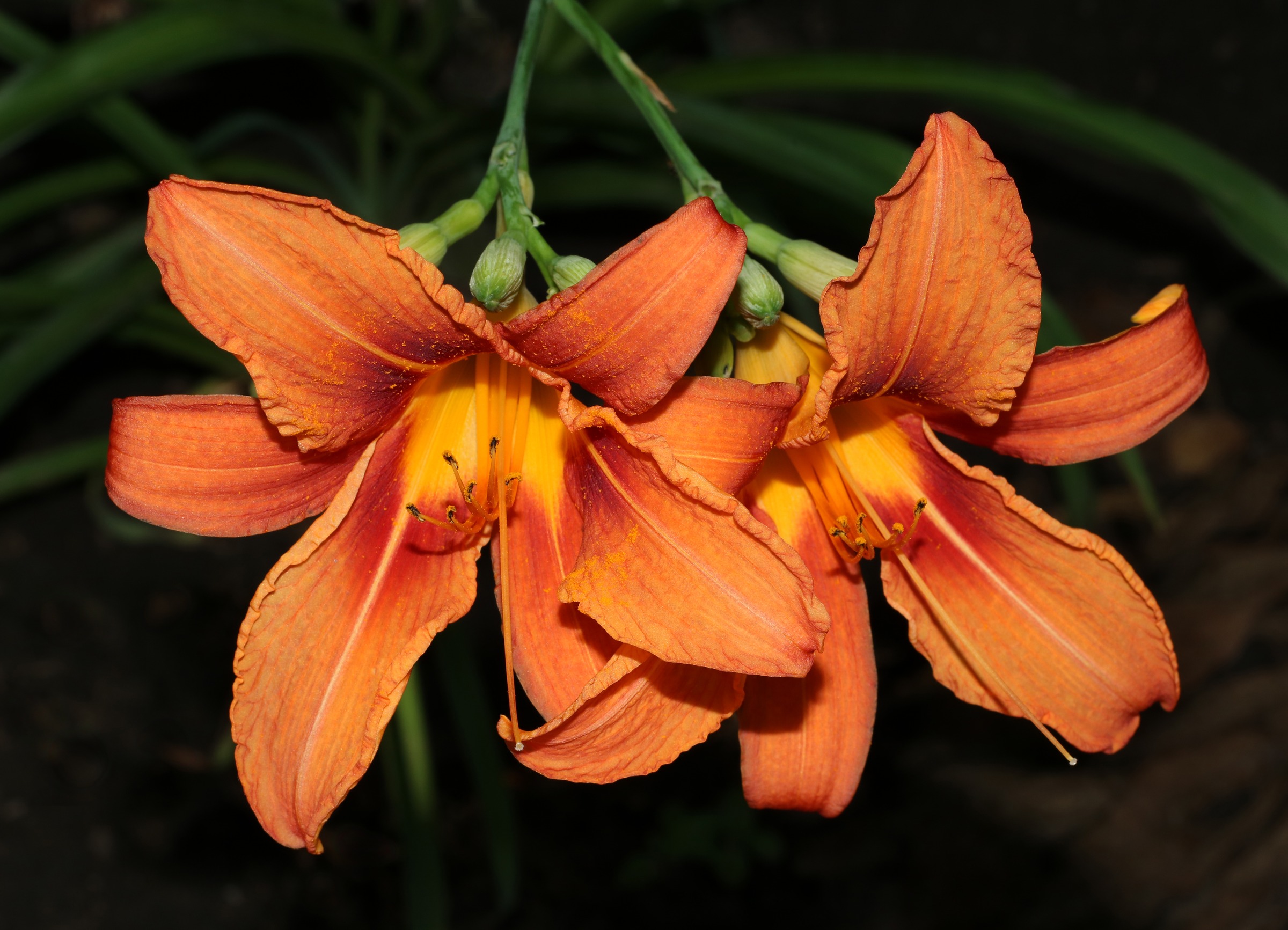
- Daylily: Daylily Extremely toxic to cats, causing acute kidney failure even with small ingestions.
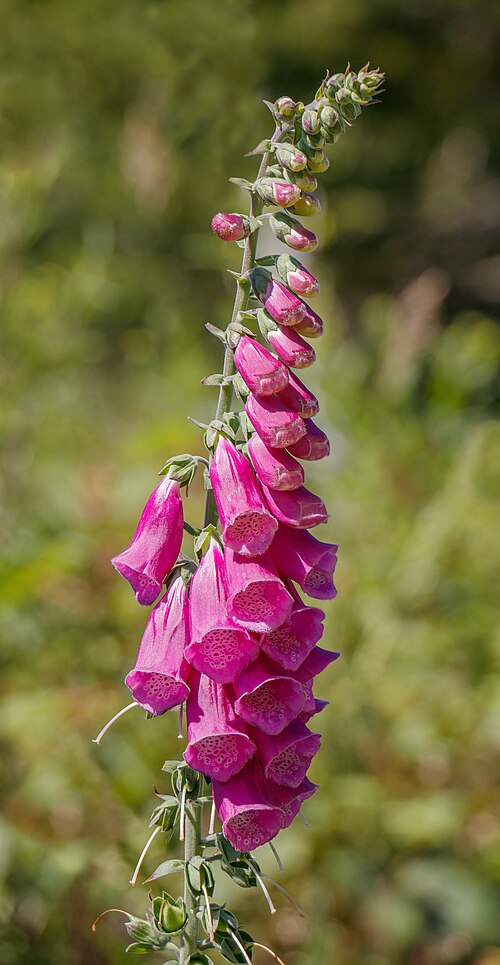
- Foxglove: Contains cardiac glycosides, affecting the heart and causing vomiting, diarrhea, weakness, and cardiac arrhythmias.
- Hyacinth: Bulbs are the most toxic part, causing severe gastrointestinal upset, tremors, and cardiac issues.
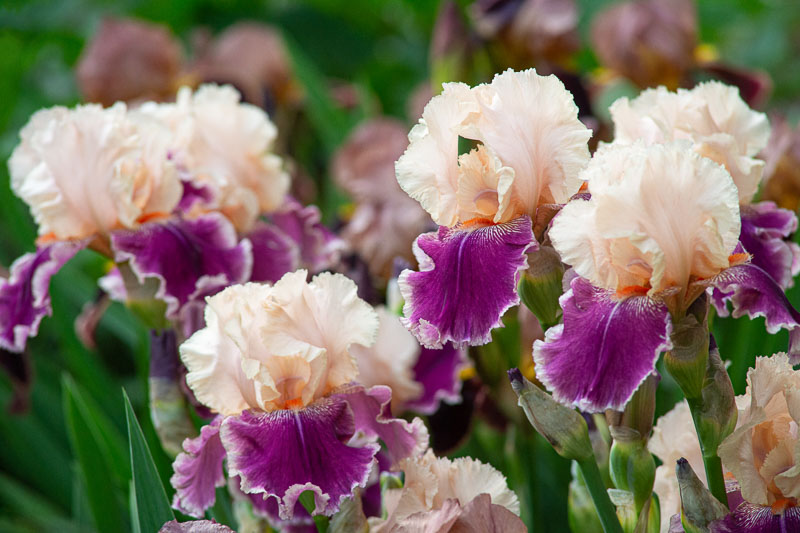
- Iris: Rhizomes can cause gastrointestinal upset.
- Lantana: Can cause vomiting, diarrhea, weakness, and liver failure.
- Lilies (True Lilies like Easter Lily, Tiger Lily, Asiatic Lily, Stargazer Lily): Daylily These are extremely toxic to cats. Ingestion of even small amounts (pollen, leaves, petals, or water from a vase) can lead to acute kidney failure and death if not treated promptly.
- Lily of the Valley: Contains cardiac glycosides, similar to Foxglove.
- Marijuana: Can cause depression, ataxia (wobbling), vomiting, tremors, and dilated pupils.
- Morning Glory: Seeds contain hallucinogenic compounds.
- Oleander: All parts are highly toxic, containing cardiac glycosides that can cause severe gastrointestinal upset, cardiac abnormalities, and death.
- Poison Ivy/Oak/Sumac: While not typically ingested, contact can cause skin irritation.
- Rhubarb: Leaves contain oxalates, causing oral irritation, kidney issues.
- Tomato Plant (Leaves & Stems): Contains solanine, causing gastrointestinal upset and lethargy. Ripe fruit is generally considered not listed as toxic.
- Tulip: Bulbs are the most toxic part, causing severe gastrointestinal upset, drooling, and cardiac issues.
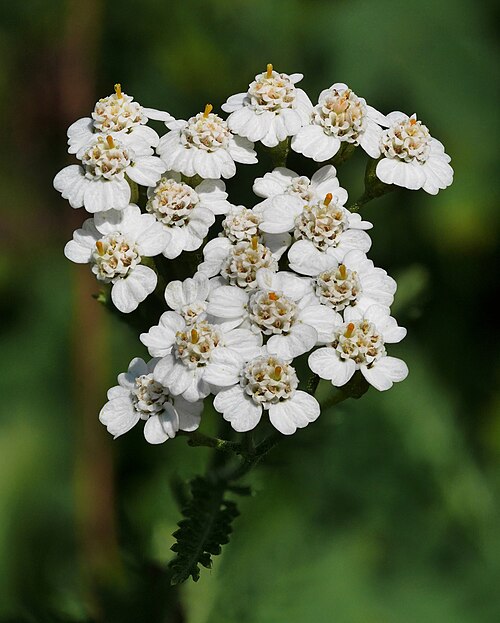
- Yew: Yarrow All parts are highly toxic, affecting the heart and nervous system.
What Should You Do If Your Cat Ingests a Toxic Plant?
If you suspect your cat has ingested a toxic plant, call the ASPCA Animal Poison Control Center immediately at (888) 426-4435. Time is of the essence in these situations.
Steps to take:
- Stay Calm: Panicking won't help your cat.
- Identify the Plant: If possible, identify the plant your cat ate. Take a photo or bring a sample with you to the vet.
- Call for Help: Contact your veterinarian or the ASPCA Animal Poison Control Center immediately. They can provide expert advice and guide you on the next steps.
- Do NOT Induce Vomiting: Unless specifically instructed by a vet or poison control, do not try to make your cat vomit. Some toxins can cause more harm coming back up.
- Observe Your Cat: Note any symptoms your cat is exhibiting (vomiting, diarrhea, lethargy, drooling, tremors, difficulty breathing, etc.). This information will be crucial for the professionals.
How Can You Prevent Your Cat from Eating Toxic Plants?
Prevention is always the best approach when it comes to pet safety.
- Research Before You Buy: Before bringing any new plant into your home or garden, research its toxicity to cats. The ASPCA website is an excellent resource.
- Choose Cat-Friendly Plants: Opt for plants that are not listed as toxic to cats. Some popular choices include:
- Elevate or Enclose: Place toxic houseplants out of reach on high shelves, in hanging baskets, or in rooms that your cat cannot access.
- Use Physical Barriers: For outdoor gardens, consider fencing or netting to keep curious cats away from dangerous plants.
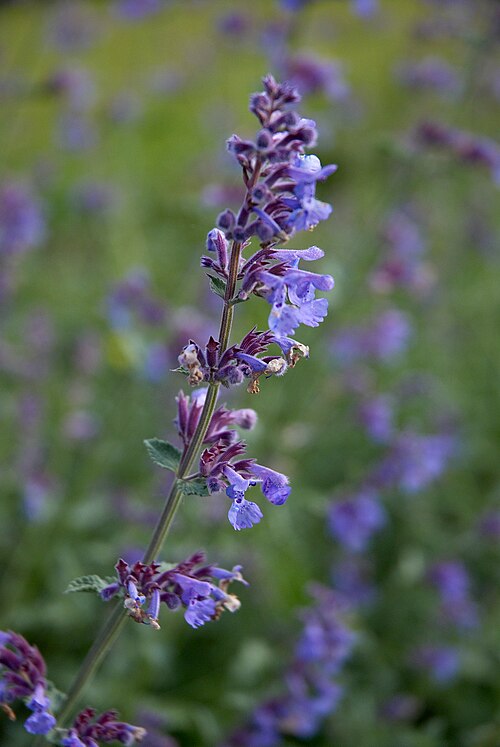
- Provide Alternatives: Offer your cat safe alternatives like cat grass (wheatgrass, oat grass, rye grass) or catnip to satisfy their chewing instincts.
- Supervise Outdoor Time: If your cat spends time outdoors, supervise them closely, especially if you have toxic plants in your yard or neighborhood.
- Educate Others: Inform family members, house-sitters, and gardeners about the plants that are dangerous to your cat.
By being informed and proactive, you can create a safer environment for your feline companion. Your cat's health and well-being are paramount, and a little knowledge goes a long way in preventing accidental poisonings.
Ready to find the perfect plants for your yard? Try the PlantWise Plant Finder →