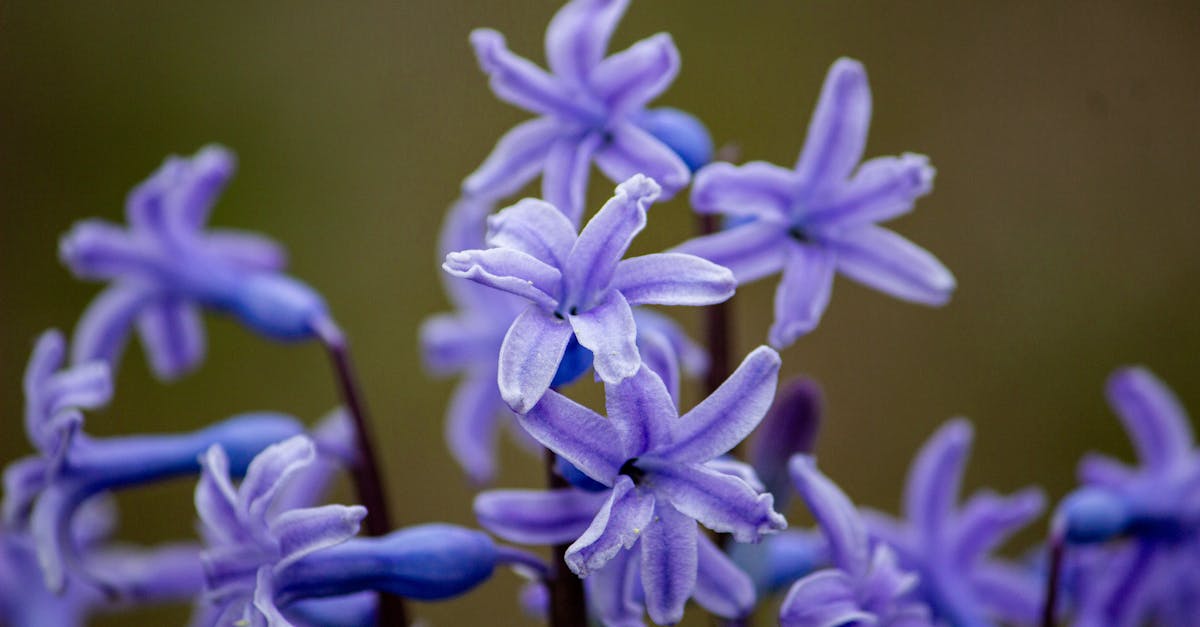
To force a hyacinth in a glass jar, chill the bulb at about 35 to 48°F for 10 to 14 weeks, then set it in a forcing vase with the water just below the base of the bulb - never touching it - and keep it cool and dark until roots fill the glass and the shoot is 2 to 3 inches tall. Then move it to bright, cool light, and it should flower in about three to four weeks with a scent that fills a room.
Hyacinths (Hyacinthus orientalis) are one of the easiest bulbs to grow in water because the bulb is large and stores everything it needs to bloom. The part people skip is the chill. Without enough cold, the flower spike stays short and opens down in the leaves, or the bulb never blooms at all.
Prepared bulbs vs regular bulbs
Some bulbs are sold as "prepared" or "pre-chilled" for forcing. These have already had part of their cold treatment and usually need only a few more weeks of chill before they root and bloom. Regular garden hyacinths need the full 10 to 14 weeks. Choose firm, heavy bulbs with no soft spots or mold, and plant or chill them soon after purchase. If you also grow bulbs outdoors in warm areas, see pre-chilled bulbs for mild winter zones.
🌱 Get Personalized Plant Picks
Answer a few quick questions and we’ll match plants to your exact yard conditions.
Find My Plants →How to chill bulbs at home
- Use a refrigerator, unheated garage, or cold basement that stays between about 35 and 48°F and does not freeze.
- Keep bulbs in a paper bag with the chill start date written on it. Paper breathes; plastic traps moisture and invites mold.
- Keep bulbs away from ripening fruit, especially apples and pears. The ethylene gas they release can damage the flower bud inside the bulb.
- Check temperature with a fridge thermometer. Many kitchen fridges run colder than people expect near the back wall.
You can also chill the bulb already sitting in its jar. Set it up with water first, then place the whole jar in the fridge or a cold, dark space so roots grow during the chill. Top up the water as roots drink it.
Shop forcing vases and chilling helpers on Amazon
Classic glass forcing vases that hold a bulb above the water, a fridge thermometer to check chill temperature, and paper bags for storing bulbs while they chill. We may earn a commission at no extra cost to you.
Amazon · Glass forcing vase for bulbs Amazon · Refrigerator thermometer Amazon · Brown paper bags
Setting up the jar
- Fill the vase so the water line sits about a quarter to a half inch below the bottom of the bulb. Roots will reach down; the bulb base must stay dry or it rots.
- Set the bulb pointed end up in the cup of the vase.
- Keep it cool and dark at roughly 40 to 50°F while roots grow. A paper cone over the bulb helps if your chilling spot gets some light.
- Change the water every week or two, or whenever it looks cloudy, so it stays fresh.
When white roots fill much of the glass and the green shoot is about 2 to 3 inches tall, the bulb is ready for light.
Bringing it into bloom
Move the jar to a cool room first, with indirect light, for a few days so the yellowish shoot turns green. Then give it bright light, out of direct hot sun. Cooler rooms, around 60 to 65°F, give sturdier stems and longer-lasting flowers. Very warm rooms make tall, floppy spikes that fall over. Turn the jar every few days so the stem grows straight. If the spike gets top-heavy, slip a thin stake into the glass beside it.
Stagger chill starts a week or two apart and you can have a new jar coming into bloom every couple of weeks for much of the cold months. Hyacinths pair well with other indoor bulbs like paperwhites forced indoors and forced amaryllis.
Shop handling and labeling supplies on Amazon
Nitrile gloves for handling bulbs, waterproof labels to date the chill start, and decorative stones if you prefer a pebble setup. We may earn a commission at no extra cost to you.
Amazon · Nitrile garden gloves Amazon · Waterproof plant labels Amazon · Decorative river rocks
After the flowers fade
Bulbs forced in water use up most of their stored energy and rarely force well a second time. You can plant them outdoors in spring after leaves yellow, where some recover and bloom again in a year or two, or compost them. For outdoor hyacinths and other fall-planted bulbs, see spring bulbs to plant in fall.
Safety and pet notes
Hyacinth bulbs can irritate skin. Wear gloves when handling them, and wash your hands afterward. Hyacinths are listed as toxic to dogs and cats by the ASPCA, with the highest concentration of irritants in the bulb. Chewing a bulb can cause drooling, vomiting, and diarrhea. Keep jars where pets and small children cannot tip them over, and never store bulbs in a fridge drawer where they could be mistaken for food. If a pet eats a bulb, call your veterinarian or the ASPCA Animal Poison Control Center at (888) 426-4435. See what to do if a dog eats a plant and what to do if a cat eats a plant.
Bottom line
Chill hyacinth bulbs 10 to 14 weeks at 35 to 48°F, away from fruit, then keep the water just below the bulb base in a forcing vase. Grow roots in the cool and dark, move to bright cool light when the shoot reaches 2 to 3 inches, and expect fragrant blooms in about a month.
Related reading
- Paperwhite narcissus indoor forcing
- Forced amaryllis bulbs for indoor winter bloom
- Forcing crocus bulbs indoors in shallow dishes
- Pre-chilled bulbs for mild winter zones
- Forced bulb timing for indoor bloom
Ready to match plants to your location? Try the PlantWise Plant Finder →