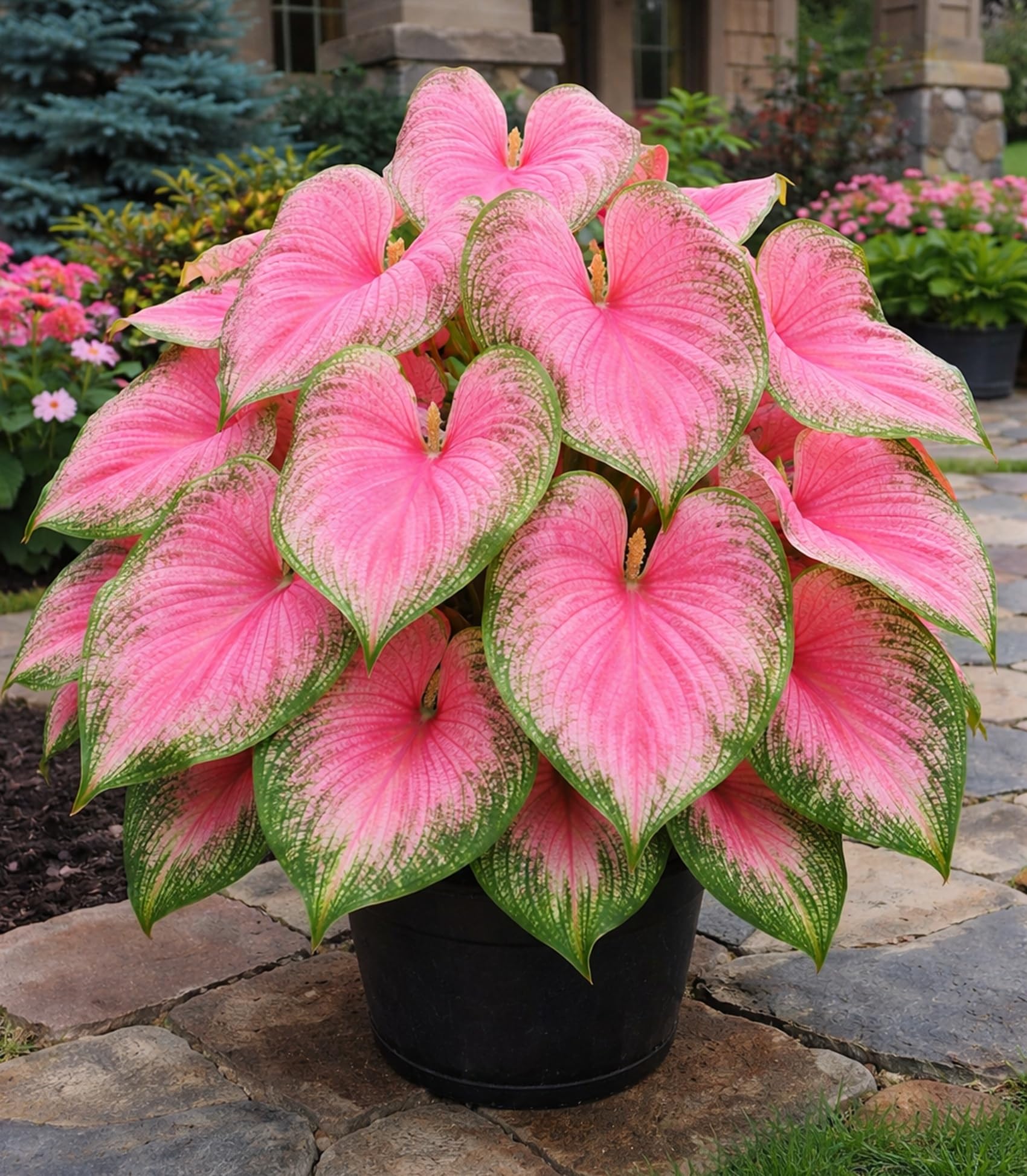
For a red, white, and blue container, pair one tall red or blue centerpiece with mounding white flowers and a trailing plant that spills over the edge, and plant it 3 to 4 weeks before the date you want it to look full. In full sun, reliable picks are red geraniums or red petunias, white petunias or sweet alyssum, and blue fan flower, blue salvia, or lobelia. In shade, use red begonias or impatiens, white impatiens or caladiums, and blue browallia or torenia. Use a pot at least 14 inches across with drainage holes, fresh potting mix, slow release fertilizer at planting, and water whenever the top inch of soil is dry.
Why plant ahead instead of buying it finished
Small starts need a few weeks to knit together and fill a pot. If you plant about a month before Memorial Day, a summer cookout, or the Fourth of July, the container looks full and settled on the day you want it, rather than spotty with bare soil between plants. Plant after your last frost has passed and nights stay above 50°F, since most of these flowers are frost tender. If you are not sure when that is, see when to plant after the last frost.
Planting ahead also gives you time to swap out anything that sulks. If one plant stalls or a color reads wrong next to the others, you can replace it while the rest of the pot keeps growing.
🌱 Get Personalized Plant Picks
Answer a few quick questions and we’ll match plants to your exact yard conditions.
Find My Plants →Red, white, and blue picks for sun
These like at least 6 hours of direct sun:
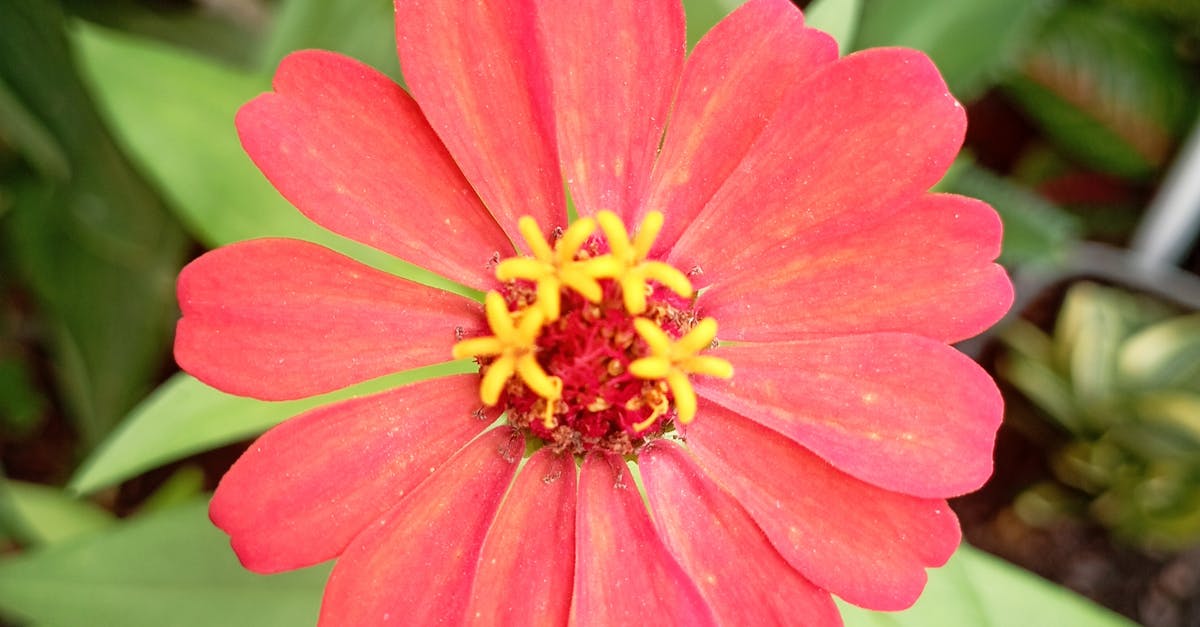
- Red: geraniums, petunias, calibrachoa, red salvia, verbena, and zinnias. Geraniums give a strong upright shape; calibrachoa and petunias mound and trail.
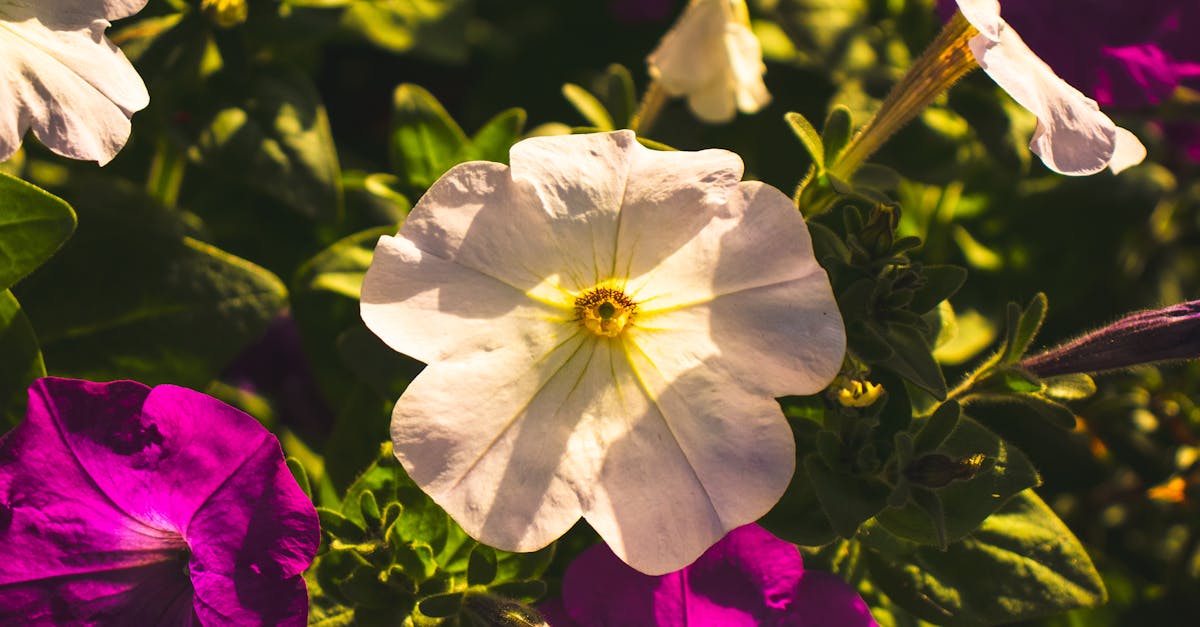
- White: petunias, sweet alyssum, bacopa, white verbena, and angelonia. Sweet alyssum softens the edge and adds a light scent.
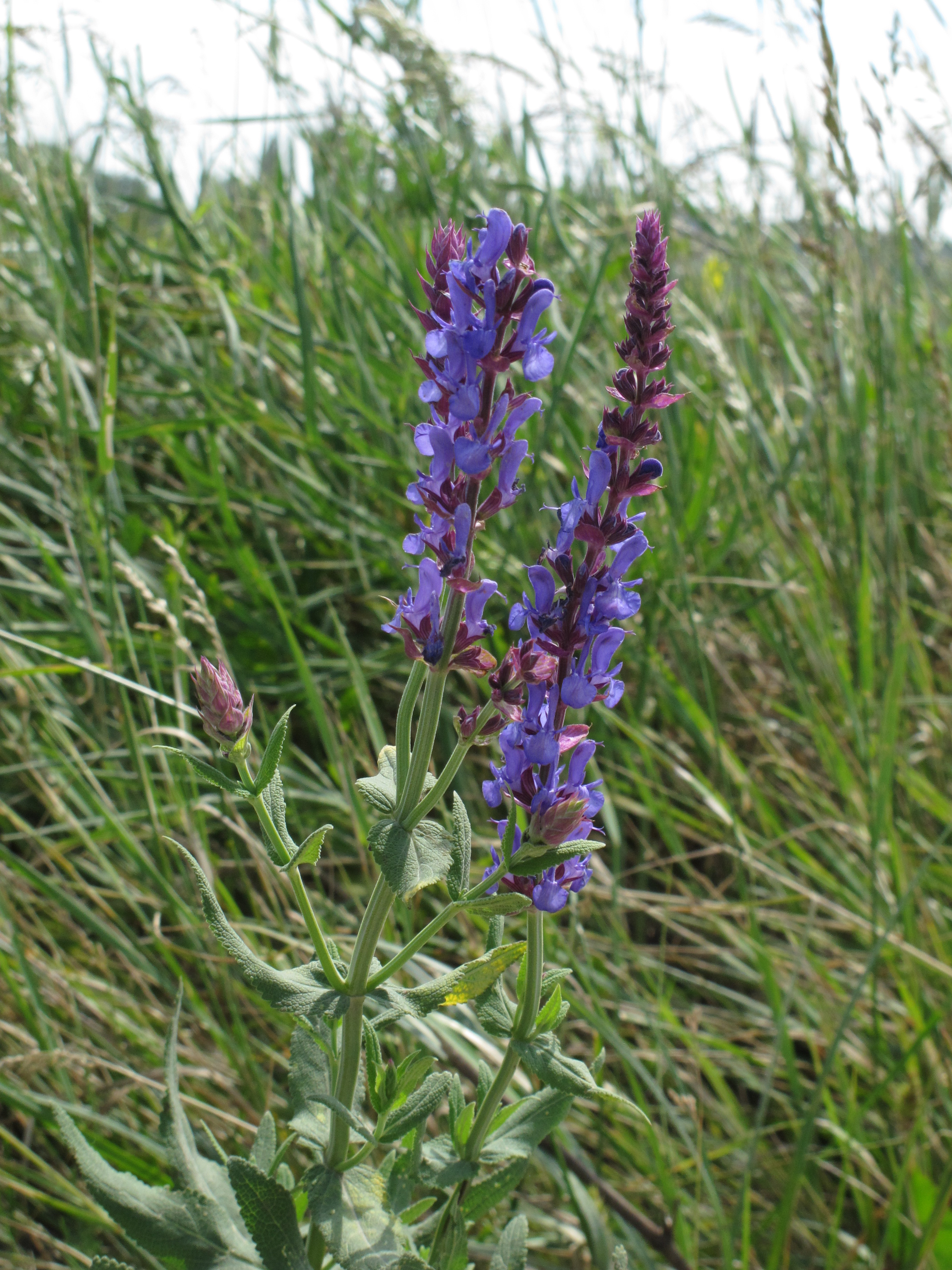
- Blue: fan flower (scaevola), blue salvia, lobelia, ageratum, and blue angelonia. Fan flower and lobelia trail over the rim; salvia and angelonia add height.
True blue is rare in flowers, and many plants sold as blue read as violet or purple in person. Shop with the other two colors in hand, or hold a red and a white plant next to the blue one before you buy, so the three read as a set.
Red, white, and blue picks for shade
For porches and north facing spots with less than 4 hours of sun:
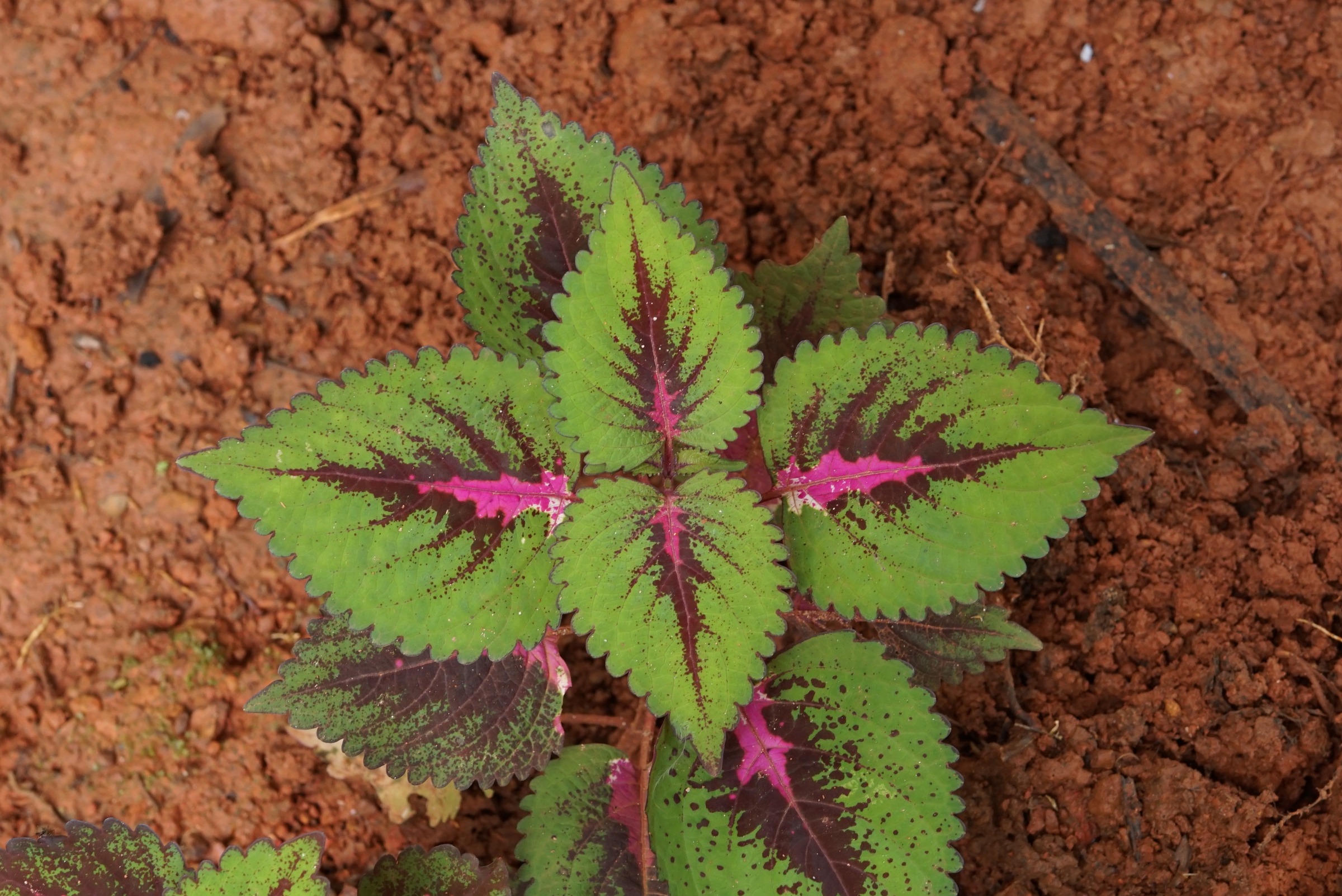
- Red: begonias, impatiens, and red leaved coleus.
- White: impatiens, white caladiums, and white begonias.
- Blue: browallia and torenia, sometimes called wishbone flower.
Caladium leaves add bold white without needing to bloom, which helps keep the white strong all season.
Shop container basics on Amazon
A large planter with drainage holes, a quality potting mix made for containers, slow release fertilizer granules for the first weeks, and pot feet that keep drainage holes clear. We may earn a commission at no extra cost to you.
Amazon · Large planter with drainage Amazon · Container potting mix Amazon · Slow release fertilizer Amazon · Pot feet and risers
How to lay out the pot
Use the classic three part layout:
- Centerpiece: one upright plant in the middle or toward the back, such as a red geranium, blue salvia, or angelonia.
- Fillers: two or three mounding plants around it, usually white, so the red and blue stay crisp and separated.
- Spillers: trailing plants at the rim, such as lobelia, fan flower, calibrachoa, or bacopa, to soften the edge.
Pack plants a little closer than the tag suggests, since a container is meant to look full quickly. In a 14 to 16 inch pot, five or six small starts is usually right. For window boxes, repeat the same three colors in short groups along the length rather than one long stripe of each.
Planting steps
- Choose a pot with drainage holes. Skip gravel in the bottom, which raises the soggy zone instead of improving drainage.
- Fill with fresh potting mix made for containers, not garden soil, which packs down and drains poorly.
- Mix in slow release fertilizer at the label rate.
- Water the starts in their nursery pots first. Loosen circling roots gently.
- Set the centerpiece first, then fillers, then spillers, with each root ball at the same depth it was growing.
- Firm the mix lightly, leave about an inch of space below the rim for watering, and water until it runs from the bottom.
Large pots get heavy once they are watered. Set them where they will stay, or put them on a rolling plant caddy before filling.
Keeping the colors going
Water: check daily once it is warm. Push a finger or a moisture meter into the soil, and water when the top inch is dry. Small pots and hanging containers may need water every day in hot weather. Water the soil, not the flowers, and soak until water drains out. The same habits apply to baskets, covered in hanging basket care.
Feed: slow release granules carry the pot for several weeks. After that, add water soluble plant food every 1 to 2 weeks, since frequent watering washes nutrients out.
Deadhead: pinch or snip spent geranium, salvia, and zinnia blooms to keep new flowers coming. Petunias that get long and sparse can be cut back by a third and will regrow in a couple of weeks.
Heat: lobelia and sweet alyssum often fade in hot weather. If the blue or white thins out, swap in fan flower, angelonia, or white vinca, which handle heat better.
Shop watering and upkeep gear on Amazon
A long spout watering can that reaches the soil under the foliage, a long probe moisture meter, water soluble plant food for steady feeding, and small snips for deadheading. We may earn a commission at no extra cost to you.
Amazon · Long spout watering can Amazon · Long probe moisture meter Amazon · Water soluble plant food Amazon · Deadheading snips
Safety notes
Wear gloves when handling potting mix and fertilizer, and wash your hands afterward. Open bags of potting mix outdoors to avoid breathing the dust. Store fertilizers in their original containers, out of reach of children, and follow the label. Lift heavy pots with your legs, or move them before you water.
Pet notes
Several popular container flowers are listed by the ASPCA as toxic to dogs and cats, including geraniums and begonias, so place pots where pets cannot chew them if you use those. Petunias are listed by the ASPCA as nontoxic; see whether petunias are safe for dogs. Fertilizer granules can also cause stomach upset if eaten, so water them in and keep bags closed. If a pet eats a plant or garden product and seems unwell, call your veterinarian or the ASPCA Animal Poison Control Center at (888) 426-4435.
Bottom line
Pick one tall centerpiece, white fillers, and a trailing edge, match the plants to your sun or shade, and plant about a month before the date you want the pot to look full. Use a large pot with drainage, fresh potting mix, and slow release fertilizer, then water when the top inch is dry, feed every week or two, and deadhead to keep the red, white, and blue coming.
Related reading
- When to plant after the last frost
- Hanging basket care: watering, feeding, and placement
- Rolling plant caddies for heavy pots
- Pollinator garden guide
Ready to match plants to your location? Try the PlantWise Plant Finder →