A hanging basket stays full when it gets the light its plants need, is watered deeply whenever the top inch of mix is dry (which can mean every day in hot, windy weather), and is fed with a diluted liquid fertilizer every one to two weeks. Trim back leggy stems by about a third when the basket starts to look thin, pinch off faded flowers, and hang it from a hook screwed into solid wood that can hold the full weight of a wet basket. Most baskets fail from drying out, not from disease.
Hanging baskets are often bought already full and blooming, and they look their best for the first few weeks. Because the mix is shallow and exposed to air on all sides, a basket dries out much faster than a pot on the ground. Good watering and feeding habits keep it going for months.
Match the basket to the light
Check the plant tag before you pick a spot.
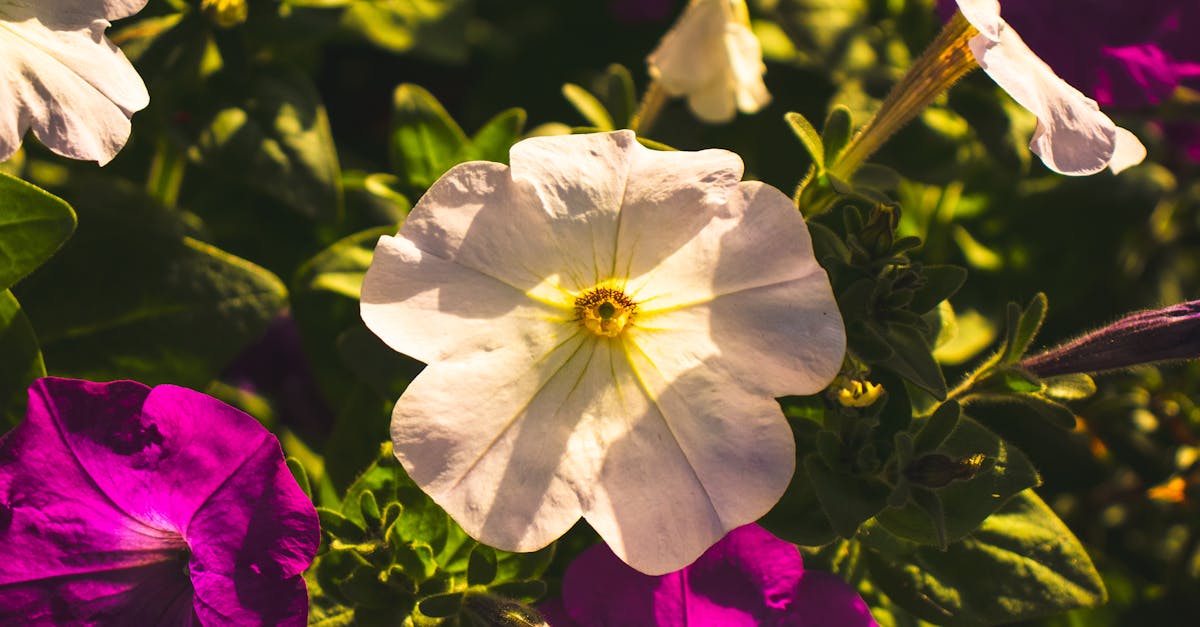
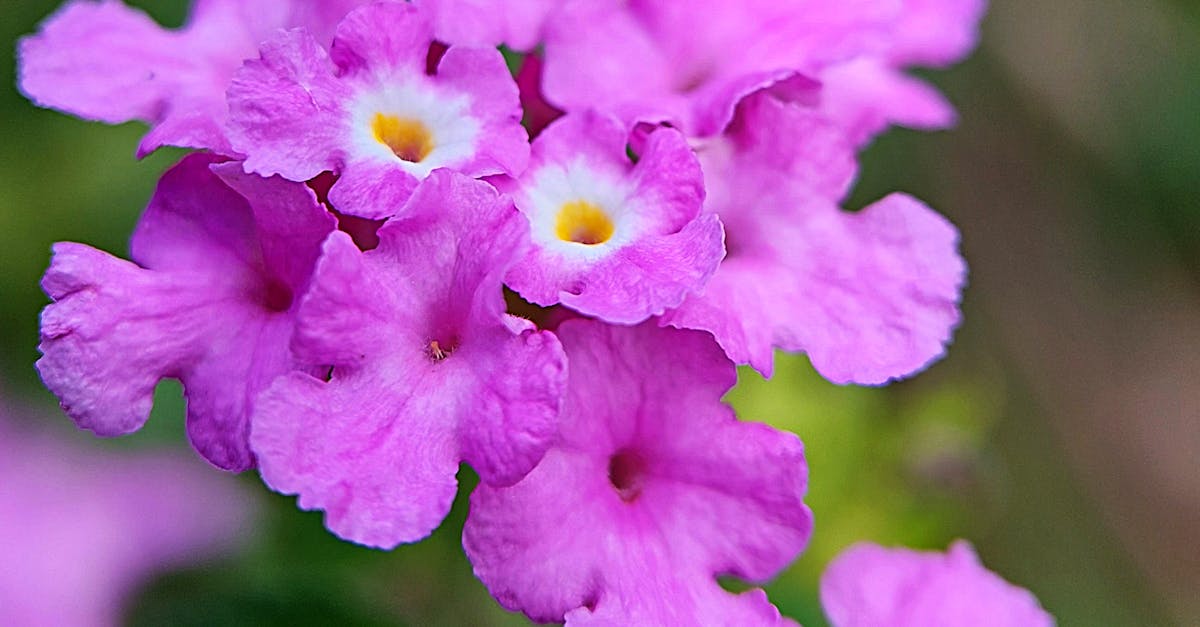
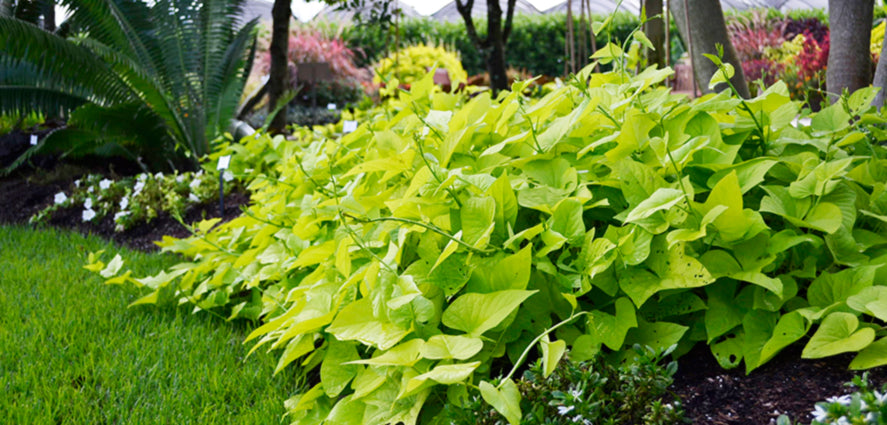
- Full sun (6 or more hours): petunias, million bells (calibrachoa), verbena, lantana, and sweet potato vine. These need the most water and food.
- Part sun or morning sun: begonias, ivy geraniums, lobelia, and bacopa.
- Shade: fuchsia, impatiens, and ferns such as Boston fern. Shade baskets burn in afternoon sun.
A shade basket moved into hot sun wilts and scorches within days, and a sun basket in shade gets leggy and stops blooming.
🌱 Get Personalized Plant Picks
Answer a few quick questions and we’ll match plants to your exact yard conditions.
Find My Plants →Hanging it safely
- Use a hook rated for the weight. A large basket can weigh 15 to 30 pounds right after watering. Screw hooks into a solid joist, beam, or bracket, not into thin trim or vinyl soffit.
- Hang it where you can water it. If you cannot reach it easily, it will dry out. A pulley or a watering wand helps with high hooks.
- Leave room around it so wind does not knock it against the house or a railing.
Shop hanging and watering gear on Amazon
Ceiling hooks rated for heavy pots, a watering wand that reaches overhead baskets, and a soil moisture meter to check baskets you cannot see into. We may earn a commission at no extra cost to you.
Amazon · Ceiling plant hooks Amazon · Watering wand for hose Amazon · Soil moisture meter Amazon · Plant watering globes
Watering hanging baskets
- Check daily in warm weather. Push a finger into the mix or lift the basket; a light basket is a dry basket.
- Water slowly until water runs out the bottom. A quick splash wets only the surface.
- Rescue a dried out basket by setting it in a bucket or tub of water for 20 to 30 minutes until the mix is soaked, then let it drain. Dry peat based mix sheds water on top instead of absorbing it.
- Water in the morning when you can, so leaves dry by night.
Coco fiber and moss lined wire baskets dry fastest. Plastic baskets with a built in saucer hold water longer. Watering globes can help over a hot weekend but do not replace a full drink. For travel days and other dry spell tips, see self watering pots.
Feeding for steady bloom
Frequent watering washes nutrients out of the mix quickly. Most flowering baskets bloom best with a diluted balanced liquid fertilizer every 7 to 14 days from late spring through summer. Follow the label rate, and water the basket first so you never feed a dry one. Pale or yellow leaves on petunias and million bells often mean the basket is hungry.
Trimming and deadheading
- Pinch off faded flowers on fuchsias, begonias, and geraniums to keep new buds coming.
- Cut back leggy stems of petunias and similar trailers by about a third in midsummer if the center goes thin. The basket looks sparse for a week, then fills back in.
- Rotate the basket a half turn every week or so, so the side against the wall still gets light.
Shop potting and feeding supplies on Amazon
A container potting mix for refilling baskets, a coco fiber liner for wire frames, liquid fertilizer for steady feeding, and shears for trimming leggy stems. We may earn a commission at no extra cost to you.
Amazon · Container potting mix Amazon · Coco fiber liner Amazon · Liquid fertilizer Amazon · Bypass pruning shears
Common problems
- Wilting by afternoon: too little water or too much sun for the plants. Water deeper and check the light needs.
- Yellow leaves: hunger or a basket kept soggy. Feed if it drains well, and let it dry slightly if it stays wet.
- Long bare stems: low light or no trimming. Cut back by a third and feed.
- Tiny insects under leaves: aphids or whiteflies. Rinse with a hose or use insecticidal soap per the label.
If a basket is too far gone, refill it with fresh container mix and new plants rather than fighting it all summer.
Safety notes
Use a sturdy ladder on level ground when hanging or taking down baskets, and have someone steady it. Do not lift a fully soaked large basket overhead; water it after it is hung. Check hooks and chains each year for rust or loosening. Follow fertilizer and pest product labels, and store them away from children and pets.
Pet notes
The ASPCA lists petunias, fuchsias, and Boston ferns as non toxic to dogs and cats, but geraniums, begonias, lantana, and English ivy are listed as toxic. Signs can include vomiting, drooling, and diarrhea, and begonia tubers are the most irritating part. Fallen leaves and flowers from overhead baskets can land where pets can reach them, so sweep under baskets and choose pet safe plants for low hooks. Keep fertilizer out of reach, since some pets will eat it. If a pet chews a plant and seems unwell, call your veterinarian or the ASPCA Animal Poison Control Center at (888) 426-4435. See is petunia safe for dogs, is begonia safe for dogs, and plants toxic to dogs.
Bottom line
Put sun baskets in sun and shade baskets in shade, hang them from a hook that can hold the wet weight, water deeply whenever the top inch is dry, and feed every one to two weeks. Trim leggy stems by a third and keep deadheading, and a basket can stay full until frost.
Related reading
- Self watering pots
- Ferns growing guide
- Overwintering geraniums indoors
- Pansies over bulbs: layered container planting
- Red, white, and blue container plantings
Ready to match plants to your location? Try the PlantWise Plant Finder →