How to Grow Garden Ferns: Complete Guide
Garden ferns are elegant, low-maintenance shade plants. Here is the complete guide to growing them successfully.
Yes - you can grow garden ferns successfully. Choose a fern suited to your site (shade vs. part-shade), prepare a loose, humus-rich soil that holds moisture but drains, plant at the crown level, keep the root zone evenly moist, mulch, and give light fertilizer or regular compost each year. With basic seasonal care and occasional division, most garden ferns will thrive and become long-lived focal points in shady borders, containers, and woodland gardens.
What Conditions Do Ferns Prefer?
Ferns are ancient shade-adapted plants that do best when you mimic a forest floor: dappled light, cool roots, steady moisture, and lots of organic matter.
- Light: Most garden ferns prefer part-shade to full shade. Avoid hot afternoon sun - fronds will scorch. Some ferns (e.g., ostrich fern) tolerate morning sun.
- Soil: Loose, well-draining loam rich in organic matter. Aim for a slightly acidic to neutral pH (about 5.5-7.0).
- Moisture: Evenly moist but not waterlogged. Ferns dislike prolonged dry spells and saturated, oxygen-poor soils.
- Humidity: Higher humidity benefits many ferns; group plants, add mulch, or use a nearby water feature to raise local humidity.
- Space: Leave room for fronds to unfurl. Typical spacing 12-36 inches depending on species.
🌱 Get Personalized Plant Picks
Answer a few quick questions and we’ll match plants to your exact yard conditions.
Find My Plants →How Do I Plant Garden Ferns?
Planting ferns correctly sets them up for years of low-maintenance growth.
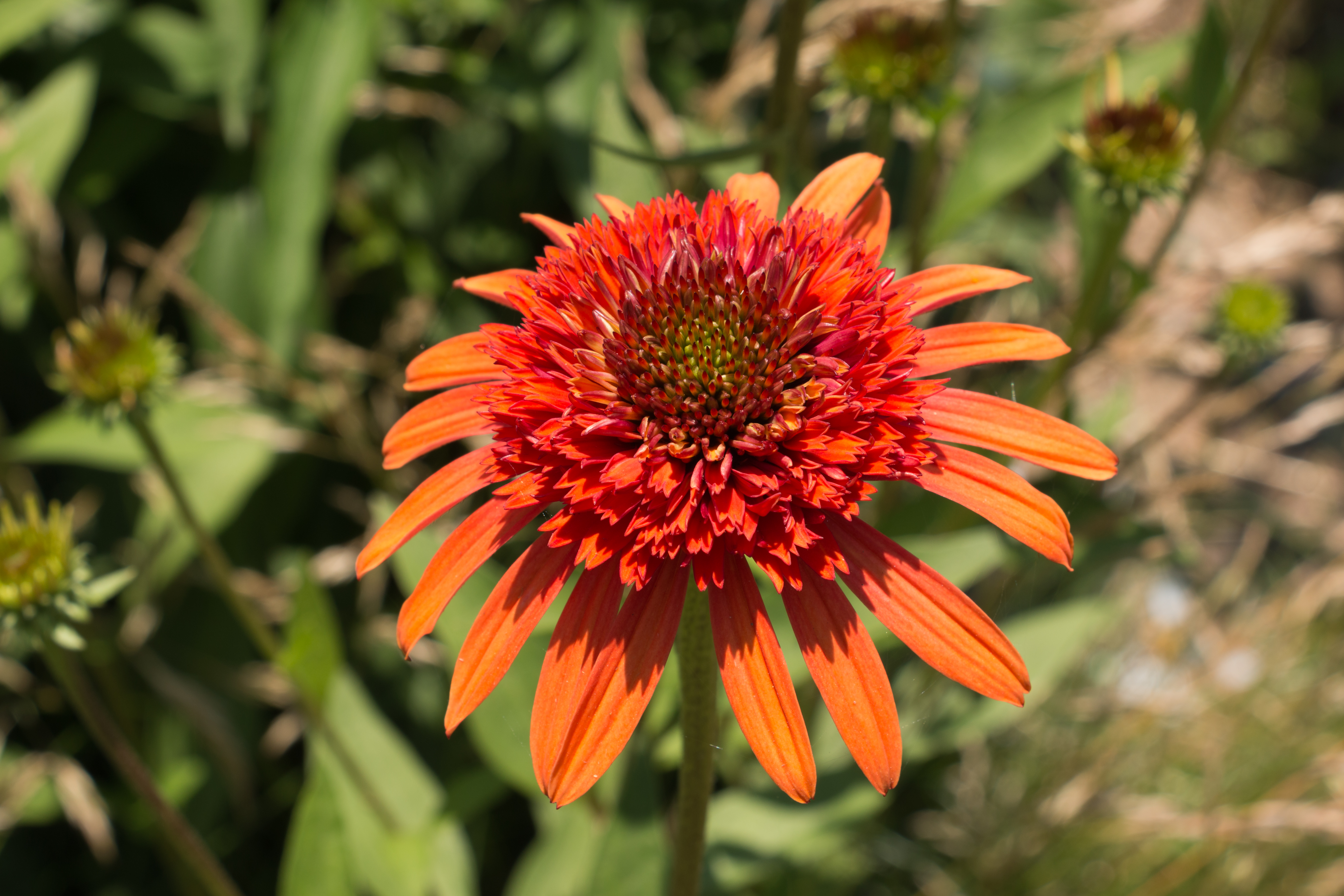
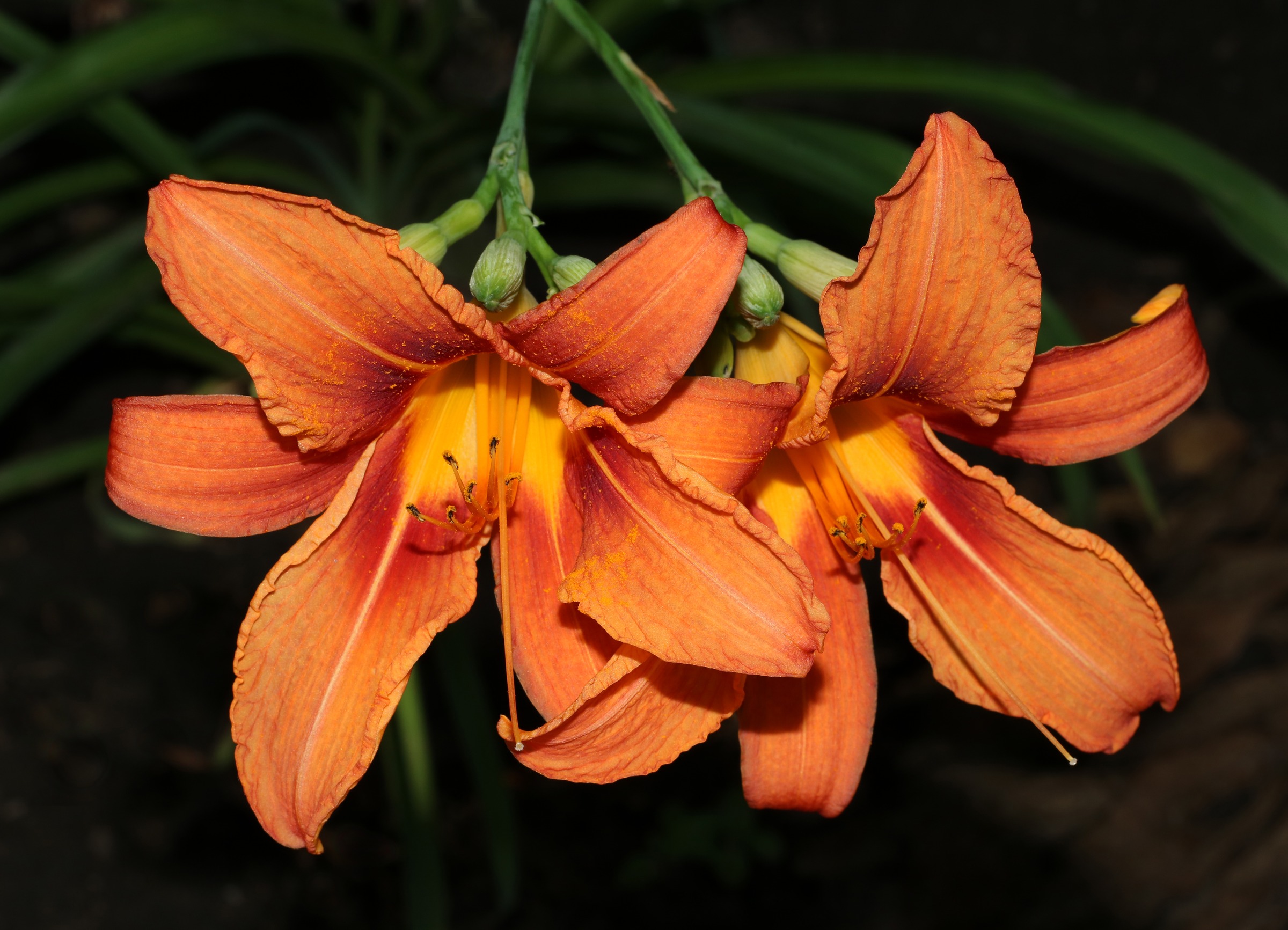
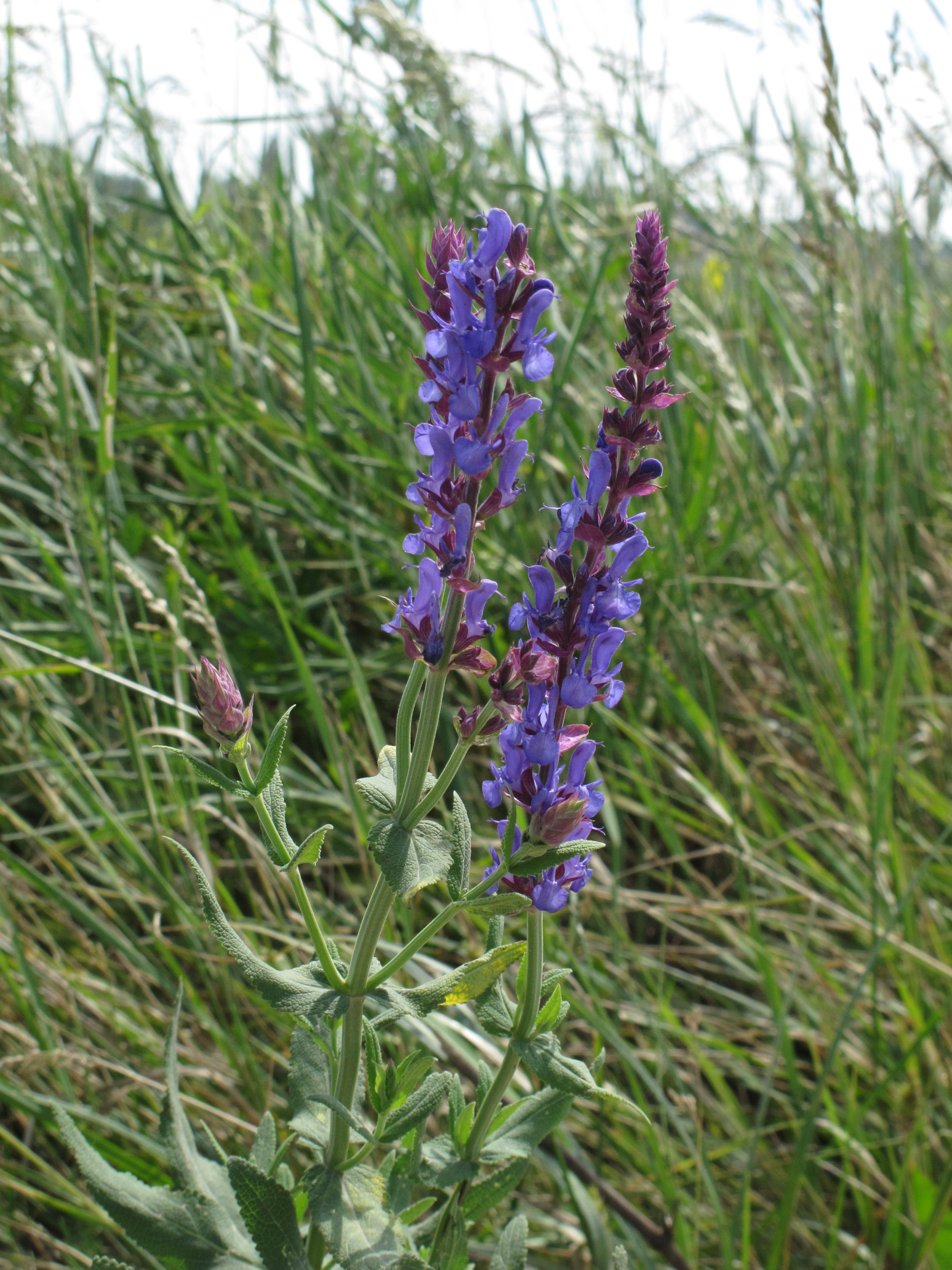
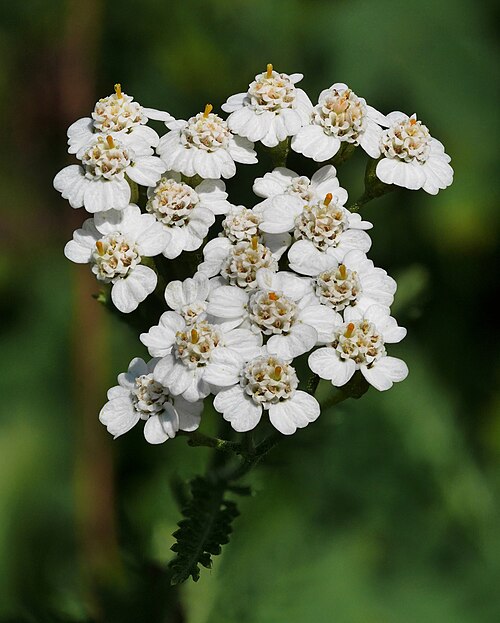
- Choose the right species for your conditions - ornamental choices include evergreen and deciduous types. If you want companions that add seasonal color or blooms at the garden edge, consider Daylily, Coneflower, Yarrow, or Salvia in adjacent sunnier pockets.
- Timing: Early spring or early fall are best - soil is workable and roots can establish before extremes of heat or cold.
- Prepare the bed: Dig a hole twice the width of the rootball and the same depth. Amend the backfill with 25-50% compost or leaf mold to increase water holding and fertility.
- Planting depth: Set the crown (where fronds emerge) level with the soil surface. Planting too deep can cause rot.
- Mulch: Apply a 2-3 inch layer of shredded bark or leaf mulch, keeping it slightly away from the crown to prevent crown rot.
- Water thoroughly at planting, then keep consistently moist until established.
Container tip: Use a rich, well-draining potting mix with plenty of organic matter and ensure good drainage holes. Containers dry faster, so check moisture every few days in warm weather.
How Do I Care for Ferns Throughout the Year?
Seasonal care for ferns is simple and mostly about consistent moisture and light management.
- Watering: Keep soil evenly moist. During hot or dry weather, water deeply once or twice a week rather than light daily sprinkles. Morning watering reduces disease risk.
- Feeding: Top-dress with compost each spring or apply a balanced slow-release fertilizer at a quarter to half the recommended rate. Ferns are light feeders; too much nitrogen produces floppy fronds.
- Pruning: Remove dead or damaged fronds in early spring before new growth appears. For deciduous ferns, cut back last year’s dead fronds to let new crowns breathe.
- Division: Divide congested clumps every 3-5 years in spring or early fall. Lift the rootball, split into sections with healthy crowns and roots, and replant immediately.
- Winter care: Most hardy ferns tolerate winter if mulched. For evergreen ferns, leave some older fronds for winter protection and remove in spring as new fronds emerge. Protect sensitive species in very cold zones with extra mulch or burlap windbreaks.
What Are Common Problems and Solutions?
Ferns are generally resilient, but a few issues can occur - identify symptoms early and act.
- Yellowing or browning fronds: Often caused by sun scorch, underwatering, salt build-up, or poor soil. Move to shadier spot, increase watering, flush soil occasionally to remove salts, and improve organic matter.
- Wilting despite wet soil: Look for root rot from poor drainage. Remedy by improving drainage, reducing watering frequency, and replanting into amended soil or higher beds.
- Pests: Slugs and snails chew fronds - use traps, copper barriers, or hand-pick at night. Scale and mealybugs are occasional problems on container ferns; treat with insecticidal soap or horticultural oil.
- Fungal leaf spots or powdery mildew: Improve air circulation, water in the morning, remove infected fronds, and avoid overhead watering in cool, damp weather.
- Crowding: If fronds are small and growth is stunted, divide and refresh soil.
If you’re unsure what’s wrong, take clear photos of the plant (fronds, crown, soil) and your local extension service or nursery can help with diagnosis.
Quick Reference
- Light: Shade to part-shade (avoid hot afternoon sun)
- Soil: Rich, loose loam with plenty of organic matter
- pH: ~5.5-7.0
- Water: Evenly moist; deep weekly water in summer (more in heat)
- Mulch: 2-3 inches of leaf mold or shredded bark
- Fertilizer: Light feeding-compost in spring or low-rate slow-release
- Spacing: 12-36 inches depending on species size
- Maintenance: Divide every 3-5 years; prune dead fronds in spring
How Can I Use Ferns in Garden Design?
Ferns make excellent soft-textured underplantings, woodland edges, and container specimens.
- Under trees: Use ferns to fill shaded, dry-ish spaces under large trees - choose species tolerant of root competition (e.g., Christmas fern).
- Shade borders: Mix ferns with other shade lovers and low-care herbaceous perennials. Place taller ferns toward the back and low groundcover ferns at the front.
- Contrast and texture: Pair ferns’ feathery fronds with bold-leaved plants or upright flowering perennials like Coneflower and Salvia planted in sunnier pockets to add seasonal color.
- Containers and paths: Use single-species containers for a dramatic focal point or plant along shady walkways for a lush, green corridor.
Ready to find the perfect plants for your yard? Try the PlantWise Plant Finder →