How to Design a Beautiful Shade Garden
Intro A beautiful shade garden starts with a plan: map your light, improve the soil, choose plants suited to the level of shade, then design with layers, contrast, and focal points. With thoughtful plant selection, texture-rich foliage, and a few structural elements, you can turn a dark corner into a serene, colorful retreat.
How do I begin designing a shade garden?
First, assess the light. Spend two days noting when and where direct sun hits the area. Classify pockets as: deep shade (little to no direct sun), dappled/light shade (filtered sun through trees), or part-shade (3-6 hours of morning or late afternoon sun). Sketch a simple plan showing paths, existing trees, and any structures.
Next, test and amend the soil. Dig a handful from several spots: if it’s compacted or clayey, work in 2-3 inches of compost and a handful of fine grit for drainage. For raised beds, aim for a loose, humus-rich mix. Add a 2-3 inch layer of organic mulch after planting to conserve moisture and keep roots cool - but keep mulch a few inches away from stems and crowns.
Decide on the primary purpose: a quiet reading nook, a cutting garden, privacy screen, or wildlife-friendly patch. That purpose will guide scale, plant choices, and hardscape.
Practical steps:
- Measure and map sunlight by hour to classify shade types.
- Note soil texture and drainage; amend with compost if needed.
- Choose 1-2 focal points (bench, large container, sculpture) before filling in plants.
- Create circulation: paths should be 2-3 feet for narrow routes, 4-6 feet for main walkways.
🌱 Get Personalized Plant Picks
Answer a few quick questions and we’ll match plants to your exact yard conditions.
Find My Plants →What plants thrive in low and dappled shade?
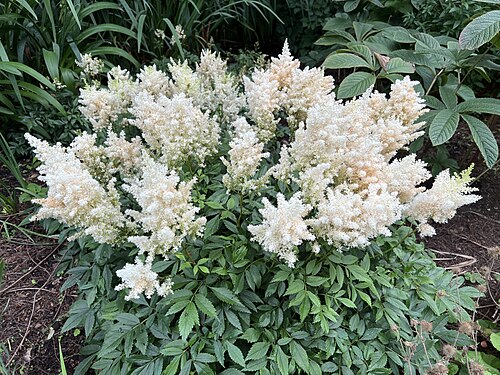
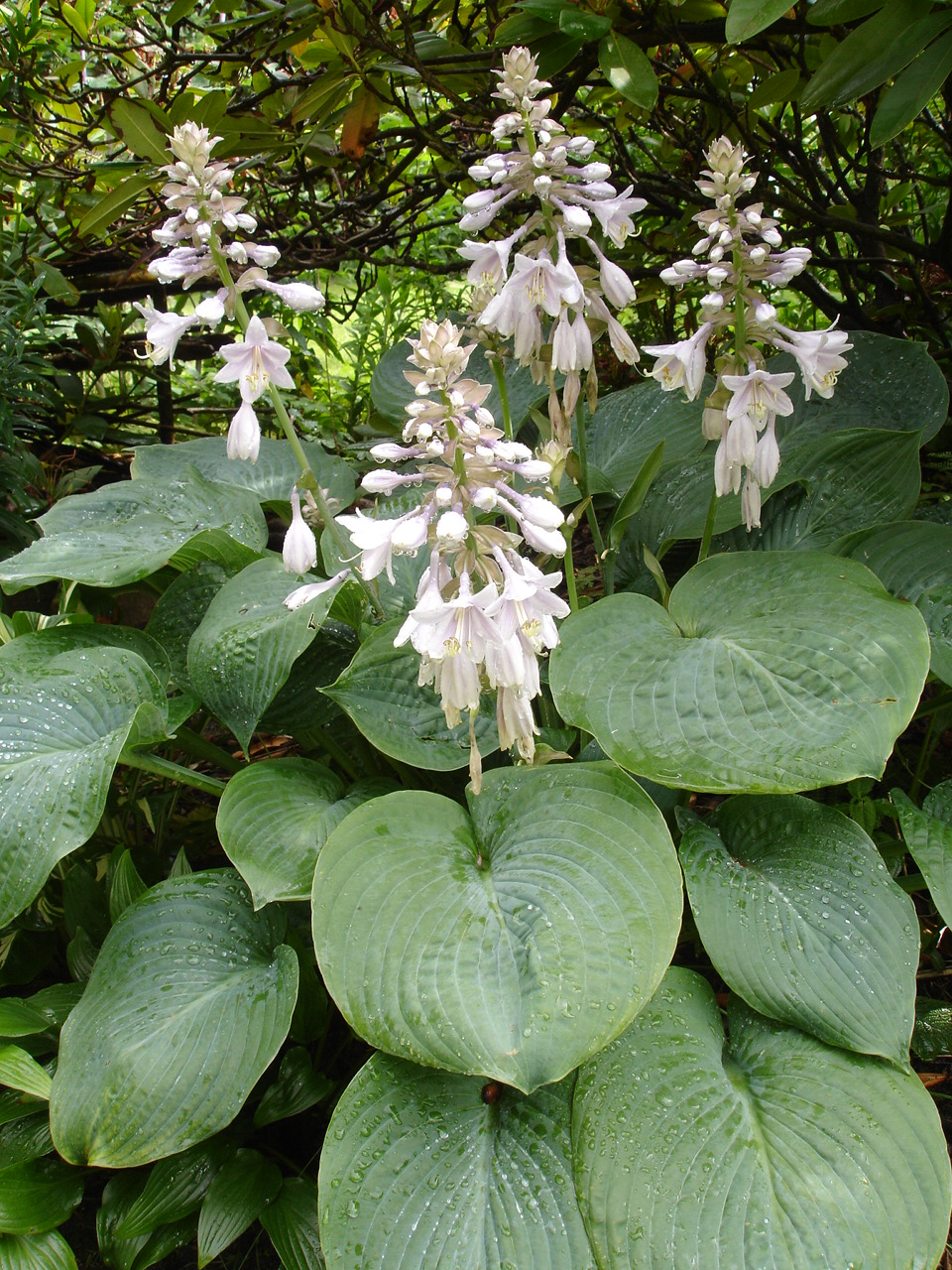
Shade gardens welcome many foliage-first plants (ferns, hostas, heuchera, pulmonaria, astilbe) and a surprising number of perennials that tolerate morning or dappled sun. If your area gets only dappled or part-shade, you can also include some sun‑loving perennials placed where they’ll receive the most light.
Plant embeds (examples you can use in part-shade or dappled light):
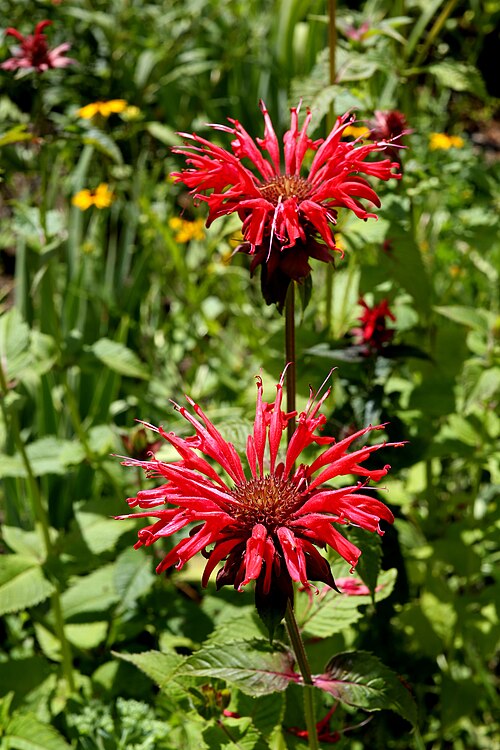
- Bee Balm - best in dappled or morning sun; adds fragrance and pollinator value.
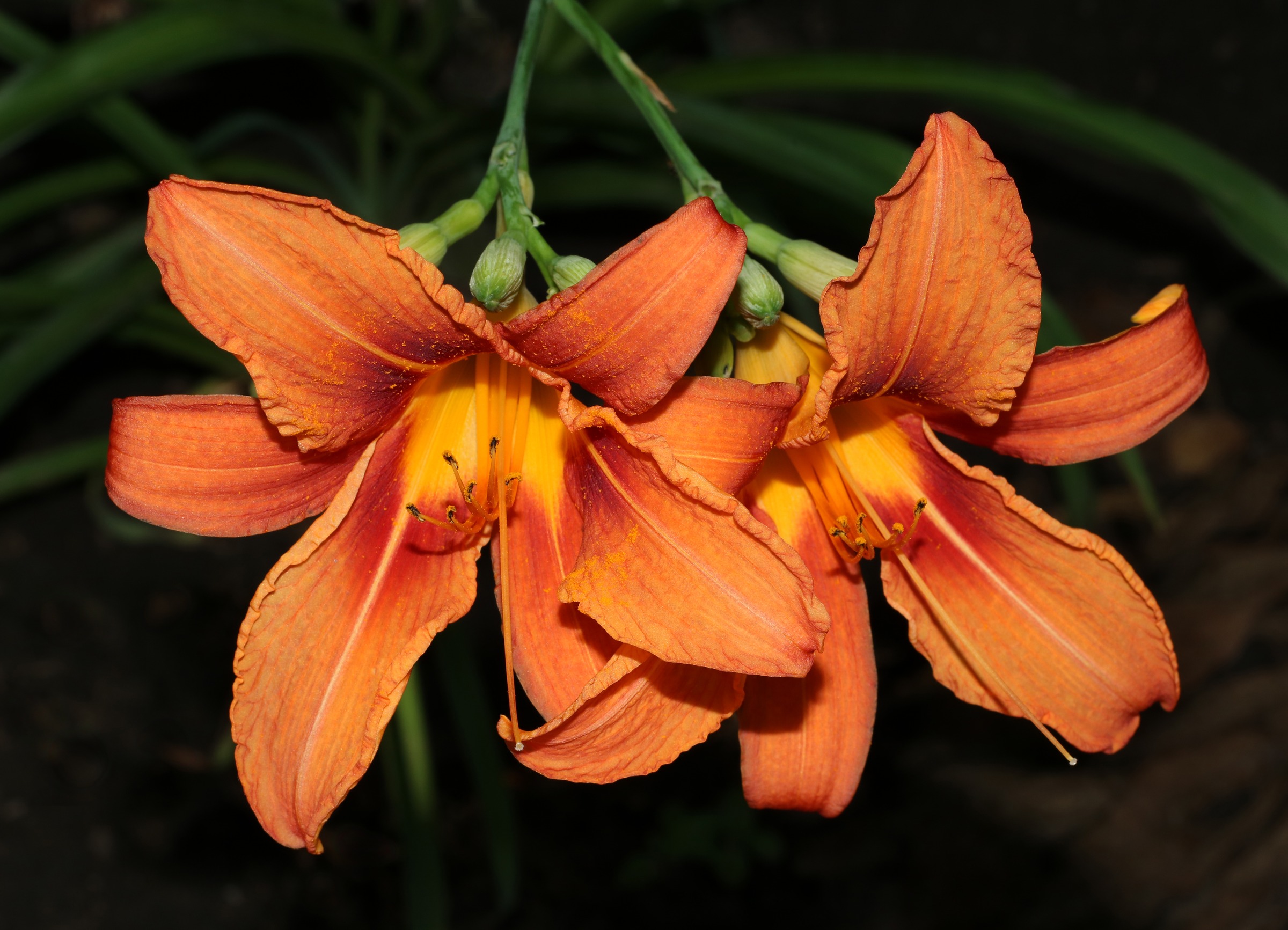
- Daylily - tolerates part-shade, especially in cooler climates; great for low-maintenance color.
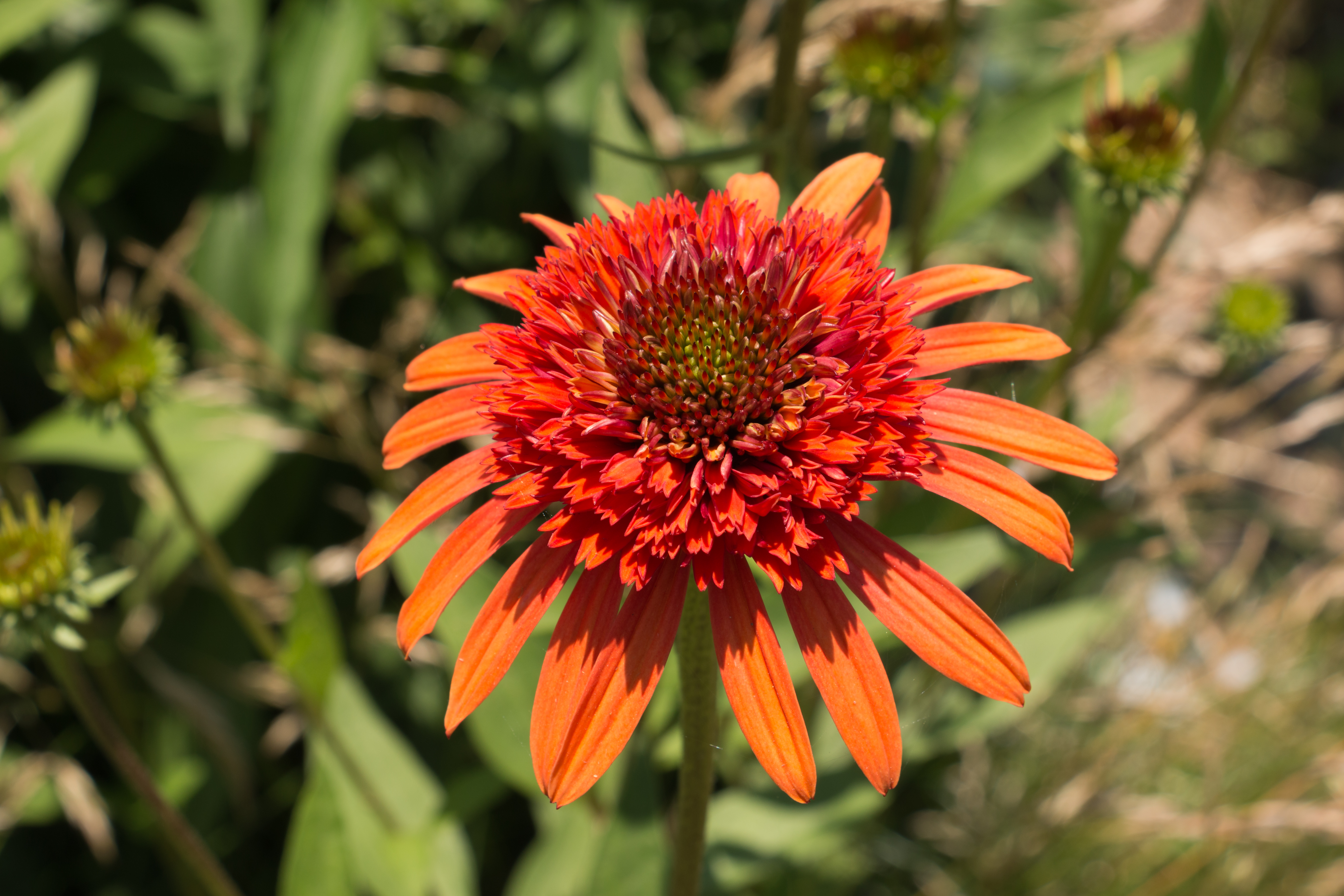
- Coneflower - will handle light shade and brings vertical interest and late-season bloom.
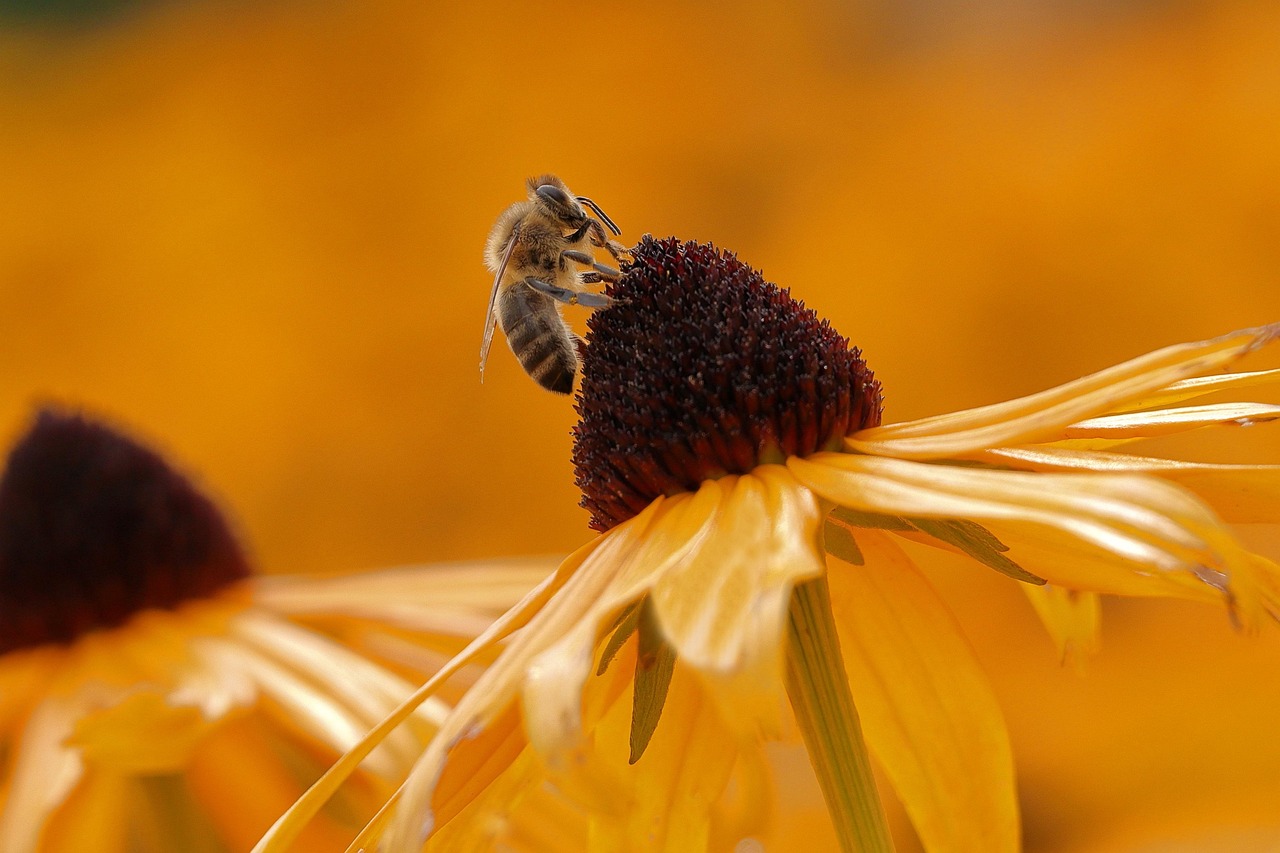
- Black-eyed Susan - tolerates light shade at the garden edge and provides bold color.
Tips for choosing:
- For deep shade, prioritize foliage contrast: variegated leaves, glossy greens, and fine-textured ferns.
- For dappled/part shade, pick a mix of foliage and bloomers to extend seasonality.
- Use plants with different leaf shapes and colors to create drama even when few plants are flowering.
How do I arrange plants and create structure?
Layering is the hallmark of a successful shade garden. Think canopy (existing trees), small trees/shrubs (understory), mid-height perennials, and groundcovers. Place taller, structural plants toward the back or center around a focal seating area.
Design rules that work:
- Repetition: use a few plants in groups of three or five to create rhythm.
- Contrast: pair large, broad leaves (hosta) with feathery or fine foliage (heuchera or ferns).
- Color: cool colors (white, blue, lavender) read brighter in shade; white flowers and variegated foliage “pop.”
- Focal points: a bench, a statue, or a container planted with seasonal color anchors the space.
- Paths: soft gravel or stepping stones with planting edges soften transitions; keep main paths at least 3-4 feet wide for comfort.
Plant placement examples:
- Edge beds (where light is higher): include the dappled-sun perennials listed above.
- Deep shade beds: fill with hostas, ferns, heuchera, and shade-tolerant shrubs like hydrangea (varieties for shade) or azalea.
- Containers: use them to bring brightness into denser shade and to add height near seating.
What maintenance does a shade garden need?
Shade gardens can be lower-maintenance than full-sun beds but have their own needs.
Watering and mulching:
- Shade means cooler soil but sometimes competing tree roots - water deeply and infrequently rather than shallowly.
- Mulch 2-3 inches annually, but refresh only as needed to avoid soil compaction.
Feeding and division:
- Apply a balanced, slow-release fertilizer in spring if growth is languid, or enrich with compost each year.
- Divide perennials (hostas, daylilies, bee balm) every 3-4 years to refresh vigor and prevent overcrowding.
Pest and disease notes:
- Poor air circulation can increase fungal problems; leave spacing for airflow.
- Slugs and snails are more active in shade - use traps, hand-pick, or organic baits as needed.
Seasonal care:
- Clean up fallen leaves in fall to reduce disease carryover.
- Cut back perennials in late fall or early spring depending on the plant (some seedheads provide winter interest and food for birds).
Quick Reference
- Light types: Deep shade = <3 hours direct sun; Dappled = filtered light most of the day; Part-shade = 3-6 hours gentle sun.
- Soil prep: Add 2-3" compost; avoid excessive tilling around tree roots.
- Mulch: 2-3" organic mulch, kept off crowns/stems.
- Spacing: Group perennials in odd numbers; typical spacing 12-36" depending on mature size.
- Plant notes:
- Bee Balm - best in dappled/part shade; cuts for pollinators.
- Daylily - tolerates part shade; low-maintenance clumps; divide every few years.
- Coneflower - prefers sunnier spots but performs in bright shade; great for structure.
- Black-eyed Susan - use on the brighter edges of a shade garden for bold color.
Design checklist before planting:
- Mapped sun and soil test complete
- Focal point chosen (bench, container, sculpture)
- Plant list arranged by height and bloom time
- Mulch and irrigation plan ready
Ready to find the perfect plants for your yard? Try the PlantWise Plant Finder →