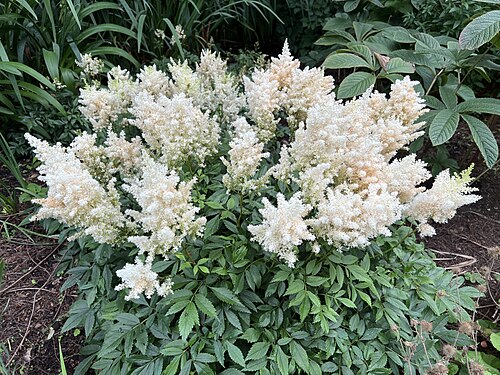
Astilbe thrives in shade gardens - yes. With feathery plumes in pinks, reds, whites and creams and fern-like foliage, astilbe brings long-lasting color to areas with morning sun, dappled light, or full shade. This guide covers choosing varieties, planting, year‑round care, and smart companion choices so your astilbe settles in and blooms beautifully.
What Is Astilbe and Why Plant It in a Shade Garden?
Astilbe is a clump-forming perennial valued for its plume-like flower stalks and attractive foliage. Native to Asia and North America, it performs especially well where many other perennials struggle: light shade, moist beds, and woodland edges. Plant it to add vertical texture, midsummer color, and to brighten corners beneath trees or along shaded paths.
🌱 Get Personalized Plant Picks
Answer a few quick questions and we’ll match plants to your exact yard conditions.
Find My Plants →How Do I Grow Astilbe in Shade?
Site selection
- Light: Best in part shade to full shade. Dappled morning sun is ideal; avoid hot afternoon sun which can scorch leaves and shorten bloom.
- Soil: Rich, humusy, and consistently moist but well-draining. Astilbe tolerates clay if amended and never allowed to sit in standing water.
- Hardiness: Most garden astilbes perform well in USDA zones roughly 4-9 (local microclimates matter).
Planting steps
- Amend soil with plenty of organic matter (compost or aged leaf mold). Mix roughly one part compost into two parts native soil for the planting hole.
- Dig a hole twice the width of the root ball and about the same depth. Set the crown at the same level it grew in the pot.
- Space plants 12-24 inches apart depending on variety (see Quick Reference).
- Water deeply at planting and keep soil evenly moist while the roots establish.
Watering and feeding
- Keep soil consistently moist, especially the first growing season. In summer, provide about 1 inch of water per week (supplement during dry spells).
- Mulch 2-3 inches to retain moisture and keep roots cool.
- Feed lightly in spring with a balanced slow-release fertilizer or a 1-2 inch layer of compost. Avoid excessive nitrogen which encourages foliage at the expense of blooms.
Quick Reference
- Light: Part shade to full shade (dappled morning sun ideal)
- Soil: Rich, humusy, moist, pH slightly acidic to neutral (6.0-7.0)
- Water: Consistently moist; about 1" per week when rainfall is low
- Hardiness: Generally Zones 4-9
- Spacing: 12-24 inches depending on variety
- Height: 12-48 inches depending on cultivar
- Bloom time: Late spring to midsummer (varies by cultivar)
- Maintenance level: Low-moderate (division every 3-4 years)
How Do I Care for Astilbe Throughout the Year?
Spring
- Remove winter debris and apply a light topdressing of compost.
- Check for new shoots; water if spring is dry.
- Apply a balanced slow-release fertilizer if you don’t use compost.
Summer
- Keep soil moist; increase watering during heat waves.
- Deadheading spent flowers is optional - cutting back spent flower stalks improves appearance and can encourage tidy re-bloom in some types.
- Watch for slugs and snails; handpick or use pet-safe controls if needed.
Fall
- After foliage dies back, you can leave the plant’s stems for winter interest and wildlife habitat or cut to the ground after a hard frost.
- Divide crowded clumps in fall (or spring) to maintain vigor - dig, separate into sections with at least two to three healthy buds each, and replant.
Winter
- A layer of mulch helps insulate crowns in colder areas. Remove heavy mulch in early spring to avoid crown rot.
Common problems and solutions
- Crown rot: Avoid poor drainage and soggy winter soils. Improve drainage and lift crowns slightly if you have chronic wet feet.
- Powdery mildew: Rare in deep shade; improve air circulation and remove infected foliage.
- Pests: Slugs and snails feed on young foliage - maintain dry mulch layer near soil surface and remove hiding places.
Propagation
- Best by division every 3-4 years in spring or fall.
- You can start from seed, but named cultivars often revert; division preserves cultivar traits.
What Plants Make Good Companions with Astilbe?
Astilbe pairs wonderfully with other shade-tolerant or part-shade perennials that enjoy moist, rich soil. Try mixing textures and bloom times for continuous interest:
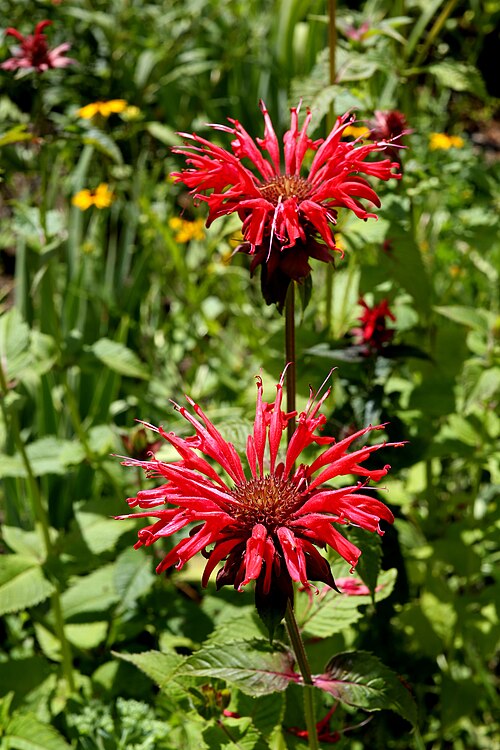
- Bee Balm - adds taller, fragrant blooms and attracts pollinators; works in part-shade beds.
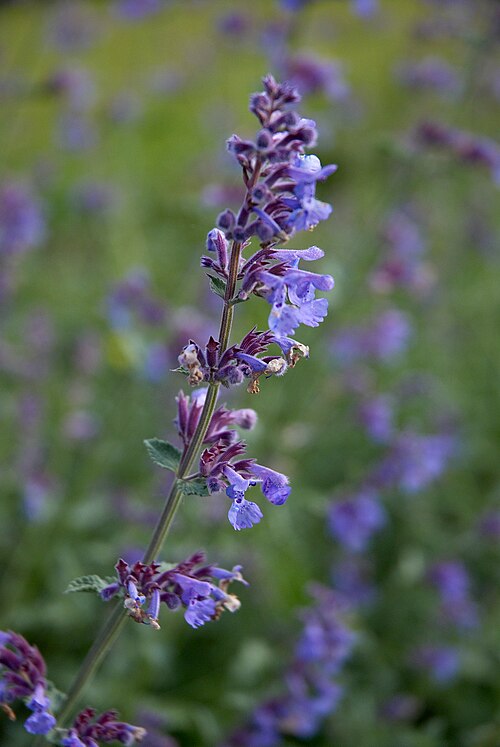
- Catmint - a lower, airy contrast when grown in lighter shade or at the edge of a bed.
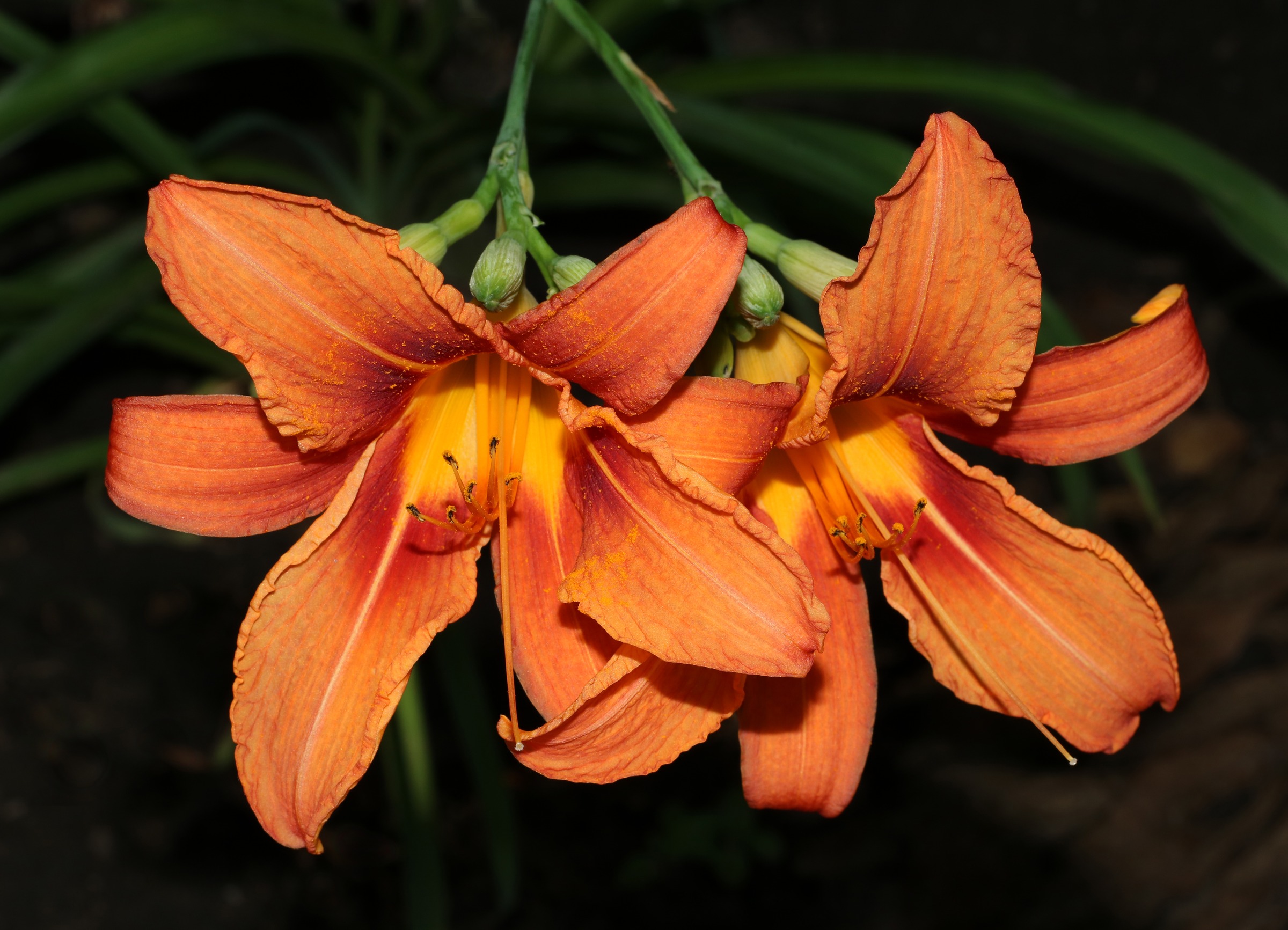
- Daylily - many daylily varieties tolerate part shade and their strappy leaves contrast nicely with astilbe’s fern-like foliage.
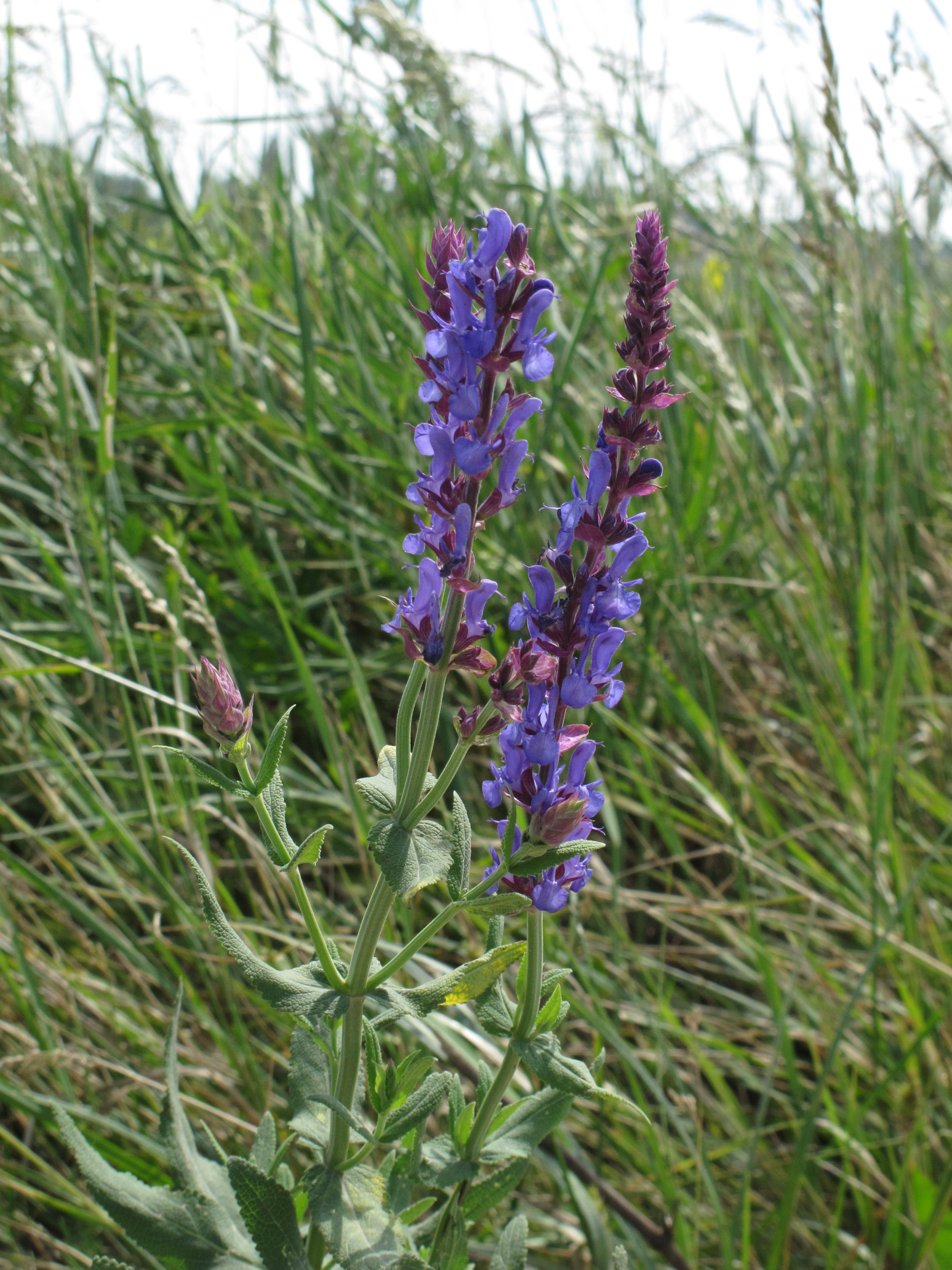
- Salvia - select partial-shade tolerant salvias for pop of contrasting form and long bloom.
Design tips
- Use astilbe in drifts for impact: repeat clumps of the same color for a painterly effect.
- Layer heights: place shorter astilbes and companion perennials in the front with taller varieties or shrubs behind.
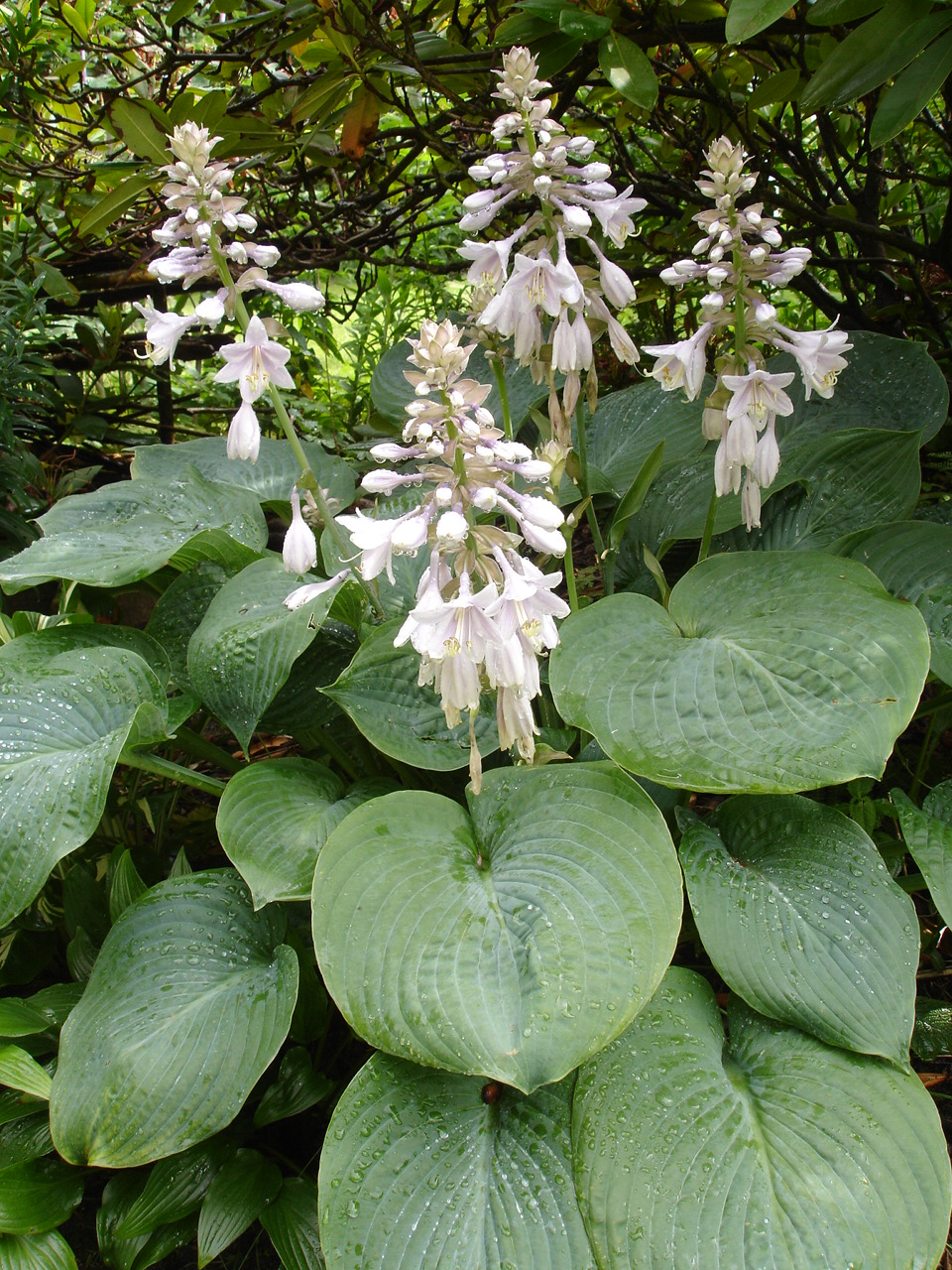
- Combine textures: pair feathery astilbe with bold hosta leaves, ferns, or ornamental grasses that tolerate shade.
Ready to find the perfect plants for your yard? Try the PlantWise Plant Finder →