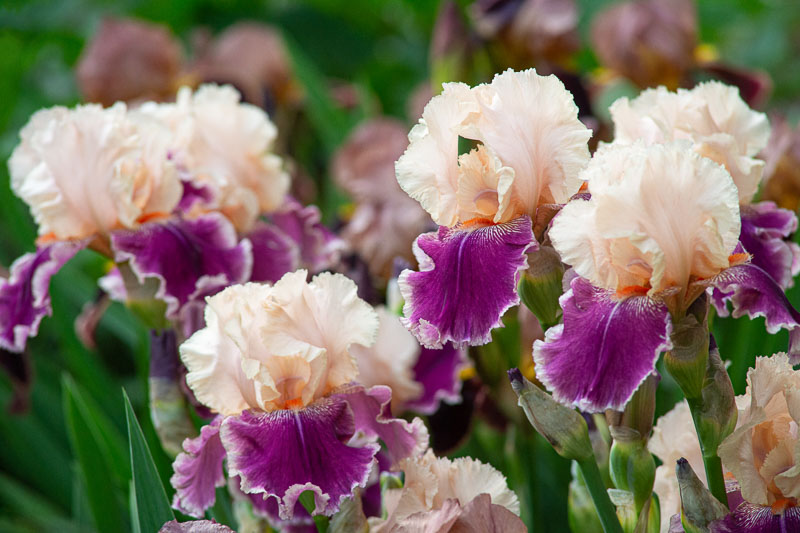
Dividing Perennials in Early Fall
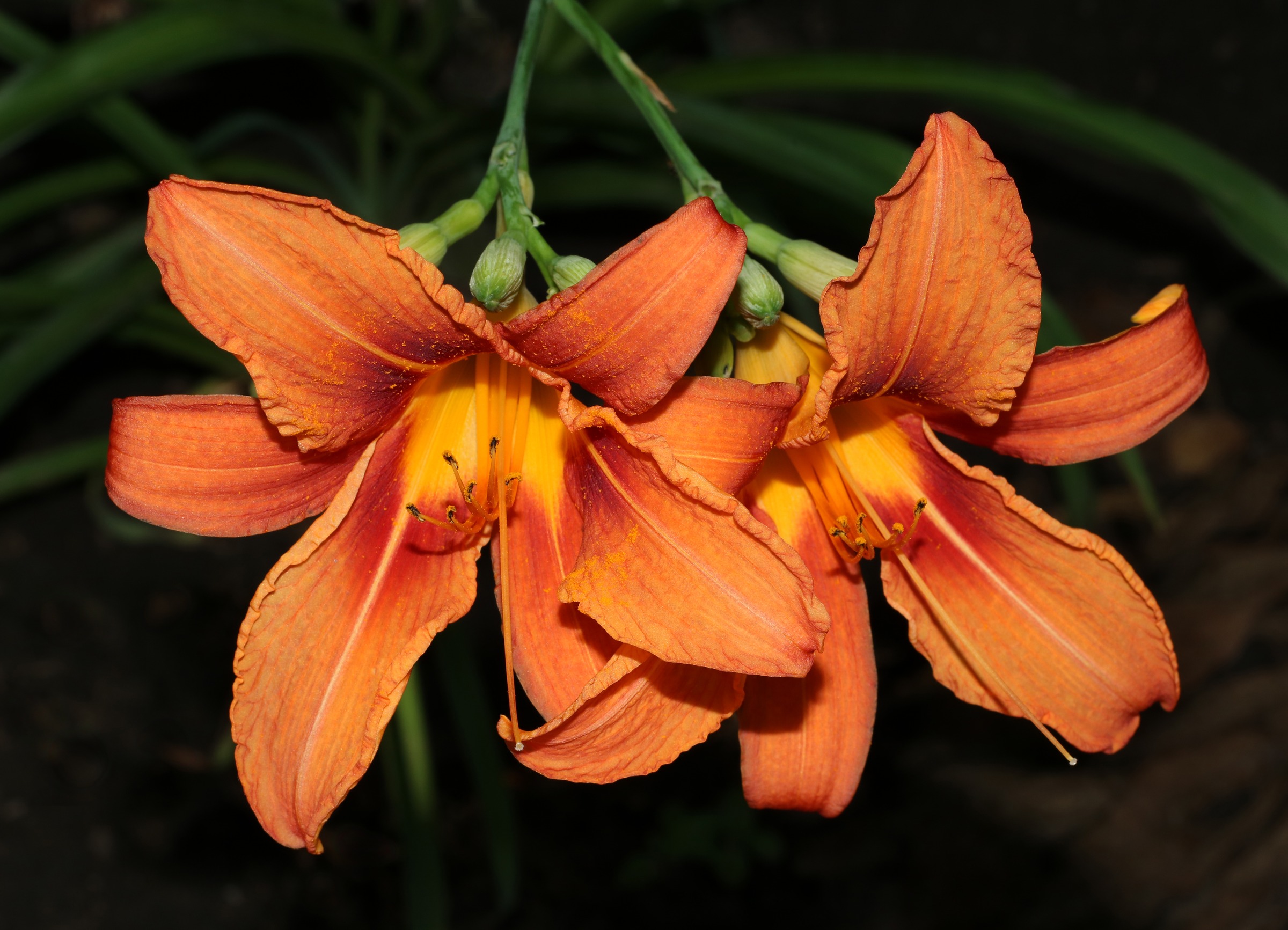
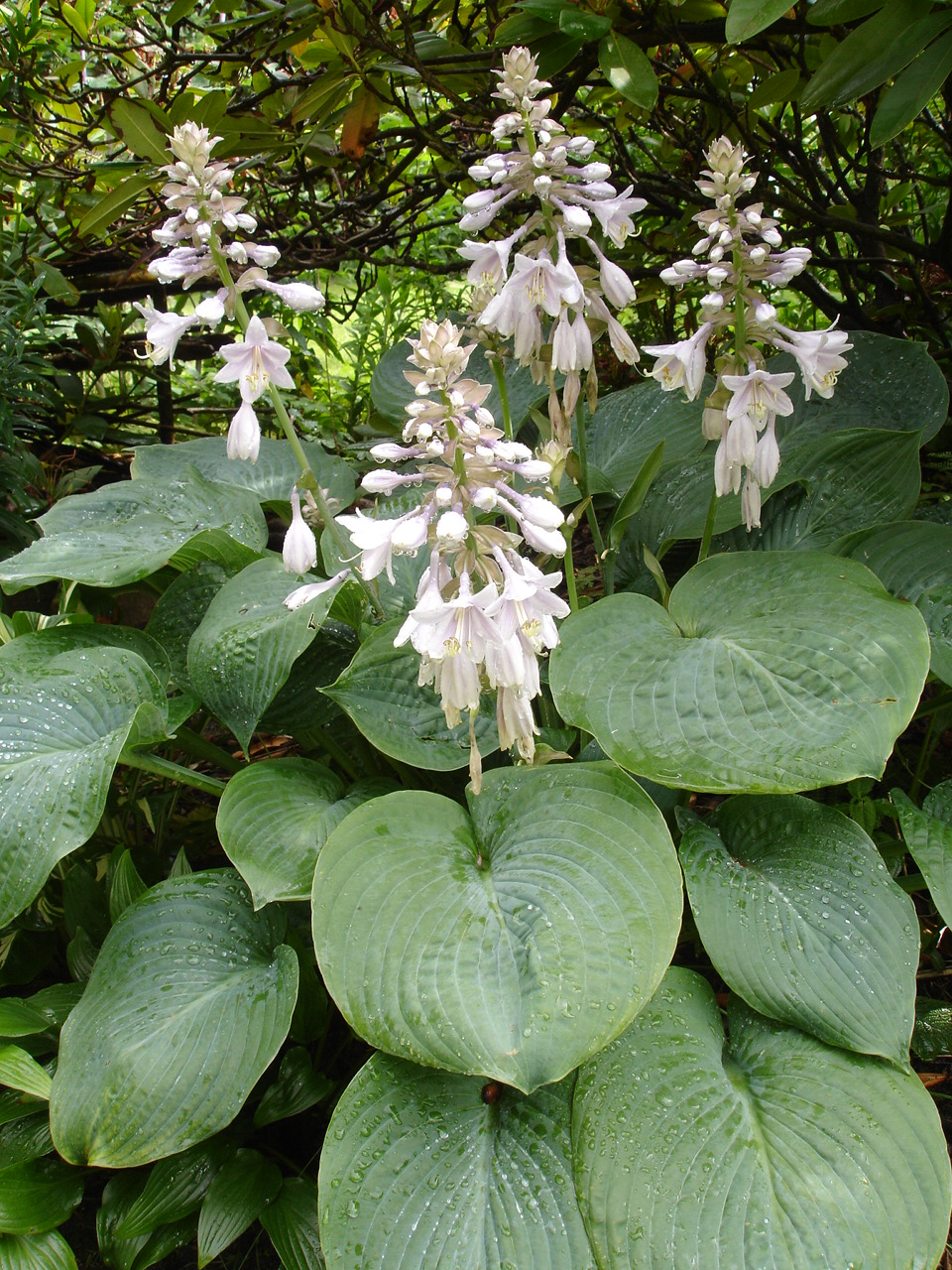
Divide spring- and summer-blooming perennials in early fall, about 4 to 6 weeks before the ground freezes, so the new pieces root in warm soil before winter. Hostas, daylilies, iris" class="plant-link">Siberian iris, garden phlox, peonies, and most ornamental grasses split well in late August through early October, depending on zone.
Leave fall bloomers such as asters, mums, and anemone" class="plant-link">Japanese anemone until spring. Dividing a plant while it is flowering costs it the energy it needs to re-root.
What to divide now and what to leave
| Divide in early fall | Wait for spring |
|---|---|
| Hosta, daylily, Siberian iris | Asters, mums, Japanese anemone |
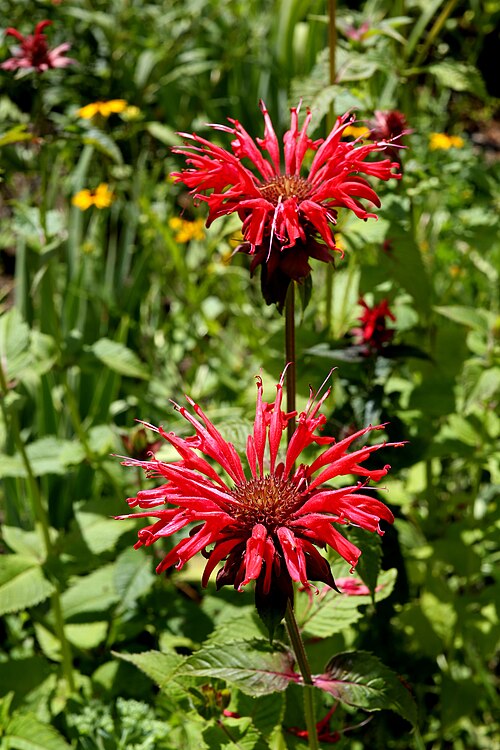
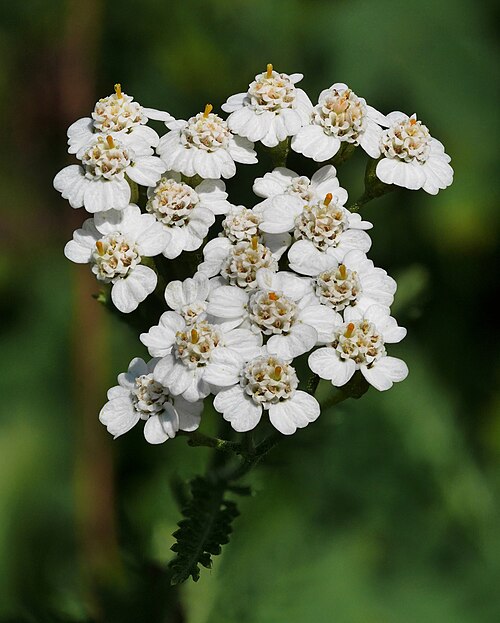
| Garden phlox, bee balm, yarrow | Ornamental grasses that bloom late (in cold zones) |
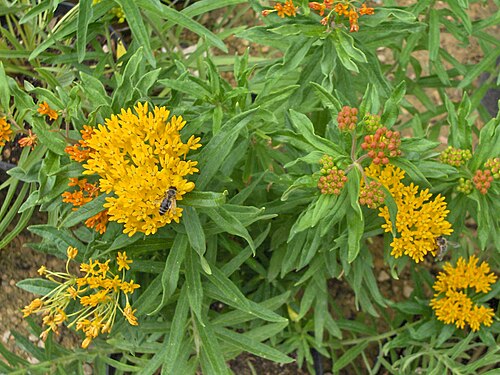
| Peony (lift and replant at correct depth) | Butterfly weed and other taproot plants (avoid dividing) |
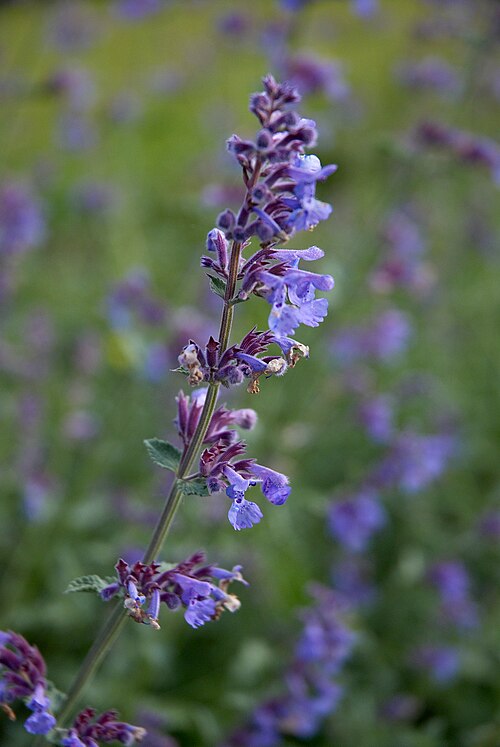
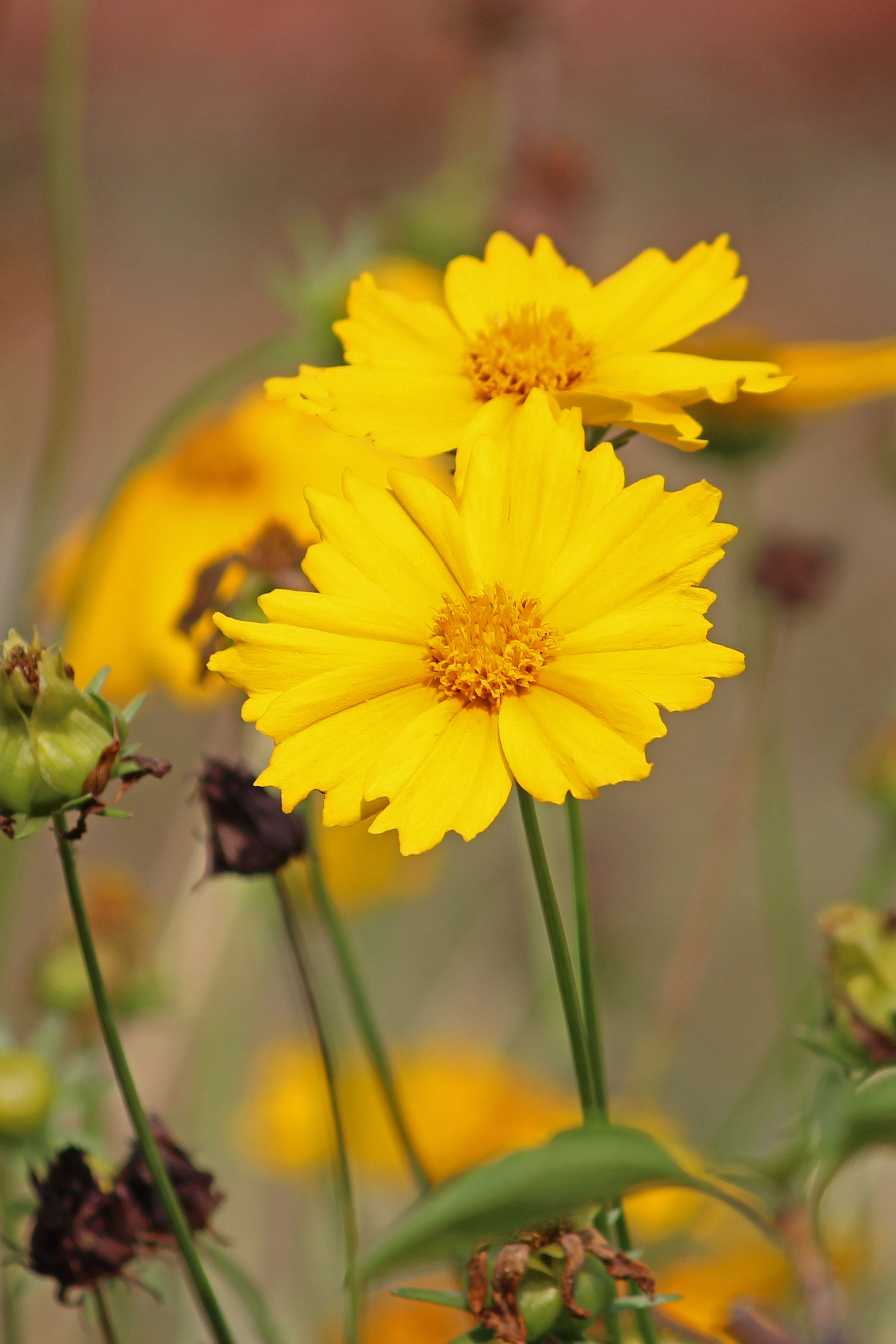
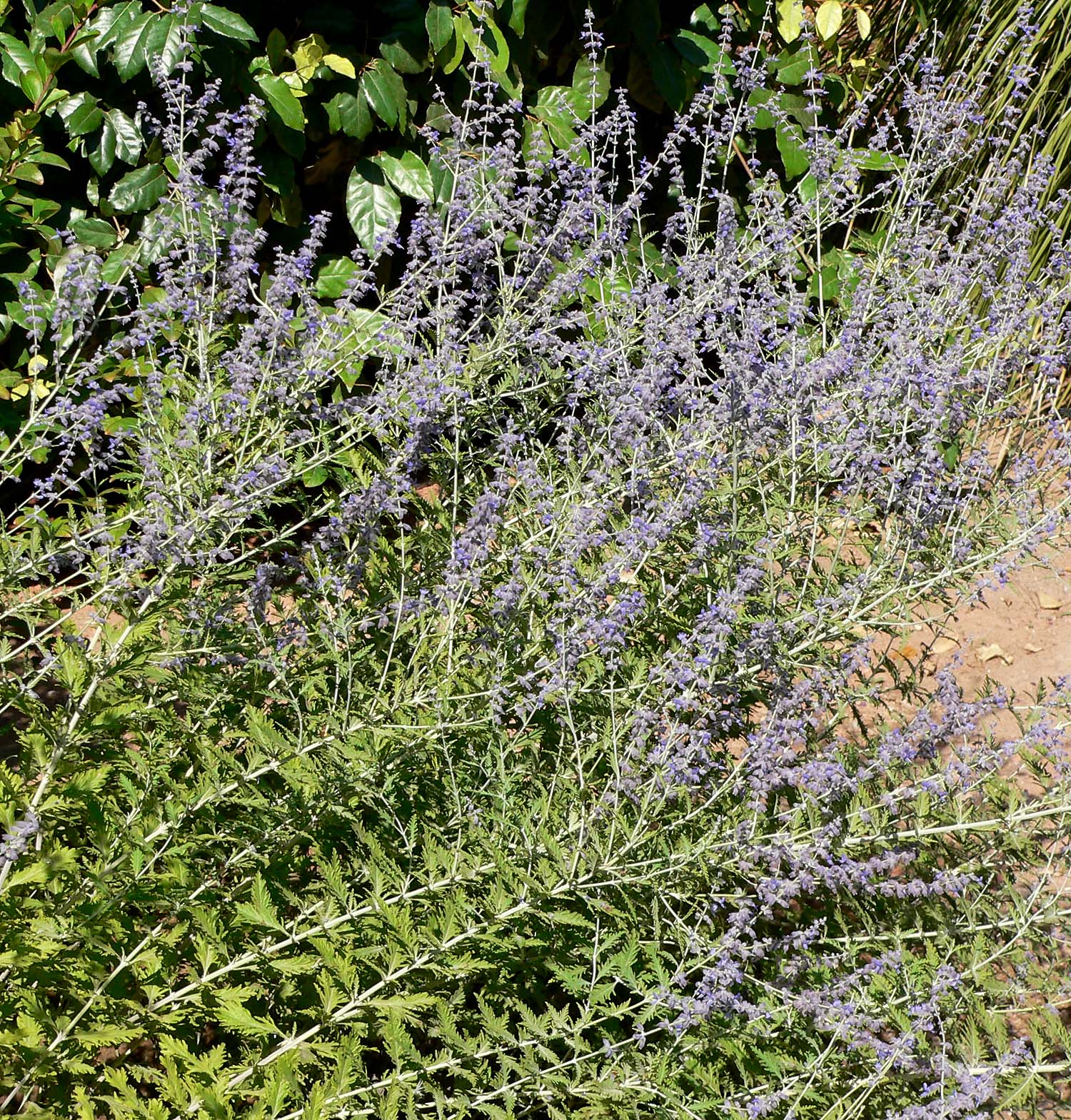
| Coreopsis, catmint, lamb's ear | Russian sage and woody-based perennials |
Signs a clump needs dividing: a dead or bare center, fewer and smaller flowers, or a plant flopping open in the middle. Most vigorous perennials benefit from division every 3 to 5 years.
🌱 Get Personalized Plant Picks
Answer a few quick questions and we’ll match plants to your exact yard conditions.
Find My Plants →Checklist
- Water the clump well a day before digging so roots hold soil.
- Cut foliage back by about half to reduce water loss while new roots form.
- Dig around the full drip line and lift the clump out with a spade or fork.
- Split with two forks back to back, a sharp spade, or a knife for dense crowns.
- Keep divisions with at least 3 to 5 healthy shoots or eyes and a good root mass.
- Replant at the original depth, water deeply, and mulch after the soil cools.
Shop digging and dividing tools on Amazon
Sharp spades, digging forks, and serrated soil knives for splitting crowns. We may earn a commission at no extra cost to you.
Amazon · Forged digging spade Amazon · Garden digging fork Amazon · Hori hori soil knife
Do it early enough
The hard deadline is root growth, not air temperature. Divisions need roughly a month of soil above about 50°F to anchor. In Zones 3 and 4, that usually means finishing by mid September. Zones 5 and 6 can work into late September or early October. Zones 7 and 8 have until late October, and Zone 9 gardeners often prefer fall and winter division because summer heat is the bigger stress.
Handling tough crowns
Daylilies and big hostas can form crowns that resist hand splitting. Two digging forks pushed in back to back and pried apart separate the clump with less root damage than chopping. For very dense grasses, a pruning saw or old bread knife works. Rinse soil off the crown first if you cannot see where natural divisions are.
Aftercare
Water new divisions every few days for the first two weeks unless rain does it for you. Do not fertilize heavily; a light compost topdress is enough. Once the soil cools, a few inches of shredded leaves or bark mulch protects roots from freeze-thaw heaving. For individual plant care, see the hosta growing guide and the catmint growing guide.
Sharing and potting extras
A single mature daylily or hosta clump often yields six or more divisions, which is more than most beds need. Pot extras in a quality potting mix, water them in, and keep the pots in a sheltered spot against the house or sunk into a vegetable bed over winter. Bare roots wrapped in damp newspaper also travel well to a neighbor or plant swap if they are replanted within a day or two.
Shop mulch and transplant helpers on Amazon
Organic starter plant food and shredded bark mulch for fresh divisions. We may earn a commission at no extra cost to you.
Amazon · Organic starter plant food Amazon · Shredded bark mulch
Zone and timing notes
Cold zones should finish dividing by mid September. Mid zones have through early October. Warm zones can divide from October into winter. In every zone, stop about a month before you expect the soil to freeze.
Bottom line
Divide spring and summer bloomers in early fall, about 4 to 6 weeks before freeze, and leave fall bloomers for spring. Water first, keep healthy divisions with several shoots each, replant at the same depth, and mulch once soil cools.
Related reading
- Hosta growing guide
- Digging spades and forks for fall planting
- Fall garden guide Zone 6
- Bare-root peonies to plant in fall
Ready to match plants to your location? Try the PlantWise Plant Finder →