How to Grow Hostas: Complete Guide
Hostas are among the easiest and most rewarding shade perennials to grow - plant them in rich, evenly moist soil, give them dappled to full shade (or morning sun for some variegated varieties), water regularly, mulch, divide every few years, and protect young foliage from slugs and deer. This guide walks you step‑by‑step through planting, seasonal care, common problems, and propagation so your hostas thrive.
Quick Reference
- Best light: shade to part shade; variegated types tolerate more morning sun.
- USDA zones: generally 3-9 (varies by cultivar).
- Soil: rich, well‑drained loam amended with plenty of organic matter.
- Water: about 1" per week; more in heat or sandy soils.
- Spacing: 1-4 ft depending on mature size (check plant tag).
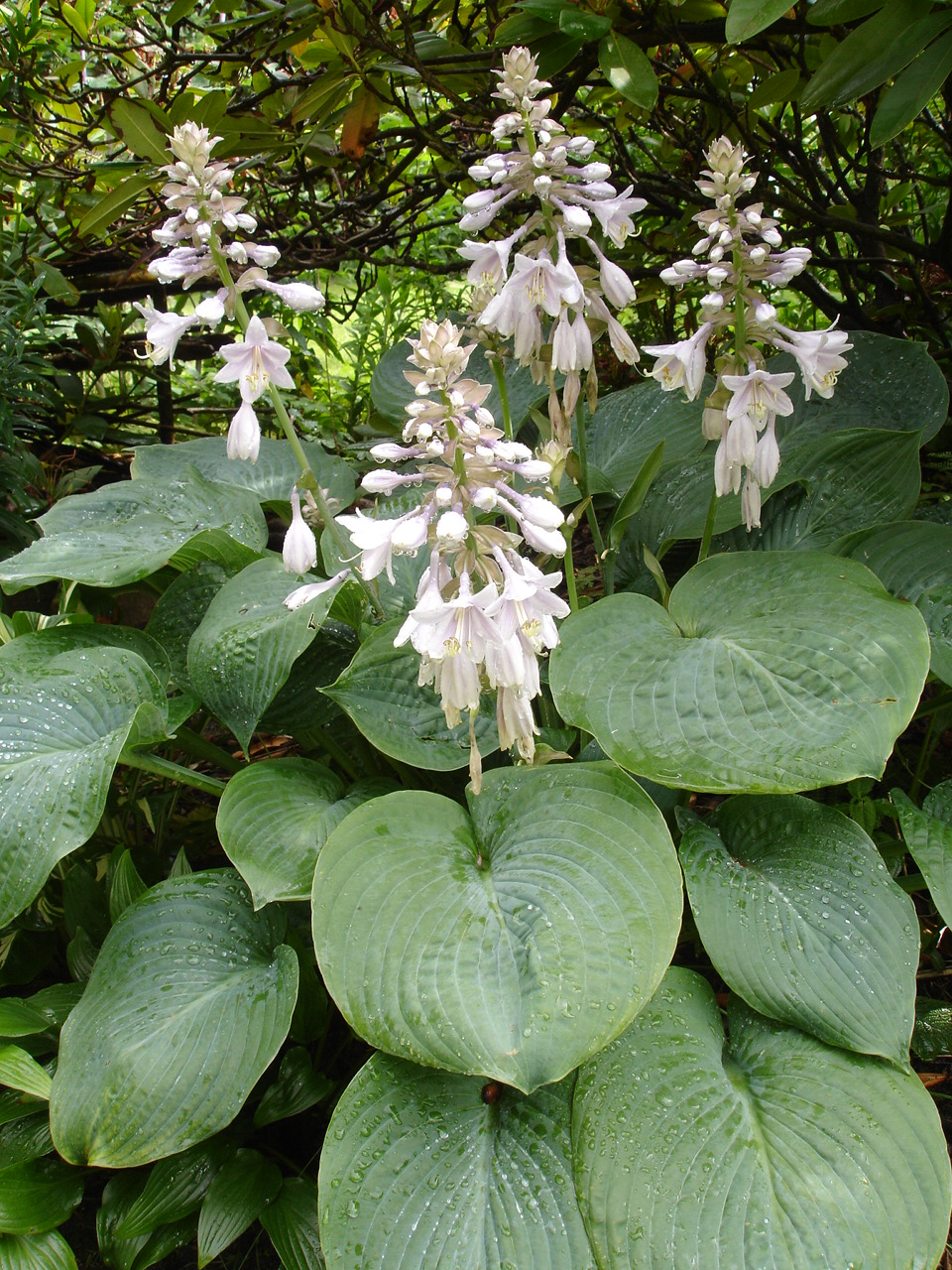
- Bloom: summer spikes of lavender, white, or near‑white flowers.
- Maintenance: mulch, remove dead leaves, divide every 3-5 years.
- Common pests: slugs, snails, deer, voles; also Hosta Virus X and crown rot in poor drainage.
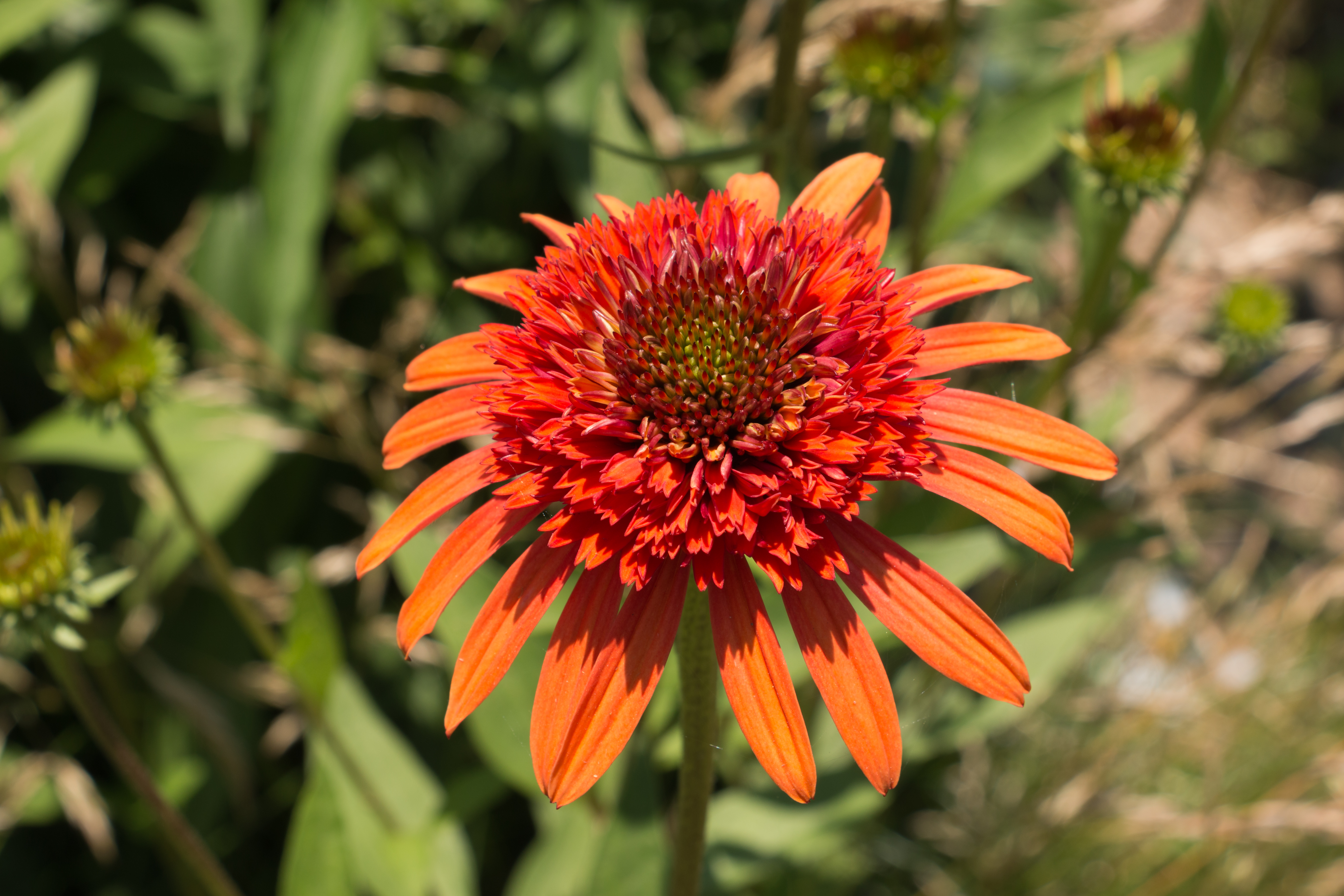
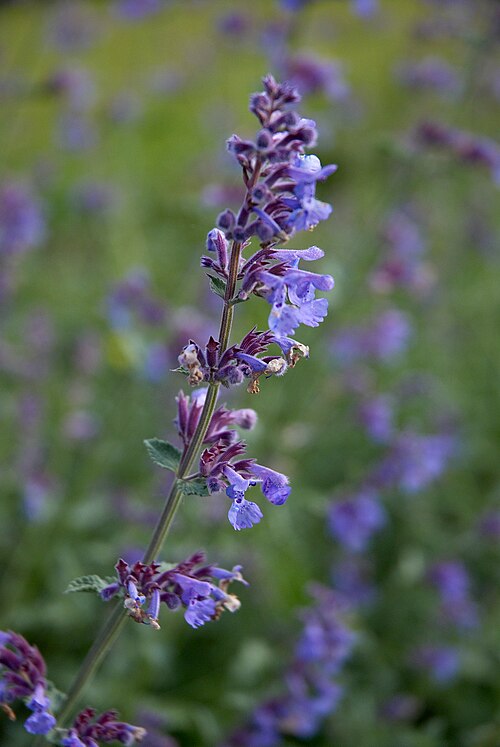
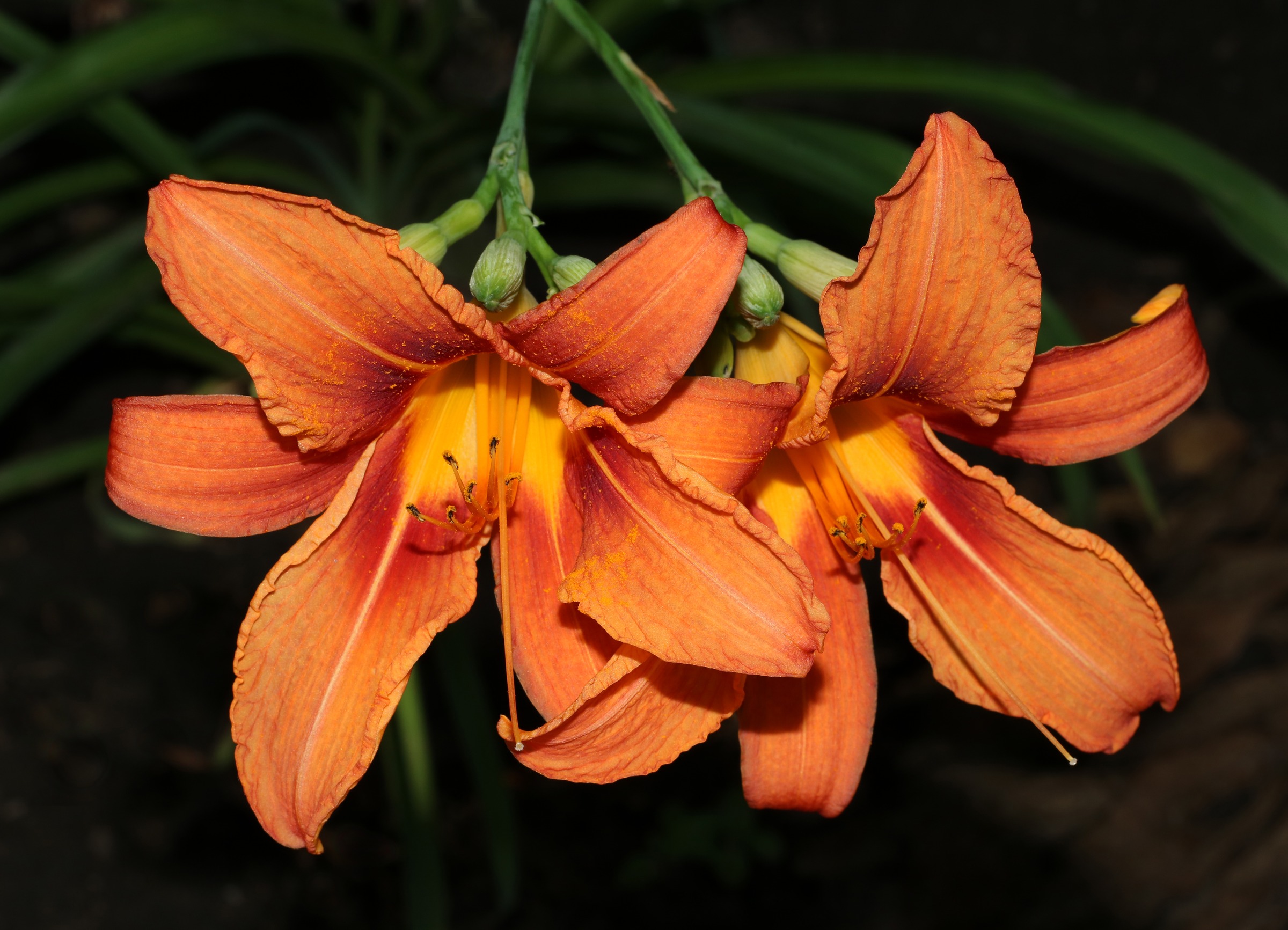
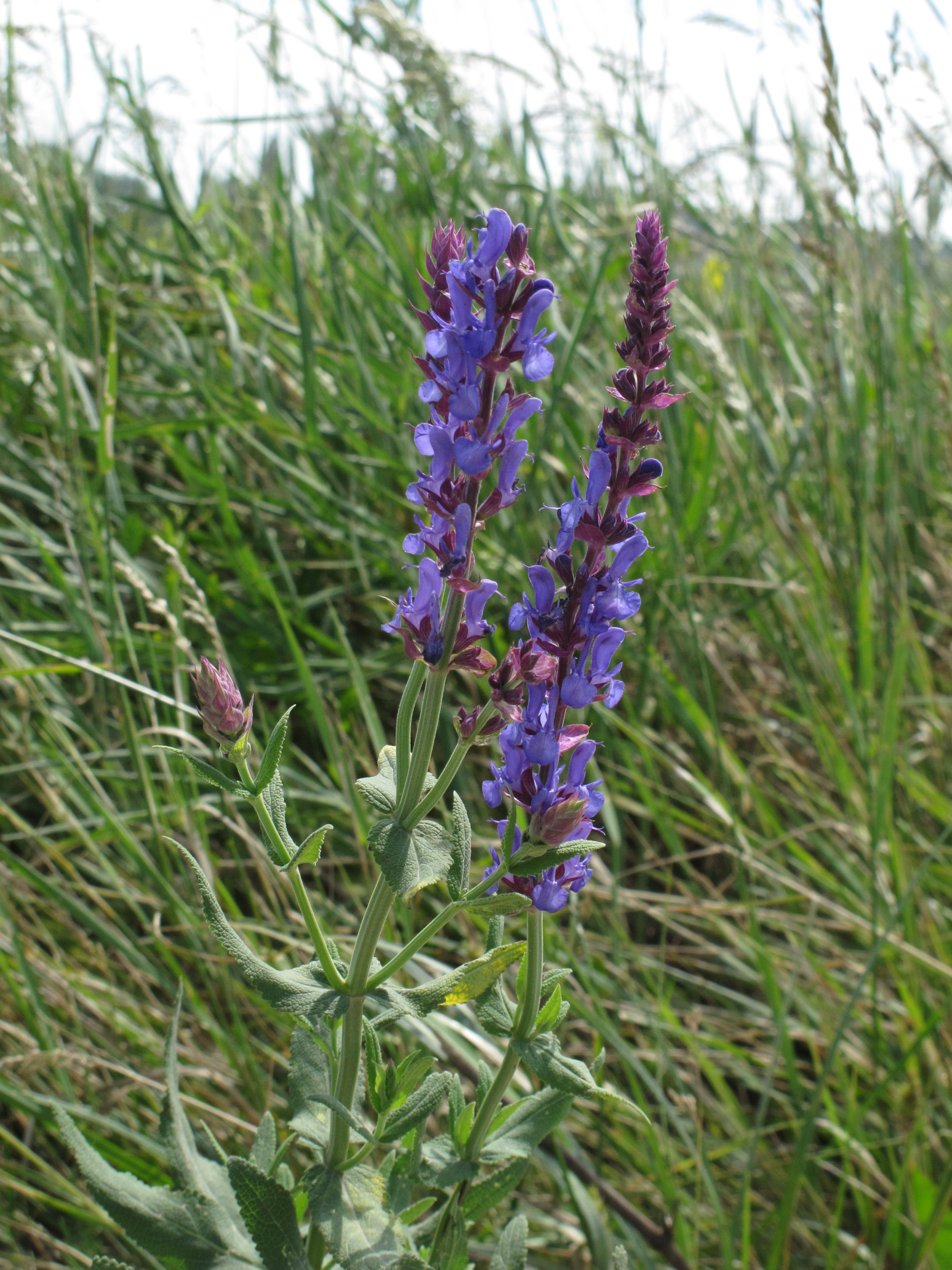
- Great companion plants: Daylily, Coneflower, Salvia, Catmint.
🌱 Get Personalized Plant Picks
Answer a few quick questions and we’ll match plants to your exact yard conditions.
Find My Plants →Where and How Should I Plant Hostas?
Pick a location with shade or dappled light. Most hostas prefer bright indirect light; heavily variegated cultivars need a bit more morning sun to keep color, but avoid hot afternoon sun which will scorch leaves. Prepare the bed by digging a planting hole twice as wide as the rootball and mixing several inches of compost into the native soil to improve structure and fertility.
Planting steps:
- Remove the container and loosen circling roots.
- Set the crown (where roots meet shoots) level with the soil surface - don’t bury it too deep.
- Backfill and firm gently; water deeply to settle soil and eliminate air pockets.
- Apply a 2-3" layer of organic mulch kept a few inches from the crown to conserve moisture and suppress weeds.
Timing: plant in spring after last frost or in early fall at least 6-8 weeks before first hard freeze so roots can establish.
How Do I Care for Hostas Throughout the Year?
Spring: Clear away old mulch and winter debris so crowns can emerge. Fertilize with a slow‑release balanced fertilizer or a light application of compost. Water newly planted hostas regularly for the first growing season.
Summer: Keep soil consistently moist - hostas do not like to dry out. Mulch will reduce watering frequency. If you want to control height and encourage foliage, remove flower stalks after bloom; if you prefer pollinators, leave the stalks for bees and hummingbirds.
Fall: After foliage is killed by frost, you can cut back leaves to tidy beds and reduce overwintering sites for pests and disease. Consider a thin winter mulch in colder areas to prevent freeze‑thaw heaving.
Winter: Hostas are hardy in most temperate climates; crowns stay dormant. Avoid heavy foot traffic on frozen beds which can crush crowns.
Watering tip: Aim for deep, infrequent soakings rather than shallow daily sprinkles - this encourages deeper root growth. In hot, dry summers, supplement rainfall to maintain about 1" of moisture per week.
What Problems Should I Watch For?
Slugs and snails are the top leaf‑chewers - they create ragged holes and a shiny slime trail. Control with hand‑picking, iron‑phosphate baits, beer traps, or copper barriers. Voles may eat crowns from below; keep mulch shallow and avoid letting vegetation touch crowns.
Deer love hostas and will strip a bed quickly. No plant is truly deer‑proof; use fencing, motion deterrents, or plant strong‑scented companions (like catmint or salvia) to reduce browsing.
Diseases: Hosta Virus X (HVX) causes mottled leaves and distorted growth; remove and dispose of infected plants (do not compost) and sanitize tools. Poor drainage can lead to crown rot - correct by improving soil structure and raising beds.
Quick pests/diseases checklist:
- Slugs/snails: visible holes/slime - trap or bait.
- Deer: whole leaves removed - fencing or deterrents.
- Voles: crowns chewed - trap and reduce mulch/ground cover.
- Viral disease (HVX): mottling/sudden decline - destroy infected plants and disinfect tools.
- Crown rot: soft, discolored crowns - improve drainage and avoid overwatering.
How Do I Propagate and Divide Hostas?
Dividing is the easiest way to propagate and rejuvenate clumps. Best times are early spring as shoots emerge or early fall when temperatures are cooler.
Step‑by‑step division:
- Dig up the entire clump with a spade, keeping a wide radius of soil to protect roots.
- Shake or wash soil to expose the root ball and crowns.
- Use a sharp knife, spade, or garden fork to separate the clump into sections. Each division should have at least one or two growing points ("eyes") and a healthy portion of roots.
- Replant divisions at the same depth as original plants, firm soil, and water thoroughly.
For small increases, you can also propagate by root cuttings or by separating new shoots that form at the edge of the clump.
Are Hostas Toxic to Pets?
Hostas contain saponins and are considered toxic to dogs, cats, and horses if eaten; symptoms include vomiting, drooling, and diarrhea. If you suspect your pet has ingested a toxic plant, call the ASPCA Animal Poison Control Center immediately at (888) 426-4435. If your pet shows signs of distress, contact your veterinarian promptly.
Final tips
- Label varieties - hosta names and sizes vary widely, and keeping tags helps with future planning.
- Match hosta size and vigor to the planting space; large clumpers can overwhelm small beds.
- Combine foliage contrast (large hosta leaves vs delicate coneflower spikes or daylilies) for beautiful, low‑maintenance shade borders.
Ready to find the perfect plants for your yard? Try the PlantWise Plant Finder →