Yes - you can have a beautiful garden in wet shade. Several perennials and subshrubs thrive where soil is consistently damp and light is filtered: choose plants adapted to moist soils, add organic matter to improve structure, and select species that tolerate low light to avoid root rot and sparse growth.
What Is Wet Shade and Why Is It Challenging?
Wet shade describes sites that receive limited direct sunlight (deep or partial shade) and have soil that stays moist for long periods - think under dense trees, along north-facing foundations, or in low swales. The combination is challenging because many shade-tolerant plants need well-drained soils, while moisture-loving plants often want more sun. Problems to watch for include slow drying after rain, compacted soil, poor air circulation, fungal diseases, and competition from tree roots.
🌱 Get Personalized Plant Picks
Answer a few quick questions and we’ll match plants to your exact yard conditions.
Find My Plants →Which Plants Thrive in Wet Shade?
Below are reliable choices that tolerate (or prefer) moist, shady conditions. Plant recommendations include how they behave in wet shade and quick planting tips.
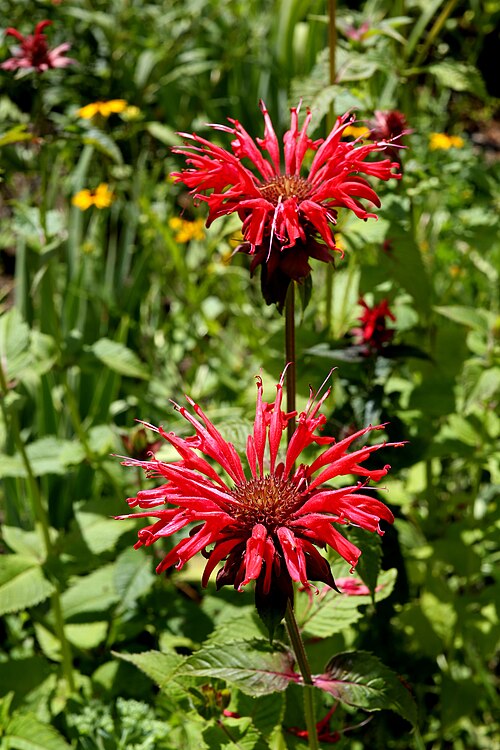
- Bee Balm - Monarda species tolerate consistent moisture and do well in part shade. In wet shade they may be shorter and bloom a bit later; provide air circulation to reduce powdery mildew risk.
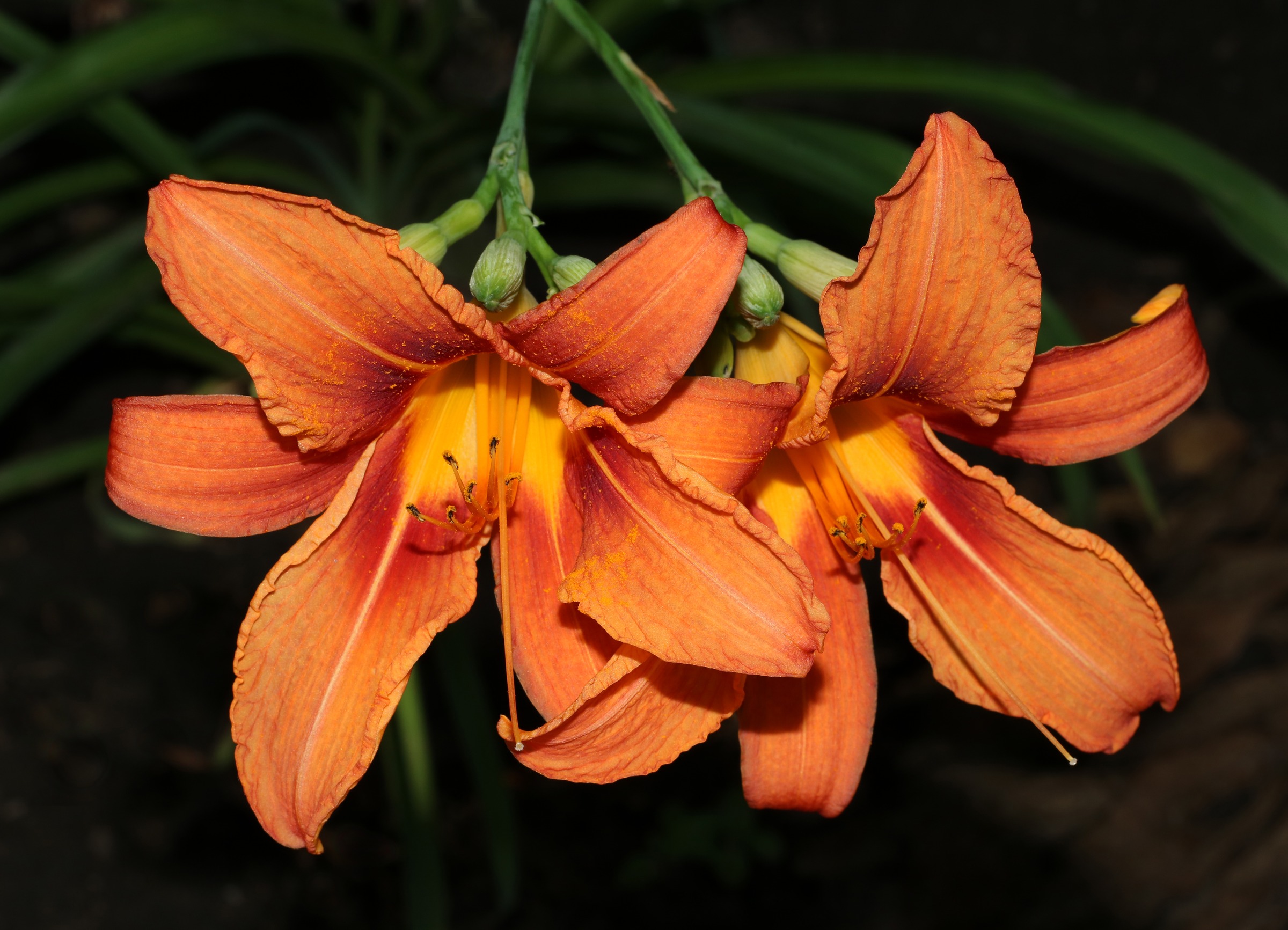
- Daylily - Many daylily varieties handle moist soils and light shade. They’re tough performers and provide strong clumps of foliage and blooms. Watch for slug damage in very damp spots.
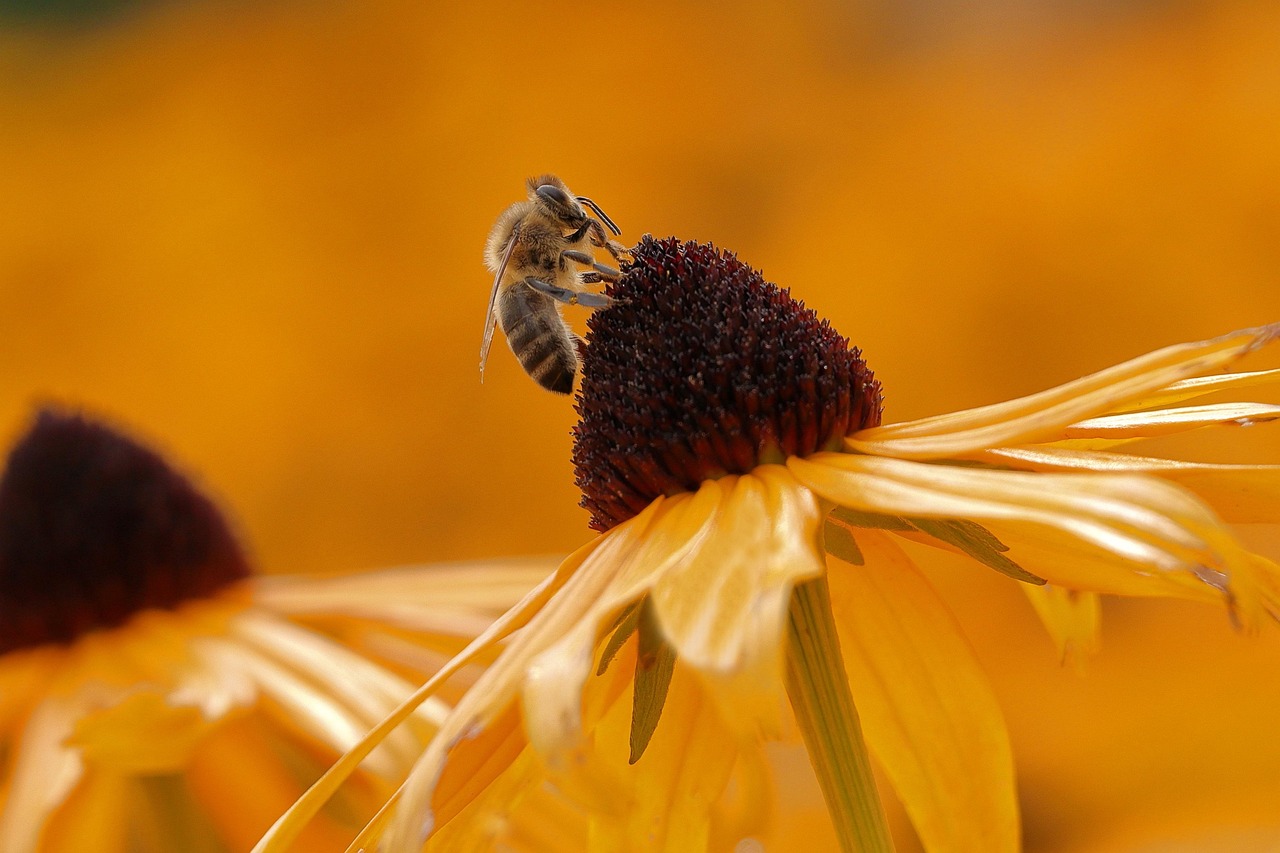
- Black-eyed Susan - Rudbeckia can tolerate moist, partly shaded sites, especially if given a bit more light in the day. Choose varieties noted for moisture tolerance for best results.
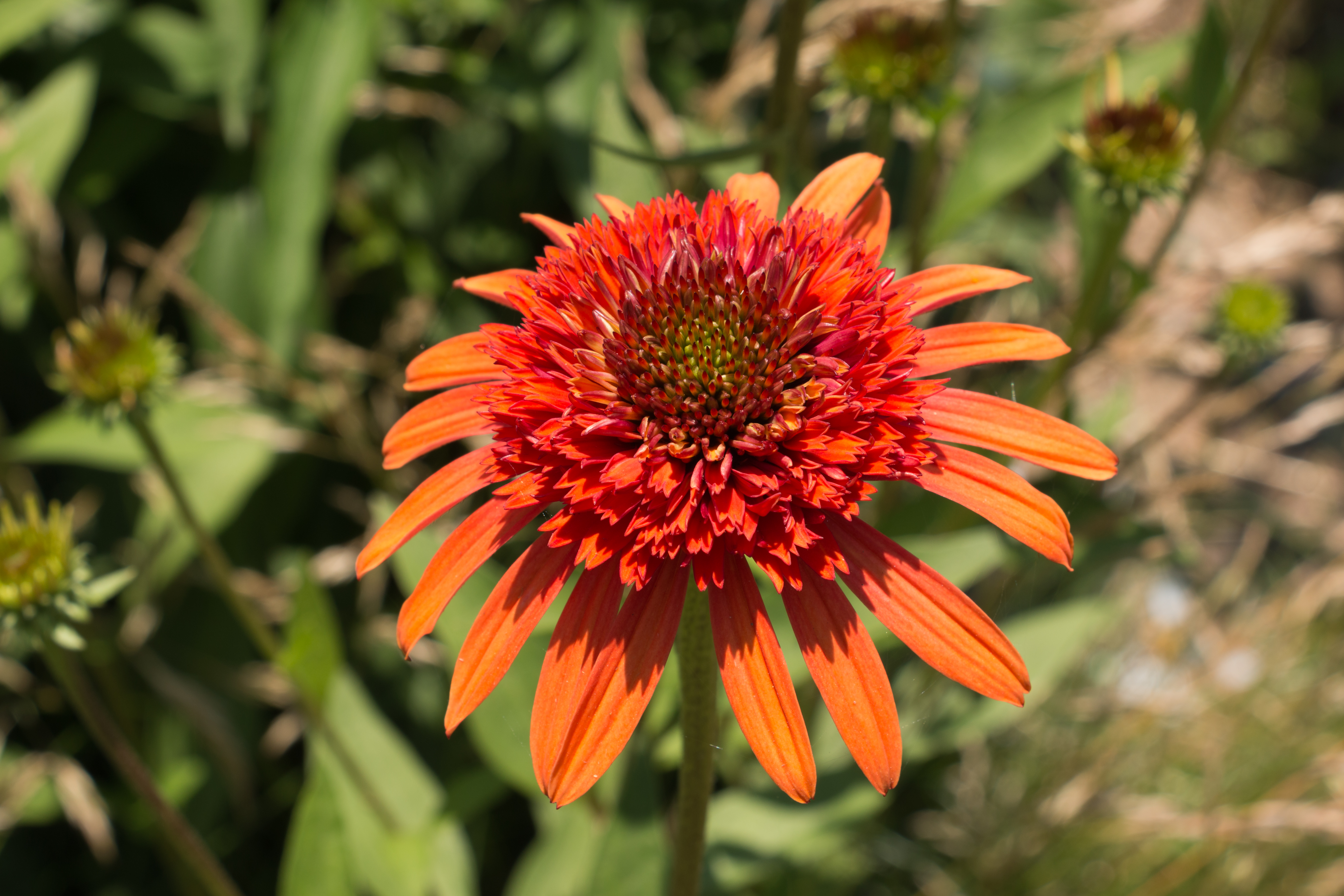
- Coneflower - Echinacea prefers sun but several cultivars will carry on in moist, dappled shade; flowers may be fewer but plants still provide structure and seedheads for winter interest.
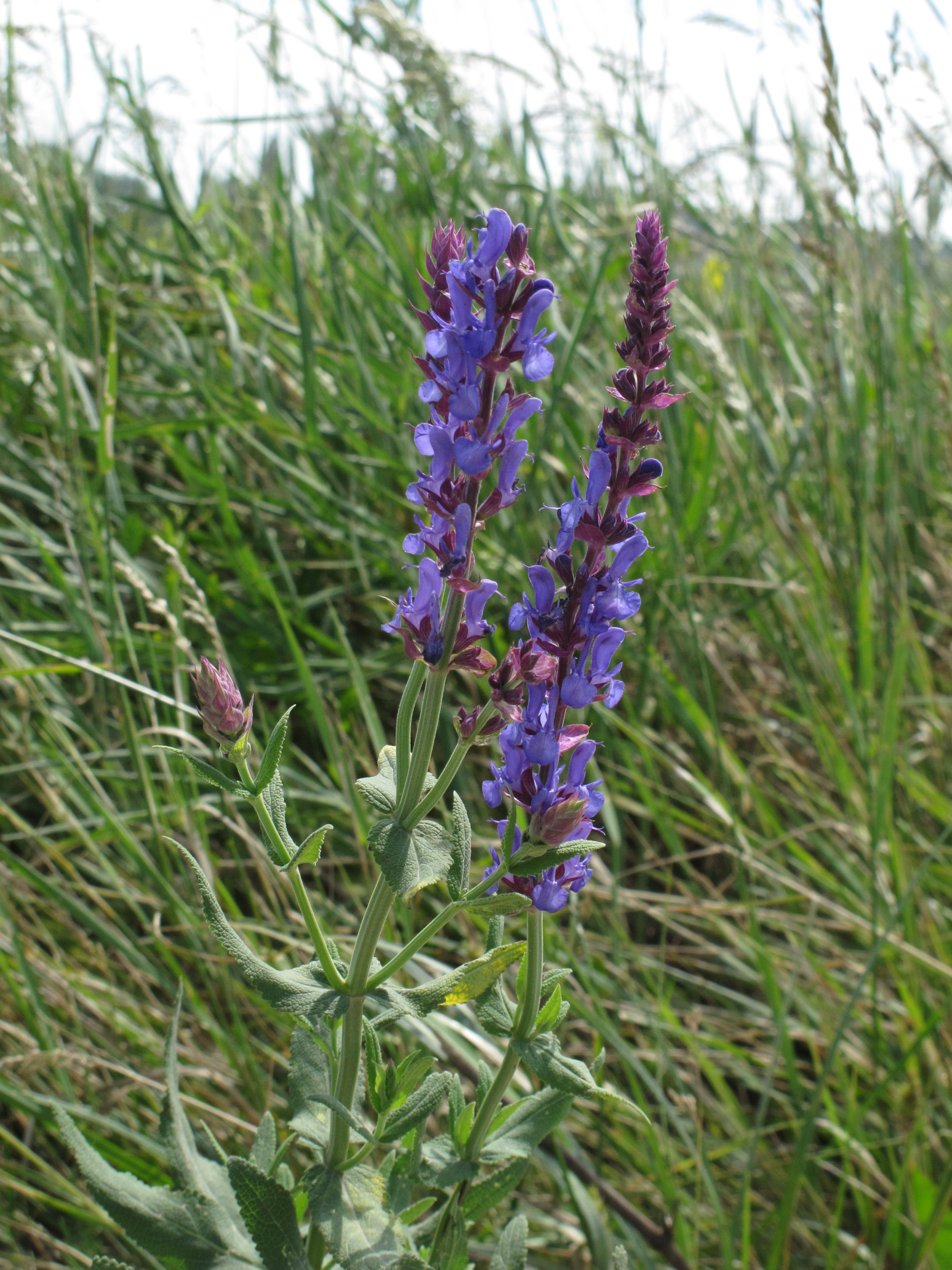
- Salvia - Some salvias (choose moisture-tolerant species or cultivars) will perform in part shade and damp soil - great for adding color and pollinator interest.
When choosing from lists like this, match plant mature size and bloom time to your garden plan and consider grouping plants with similar moisture/light needs.
How Do I Plant and Care for Wet Shade Plants?
Actionable steps to establish and maintain a healthy wet shade garden:
- Test and observe: Note how soggy the soil stays and how much light the site gets through the day. That guides plant selection.
- Improve soil structure (if possible): Work in 2-4 inches of well-rotted compost to help roots breathe and to increase nutrient-holding capacity. Avoid heavy tilling under tree roots.
- Use raised mounds or shallow berms for species needing slightly better drainage; leave true wet-loving species at grade.
- Mulch 2-3 inches with coarse bark or leaf mulch to suppress weeds, moderate moisture swings, and add organic matter as it breaks down. Keep mulch away from crowns to prevent rot.
- Space for airflow: Crowding encourages fungal disease in humid, shaded spots. Observe recommendations on plant tags and remove overcrowded clumps every few years.
- Planting technique: Plant at the same depth as in the pot; avoid burying the crown. Water in well and monitor the first season as plants establish.
- Disease management: Choose resistant varieties when available. Remove and destroy diseased foliage, and avoid overhead watering late in the day.
- Seasonal care: Divide clumping perennials (like daylilies) in spring or fall to maintain vigor. Cut back spent stems after flowering to reduce disease and tidy the bed.
- Consider companion planting and layers: Understory ferns, groundcovers, and shrubs that tolerate wet shade can create a cohesive planting that shades the soil, reduces evaporation, and looks natural.
Quick Reference - Best Picks at a Glance
A simple checklist to compare key traits (good for planning beds):
- Bee Balm (Bee Balm) - Light: part shade; Soil: moist; Height: 1-3 ft; Notes: pollinator magnet, air circulation needed.
- Daylily (Daylily) - Light: part sun to part shade; Soil: moist to average; Height: 1-2 ft; Notes: divides easily, watch for cat sensitivity (see below).
- Black-eyed Susan (Black-eyed Susan) - Light: part sun to part shade; Soil: moist; Height: 2-3 ft; Notes: long bloom, tolerates damp ground.
- Coneflower (Coneflower) - Light: part sun to part shade; Soil: moist to average; Height: 2-4 ft; Notes: good seedheads for winter birds.
- Salvia (Salvia) - Light: part sun to part shade; Soil: moist (select cultivars); Height: variable; Notes: choose moisture-tolerant species.
Use this quick guide to sketch bed layouts and pick 3-5 species per bed for continuous bloom and layered texture.
Are These Plants Toxic to Pets?
Pet safety varies by species. Many garden perennials are not listed as toxic to dogs and cats, but there are important exceptions to know. Notably, daylilies (Hemerocallis) are highly toxic to cats - ingestion can cause life-threatening kidney failure. For other plants above: several (bee balm, black-eyed Susan, coneflower, and many salvias) are generally not listed as toxic to dogs and cats, but cultivar differences and other species in the same botanical family may be harmful.
If you suspect your pet has ingested a toxic plant, call the ASPCA Animal Poison Control Center immediately at (888) 426-4435.
Always supervise pets in new beds, and when in doubt check the ASPCA database or your veterinarian for specifics on a plant or cultivar before planting.
Ready to find the perfect plants for your yard? Try the PlantWise Plant Finder →