Dry shade is one of the toughest conditions for gardeners, but yes - you can grow attractive, low-maintenance plants there. The best dry shade plants are species and varieties adapted to low light and limited water: think drought-tolerant perennials and tough groundcovers placed in the right micro-sites (dappled light or the driest parts beneath trees). With correct plant selection and a few planting tricks, you can get reliable color and texture where most plants struggle.
What is “dry shade”?
Dry shade is shade plus drought: little or no direct sun for most of the day, combined with soil that stays dry because of tree roots, compacted soil, or fast-draining media. It’s different from cool, moist shade (like a north-facing garden) - plants that love ferny, damp woodland soil often fail in dry shade. When planning, identify whether your site is deep shade (no direct sun) or light/dappled shade (some morning or filtered sun) and how much tree root competition and soil compaction you’re dealing with.
🌱 Get Personalized Plant Picks
Answer a few quick questions and we’ll match plants to your exact yard conditions.
Find My Plants →Which plants actually work in dry shade?
Below are hardy choices from the PlantWise collection that tolerate low light and limited moisture when sited correctly. Note: many of these perform best in light or dappled shade rather than absolute darkness.
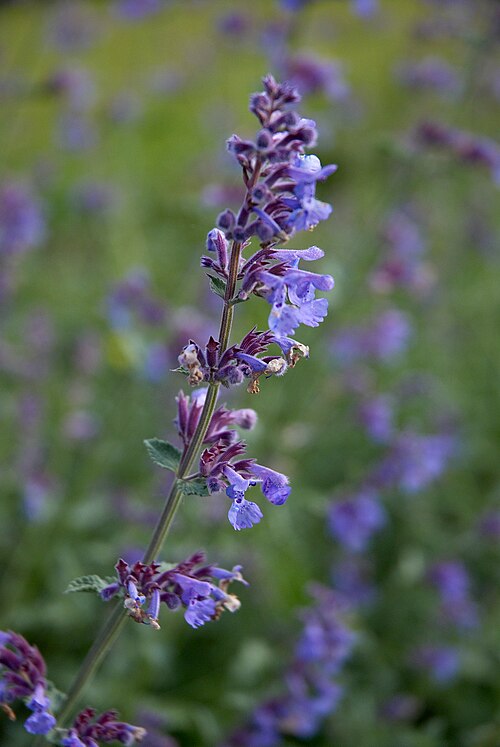
- Catmint - Catmint (Nepeta) tolerates poor soils and dry conditions; in dry shade it offers aromatic foliage and spiky blooms. Plant in loosened soil and give it room to spread.
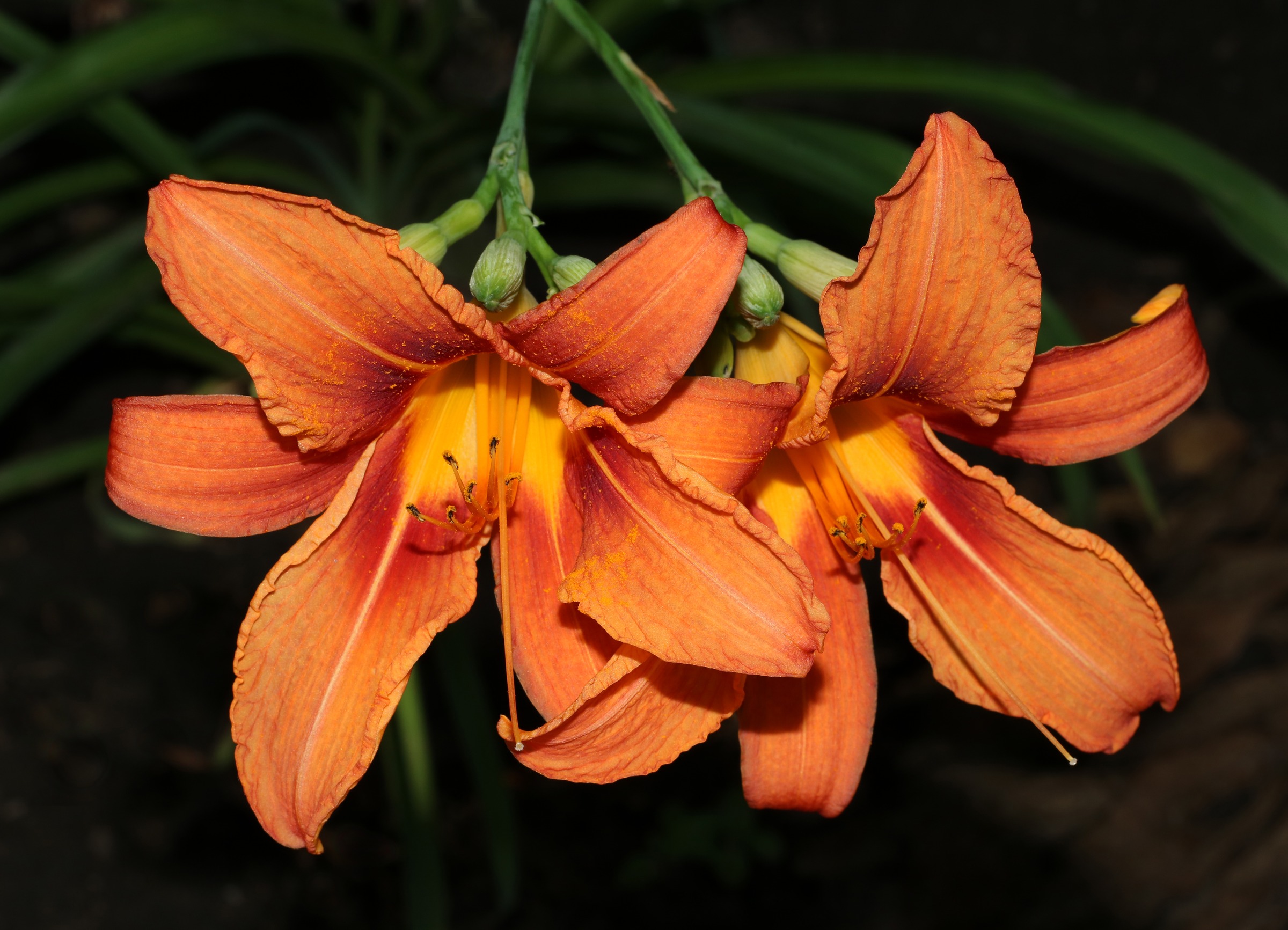
- Daylily - Daylilies are more flexible than many people realize; many varieties handle part shade and periods of dryness, especially if they receive some morning light.
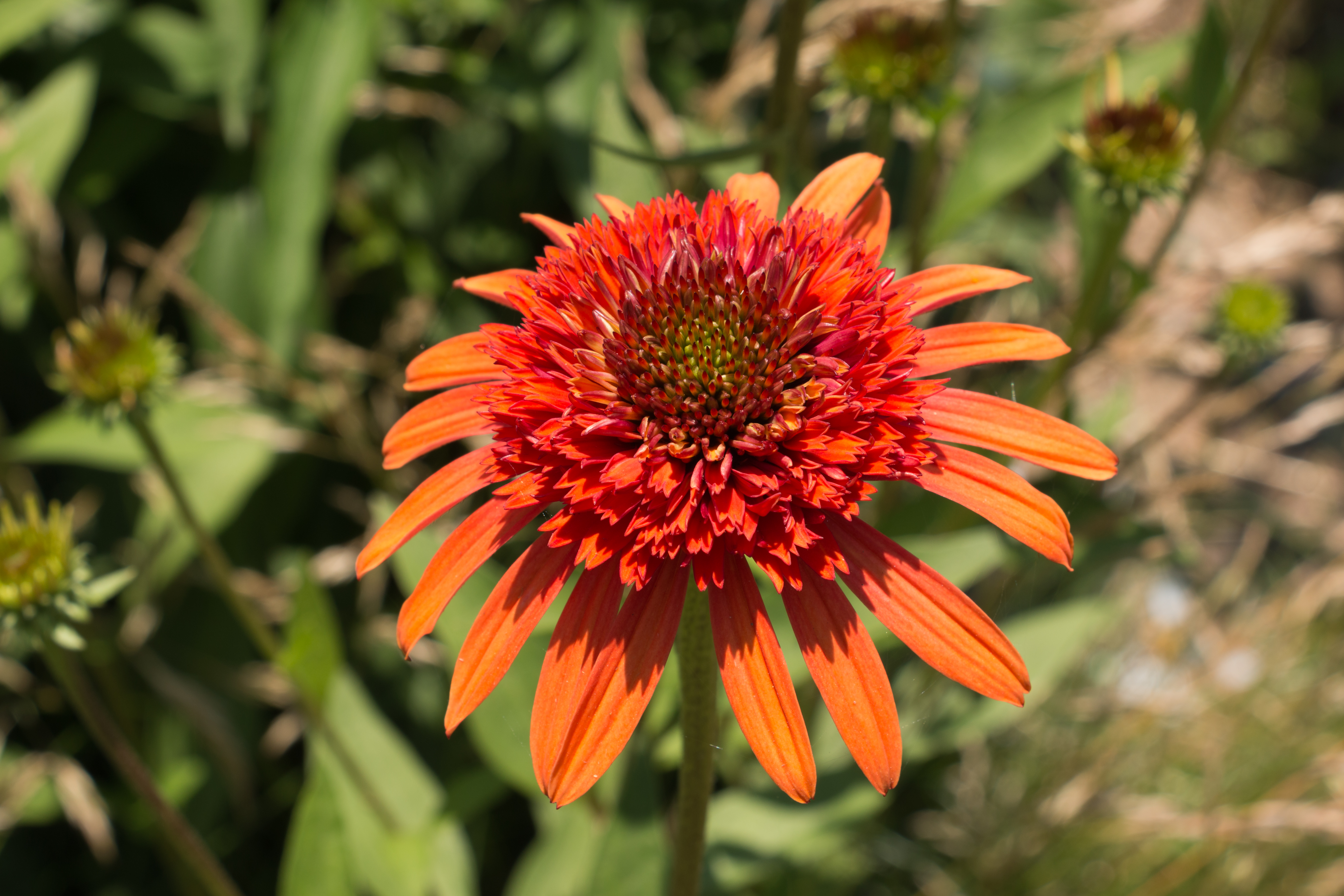
- Coneflower - Coneflowers often tolerate light shade and will persist with minimal water once established - choose varieties noted for shade tolerance and avoid dense, deep shade.
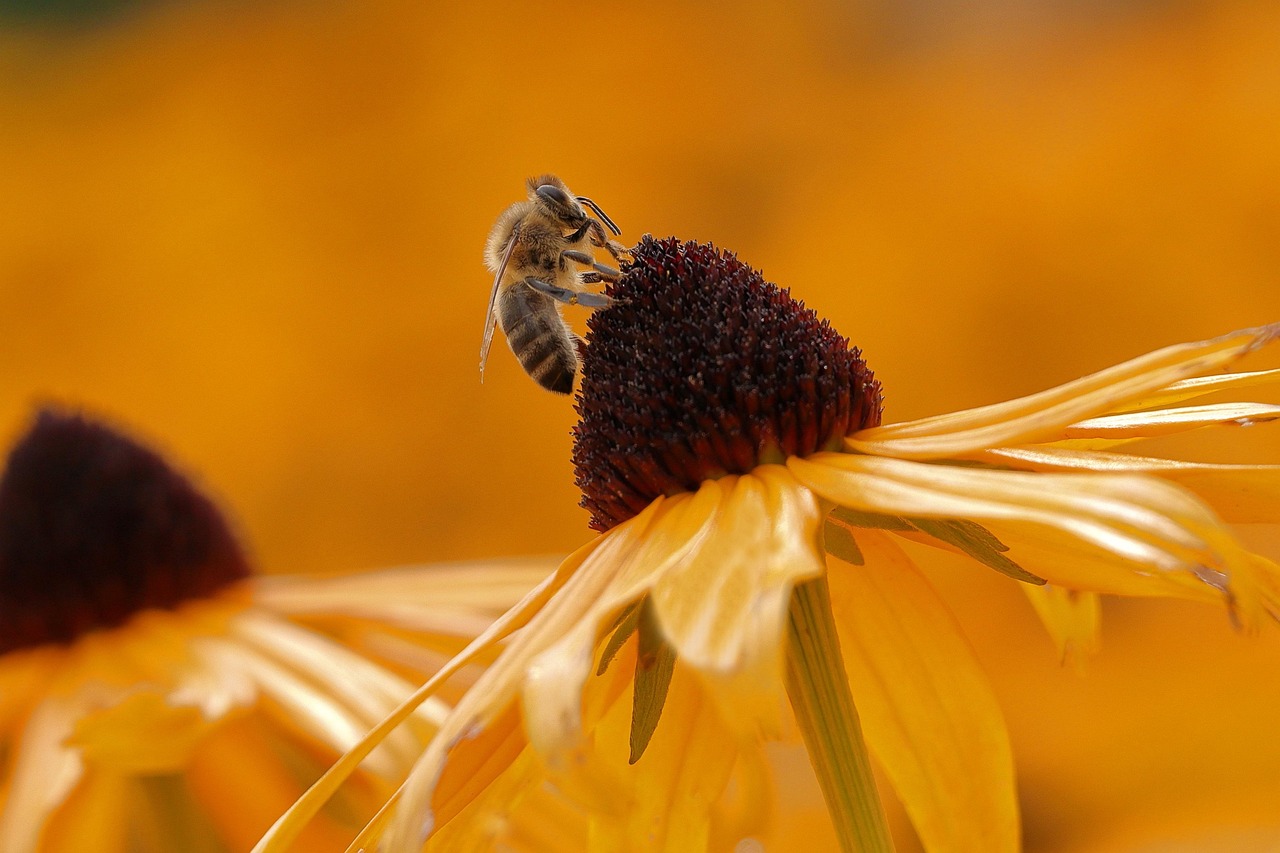
- Black-eyed Susan - Rudbeckia can perform in light dry shade and gives long-lasting blooms; good for adding late-summer color under open-canopied trees.
Practical note: If your location is under a dense evergreen canopy with little to no light, you’ll need true shade specialists (not covered here). The plants above are best for dry shade with at least some filtered or morning sun.
Quick Reference
A compact cheat-sheet to compare these choices at a glance.
- Catmint (Nepeta) - Exposure: light/dappled shade; Water: low once established; Soil: well-drained; Height: 12-24 in
- Daylily - Exposure: part shade to light shade; Water: moderate (tolerates dry spells); Soil: average, well-drained; Height: 12-36 in
- Coneflower (Echinacea) - Exposure: light shade to sun; Water: low once established; Soil: well-drained; Height: 18-36 in
- Black-eyed Susan (Rudbeckia) - Exposure: light shade to sun; Water: low-moderate; Soil: average, well-drained; Height: 18-36 in
Use this as a starting point to match cultivar specifics and your exact microclimate.
How can I improve success in dry shade?
Good planting technique matters more than fertilizer in dry shade. Try these steps:
- Reduce root competition - avoid digging large holes near big trees. Instead, create planting pits that minimally disturb tree roots, or plant in raised berms/containers placed above the root zone.
- Loosen the soil - break up compacted topsoil with a garden fork to help roots establish. Don’t over-amend with lots of high-organic compost; a light top-dressing (1-2 in) mixed into the planting hole is enough and helps drainage.
- Mulch carefully - apply 2-3 inches of shredded bark or leaf mulch to conserve moisture and moderate temperature. Keep mulch away from crowns and stems to prevent rot.
- Water deeply but infrequently - give new plants a good soak to establish, then taper to deep, infrequent watering. Shallow, frequent watering encourages surface roots and poor drought tolerance.
- Choose planting sites with a little extra light or morning sun whenever possible - even 2-3 hours of gentle light makes a big difference.
- Consider mycorrhizal inoculants - they can help plants access water and nutrients in competitive root zones (follow product directions).
How do I care for these plants?
Maintenance for dry-shade performers is simple but specific:
- Establishment is key - provide regular water for the first growing season, then reduce frequency. A newly planted perennial often needs weekly water in dry months.
- Deadhead spent flowers on coneflower and black-eyed-susan to extend bloom, or leave seedheads for winter interest and wildlife.
- Divide clumps (daylilies, catmint) every 3-5 years to rejuvenate plants and control size.
- Watch for signs of rooting issues - yellowing or slow growth can mean root competition or compacted soil; consider moving plants to a less-competitive spot if they decline.
- Pest and disease concerns are usually low in dry shade, but avoid overwatering and poor air circulation to reduce fungal problems.
Planting tip: install drip irrigation or soaker hoses on a simple timer to give new plantings consistent early-season moisture without encouraging surface-rooting habits.
Dry shade is a challenge, but with realistic expectations and the right choices you can create attractive, low-input plantings that persist year after year. Start with a few hardy perennials, observe how much light and moisture your site actually gets, and expand from there.
Ready to find the perfect plants for your yard? Try the PlantWise Plant Finder →