How to Grow Catmint (Nepeta): Complete Guide
Catmint ( Nepeta ) is a truly remarkable perennial, offering a long season of beautiful blooms, a delightful fragrance, and incredible resilience. To grow catmint successfully, choose a sunny location with well-draining soil, plant it in spring or fall, and water regularly until established. Once settled, it's remarkably drought-tolerant and low-maintenance, thriving with minimal fuss. Its silvery-green foliage and spikes of lavender-blue flowers make it a favorite for gardeners seeking an easy-care, pollinator-friendly, and deer-resistant plant.
🌱 Get Personalized Plant Picks
Answer a few quick questions and we’ll match plants to your exact yard conditions.
Find My Plants →What Makes Catmint Such a Great Garden Plant?
Catmint is a superstar in the garden, earning its popularity for a multitude of reasons. Beyond its charming appearance, it offers a host of practical benefits that make it a go-to choice for both novice and experienced gardeners.
First and foremost, catmint is incredibly adaptable and tough. It tolerates a wide range of conditions, from poor soil to drought, and laughs in the face of heat and humidity. This resilience makes it an ideal plant for challenging spots in the garden or for gardeners who prefer a low-maintenance approach.
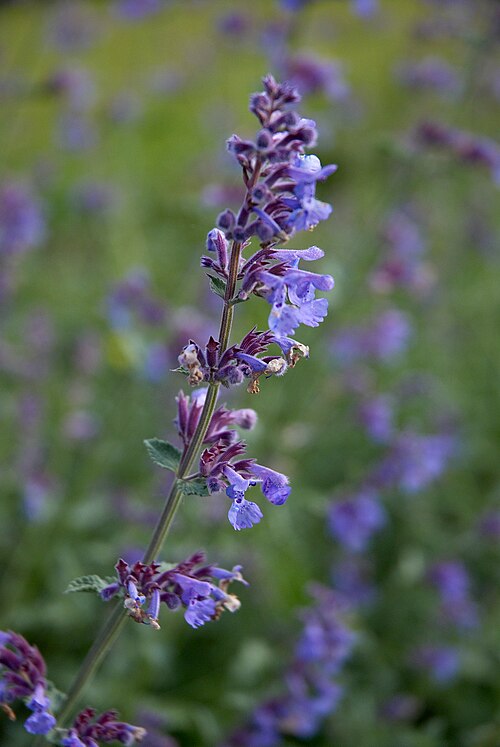
Its long blooming season is another major draw. From late spring through fall, catmint produces a continuous display of delicate, lavender-blue to violet flowers. This extended color show ensures your garden remains vibrant for months, providing a reliable source of nectar for beneficial insects.
Speaking of beneficial insects, catmint is a pollinator magnet. Bees, butterflies, and other pollinators flock to its nectar-rich blooms, making it an excellent choice for supporting local ecosystems and boosting biodiversity in your yard.
For those battling garden pests, catmint offers a natural solution. It's renowned for being deer and rabbit resistant, a huge relief for gardeners in areas where these animals are a persistent problem. (While no plant is truly deer-proof, catmint is consistently ranked among the least preferred options by deer.) The aromatic foliage, which gives catmint its distinctive scent, is generally unappealing to these browsing animals.
Finally, its versatility in the landscape is unmatched. Catmint works beautifully as a border plant, in rock gardens, mass plantings, or as a soft, flowing groundcover. Its silvery-green foliage provides a lovely contrast to other plants, and its mounding habit creates a graceful, informal look.
Quick Reference: Catmint Growing Guide
| Feature | Detail
This plant is not listed as toxic for dogs by the ASPCA, but it's always wise to prevent pets from consuming any plant material, as individual sensitivities can vary. If you suspect your pet has ingested a toxic plant, call the ASPCA Animal Poison Control Center immediately at (888) 426-4435.
What are the Best Growing Conditions for Catmint?
Catmint is remarkably unfussy, but providing its ideal conditions will result in the most vigorous growth and abundant blooms.
- Sunlight: Catmint thrives in full sun, meaning at least six hours of direct sunlight per day. While it can tolerate some partial shade, especially in hotter climates, too little sun will lead to leggy growth and fewer flowers.
- Soil: Well-draining soil is paramount for catmint. It doesn't like wet feet, especially in winter. Sandy or rocky soils are perfectly fine, and it can even tolerate poor soil fertility. If you have heavy clay soil, amend it with organic matter like compost or grit to improve drainage. The ideal pH range is slightly acidic to slightly alkaline (6.0-8.0).
- Watering: Once established, catmint is incredibly drought-tolerant. For new plantings, water regularly (1-2 times per week) for the first growing season to help them develop a strong root system. After that, supplemental watering is rarely needed unless you're experiencing a prolonged dry spell or extreme heat. Overwatering is a common killer of catmint.
- Temperature and Humidity: Catmint is hardy in USDA Zones 3-8 (some varieties up to Zone 9). It tolerates both cold winters and hot summers well. High humidity is generally not an issue as long as there is good air circulation and well-draining soil.
How Do I Plant and Care for Catmint?
Planting catmint is straightforward, and its care is minimal, making it a joy for busy gardeners.
Planting Catmint
- Timing: The best time to plant catmint is in spring after the last frost or in early fall, giving it time to establish roots before winter.
- Preparation: Choose a sunny spot with well-draining soil. Dig a hole twice as wide as the root ball and just as deep.
- Planting: Gently remove the plant from its container. If the roots are circling, tease them apart. Place the plant in the hole so the top of the root ball is level with the soil surface. Backfill with soil, gently firming around the base.
- Watering: Water thoroughly after planting to settle the soil around the roots.
Ongoing Care
- Fertilizing: Catmint is not a heavy feeder. In fact, rich soil can lead to leggy growth. A light application of compost around the base in spring is usually sufficient. Avoid high-nitrogen fertilizers, which promote leafy growth at the expense of flowers.
- Pruning: This is the most important care task for catmint.
- Deadheading: While not strictly necessary for continuous blooming (it often reblooms on its own), deadheading spent flower spikes can encourage a tidier appearance and a stronger second flush of flowers.
- Shearing (the "Chelsea Chop"): After the first major flush of blooms in late spring/early summer, cut the entire plant back by about one-third to one-half. This rejuvenates the plant, prevents it from flopping open, and encourages a robust second wave of blooms that often lasts well into fall.
- Fall/Winter Pruning: In late fall or early spring before new growth emerges, you can cut the plant back to a few inches above the ground. This helps maintain a neat appearance and encourages fresh growth.
- Pest and Disease: Catmint is remarkably pest and disease resistant. Occasionally, you might see some powdery mildew in humid conditions or if air circulation is poor, but it's rarely a serious issue. Slugs and snails generally leave it alone.
- Dividing: Catmint can be divided every 3-5 years in spring or fall to maintain vigor or to create new plants. Dig up the clump, separate it into smaller sections with a sharp spade or knife, and replant.
What are Some Great Companion Plants for Catmint?
Catmint's airy texture, long bloom time, and soft color make it an excellent companion for a wide variety of plants. It pairs beautifully with other sun-loving, drought-tolerant perennials, creating a vibrant and resilient garden.
Here are some excellent choices:
Roses: The soft purple of catmint makes a classic and stunning underplanting for all types of roses, hiding their often-bare lower stems and complementing their blooms.
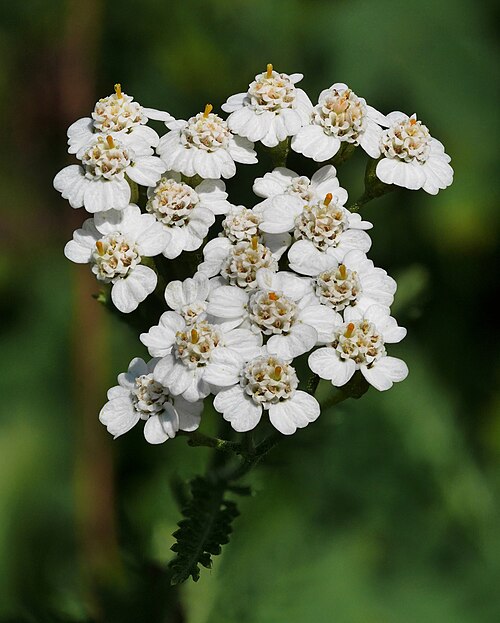
Yarrow ( Achillea ): With its flat-topped flower clusters in yellows, oranges, and reds, yarrow provides a wonderful textural and color contrast.
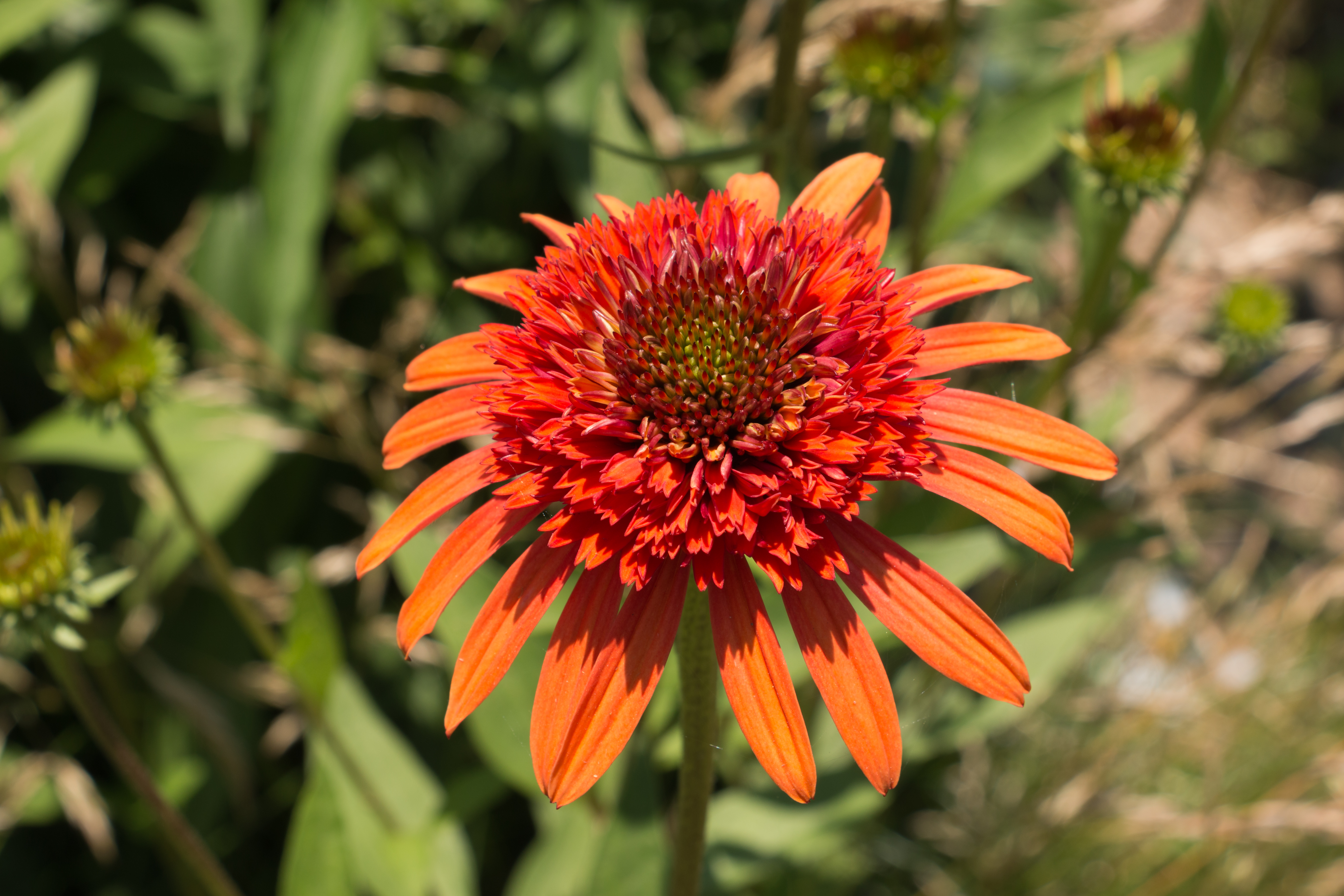
Coneflower ( Echinacea ): The sturdy, daisy-like blooms of coneflower in purples, pinks, and whites stand tall above catmint, creating a dynamic display.
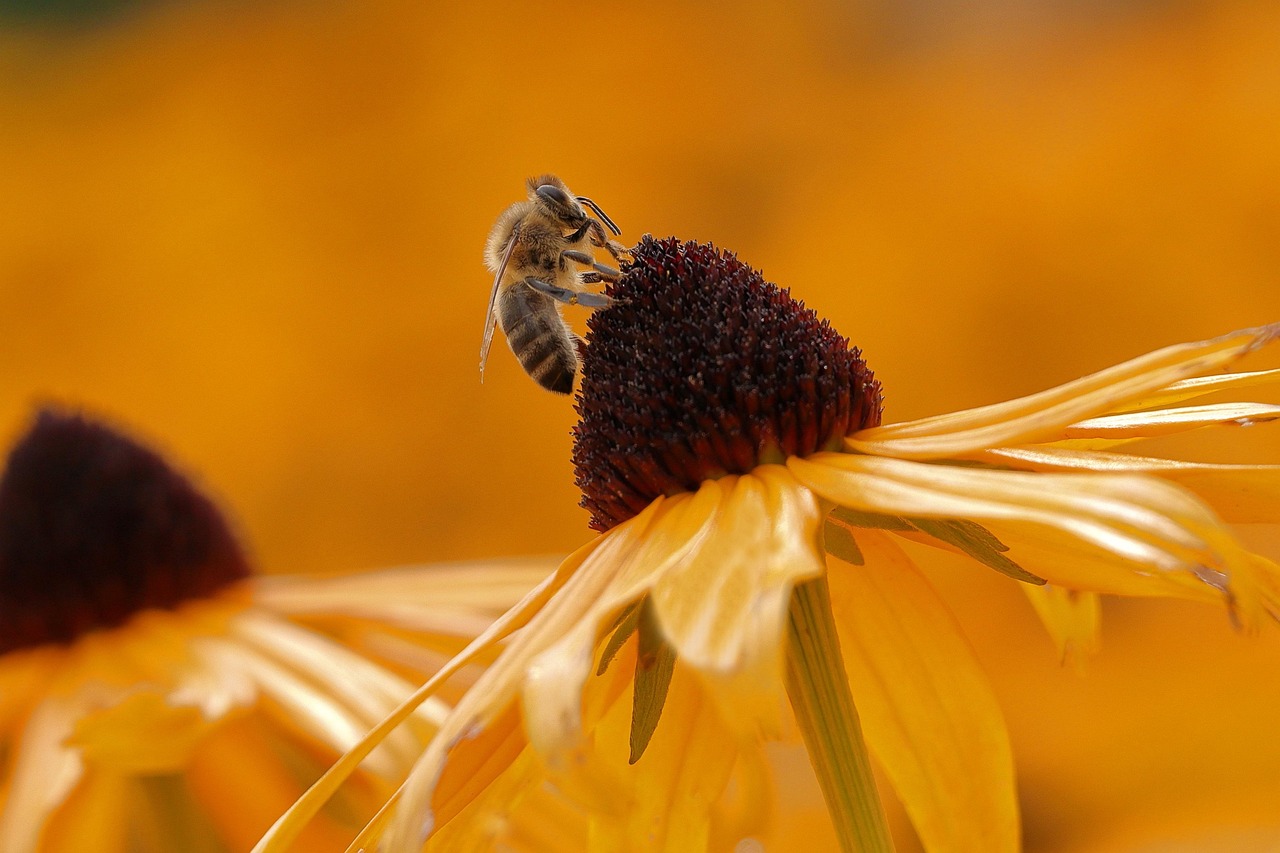
Black-Eyed Susan ( Rudbeckia hirta ): The bright yellow and dark centers of Black-Eyed Susans offer a cheerful contrast to catmint's cool tones.
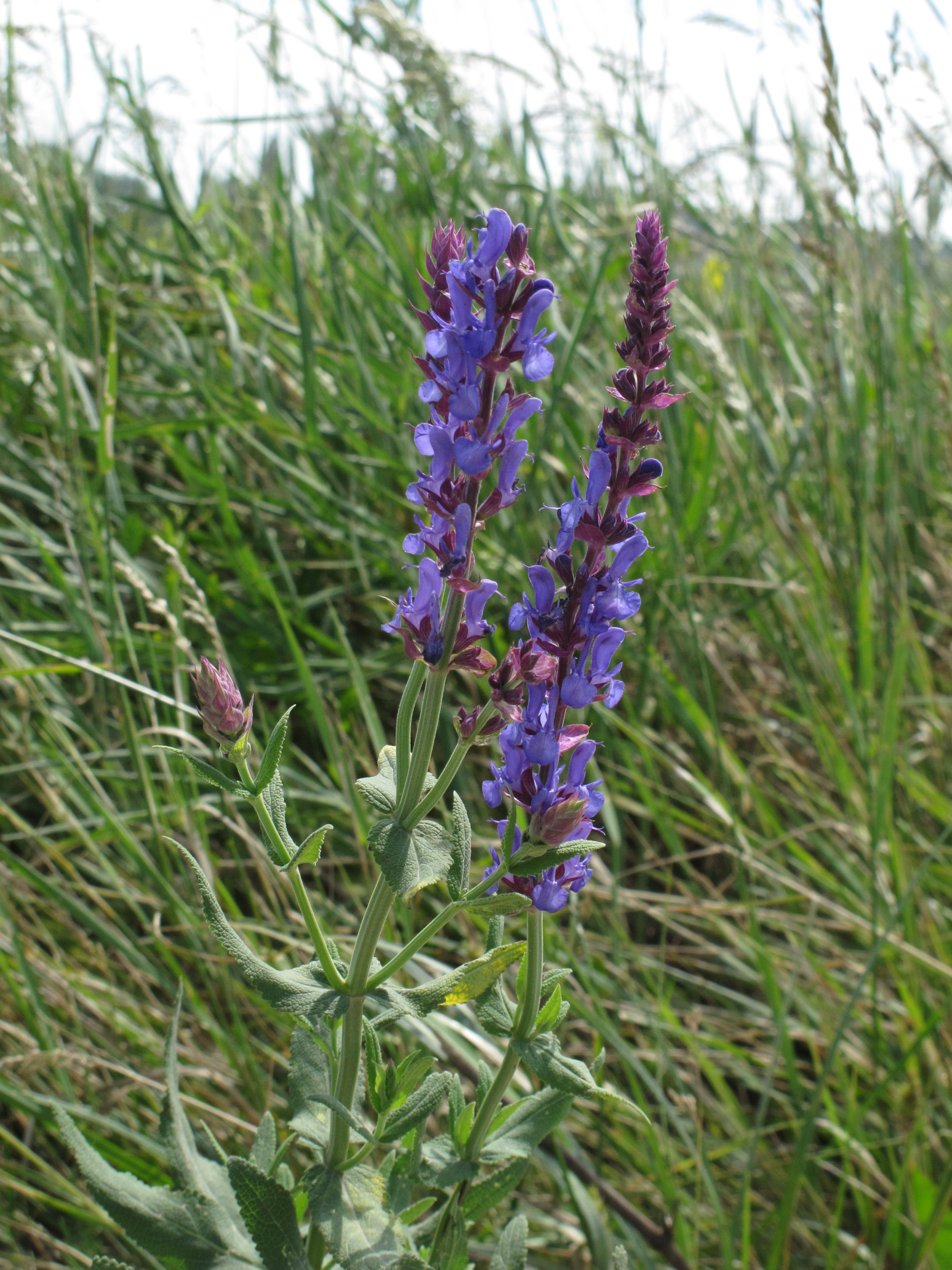
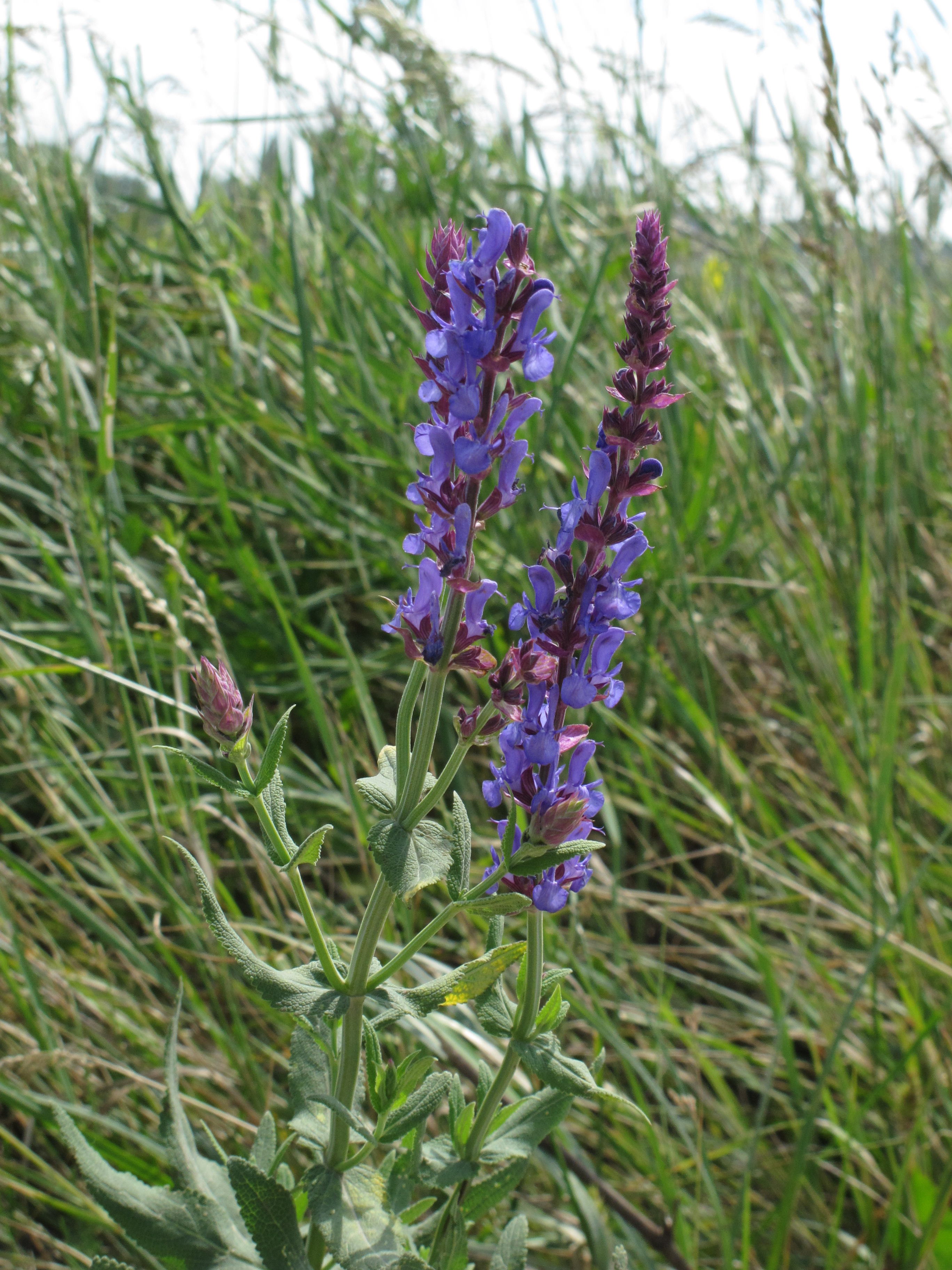
Salvia ( Salvia nemorosa ): Many varieties of salvia have similar growing requirements and flower forms, creating a harmonious blend of purples and blues.
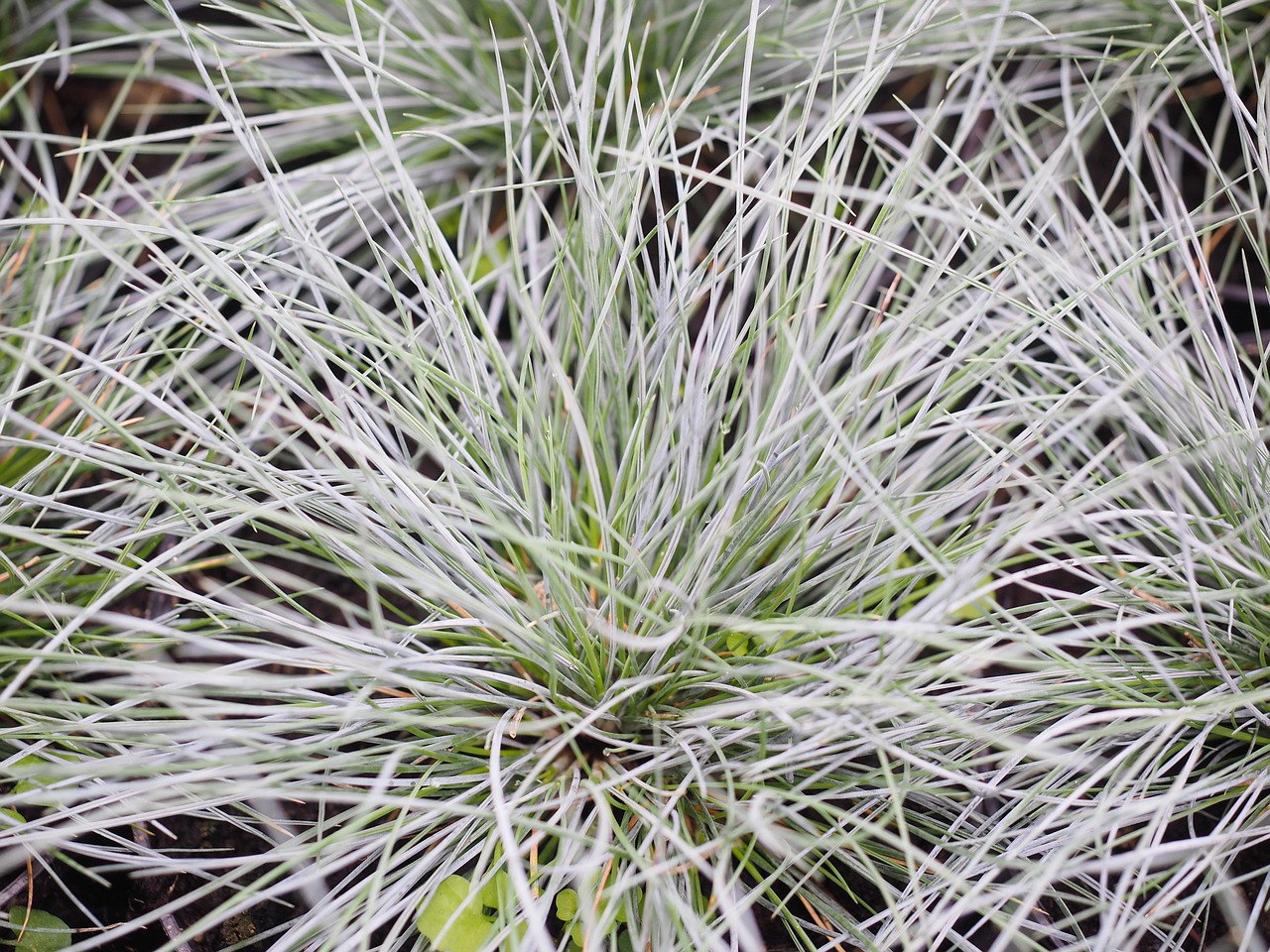
Ornamental Grasses: The fine texture of grasses like 'Karl Foerster' feather reed grass or blue fescue provides a lovely backdrop and movement.
Daylilies ( Hemerocallis ): The bold, trumpet-shaped flowers of daylilies offer a striking contrast in shape and color.
When choosing companions, consider plants with similar light and water needs to ensure all thrive together. Catmint's ability to soften edges and bridge gaps between other plants makes it an invaluable asset in a mixed border.
Catmint is truly a gardener's dream - beautiful, fragrant, tough, and incredibly easy to care for. By providing it with plenty of sun and well-draining soil, you'll be rewarded with months of continuous blooms and a garden buzzing with pollinators.
Ready to find the perfect plants for your yard? Try the PlantWise Plant Finder →