Frost heave happens when soil freezes, thaws, and refreezes, expanding each time and lifting shallow-rooted plants until their crowns and roots sit exposed to drying wind and cold. The fix is to keep soil frozen once it freezes: spread 2 to 4 inches of loose mulch such as pine straw or shredded hardwood over beds after the top inch or two of ground has frozen, plant perennials early enough to root in before winter, and gently press heaved plants back into the soil during a thaw.
Which plants heave most
- Fall-planted and newly divided perennials that have not rooted deeply yet
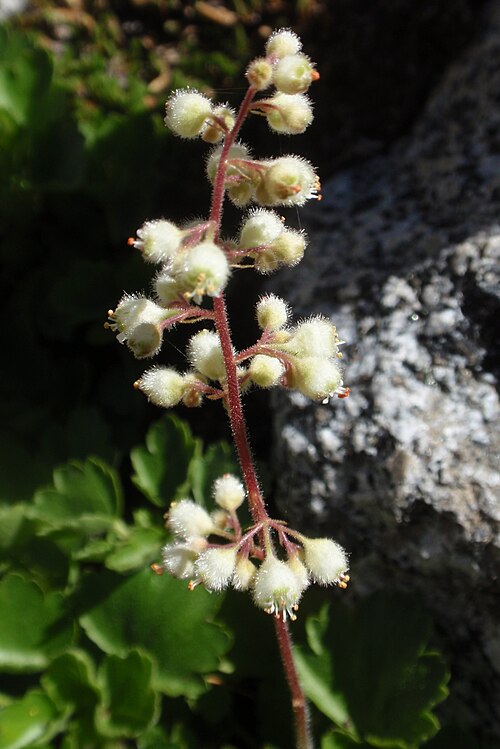
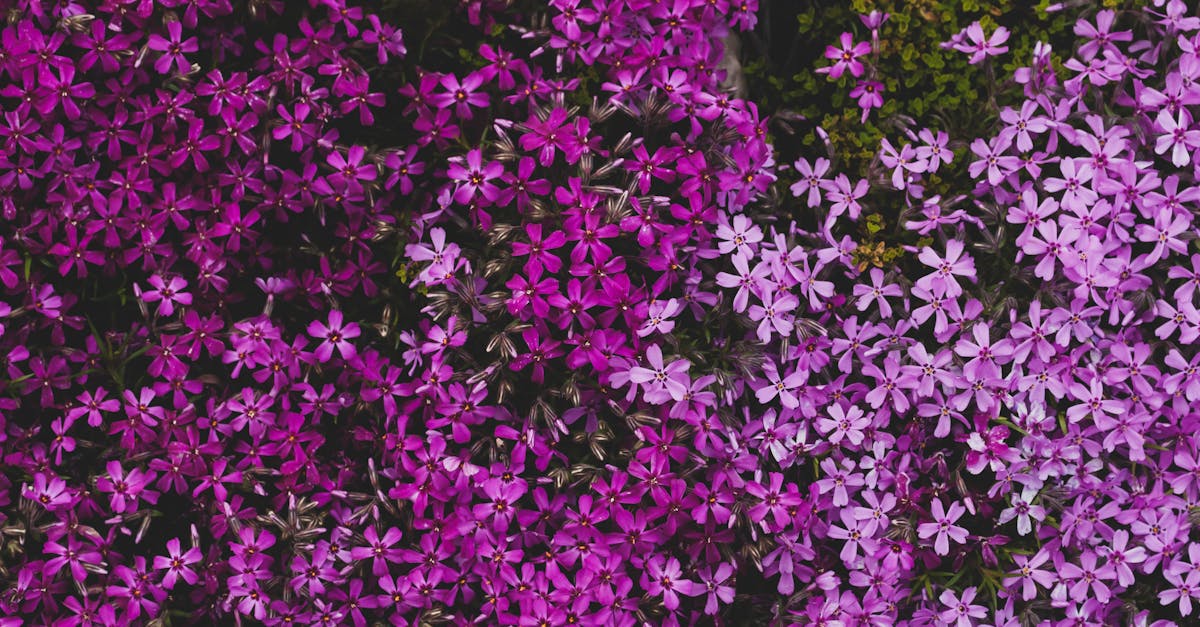
- Shallow-rooted perennials such as coral bells, garden mums, and creeping phlox
- Strawberries and other low, spreading crowns
- Small plants in heavy, wet clay, which holds more water and expands more as it freezes
- Plants in bare soil with no mulch or snow cover
Steady snow cover insulates beds naturally. Heaving is worst in zones and winters with repeated freeze and thaw and little snow.
🌱 Get Personalized Plant Picks
Answer a few quick questions and we’ll match plants to your exact yard conditions.
Find My Plants →Why timing the mulch matters
Mulch applied too early keeps soil warm, invites voles to nest, and can delay hardening off. Mulch applied after the ground freezes does the opposite: it shades the soil and holds it frozen through warm spells, which is what prevents heaving. A soil thermometer reading at or below 32 degrees at a 2-inch depth for several days is a clear signal. Our guide to mulching after bulb planting, before the freeze covers the same timing.
Shop winter mulch on Amazon
Pine straw and shredded hardwood mulch to insulate crowns once the ground freezes, plus a soil thermometer to time it. We may earn a commission at no extra cost to you.
Amazon · Pine straw mulch Amazon · Shredded hardwood mulch Amazon · Soil thermometer
Best winter mulches
| Mulch | Notes |
|---|---|
| Pine straw | Light, airy, does not mat; easy to pull back in spring |
| Shredded hardwood | Stays put on slopes; break up clumps |
| Shredded leaves | Free; shred first so they do not mat into a wet layer |
| Cut evergreen boughs | Excellent insulation over crowns; lay them flat |
| Straw (seed free) | Common for strawberries; check that it is weed free |
Keep mulch a few inches back from crowns of plants prone to rot, and avoid whole, unshredded leaves directly on top of perennials. Our guide to mulching leaves with a mower for fall beds shows the shredding method. Wear gloves when spreading, and keep bagged mulch away from pets that chew.
Planting early enough
Perennials planted or divided at least six weeks before the ground usually freezes have time to anchor. Water new plantings well until freeze up, since moist soil roots in faster, and avoid late fertilizer that pushes soft growth. In the coldest zones, very late divisions are safer potted up and sunk in a protected spot, or held until spring. See dividing perennials in early fall for timing.
What to do if plants heave
- Check beds after midwinter thaws and in early spring.
- Wait until the soil is soft, then press heaved crowns gently back into place with your hands. Do not stomp on frozen or soggy soil, which compacts it.
- Cover exposed roots with a little soil or compost if they will not settle.
- Add or restore mulch to hold the soil frozen through the next cold spell.
- Water lightly once the plant is back in place if the soil is dry.
Container plants
Perennials in pots heave less but freeze harder, since roots in a container have no surrounding soil to buffer them. Group pots against a wall, sink them into a bed, or move them into an unheated garage once dormant.
Improving the soil long term
Heavy clay that stays wet heaves the most. Working compost into beds over several seasons improves drainage and reduces heaving, and raised or mounded beds drain better still. Leave perennial stems standing through winter where you can; they catch snow, which is the best insulation of all. Our guide to fall pollinator garden cleanup explains what to leave.
Bottom line
Mulch beds 2 to 4 inches deep after the ground freezes, plant perennials early, improve drainage, and press heaved crowns back at thaw. Keeping the soil frozen, not warm, is the goal. For colder zones, read fall mulching before the freeze.
Related reading
- Mulching strawberry beds for winter
- Overwintering potted perennials in cold zones
- Cedar, pine, and hardwood mulch compared
- Vole damage in the lawn
Ready to match plants to your location? Try the PlantWise Plant Finder →