Mulch After Bulb Planting Before Freeze
Mulch newly planted bulbs once the top inch or two of soil has frozen or nights are reaching the low 20s °F, not on planting day. Spread 2 to 3 inches of shredded leaves, shredded bark, or pine straw over the bed. The goal is to keep soil cold and steady all winter so bulbs are not heaved out by freeze and thaw cycles or tricked into sprouting during a warm spell.
Mulching too early keeps soil warm, gives voles and mice a cozy place to nest right over your bulbs, and can push top growth in a mild late fall. Mulching too thick, over about 4 inches, slows emergence in spring and holds extra moisture.
Why mulch matters for bulbs
- Stops frost heave. Repeated freezing and thawing lifts shallow bulbs, especially small ones and anything planted late.
- Keeps soil temperature even. Bulbs want steady cold, not a roller coaster of thaws.
- Holds moisture. Fall-planted bulbs keep rooting through late fall and early winter and need damp, not soggy, soil.
- Cuts weeds and mud. A light layer keeps early flowers clean when spring rain hits.
🌱 Get Personalized Plant Picks
Answer a few quick questions and we’ll match plants to your exact yard conditions.
Find My Plants →When to mulch by zone
- Zones 3 to 5: Plant through October and mulch from early to late November, once the soil surface starts to freeze.
- Zones 6 and 7: Plant through November and mulch from late November into December.
- Zone 8: Mulch here is mostly for moisture and weeds. Apply about 2 inches right after planting.
- Zones 9 and 10: Mulch right after planting to keep soil cool for chilled bulbs. See pre-chilled bulbs for mild winter zones.
Shop bulb bed mulch on Amazon
Bagged pine bark and pine straw for an even winter layer over new bulbs. We may earn a commission at no extra cost to you.
Best mulch for bulb beds
- Shredded leaves: free, light, and they break down into rich soil. Shred them first; whole leaves mat into a wet layer that sheds water and can smother shoots.
- Shredded hardwood or pine bark: stays put on slopes and looks tidy in front beds.
- Pine straw: airy and easy to pull back in spring. A good choice over small bulbs.
- Evergreen boughs: after the holidays, boughs laid over a bed trap snow and insulate well.
- Avoid: fresh grass clippings (they mat and heat up), thick wood chips over small bulbs, and rubber mulch.
Compare bark types in cedar, pine bark, and hardwood mulch for mid-band fall beds.
How to mulch a newly planted bed
- Mark the bed with labels or stakes at planting so you know where the bulbs are.
- Water the bed if fall has been dry. Bulbs need moisture to root before deep cold.
- Wait for the right cold using the zone notes above.
- Spread 2 to 3 inches evenly. Go lighter, about 1 to 2 inches, over tiny bulbs like crocus and snowdrops.
- Keep mulch a few inches back from shrub trunks and perennial crowns.
- Add wire first if squirrels dig. Lay hardware cloth flat over the bed, pin the edges, and mulch on top. See bulb cages to stop voles and squirrels.
Safety note for shredding leaves
If you shred leaves with a mower, leaf vacuum, or chipper shredder, read and follow the manufacturer's manual first. These machines can throw debris and cause serious injuries. Wear safety glasses, hearing protection, sturdy gloves, long pants, and closed shoes. Never reach into a chute, bag, or mower deck while the engine or motor is running. Shut it off, wait for blades to stop completely, and disconnect the spark plug wire or remove the battery before clearing a clog. Keep children and pets well away. If a machine is unfamiliar or the leaf pile is large, hire a landscaper instead. Raking leaves into a pile and using bagged shredded mulch is a safe alternative.
Shop squirrel wire and safety gear on Amazon
Hardware cloth to keep diggers out, plus eye protection and gloves for leaf work. We may earn a commission at no extra cost to you.
Amazon · Hardware cloth, 1/2 inch mesh Amazon · Clear safety glasses Amazon · Leather gardening gloves
In spring: pull it back or leave it?
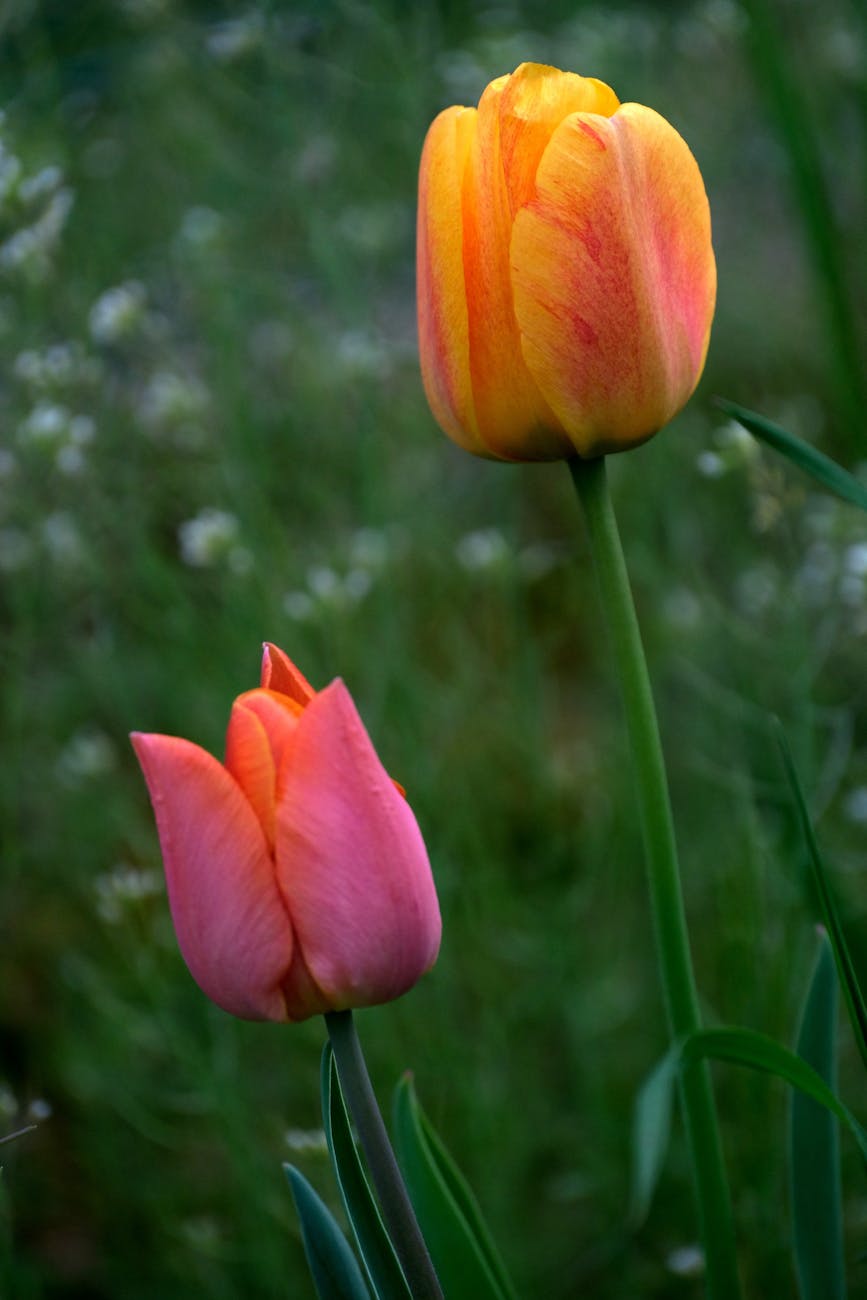
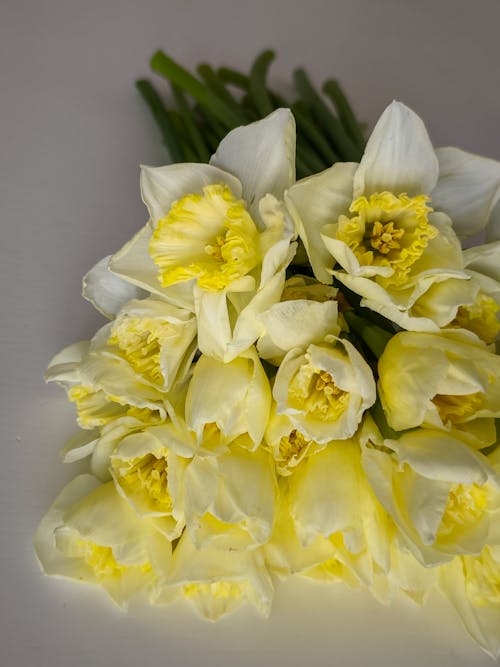
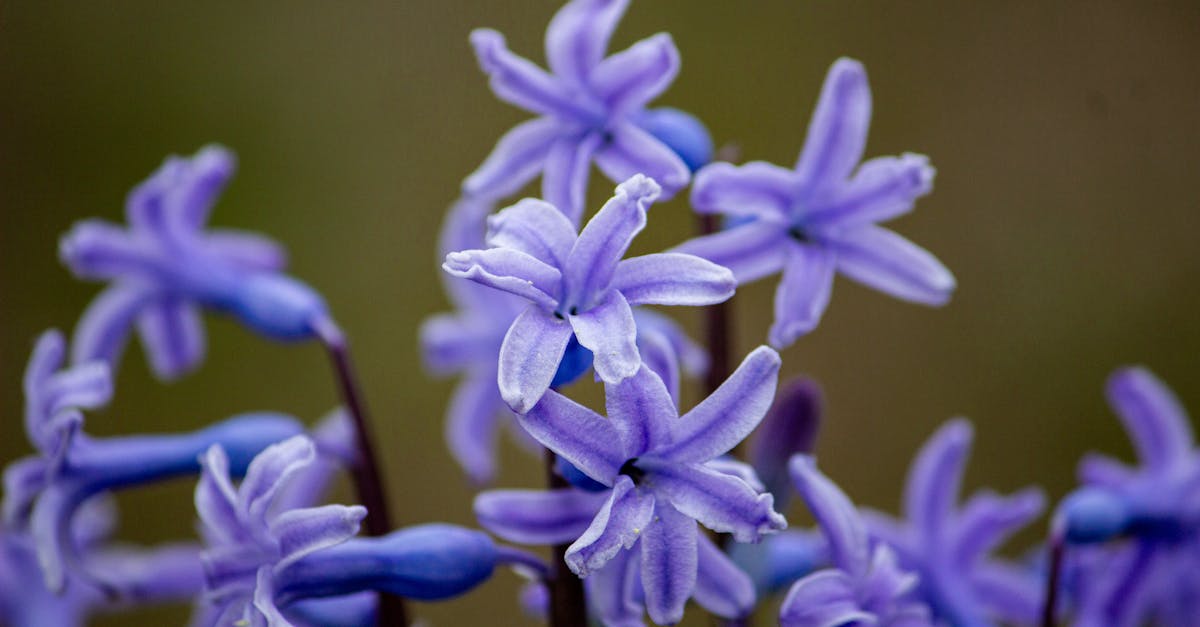
When shoots are 2 to 3 inches tall and hard freezes are mostly over, gently rake mulch off the crowns of tulips and hyacinths so stems come up straight. Leave a thin layer between plants to hold moisture and block weeds. Daffodils push through 2 inches of mulch easily and need no help.
Common mistakes
- Mulching on planting day in cold zones, which shelters rodents.
- Piling mulch 6 inches deep.
- Using whole, unshredded leaves that mat down.
- Forgetting to water a dry bed before the ground freezes.
- Using cocoa hull mulch where dogs roam. It contains theobromine, the same compound that makes chocolate dangerous for dogs. Many spring bulbs, including tulips and daffodils, are also toxic to pets if dug up and chewed, according to the ASPCA.
Bottom line
Plant bulbs first, then wait for the soil surface to freeze before adding 2 to 3 inches of shredded leaves, bark, or pine straw. In mild zones, mulch right away to keep soil cool. Pull mulch back from tulip and hyacinth crowns in spring and leave the rest in place.
Related reading
- Fall mulch before freeze in cold zones
- Fall mulch before freeze in Zones 6 to 7
- Spring-flowering bulbs to plant in late October and November
- Leaf mulch with a mower for fall beds
Ready to match plants to your location? Try the PlantWise Plant Finder →