Ornamental Grasses for Fall Entry Urns
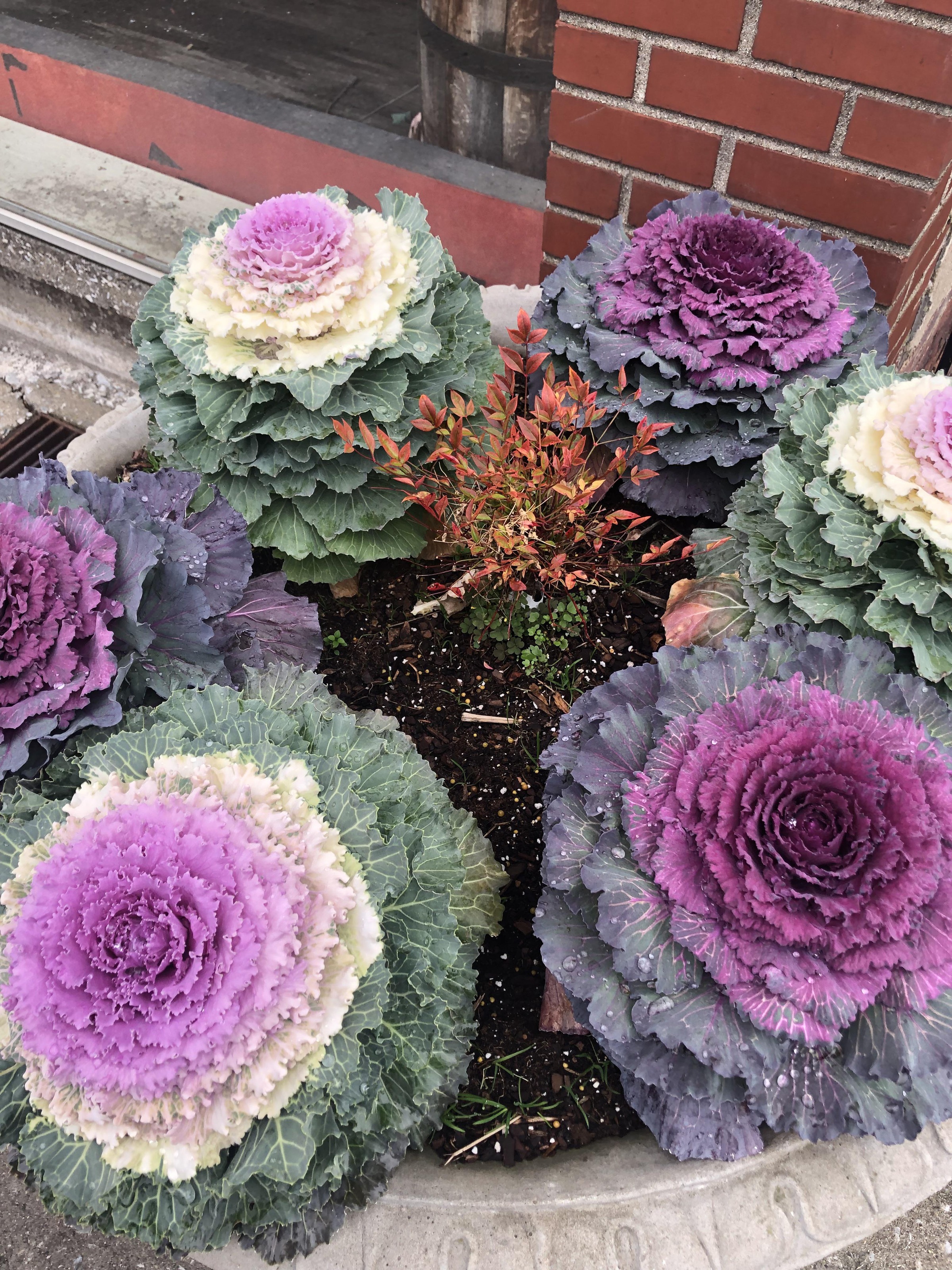
For a tall, moving centerpiece in a fall entry urn, plant one upright or arching ornamental grass in the center, such as purple fountain grass, a compact miscanthus, switchgrass, or carex, then fill the rim with mums, ornamental kale, or trailing ivy. Plant from late September through October for a display that carries from Halloween to Thanksgiving. Choose a grass about 1 to 1.5 times the height of the urn so the planting looks balanced, not top heavy.
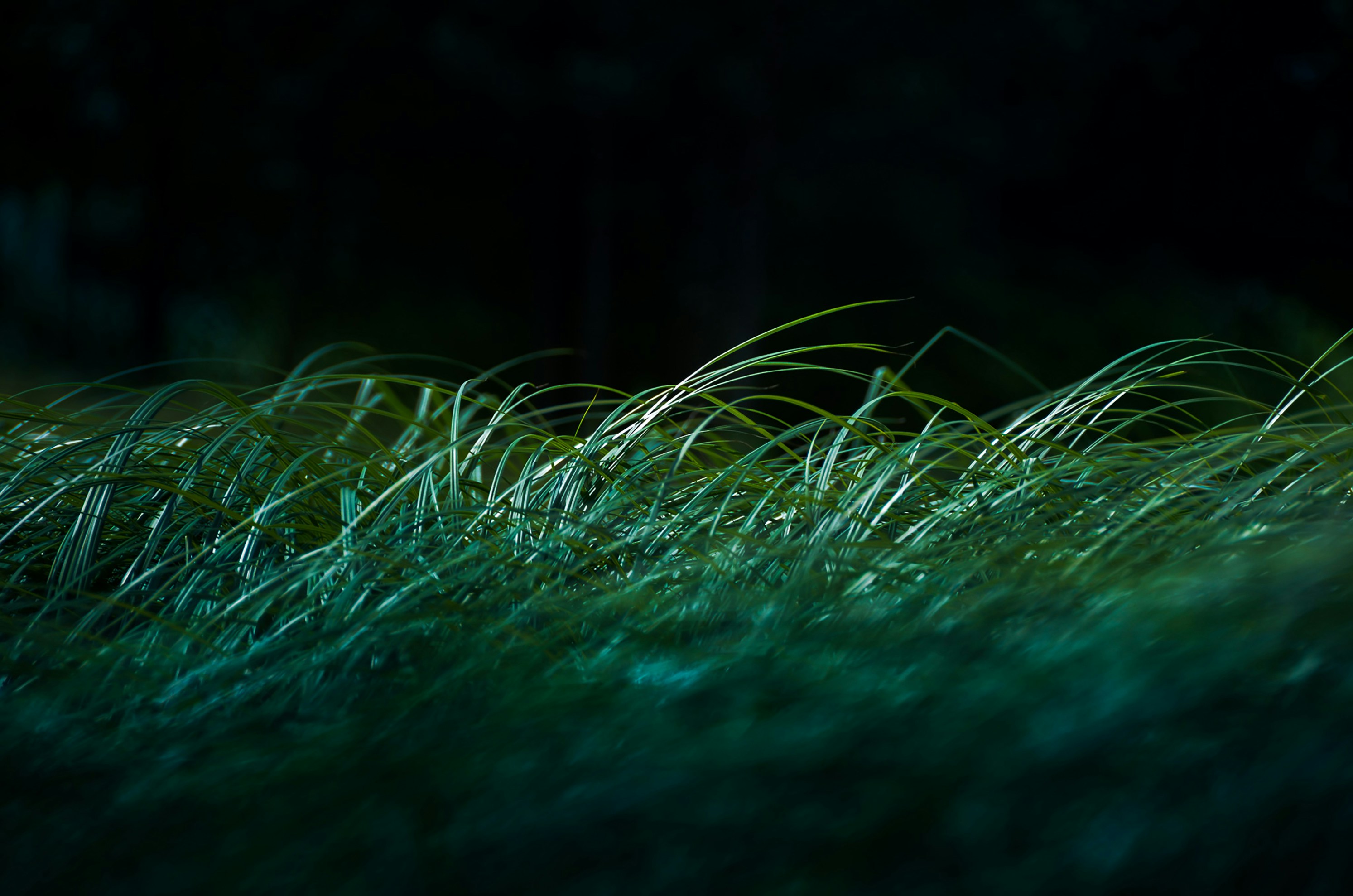
Grasses add motion and seed heads that catch low autumn light, and most hold their shape after frost.
Best grasses for entry urns
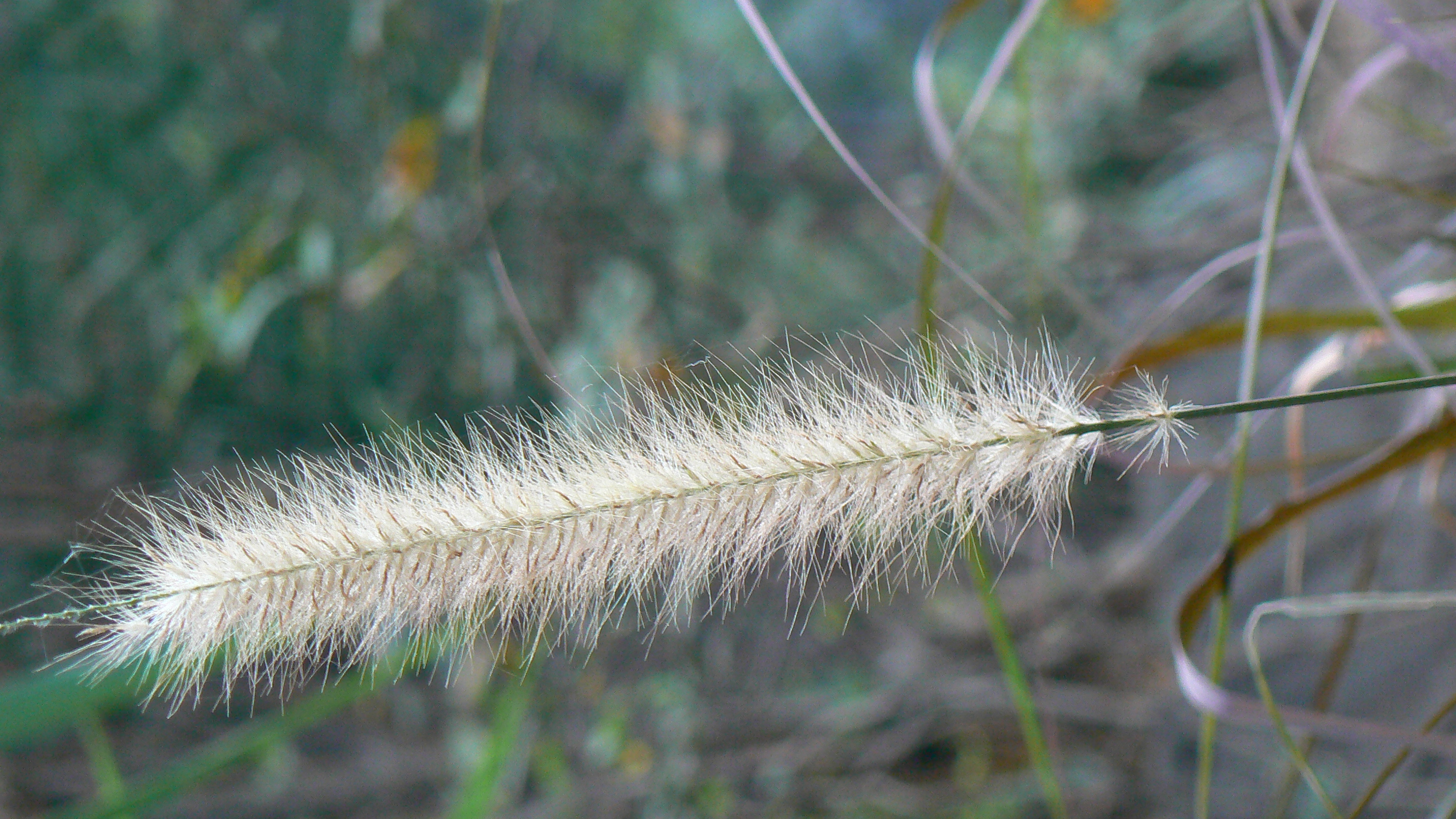
- Purple fountain grass: burgundy blades and soft, arching plumes. The classic urn centerpiece. It is an annual in Zones 3 to 8, so treat it as seasonal color.
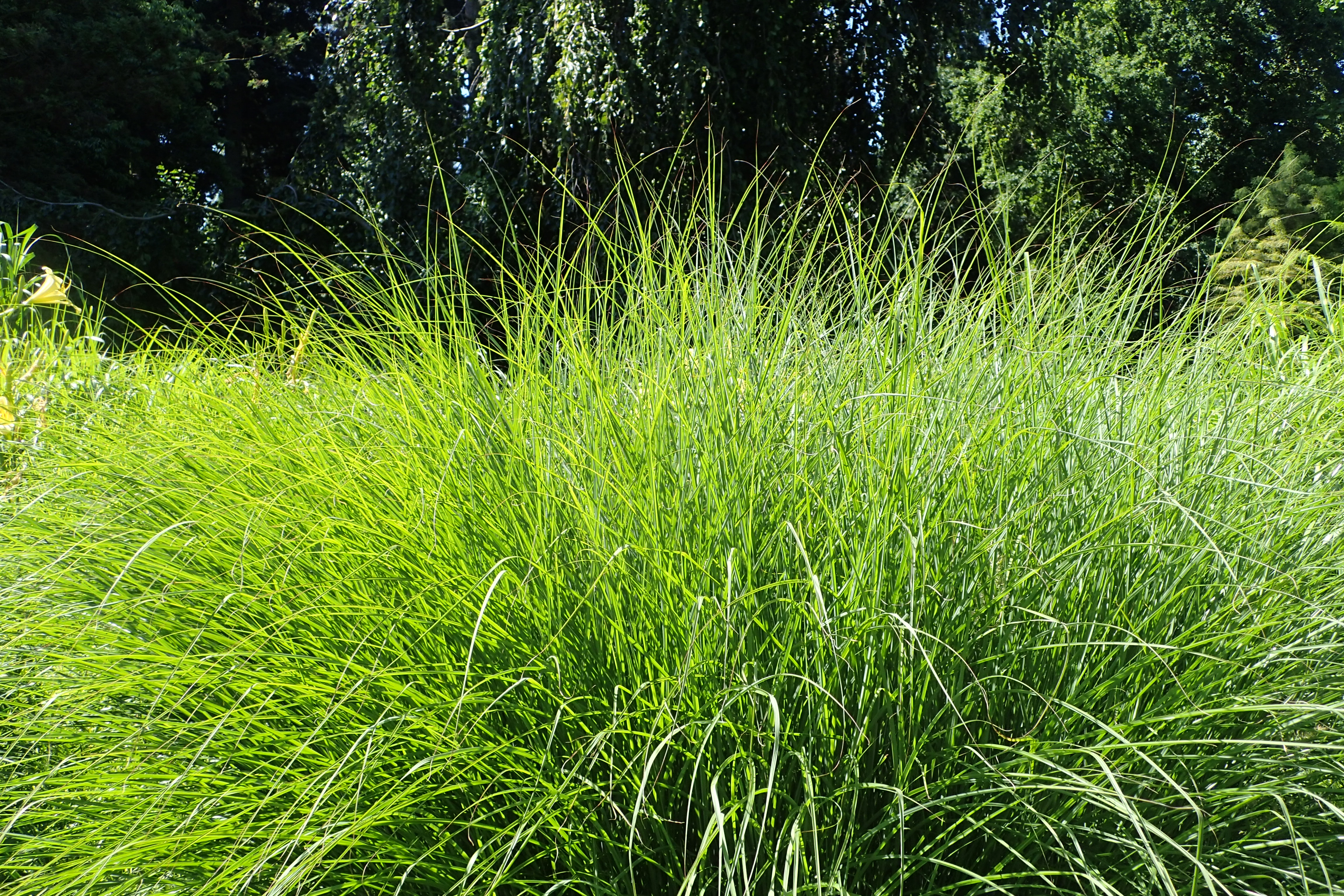
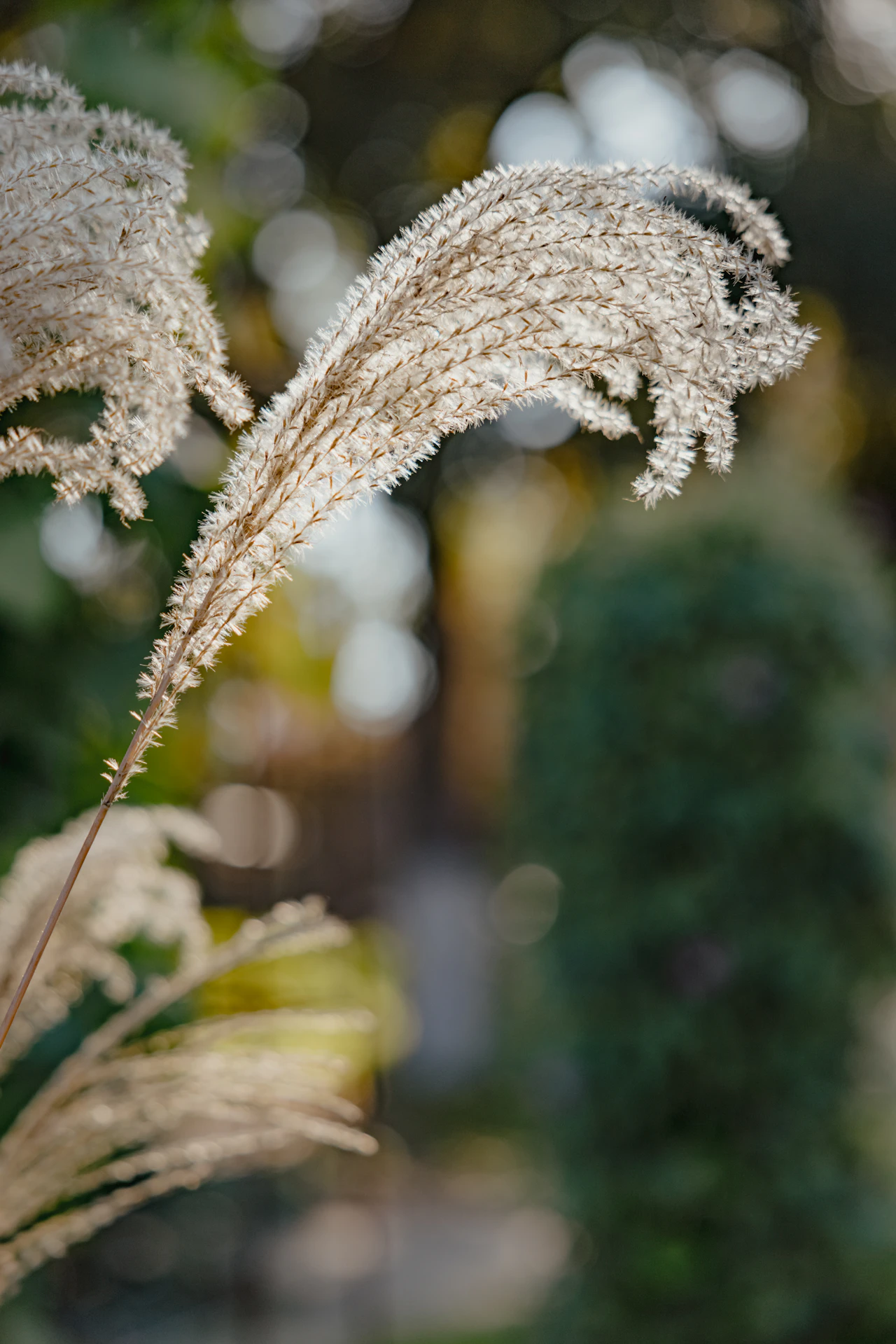
- Compact maiden grass: dwarf miscanthus types such as Little Kitten or Adagio stay 2 to 4 feet tall, carry silvery plumes, and hold up through winter. You can move them into the ground later.
- Switchgrass: upright and airy, with red and burgundy tones in fall. Shenandoah is a good container size.
- Carex and sedges: low, fountain-shaped mounds in orange, bronze, or cream stripes. Ideal for smaller urns and partly shaded entries.
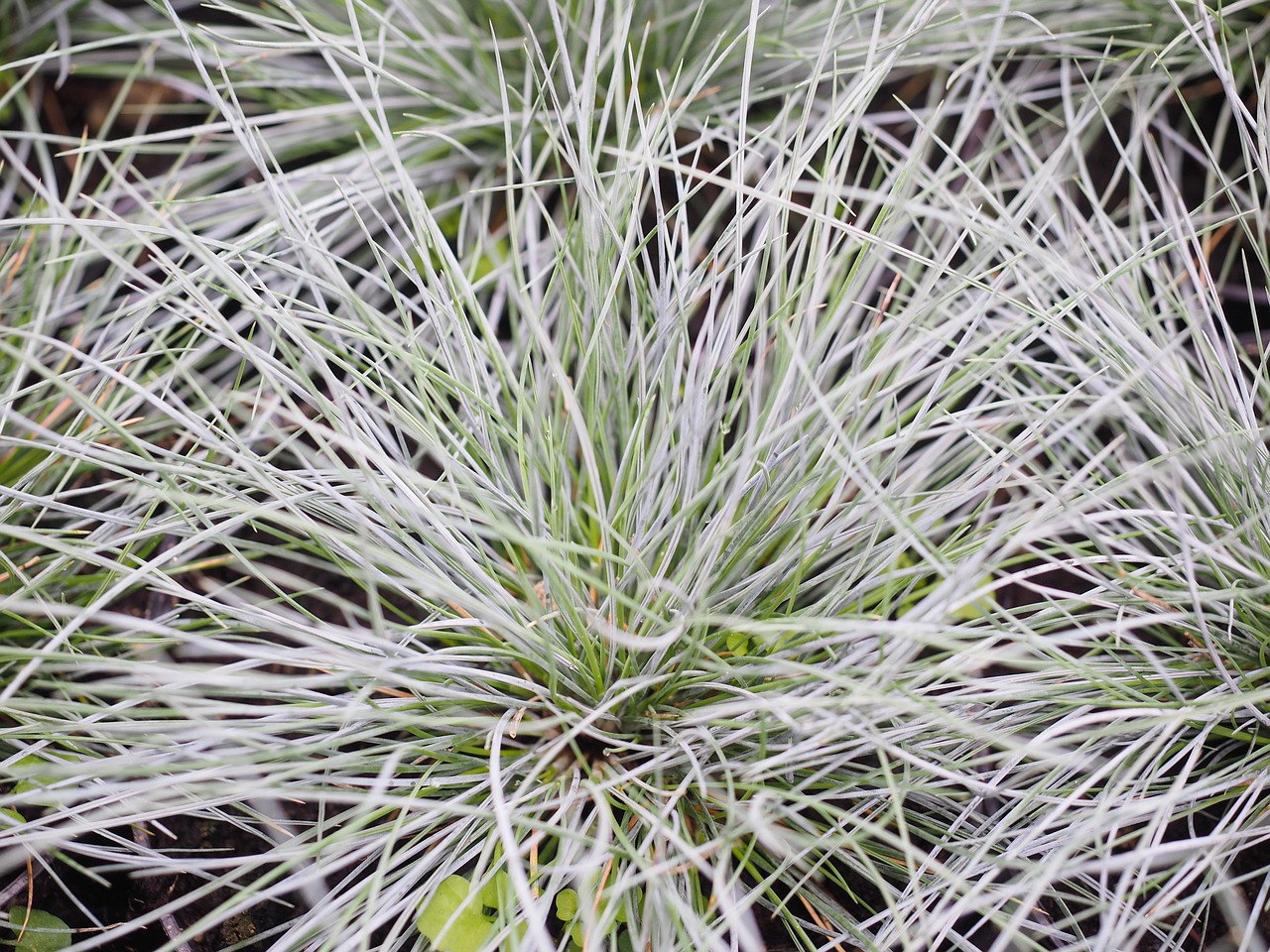
- Blue fescue: small, steel-blue tufts for low bowls and the urn rim.
- Japanese forest grass: golden, cascading blades for shaded doorways.
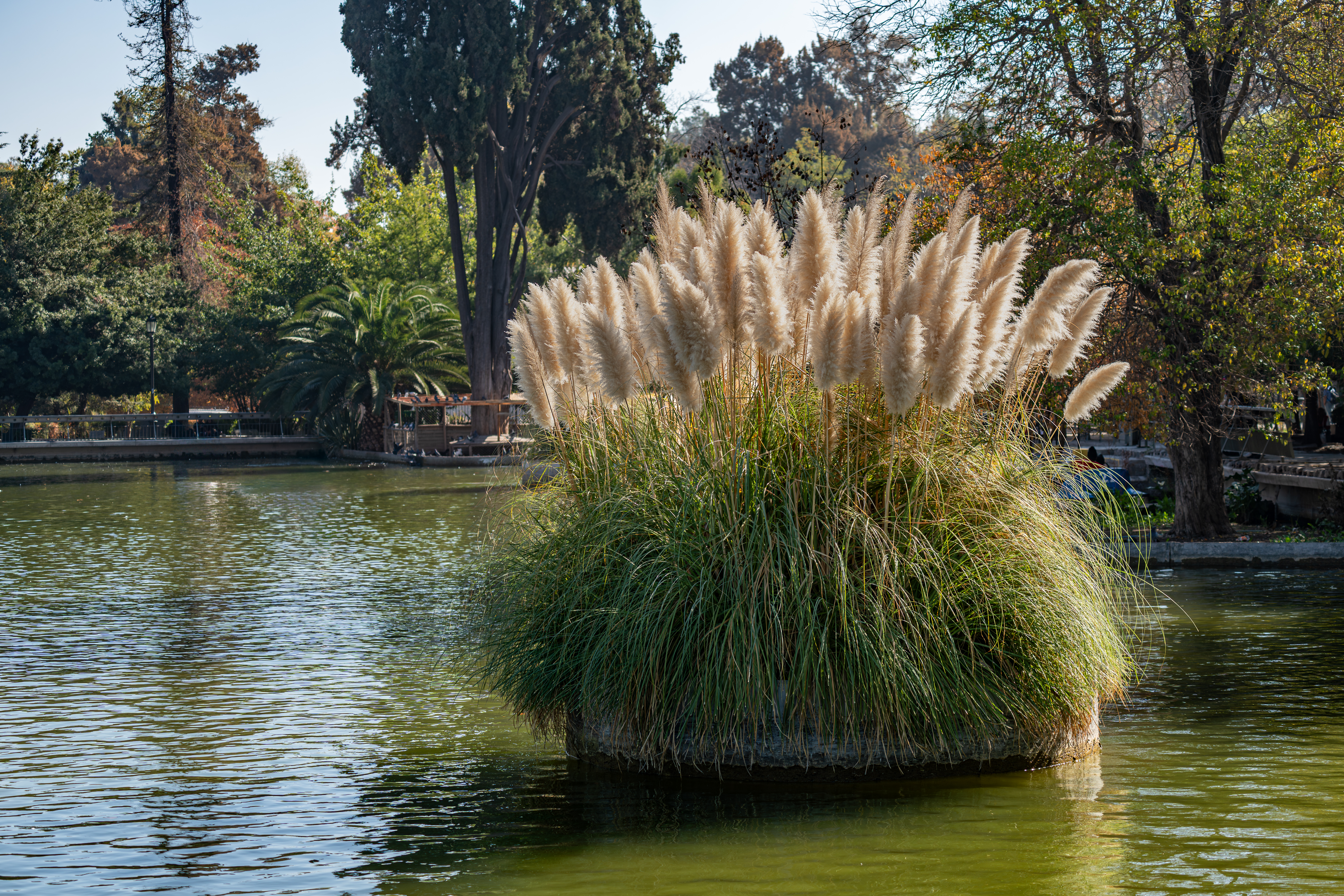
Invasive check: some miscanthus seeds itself into woodlands in parts of the eastern United States, and pampas grass is invasive in California and other warm regions. Choose sterile or low-seeding cultivars, cut seed heads before they shatter, and check your state's invasive plant list.
🌱 Get Personalized Plant Picks
Answer a few quick questions and we’ll match plants to your exact yard conditions.
Find My Plants →How to build the urn
- Make sure it drains. If a decorative urn has no hole, set a plastic grower pot inside it, raised on pot feet.
- Fill with fresh outdoor potting mix. In very tall urns, fill the bottom third with upturned plastic pots to save soil and weight. Gravel in the bottom does not improve drainage.
- Set the grass in the center, slightly higher than the rim plants.
- Add fillers around it: mums, ornamental kale, pansies, or coral bells.
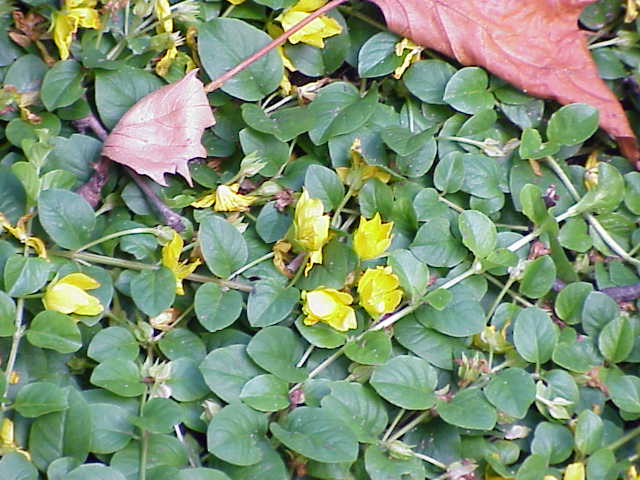
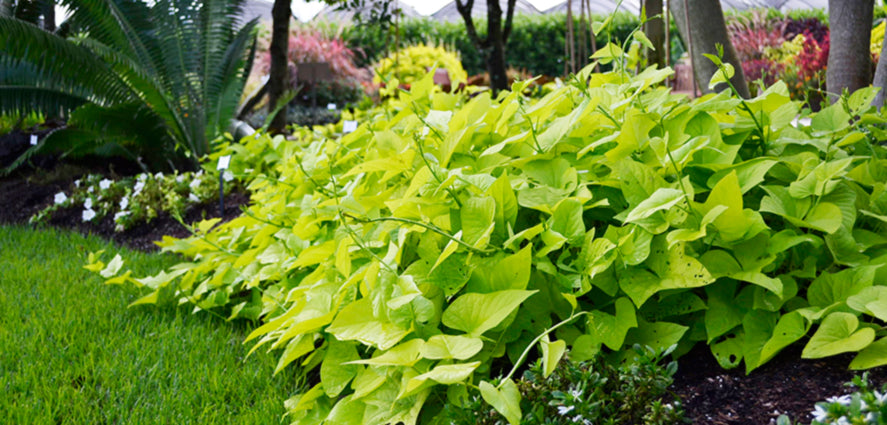
- Add spillers at the edge: ivy, creeping Jenny, or sweet potato vine until frost.
- Water in well, then water when the top inch of mix is dry.
Shop entry urns and container mix on Amazon
Tall urn planters, pot feet for drainage, and outdoor mix for a fall centerpiece. We may earn a commission at no extra cost to you.
Amazon · Large outdoor urn planter Amazon · Pot feet risers Amazon · Potting mix for outdoor containers
Pairing ideas
- Matching door pair: purple fountain grass, orange mums, and creeping Jenny in two identical urns flanking the door.
- Cool-season mix: blue fescue with ornamental kale and white pansies.
- Shaded entry: Japanese forest grass with coral bells and ivy.
- Halloween to Thanksgiving swap: pull mums when they fade, tuck in small pumpkins and kale, and leave the grass in place.
See mums and fall containers for porch color, ornamental kale and cabbage for cool-season porch color, and pumpkins, gourds, and planted porch vignettes for the rest of the planting.
After frost and through winter
- Annual fountain grass: compost it after a hard frost, or cut the plumes and use them dry in arrangements.
- Perennial grasses in urns: roots in pots are less cold hardy than in the ground, roughly two zones less. In cold zones, move them into a bed by mid fall, sink the pot into the ground, or shelter it against the house.
- Leave foliage standing for winter interest. Cut back in late winter or early spring, before new growth starts.
- Protect the urn. Water freezing in ceramic or terracotta can crack it. Fiberglass, resin, and cast stone hold up better outdoors in cold zones.
Cutting back grasses safely
For small urn grasses, hand pruners or grass shears are all you need. Wear gloves, since grass blades can slice skin, and safety glasses. Wrap the clump with twine first so it comes off in one bundle, and cut away from your body with your free hand clear of the blades.
Power hedge trimmers can cause severe cuts and amputations. If you use one on large clumps, read and follow the manufacturer's manual first. Wear safety glasses, hearing protection, cut-resistant gloves, long sleeves, and closed shoes. Keep both hands on the tool, never cut above shoulder height or from a ladder, keep cords behind you and away from the blade, and keep children and pets away. Stop the tool and remove the battery or unplug it before clearing jams. If you are unsure, hire a landscaper. Keep blades clean and sharp; see cleaning and sharpening garden tools before winter.
Shop cutback tools and safety gear on Amazon
Cut-resistant gloves, eye and ear protection, and a trimmer for large clumps. Read the manual first. We may earn a commission at no extra cost to you.
Amazon · Cut-resistant work gloves Amazon · Clear safety glasses Amazon · Hearing protection ear muffs Amazon · Cordless hedge trimmer
Zone and timing notes
- Zones 3 to 5: Plant urns from mid September to early October. Purple fountain grass is seasonal; move perennial grasses into the ground by mid October.
- Zones 6 and 7: Plant late September through October for a display through Thanksgiving.
- Zones 8 to 10: Plant October into November. Many grasses stay attractive through winter.
Pet note
Common ornamental grasses such as fountain grass, miscanthus, and switchgrass are not generally listed as toxic, but pets that chew long blades may vomit, and sharp seed heads can lodge in ears, eyes, and paws. Brush dogs after they play near plumes. Deer usually leave grasses alone; see are ornamental grasses deer resistant.
Bottom line
Center each fall entry urn with one grass about 1 to 1.5 times the urn's height, fill with mums or kale and a trailing spiller, and plant from late September through October. Treat fountain grass as seasonal, protect perennial grass roots in cold zones, and cut back safely in late winter.
Related reading
- Evergreen urns for Thanksgiving porches
- Are ornamental grasses deer resistant
- Mums and fall containers for porch color
- Black foliage plants for Halloween containers
Ready to match plants to your location? Try the PlantWise Plant Finder →