FTC Disclosure:
Are Ornamental Grasses Deer Resistant? Complete Guide
If you're wondering, "Is ornamental grass deer resistant?" the answer is generally yes. Most ornamental grasses are ignored by deer because of their texture, taste, and growth habits. However, deer resistance can vary depending on the species, regional deer pressure, and seasonal factors. This guide covers the best deer-resistant ornamental grasses, why deer tend to avoid them, and tips to protect your garden from hungry wildlife.
🌱 Get Personalized Plant Picks
Answer a few quick questions and we’ll match plants to your exact yard conditions.
Find My Plants →Why Are Ornamental Grasses Generally Deer Resistant?
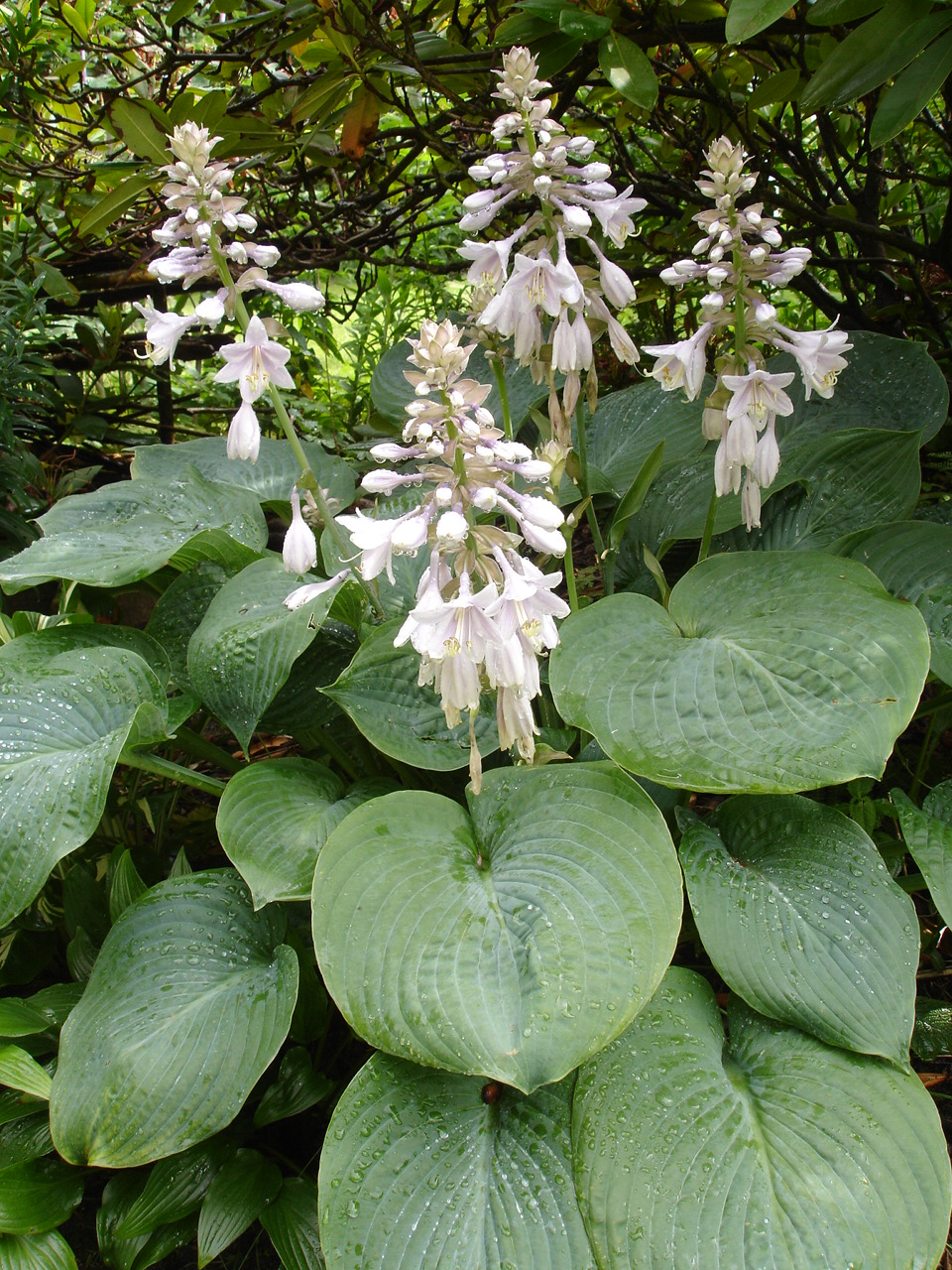
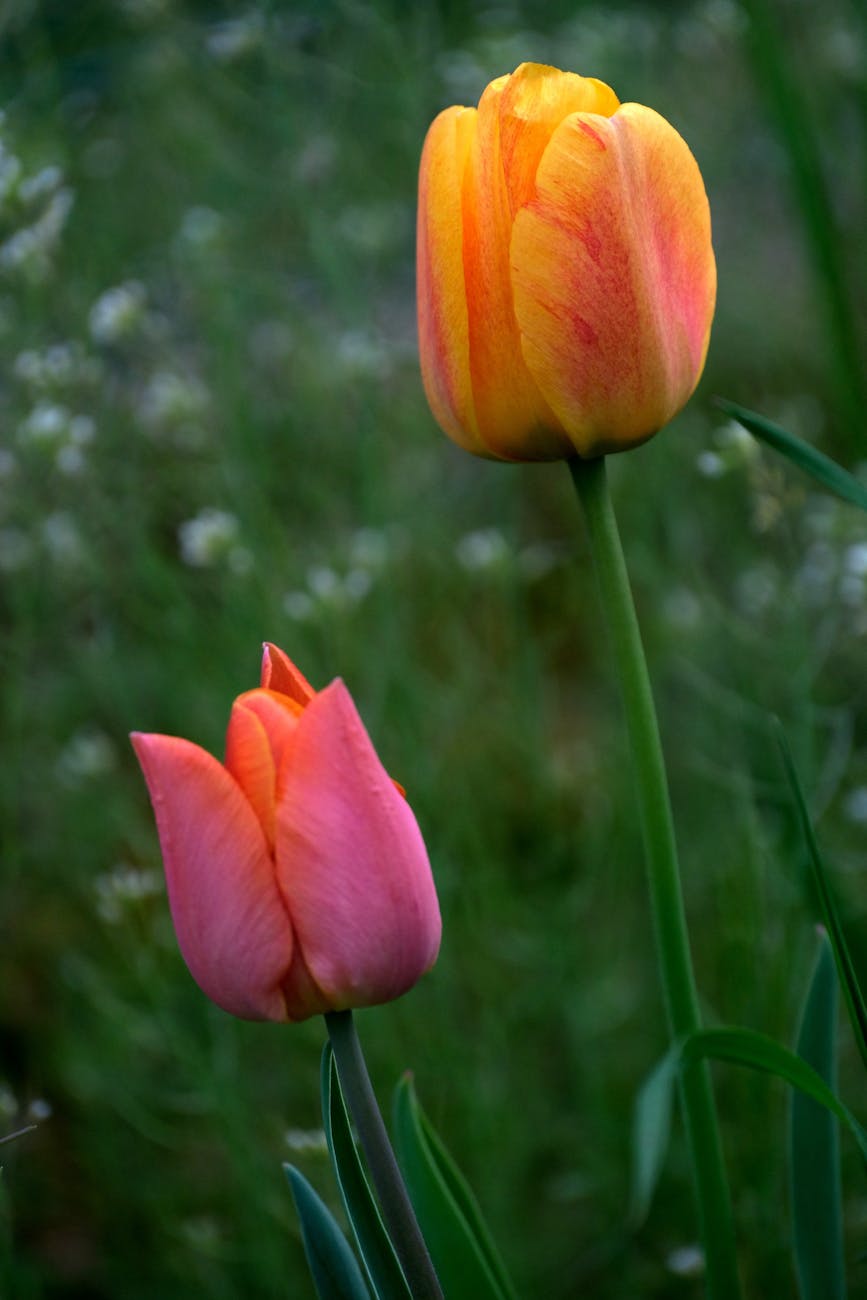
Deer tend to avoid plants that are tough, prickly, or have a bitter or unpleasant taste. Ornamental grasses typically have these characteristics, making them unappetizing to deer. Their fibrous leaves and stems do not provide an easy or appealing food source compared to softer, more succulent plants like hostas or tulips. Additionally, many grasses have silica deposits that make them abrasive, further discouraging browsing.
While no plant is completely deer-proof, ornamental grasses are often left alone unless food is scarce. In high deer population areas or during harsh winters, deer may nibble on grasses out of necessity, but this is generally uncommon.
Top Deer-Resistant Ornamental Grasses to Try
Here are some of the most reliable ornamental grasses that deer tend to avoid:
1. Maiden Grass (Miscanthus sinensis)
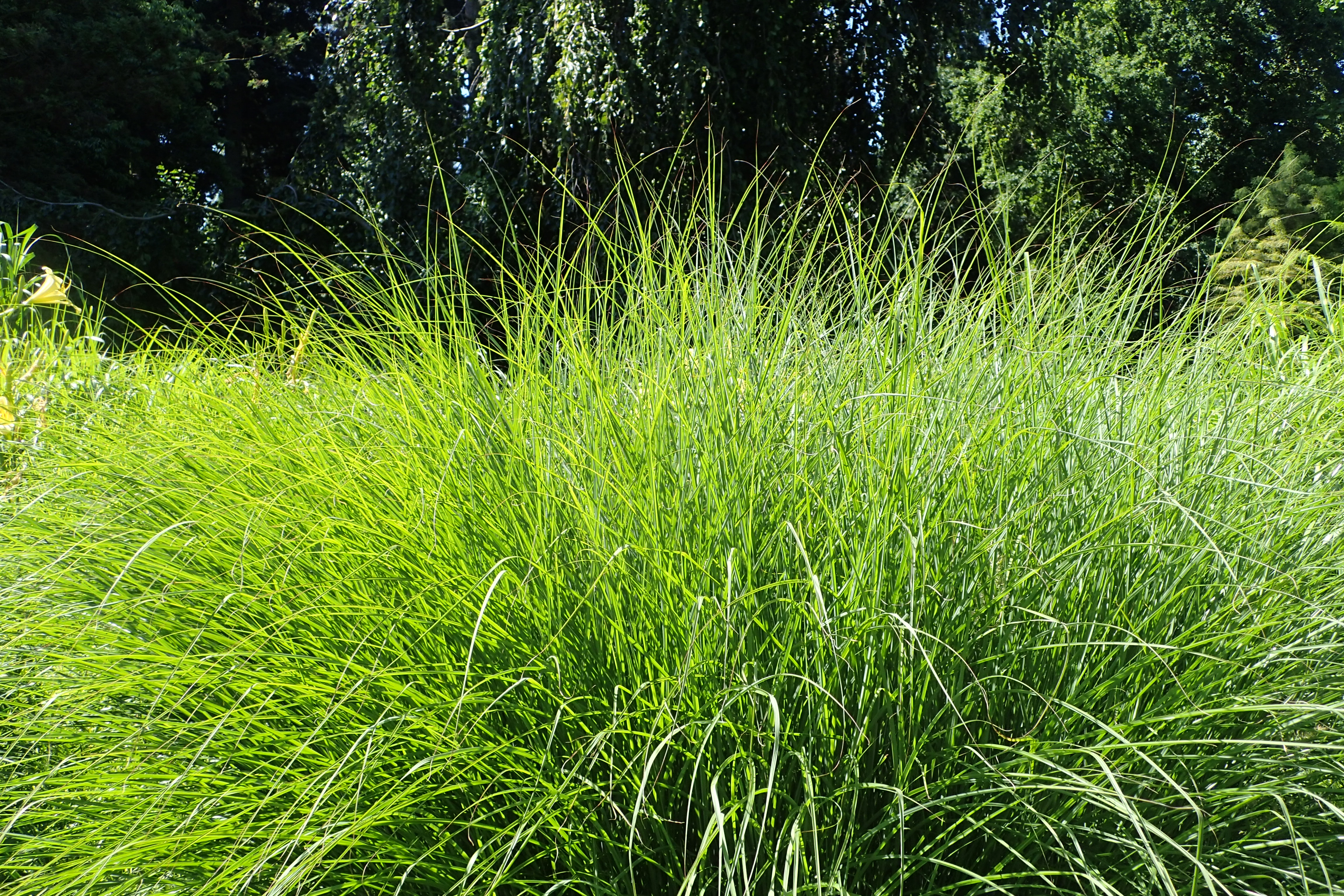
Maiden grass is a popular tall ornamental grass with graceful arching leaves and feathery plumes in late summer. Its coarse texture and height make it less appealing to deer.
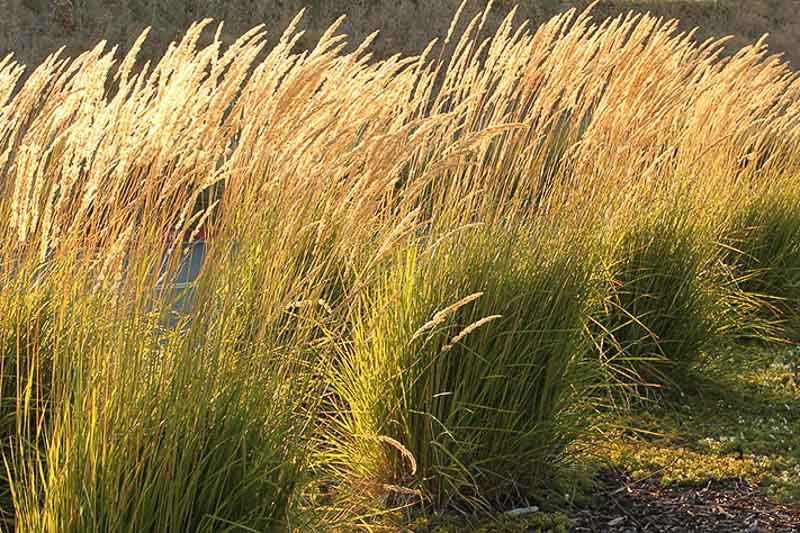
2. Feather Reed Grass (Calamagrostis x acutiflora)
This upright grass grows in clumps and produces feathery seed heads that last through winter. Its stiff blades deter deer browsing.
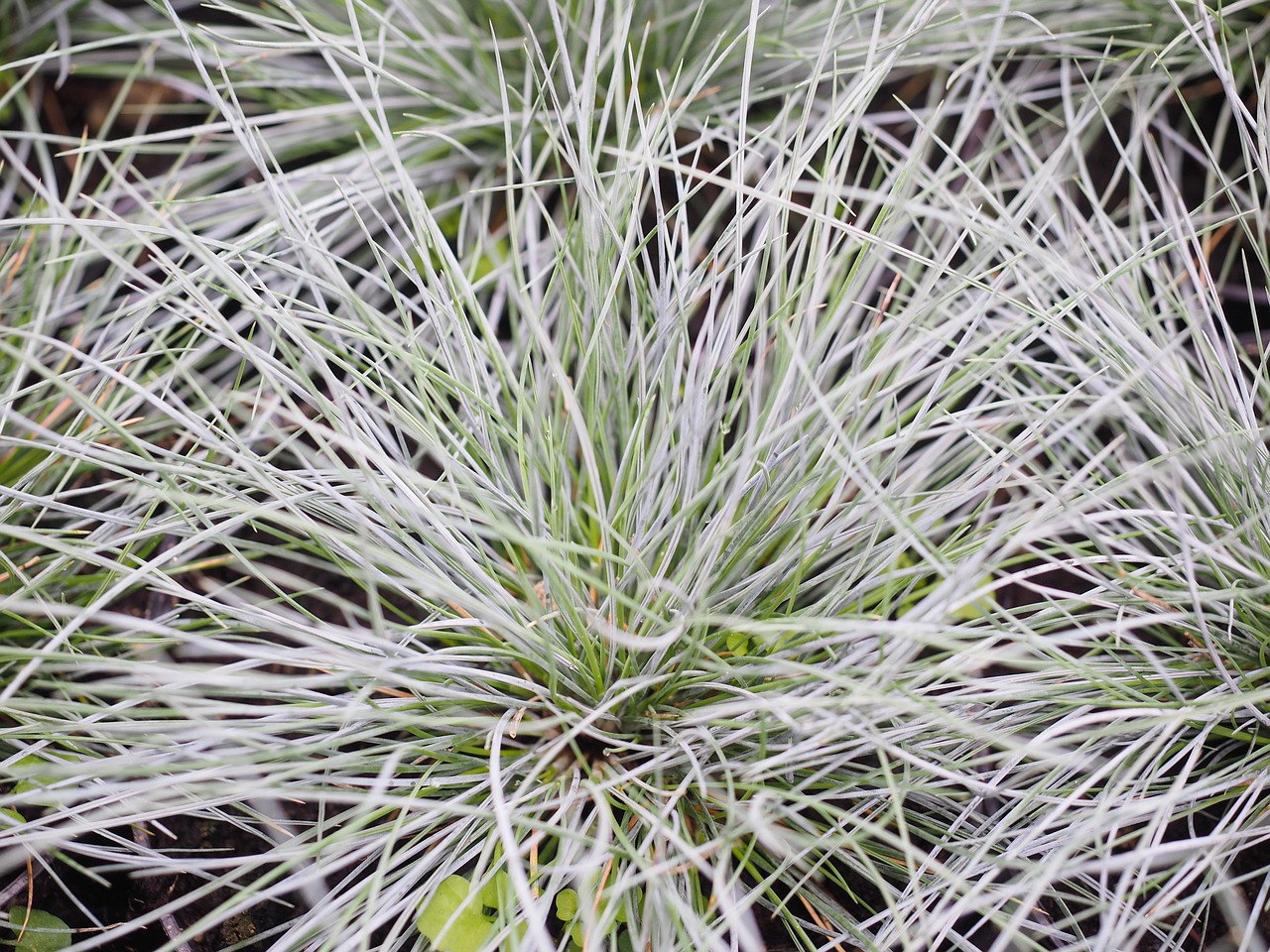
3. Blue Fescue (Festuca glauca)
A compact, clumping grass with fine blue-gray foliage. Its tough, narrow leaves and small size make it less attractive to deer.
4. Switchgrass (Panicum virgatum)
A native grass with upright form and airy seed heads. Switchgrass is hardy and deer-resistant due to its coarse texture.
Panicum Virgatum
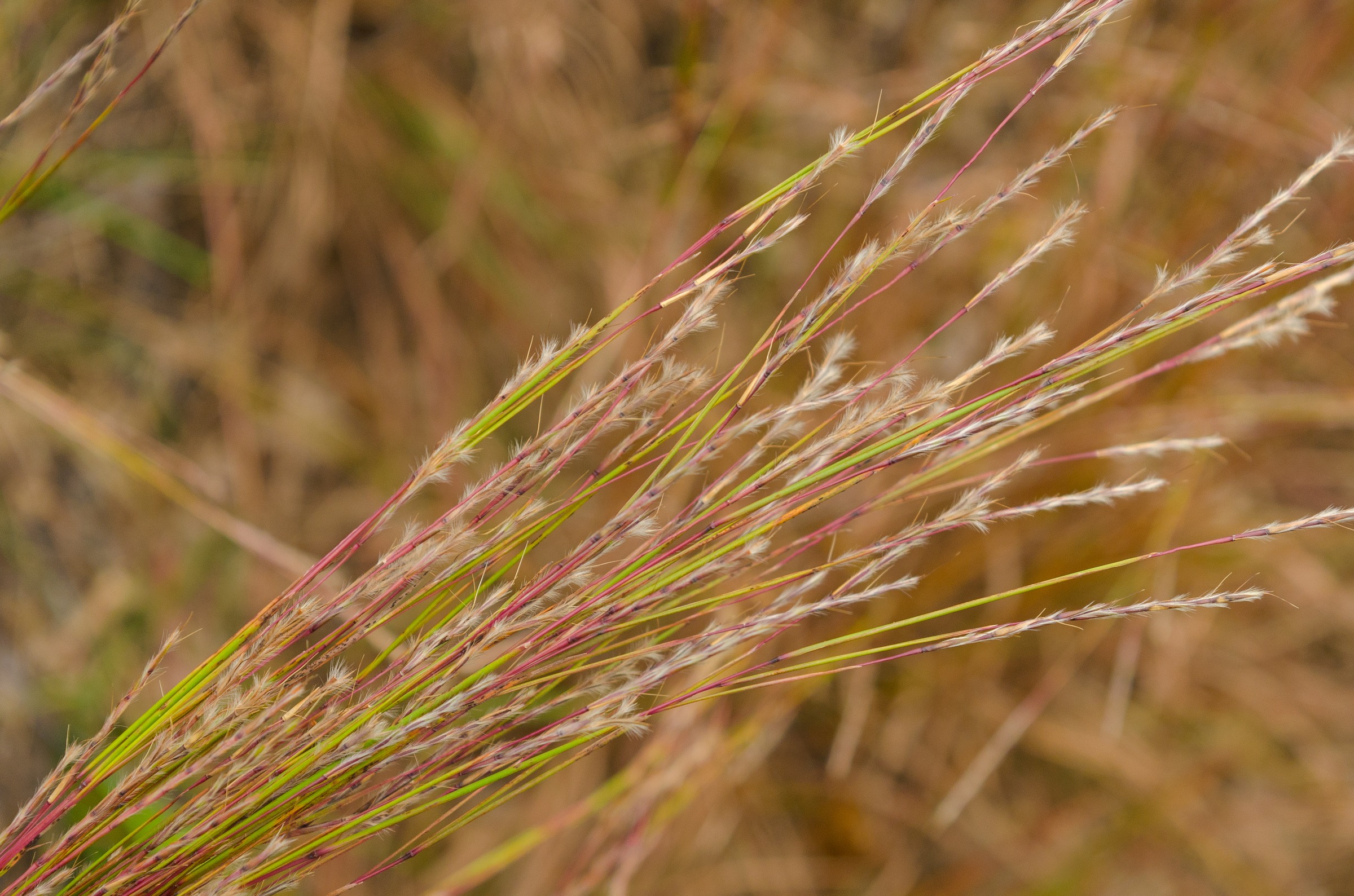
5. Little Bluestem (Schizachyrium scoparium)
A native prairie grass with blue-green foliage that turns coppery red in fall. Its stiffness and texture discourage deer.
Factors That Affect Deer Resistance in Ornamental Grasses
While many ornamental grasses are deer resistant, some factors can influence whether deer will nibble on them:
- Deer Population Density: In areas with high deer density, hungry deer may sample plants they usually avoid.
- Season: Winter months with scarce food sources can increase deer browsing on ornamental grasses.
- Plant Health: Stressed or unhealthy plants may be more susceptible to deer damage.
- Location: Grasses planted near preferred deer paths or bedding areas may be more vulnerable.
Tips to Enhance Deer Resistance in Your Garden
If you want to keep deer away from your ornamental grasses and other plants, consider these strategies:
- Plant in Groups: Large clumps of grasses can deter deer more effectively than isolated plants.
- Combine with Other Deer-Resistant Plants: Mix grasses with aromatic herbs or shrubs that repel deer.
- Use Physical Barriers: Fencing or netting can protect young or vulnerable plants.
- Apply Natural Deer Repellents: Commercial or homemade sprays may discourage deer browsing.
- Maintain Plant Health: Well-watered and fertilized plants can better withstand occasional deer nibbling.
Safety for Pets and Wildlife
Ornamental grasses are generally not listed as toxic to pets, but always monitor your furry friends around new plants. If you suspect your pet has ingested plant material and shows signs of distress, contact the ASPCA Animal Poison Control Center at 888-426-4435 immediately.
Wildlife Resistance Disclaimer: While ornamental grasses are often deer resistant, no plant is guaranteed to repel deer, rabbits, or groundhogs under all conditions.
Conclusion
Most ornamental grasses are deer resistant due to their coarse texture, fibrous leaves, and unappealing taste. Varieties like maiden grass, feather reed grass, blue fescue, switchgrass, and little bluestem are excellent choices for gardeners looking to minimize deer damage. Remember that deer resistance can vary with environmental factors, so combining plant selection with protective strategies is your best bet for a thriving, deer-resistant landscape.
Looking to find the perfect ornamental grasses and other plants for your garden? Try the Plant Finder wizard at PlantWise's Plant Finder to discover plants tailored to your needs and zone.
Japanese Silver Grass
Karl Foerster Grass
Blue Fescue
Panicum Virgatum
Little Bluestem