FTC Disclosure: This post contains affiliate links. As an Amazon Associate, we earn from qualifying purchases at no extra cost to you.
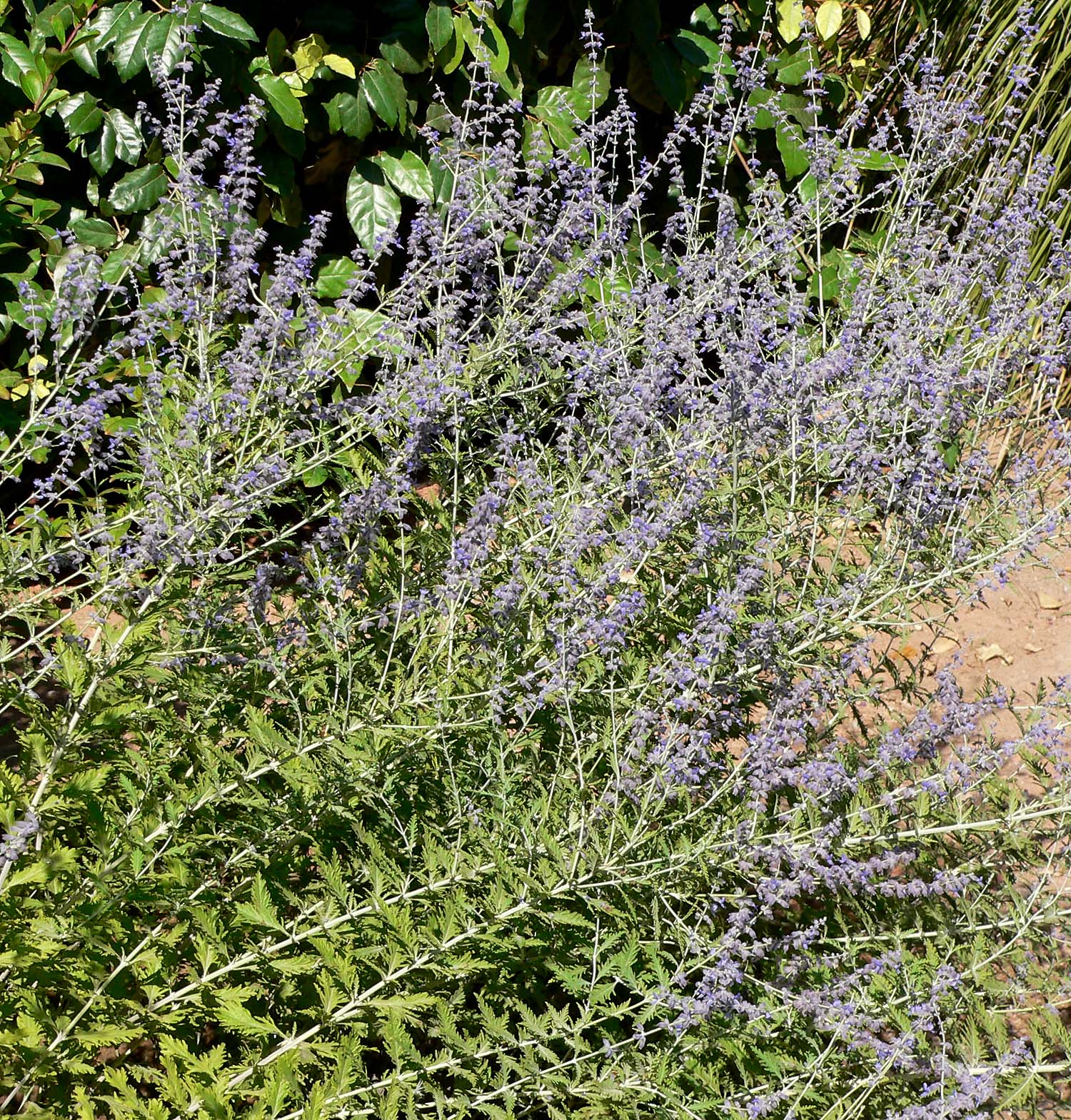
If you’re wondering, “Is Russian sage deer resistant?” the short answer is yes. Russian sage (Perovskia atriplicifolia) is widely regarded as one of the most deer-resistant plants thanks to its aromatic foliage and bitter taste that deer find unpalatable. This makes it an excellent choice for gardeners battling deer browsing. In this complete guide, we’ll explore why deer avoid Russian sage, how to grow and care for it, and other tips for creating a deer-resistant garden.
Why Is Russian Sage Deer Resistant?
Russian sage owes its deer resistance primarily to its strong fragrance and tough, bitter leaves. Deer have a highly developed sense of smell and tend to avoid plants with strong, pungent odors. The silvery-gray foliage of Russian sage contains volatile oils that emit a scent deer find unpleasant. Additionally, the texture and taste of the leaves are somewhat coarse and bitter, further discouraging deer from munching on it.
Unlike tender, succulent plants that deer prefer, Russian sage has woody stems and fibrous leaves, making it less appealing as a food source. While no plant is completely deer-proof—hungry deer may nibble on usually avoided plants during harsh winters or droughts—Russian sage generally ranks very high on deer resistance lists.
🌱 Get Personalized Plant Picks
Answer a few quick questions and we’ll match plants to your exact yard conditions.
Find My Plants →How to Grow Russian Sage Successfully
Russian sage is a drought-tolerant perennial native to Central Asia. It thrives in full sun and well-drained soil, making it suitable for xeriscaping and low-maintenance gardens. Here are some tips for successfully growing Russian sage:
1. Planting Location
Choose a sunny spot with at least 6-8 hours of direct sunlight. Russian sage does best in well-drained soils and can tolerate poor soil conditions, including sandy or rocky ground. Avoid sites with heavy clay or consistently wet soil, as this can lead to root rot.
2. Soil and Watering
Amend the soil with compost to improve drainage if necessary. Once established, Russian sage is drought tolerant and requires minimal watering. Water deeply but infrequently, allowing the soil to dry out between waterings.
3. Pruning
Prune Russian sage annually in early spring before new growth begins. Cut back the previous year’s woody stems to about 6-12 inches to encourage vigorous growth and maintain a tidy shape.
4. Fertilizing
Russian sage doesn’t require heavy feeding. Apply a balanced slow-release fertilizer in early spring if your soil is particularly poor, but often no additional fertilizer is needed.
5. Propagation
You can propagate Russian sage from softwood cuttings taken in late spring or by dividing mature clumps in early spring.
Other Benefits of Russian Sage in the Garden
Besides its deer resistance, Russian sage offers several other advantages:
- Attracts Pollinators: The tall spikes of lavender-blue flowers bloom from mid-summer to fall, attracting bees, butterflies, and hummingbirds.
- Low Maintenance: Its drought tolerance and minimal pest problems make it an easy-care perennial.
- Erosion Control: The plant’s extensive root system helps stabilize slopes and prevent erosion.
- Aesthetic Appeal: The silvery foliage and airy flower spikes add texture and color contrast to garden beds.
Are There Any Wildlife Considerations?
While Russian sage is deer resistant, it is not guaranteed to be avoided by all wildlife. Rabbits and groundhogs may occasionally browse on it, especially if food is scarce. However, most rodents tend to leave it alone due to its aromatic qualities.
Wildlife Resistance Disclaimer: No plant is completely resistant to all wildlife. Russian sage is generally deer resistant but may still be browsed under extreme conditions.
Is Russian Sage Safe for Pets?
If you have pets, it’s important to consider plant safety. Russian sage is not listed as toxic to dogs, cats, or horses by the ASPCA. However, it is always best to supervise pets around plants since ingestion of large amounts of any plant material can cause gastrointestinal upset.
For any concerns about pet exposure to plants, contact the ASPCA Animal Poison Control hotline at 888-426-4435.
Companion Plants That Are Deer Resistant
To create a garden that resists deer damage, consider pairing Russian sage with other deer-resistant plants. Here are some good companions:
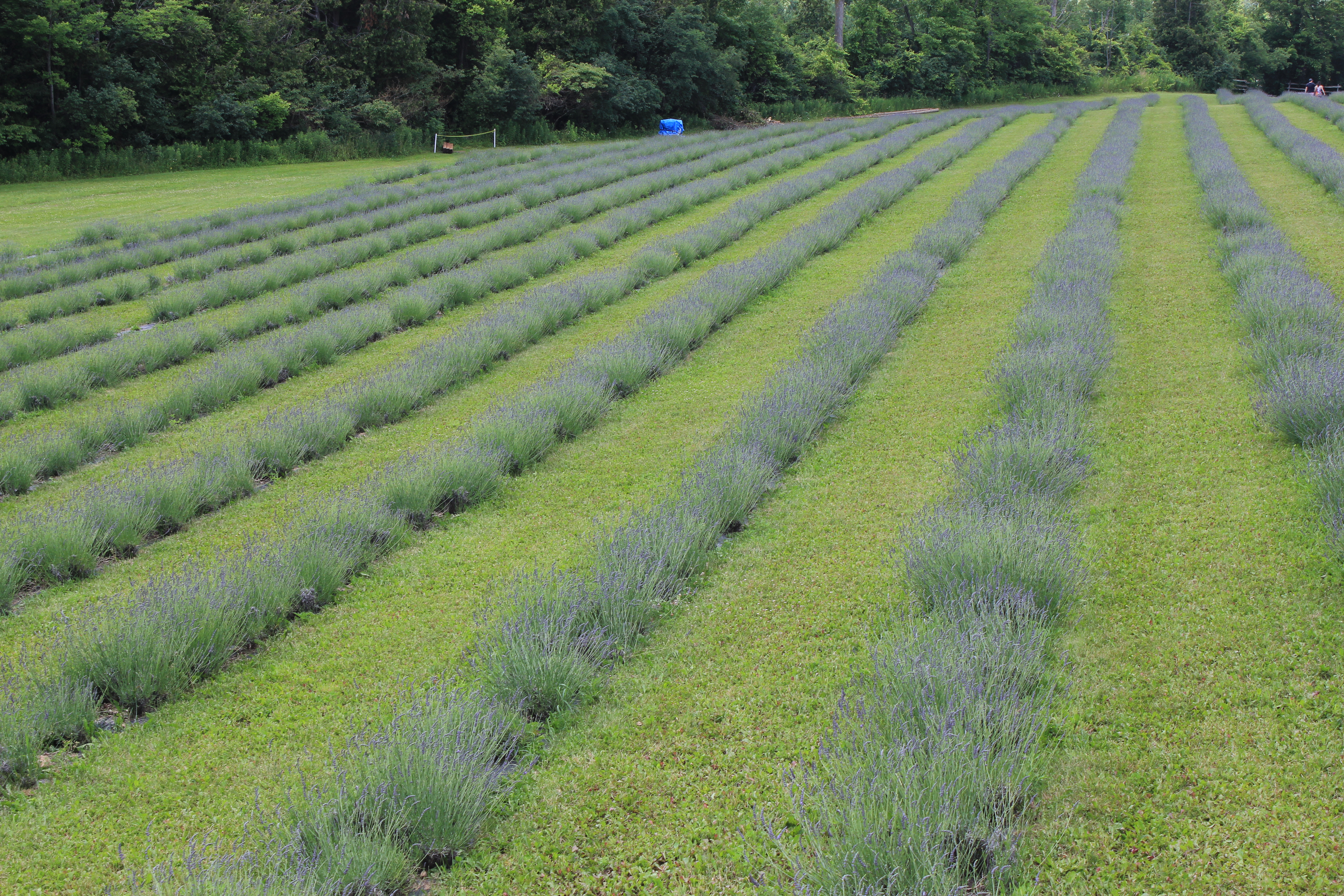
Lavender – Like Russian sage, lavender has fragrant gray foliage and purple flowers that repel deer.
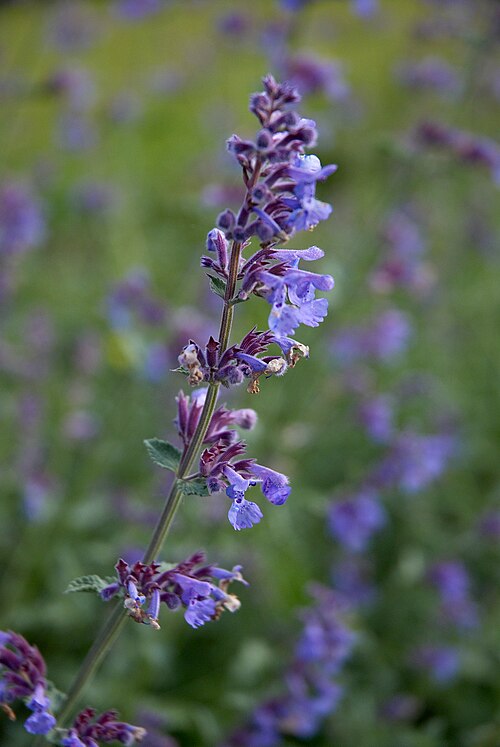
Catmint – Catmint’s aromatic leaves and blue flowers make it another excellent deer-resistant perennial.
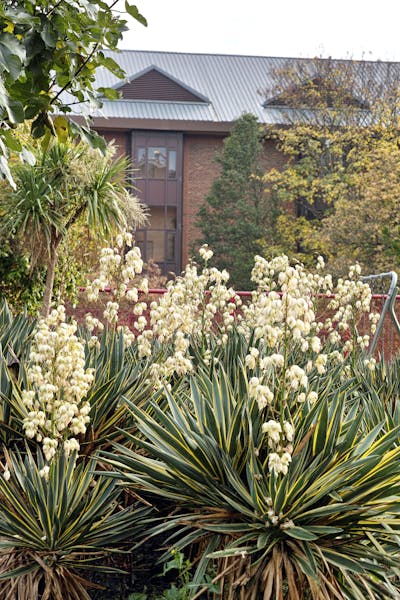
Yucca – The spiky leaves of yucca deter deer and add architectural interest.
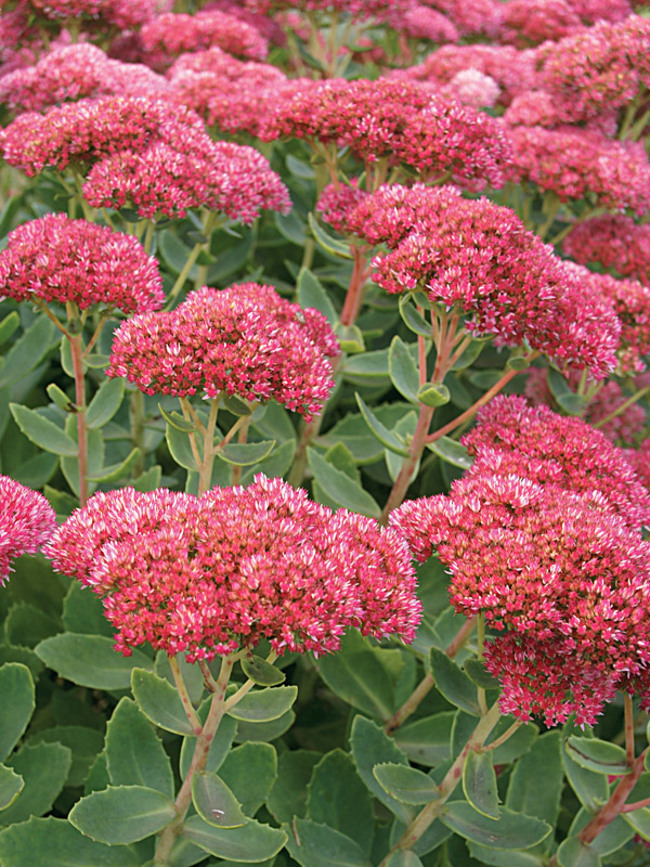
Sedum Autumn Fire – These succulent plants are generally unappealing to deer and thrive in similar conditions.
Combining these plants can create a visually appealing, low-maintenance, and deer-resistant garden.
Tips to Further Protect Your Garden from Deer
Though Russian sage is deer resistant, employing additional strategies can help protect your garden:
- Physical Barriers: Use fencing or netting to keep deer out of sensitive areas.
- Repellents: Commercial deer repellents based on scent or taste can be applied to vulnerable plants.
- Plant Diversity: A diverse planting scheme with deer-resistant plants reduces the likelihood of heavy browsing.
- Remove Attractants: Keep your yard clean of fallen fruit or other deer attractants.
Conclusion
Is Russian sage deer resistant? Yes, it is one of the best choices for gardeners seeking to reduce deer browsing. Its aromatic foliage, bitter taste, and woody growth make it unappealing to deer. With proper planting and care, Russian sage can thrive in your garden while adding beauty and attracting pollinators. Remember that no plant is entirely deer-proof, so combining Russian sage with other deer-resistant plants and protective measures is the best approach.
For more plant recommendations tailored to your conditions, try the Plant Finder wizard at /wizard and discover ideal deer-resistant plants for your garden.
ASPCA Animal Poison Control Hotline: 888-426-4435
Wildlife resistance disclaimer: No plant is completely resistant to all wildlife. Russian sage is generally deer resistant but may still be browsed under extreme conditions.
Russian Sage
Lavender
Catmint
Yucca
Sedum Autumn Fire
Ready to build your perfect deer-resistant garden? Use our Plant Finder wizard now: /wizard