FTC Disclosure: This post contains affiliate links. As an Amazon Associate, we earn from qualifying purchases.
If you're wondering, "Is salvia deer resistant?" the short answer is yes. Salvia is widely regarded as one of the most reliably deer-resistant plants due to its aromatic foliage and bitter taste, which deer tend to avoid. However, no plant is completely deer-proof, and factors like local deer population pressure and seasonal food availability can influence browsing behavior. In this guide, we'll explore why salvia repels deer, which varieties are best for deer-prone areas, and tips to enhance your garden's wildlife resistance.
Why Is Salvia Considered Deer Resistant?
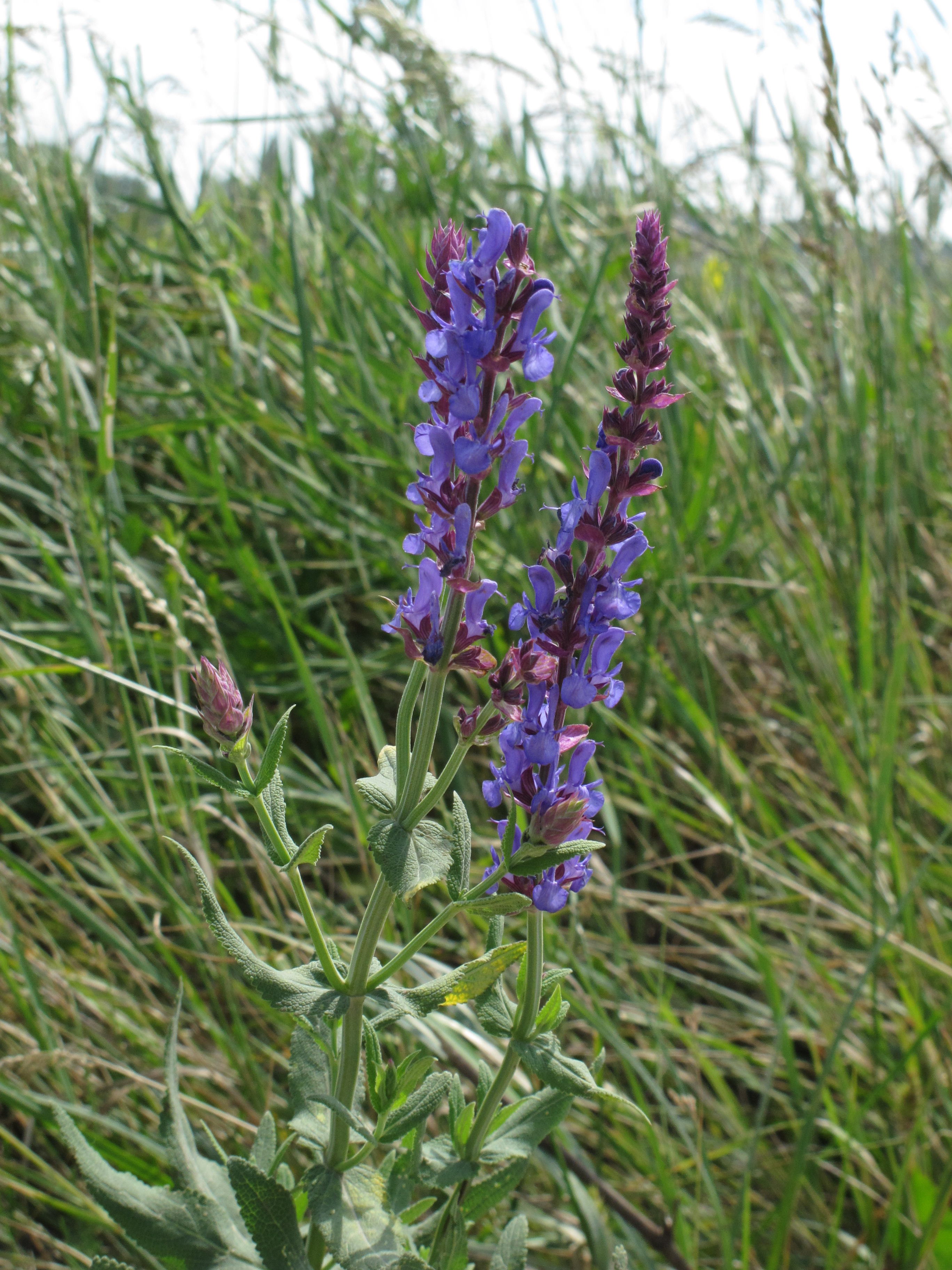
Salvia, commonly known as sage, belongs to the Lamiaceae (mint) family and is prized for its fragrant leaves and vibrant flowers. The essential oils and strong scents in salvia foliage make it unpalatable to deer, who typically avoid plants with bitter or aromatic compounds. Additionally, the texture of many salvia leaves, which can be rough or hairy, may deter deer from feeding.
It’s important to note that while salvia is deer resistant, it is not deer proof. In times of food scarcity or heavy deer pressure, these animals may sample plants they usually avoid. Nonetheless, salvia remains a solid choice for gardeners looking to reduce deer damage.
🌱 Get Personalized Plant Picks
Answer a few quick questions and we’ll match plants to your exact yard conditions.
Find My Plants →Best Salvia Varieties for Deer Resistance
Different species and cultivars of salvia vary in their deer resistance and garden performance. Here are some top choices:
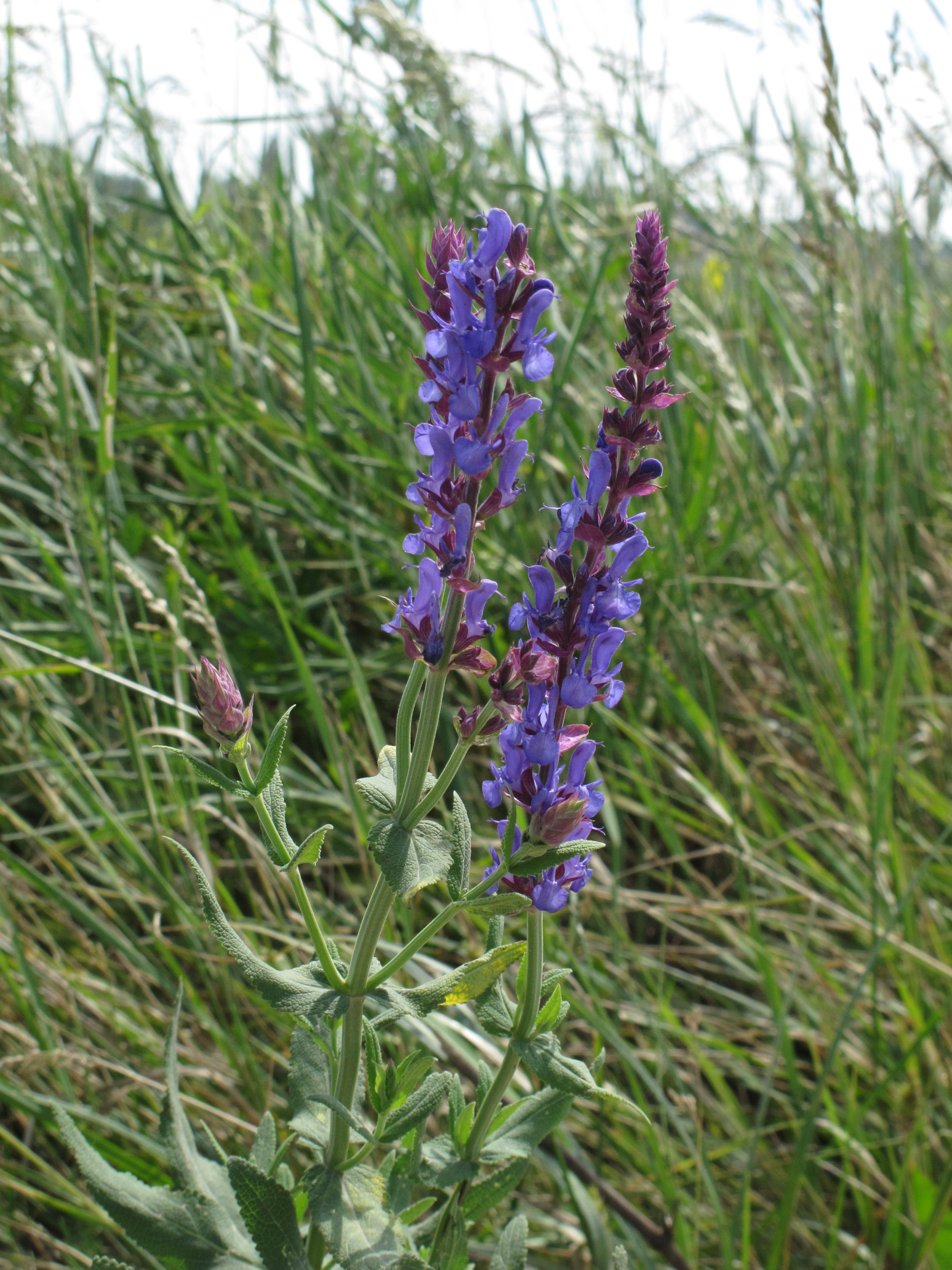
1. Salvia nemorosa (Woodland Sage)
This perennial salvia species features spikes of purple, blue, or pink flowers and aromatic, gray-green foliage. It is widely planted in perennial borders and is known for its strong deer resistance and drought tolerance.
2. Salvia officinalis (Common Sage)
Common sage is a woody perennial herb grown for culinary and ornamental uses. Its strong fragrance and rough leaves help repel deer. It also attracts pollinators, making it a dual-purpose plant.
3. Salvia microphylla (Little-leaf Sage)
This species produces abundant tubular flowers in shades of red, pink, and purple. It is a shrub-like salvia that deer tend to avoid, and it thrives in warm climates.
4. Salvia guaranitica (Anise-scented Sage)
Known for its deep blue flowers and anise-scented foliage, this tender perennial is deer resistant and a favorite for hummingbird gardens.
5. Salvia splendens (Scarlet Sage)
Often grown as an annual bedding plant, scarlet sage's bright red flower spikes and aromatic leaves deter deer browsing.
How to Maximize Deer Resistance in Your Salvia Plantings
While salvia is naturally deer resistant, you can take additional steps to protect your plants:
- Plant in Full Sun: Salvia thrives in sunny spots, which helps maintain healthy, aromatic foliage that repels deer.
- Avoid Overwatering: Excess moisture can reduce the concentration of essential oils, making plants more palatable.
- Use Companion Planting: Combine salvia with other deer-resistant plants like lavender, rosemary, and ornamental grasses to create a less inviting environment.
- Physical Barriers: Install fencing or deer netting around young or vulnerable plants during peak browsing seasons.
- Deer Repellents: Commercial sprays with strong odors or tastes can provide extra protection if deer pressure is severe.
Are Salvias Safe for Pets?
Salvia species are generally considered not listed as toxic to dogs and cats by the ASPCA. However, ingestion of any plant material in large amounts can cause mild gastrointestinal upset in pets. Always monitor pets around garden plants and contact the ASPCA Animal Poison Control Center at 888-426-4435 if you suspect poisoning.
Wildlife Resistance Disclaimer
While salvia is known for its deer resistance, no plant can guarantee complete protection against all wildlife such as deer, rabbits, or groundhogs. Browsing behavior varies by region, season, and animal population. Use integrated strategies for best results.
Additional Benefits of Growing Salvia
Besides deterring deer, salvia offers many other advantages:
- Pollinator Friendly: Salvias attract bees, butterflies, and hummingbirds, supporting local ecosystems.
- Drought Tolerant: Many salvia varieties thrive in dry conditions, reducing garden water needs.
- Low Maintenance: Salvias generally require minimal care once established.
- Ornamental Appeal: With their vibrant flower spikes and aromatic foliage, salvias add color and texture to any garden.
Conclusion
If you’re looking for a beautiful, fragrant, and deer-resistant plant, salvia is an excellent choice. Its aromatic foliage and bitter taste generally discourage deer from feeding, though no plant is completely safe from hungry wildlife. By selecting the right salvia varieties and employing additional deterrent methods, you can enjoy a thriving garden with less deer damage.
For more plant recommendations tailored to your garden’s conditions and wildlife challenges, try the Plant Finder wizard at /wizard.
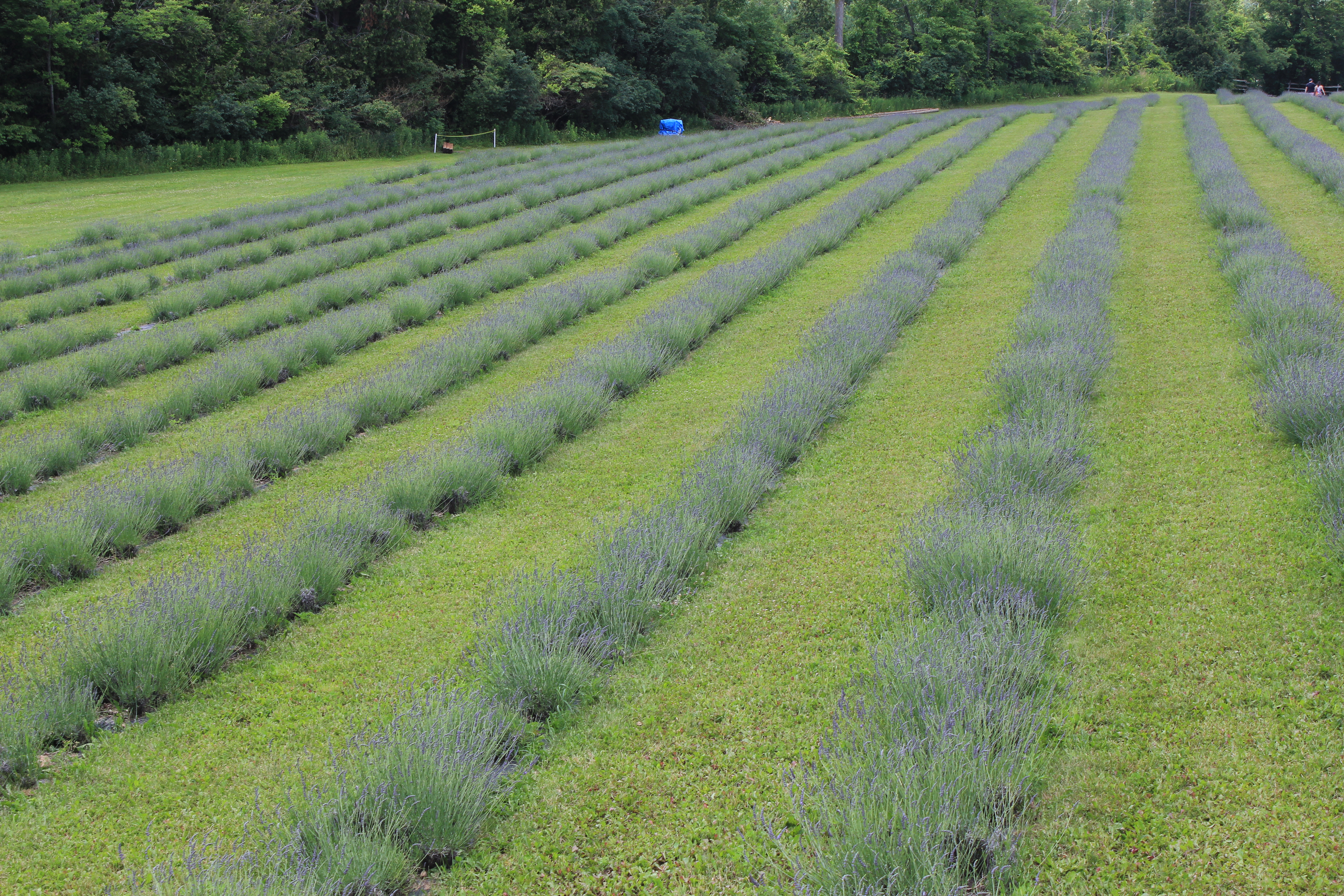
Lavender
Rosmarinus Officinalis
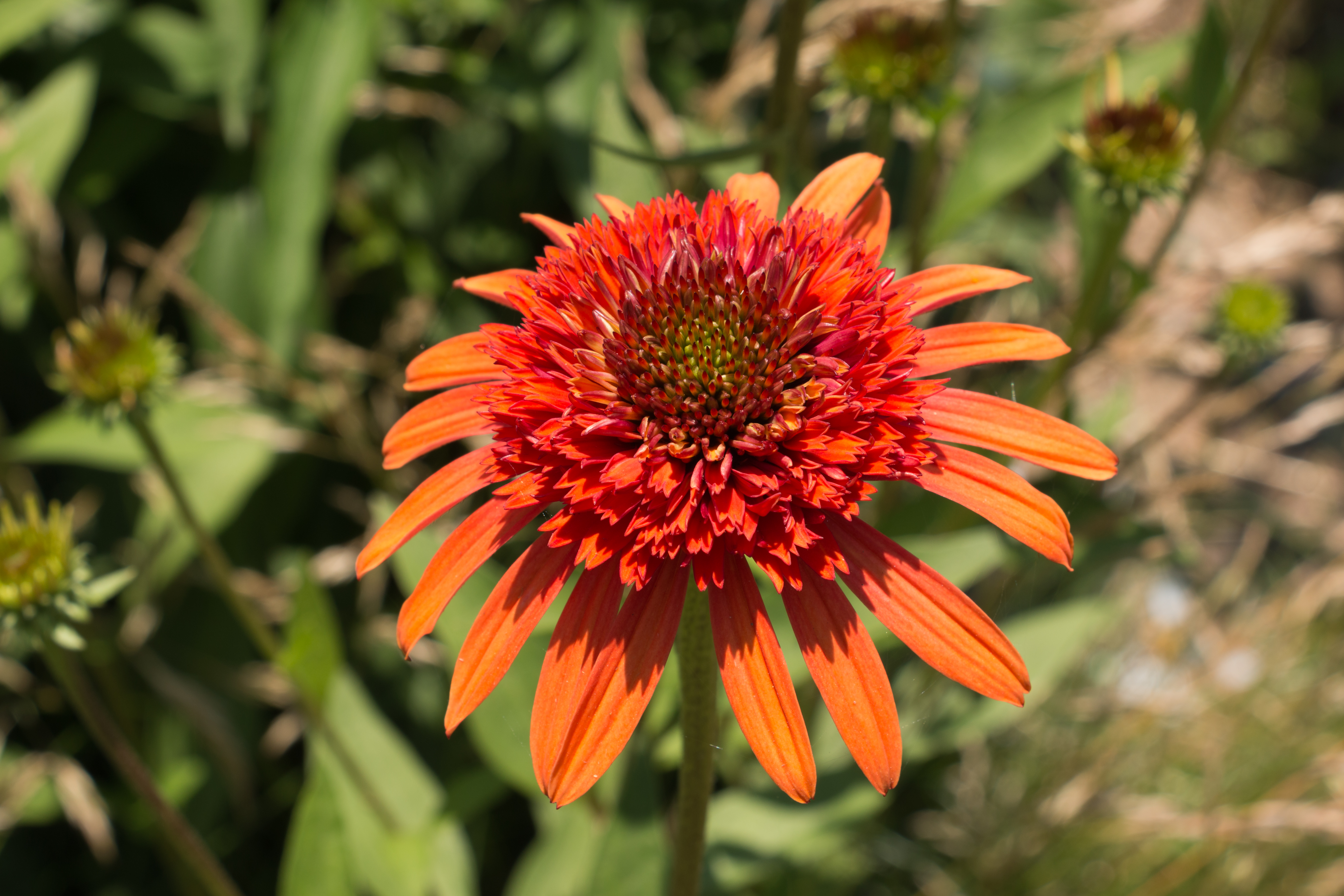
Coneflower
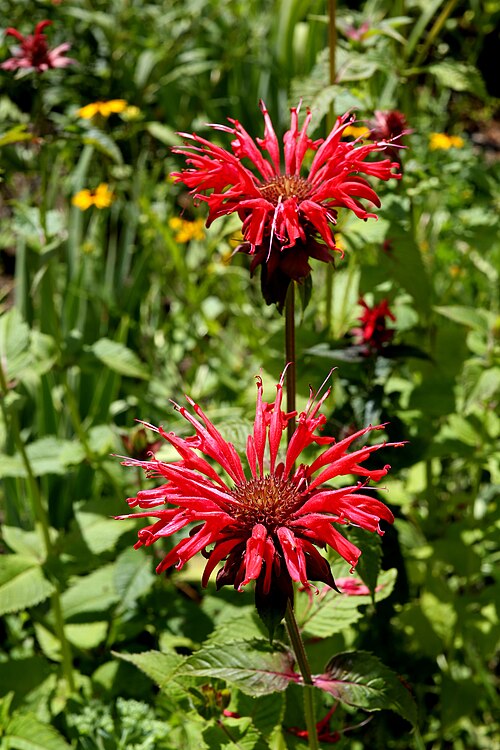
Bee Balm