[FTC Disclosure: This post contains affiliate links. As an Amazon Associate, PlantWise may earn from qualifying purchases.]
Is Yarrow Deer Resistant? Complete Guide
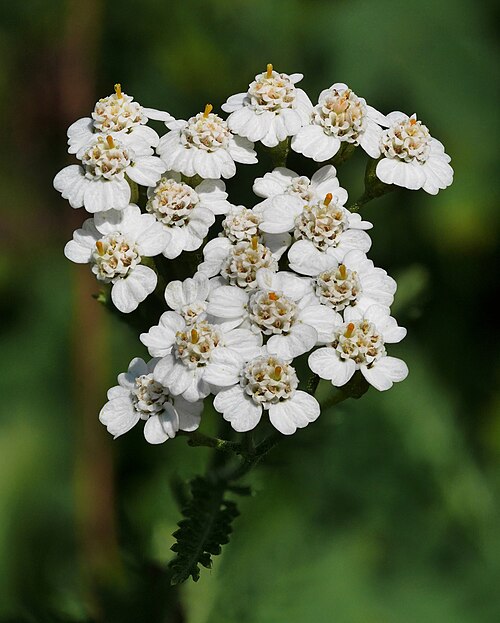
If you're wondering, "Is yarrow deer resistant?" the answer is yes—native yarrow (Achillea millefolium) is widely considered one of the most deer-resistant perennials available. Its strong, aromatic foliage and bitter taste make it unappealing to deer, helping it thrive even in areas with heavy deer pressure. While no plant is completely deer-proof, yarrow’s natural defenses give it a big advantage in deterring these hungry visitors. In this guide, you’ll learn why yarrow is deer resistant, which varieties perform best in different growing zones, and tips to maintain your yarrow garden despite wildlife challenges.
🌱 Get Personalized Plant Picks
Answer a few quick questions and we’ll match plants to your exact yard conditions.
Find My Plants →Why Is Yarrow Deer Resistant?
Yarrow’s deer resistance primarily comes from its chemical makeup and texture. The plant’s finely divided, fern-like leaves contain volatile oils and bitter compounds that deer find unpalatable. These aromatic oils produce a strong scent when the foliage is brushed or crushed, which acts as a natural deterrent. Additionally, yarrow's tough, leathery leaves are not as tender or juicy as other plants deer prefer.
Deer tend to avoid plants with strong flavors or tough textures because they require more effort to eat and digest. Yarrow fits this profile perfectly, making it an unattractive snack in the wild. This resistance is especially helpful in gardens and landscapes near woodlands or in rural areas where deer populations are high.
Which Yarrow Varieties Are Best for Deer Resistance?
While native Achillea millefolium is naturally deer resistant, many hybrid cultivars maintain this trait with added ornamental value. Here are a few top choices:
Achillea millefolium ‘Paprika’: This variety features vibrant orange-red flowers that attract pollinators but repel deer. It thrives in full sun and well-drained soil zones 3-9.
Achillea millefolium ‘Moonshine’: Known for its silvery-gray foliage and bright yellow blooms, ‘Moonshine’ is drought tolerant and deer resistant. It adds a lovely contrast to mixed borders.
Achillea ‘Cerise Queen’: Sporting deep pink flower clusters, this hybrid offers excellent deer resistance combined with a longer blooming period.
Achillea ‘Summer Pastels’: This cultivar produces soft pastel pink and peach flowers and holds up well against deer browsing.
When selecting yarrow for deer resistance, choose healthy plants grown in sunny, well-drained conditions to maximize their vigor and natural defenses.
Growing Yarrow in Your Zone
Yarrow is adaptable and hardy in USDA zones 3 through 9, making it suitable for most temperate climates. It prefers full sun and well-drained soil but can tolerate poor soil conditions and drought once established. Here are some growing tips:
Soil: Well-draining soil is crucial. Yarrow does not like soggy roots, which can lead to disease.
Water: Moderate watering is best. Established plants are drought tolerant.
Spacing: Plant yarrow 12 to 24 inches apart to allow good air circulation and reduce fungal issues.
Maintenance: Deadhead spent flowers to encourage longer blooming. Divide clumps every 3-4 years to maintain vigor.
By providing these conditions, you help your yarrow plants develop strong foliage and aromatic oils that increase their deer resistance.
Additional Wildlife Resistance Information
While yarrow is generally deer resistant, it is important to note that no plant is completely deer-proof. In times of severe food scarcity, deer may sample plants they usually avoid. Also, yarrow’s resistance to other wildlife like rabbits and groundhogs is variable. Some gardeners report that rabbits may nibble on young yarrow shoots, though mature plants tend to be less appealing.
For pet owners, it’s important to note that yarrow is not listed as toxic to cats and dogs by the ASPCA; however, ingestion of large quantities may cause mild gastrointestinal upset. Always monitor pets around garden plants and contact the ASPCA Animal Poison Control Center at 888-426-4435 if you suspect poisoning.
[Wildlife resistance can vary based on local animal populations and environmental conditions, so results may differ.]
Companion Plants to Pair with Yarrow for Wildlife Resistance
Planting yarrow alongside other deer-resistant species can create a landscape less attractive to wildlife. Some good companions include:
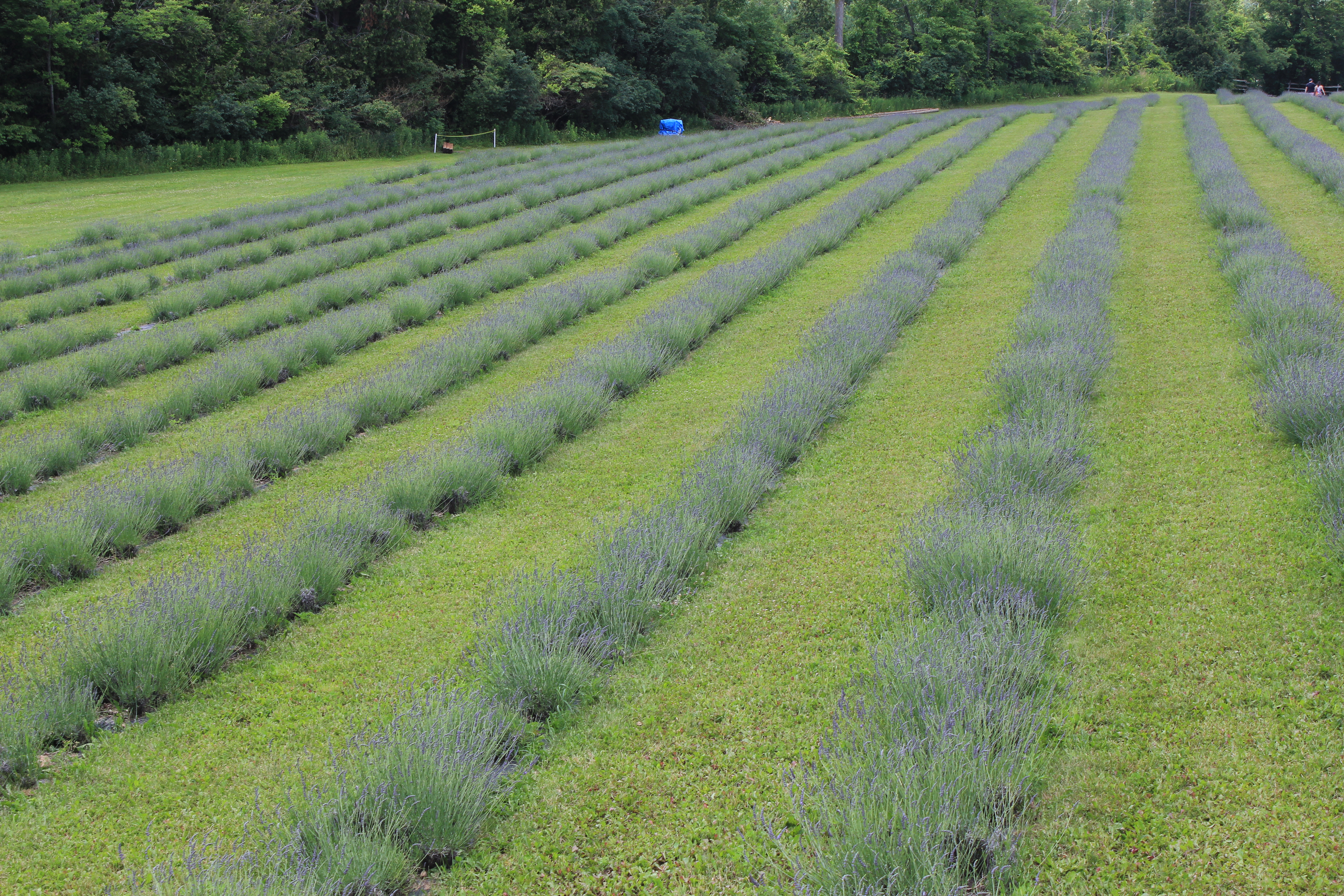
Lavender (English Lavender) – aromatic and deer resistant
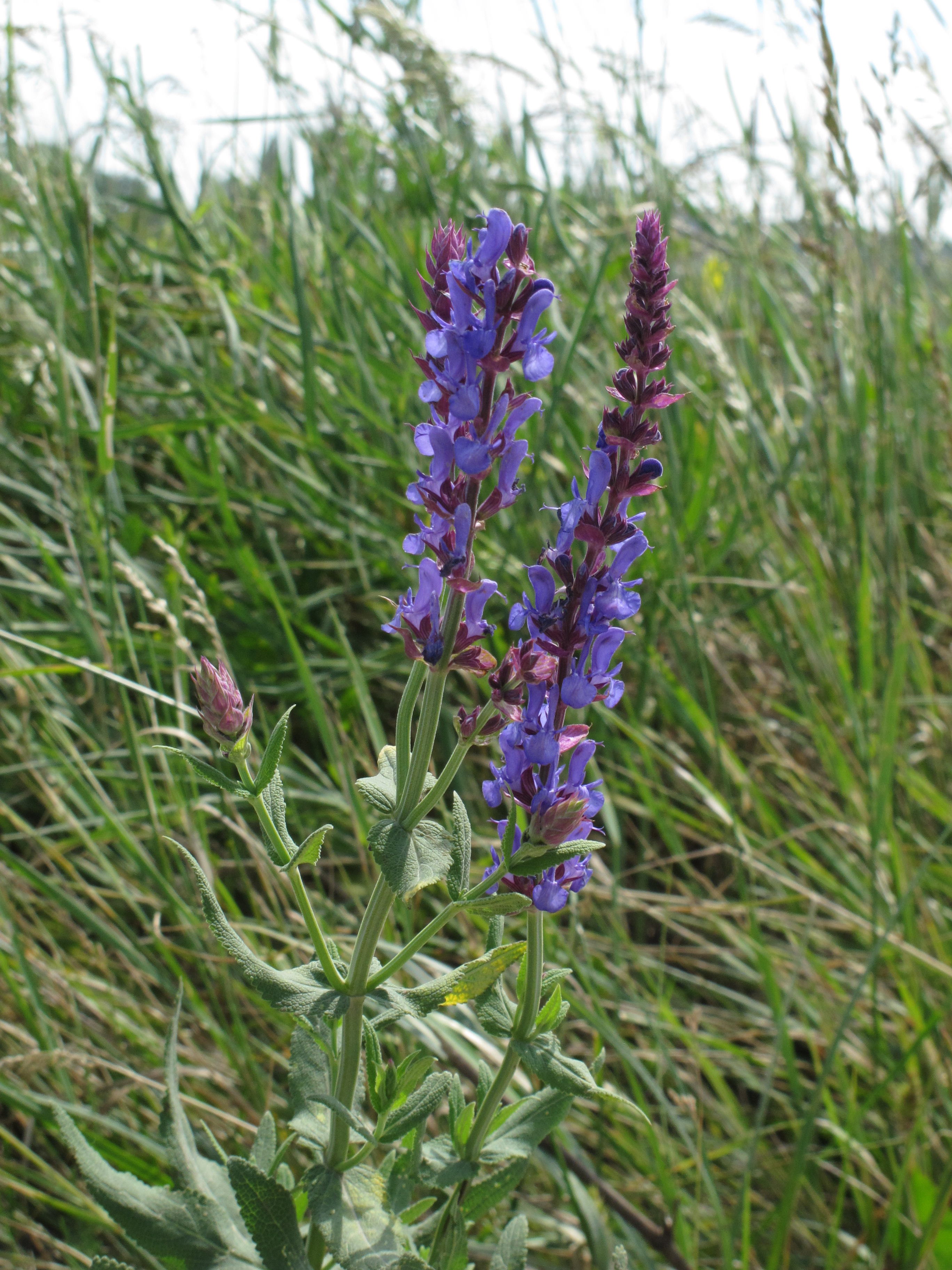
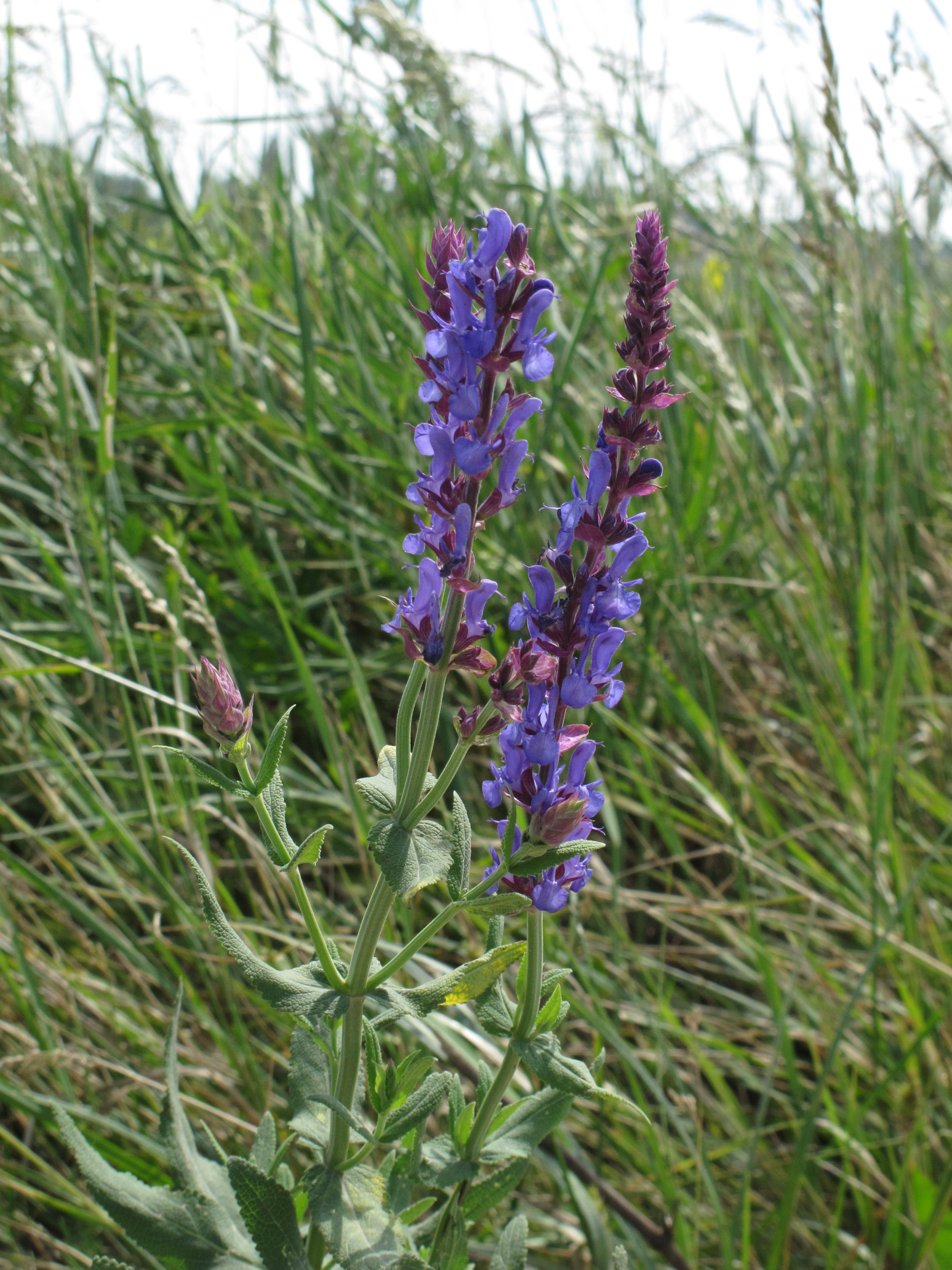
salvia-nemorosa" class="plant-link">Salvia Nemorosa (Wood Sage) – tough, drought tolerant, and unpalatable to deer
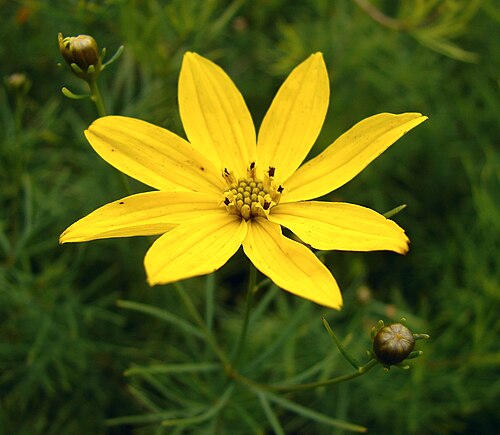
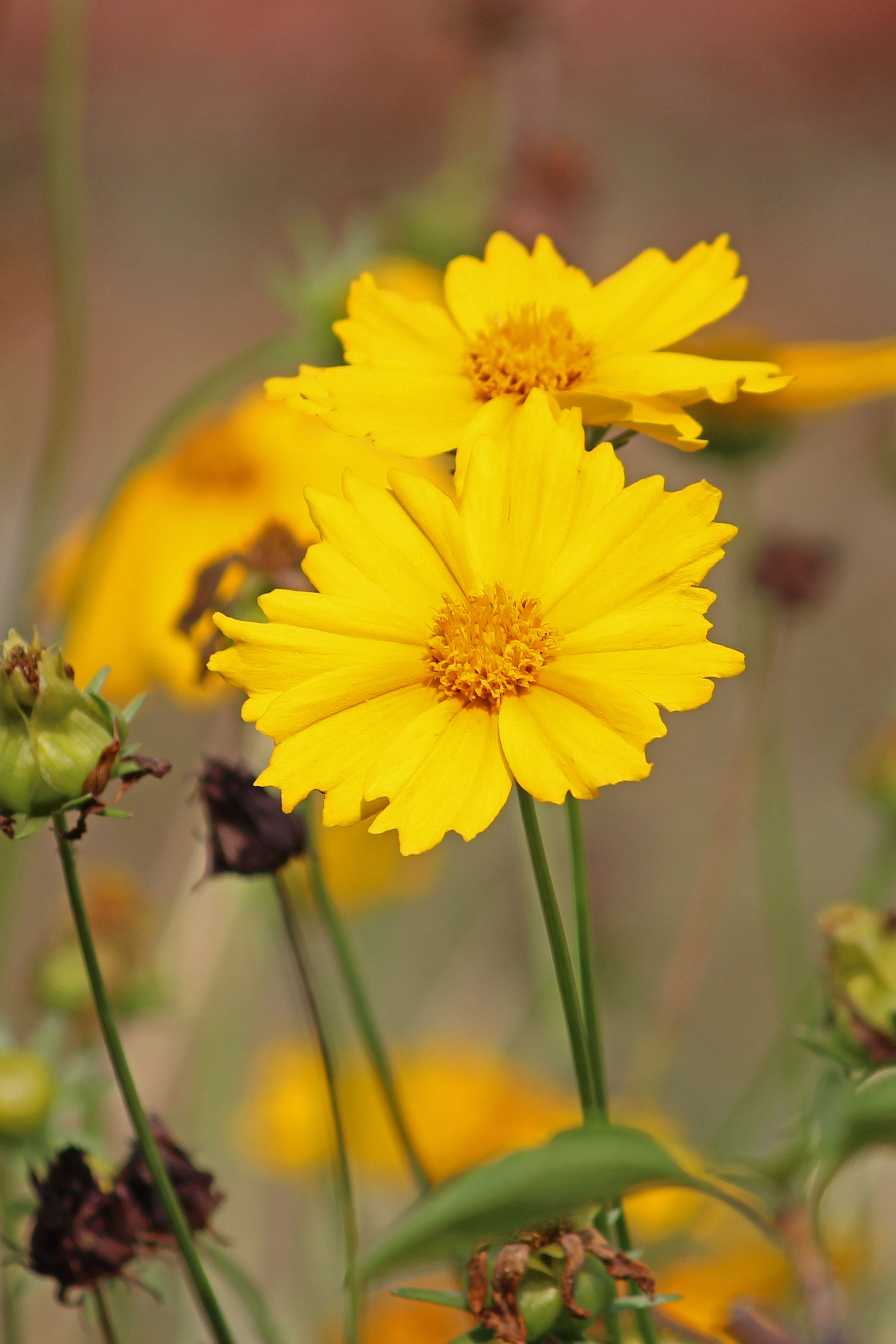
Coreopsis (Tickseed) (Threadleaf Coreopsis) – bright blooms and deer resistant
Euphorbia Polychroma (Cushion Spurge) – milky sap deters browsing
Combining these plants can help create a garden that is both beautiful and less vulnerable to deer damage.
Tips to Enhance Deer Resistance in Your Garden
Even with naturally resistant plants like yarrow, you can take additional steps to minimize deer browsing:
Use physical barriers: Fencing or netting can protect young plants.
Apply repellents: Commercial deer repellents based on scent or taste can discourage deer.
Plant in groupings: Large clusters of deer-resistant plants amplify the deterrent effect.
Avoid fertilizing heavily: Lush, tender growth attracts deer.
Maintain garden hygiene: Remove fallen fruit or vegetation that may attract deer.
By combining these strategies with deer-resistant plants such as yarrow, you’ll have greater success managing deer in your landscape.
Summary: Is Yarrow Deer Resistant?
Yes, yarrow is one of the most deer-resistant perennials you can grow. Its aromatic, bitter foliage and tough texture generally keep deer at bay. Native Achillea millefolium and many hybrid cultivars perform well across a range of USDA zones and garden settings. While not completely immune to all wildlife browsing, yarrow’s natural defenses make it an excellent choice for gardeners seeking a low-maintenance, resilient perennial.
For pet owners, yarrow is not listed as toxic but should still be monitored around pets. Remember, deer resistance varies by region and environmental conditions, so use multiple strategies for best results.
Explore the following yarrow varieties and companion plants for a beautiful, deer-resistant garden:
Ready to find the perfect deer-resistant plants for your garden? Try the Plant Finder wizard at PlantWise /wizard to discover plants tailored to your zone, soil, and wildlife challenges!