FTC Disclosure: This post contains affiliate links. We may earn a commission at no extra cost to you.
If you’re wondering, “Is lavender deer resistant?” the short answer is yes. Lavender is widely regarded as one of the most reliably deer-resistant plants, thanks to its strong fragrance and bitter taste that deer typically avoid. However, deer resistance can vary depending on local deer pressure, regional climate, and available food sources. In this zone-by-zone guide, we’ll explore why lavender repels deer, how it performs across USDA hardiness zones, and tips for growing it successfully where deer roam.
Why Is Lavender Deer Resistant?
Lavender’s deer resistance stems primarily from its aromatic oils. The plant produces compounds like linalool and camphor that give it a pungent scent and bitter flavor. Deer, which rely heavily on their sense of smell when foraging, generally find lavender unpalatable and will often bypass it when other food options are available.
In addition, the plant’s tough, narrow leaves and woody stems make it less appealing to deer compared to tender, juicy foliage. While not 100% deer proof—hungry deer may nibble on lavender during extreme food shortages—lavender is considered one of the more dependable choices for gardeners seeking to reduce deer damage.
🌱 Get Personalized Plant Picks
Answer a few quick questions and we’ll match plants to your exact yard conditions.
Find My Plants →Lavender’s Deer Resistance by USDA Hardiness Zone
Lavender grows best in zones 5 through 9, with some varieties adapted to colder or warmer climates. Here’s a zone-by-zone look at lavender’s deer resistance and growing requirements:
Zones 3-4: Cold Climates with Limited Lavender Options
In zones 3 and 4, winters are harsh and prolonged, limiting the types of lavender that can survive. English lavender (Lavandula angustifolia) cultivars like ‘Munstead’ and ‘Hidcote’ are the hardiest and may survive with winter protection.
Deer resistance: Moderate to high. Lavender remains unpalatable to deer in these zones, but deer pressure can be intense in winter when food is scarce, so occasional browsing may occur.
Growing tips: Provide excellent drainage and protect plants with mulch or burlap wraps. Avoid overwatering during winter to prevent root rot.
Zones 5-6: Ideal for English Lavender and Some Hybrid Varieties
These zones are considered prime for lavender cultivation. English lavender thrives here, as do hybrids like Lavandula x intermedia (‘Grosso’, ‘Phenomenal’). Deer resistance in these zones is consistently high.
Deer resistance: High. Deer tend to avoid lavender due to its scent, especially when other food sources are abundant.
Growing tips: Choose a sunny site with well-drained soil. Prune annually after flowering to maintain shape and encourage bushiness.
Zones 7-8: Expanding Options with Spanish and French Lavenders
In warmer zones 7 and 8, gardeners can enjoy a wider variety of lavenders, including Spanish lavender (Lavandula stoechas) and French lavender (Lavandula dentata). These lavenders have similar deer-resistant qualities but may be slightly less hardy.
Deer resistance: High. Deer avoid these fragrant, oily plants, but damage can occur if deer populations are high or food is scarce.
Growing tips: Protect from winter wetness by improving drainage or planting in raised beds. Some varieties may need light winter protection.
Zones 9-10: Warm Climates and Heat-Tolerant Lavender
In zones 9 and 10, lavender can struggle with heat and humidity but certain varieties like Lavandula dentata and Lavandula stoechas perform better. Deer resistance remains fairly strong, though deer pressure is often lower in these regions.
Deer resistance: Moderate to high. Lavender’s scent deters deer, though less severe winters may reduce plant vigor.
Growing tips: Provide afternoon shade in hot climates. Use sandy or rocky soil to mimic Mediterranean conditions.
Additional Factors Influencing Deer Resistance
While lavender is generally deer resistant, several factors can influence whether deer will eat it:
- Deer population density: In areas with high deer pressure, deer may sample plants they usually avoid.
- Seasonal food availability: During droughts or deep winter, deer may resort to browsing lavender.
- Plant health: Stressed or damaged lavender may be more vulnerable.
- Nearby plant choices: Offering alternative deer-resistant plants can reduce pressure on lavender.
Tips for Growing Lavender in Deer-Prone Gardens
- Plant in full sun: Lavender needs at least 6-8 hours of sun daily for best growth.
- Ensure good drainage: Lavender hates wet feet; raised beds or sandy soil help.
- Prune regularly: After flowering, trim back to promote dense growth and reduce woody stems.
- Combine with other deer-resistant plants: Create a planting scheme that deters deer overall.
- Use repellents if needed: Commercial deer repellents can supplement lavender’s natural deterrence.
- Protect young plants: Seedlings and small plants may need fencing until established.
Pet Safety Note
Lavender is not listed as toxic to pets by the ASPCA; however, some pets may experience mild stomach upset if large amounts are ingested. If you suspect your pet has ingested lavender or any plant and is showing symptoms, contact the ASPCA Animal Poison Control Center at 888-426-4435 immediately.
Wildlife Resistance Disclaimer
While lavender is considered deer resistant, no plant is completely deer proof. Deer feeding habits vary by region and season. Use lavender as part of a comprehensive deer management strategy.
Related Plants to Consider for Deer-Resistant Gardens
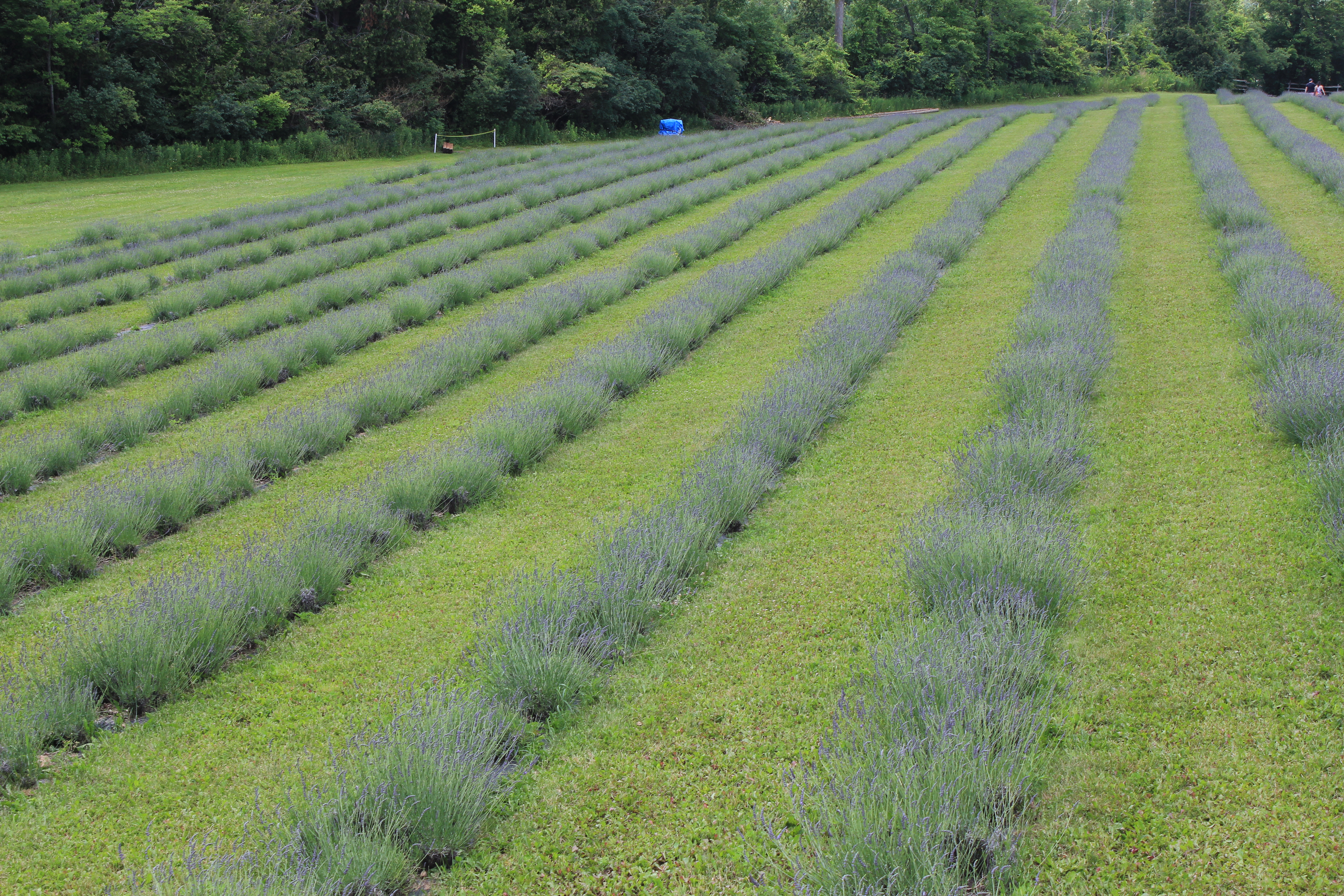
Lavender
Lavender
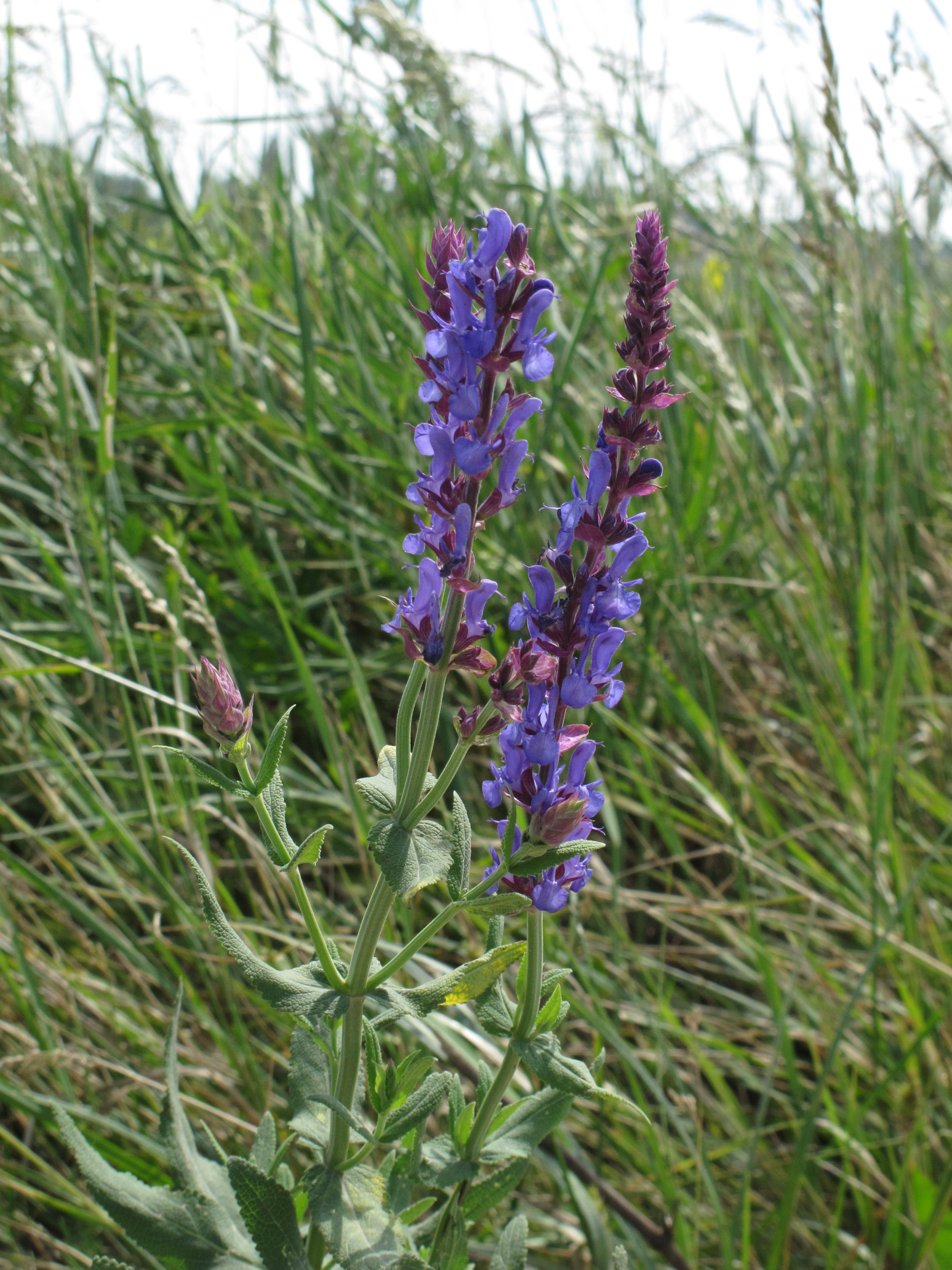
Salvia
Rosmarinus Officinalis
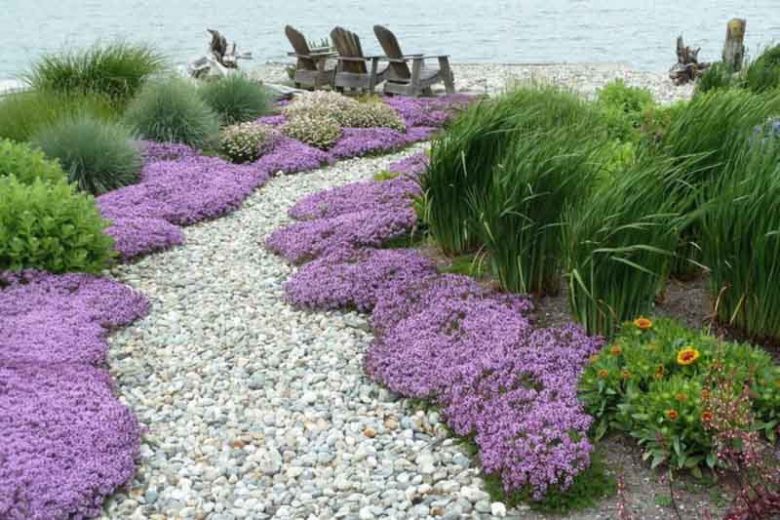
Creeping Thyme
These aromatic herbs share lavender’s deer-repellent qualities and can complement your garden design while keeping deer at bay.
Conclusion
Lavender is one of the most reliably deer-resistant plants available, prized for its fragrant flowers and drought tolerance. Its deer resistance holds true across most USDA zones where it thrives, especially zones 5 through 8. By choosing appropriate varieties and providing good growing conditions, gardeners can enjoy beautiful lavender blooms without frequent deer damage. Remember to combine lavender with other deer-resistant plants and protective measures for best results.
Ready to find the perfect lavender variety and other deer-resistant plants for your garden? Use our Plant Finder wizard to customize your selections based on your zone and preferences: /wizard