Evergreen Urns for Thanksgiving Porches
For a porch urn that looks good from Thanksgiving straight through winter, either plant a live dwarf conifer or boxwood in the center from late October through November, or fill the urn with fresh-cut evergreen boughs from mid to late November once nights stay cold. Cut greens last six to ten weeks outdoors in cold weather when pushed into damp soil and sprayed with an anti-desiccant. Live plants last all winter and can move into the garden in spring.
Either way, one planting carries the porch from the Thanksgiving table to the New Year, with only small accent swaps along the way.
Live plants vs cut greens
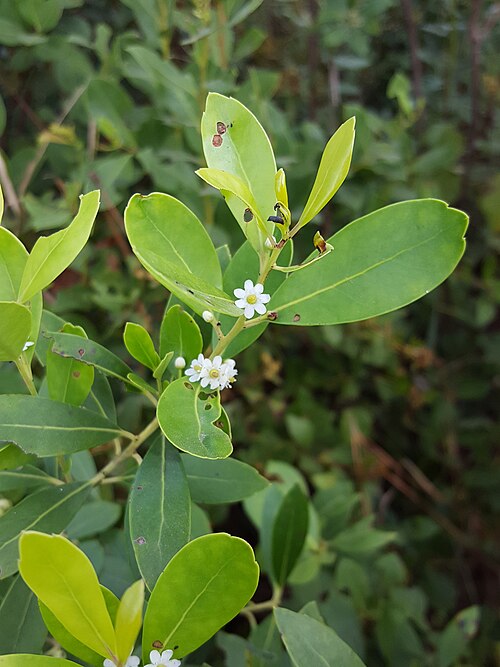
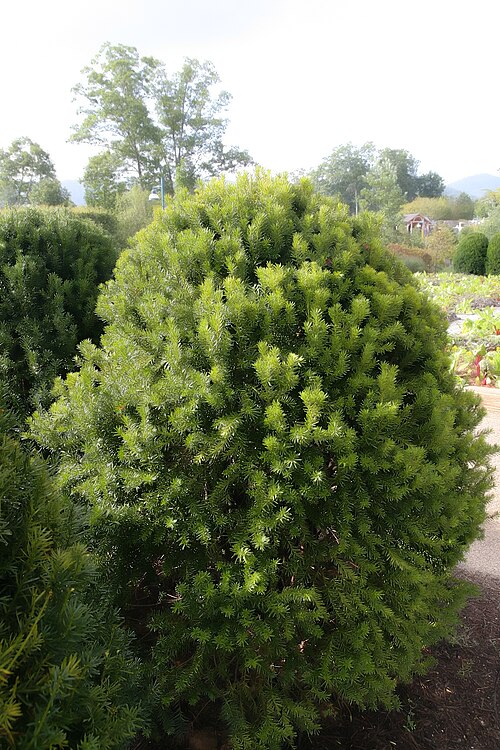
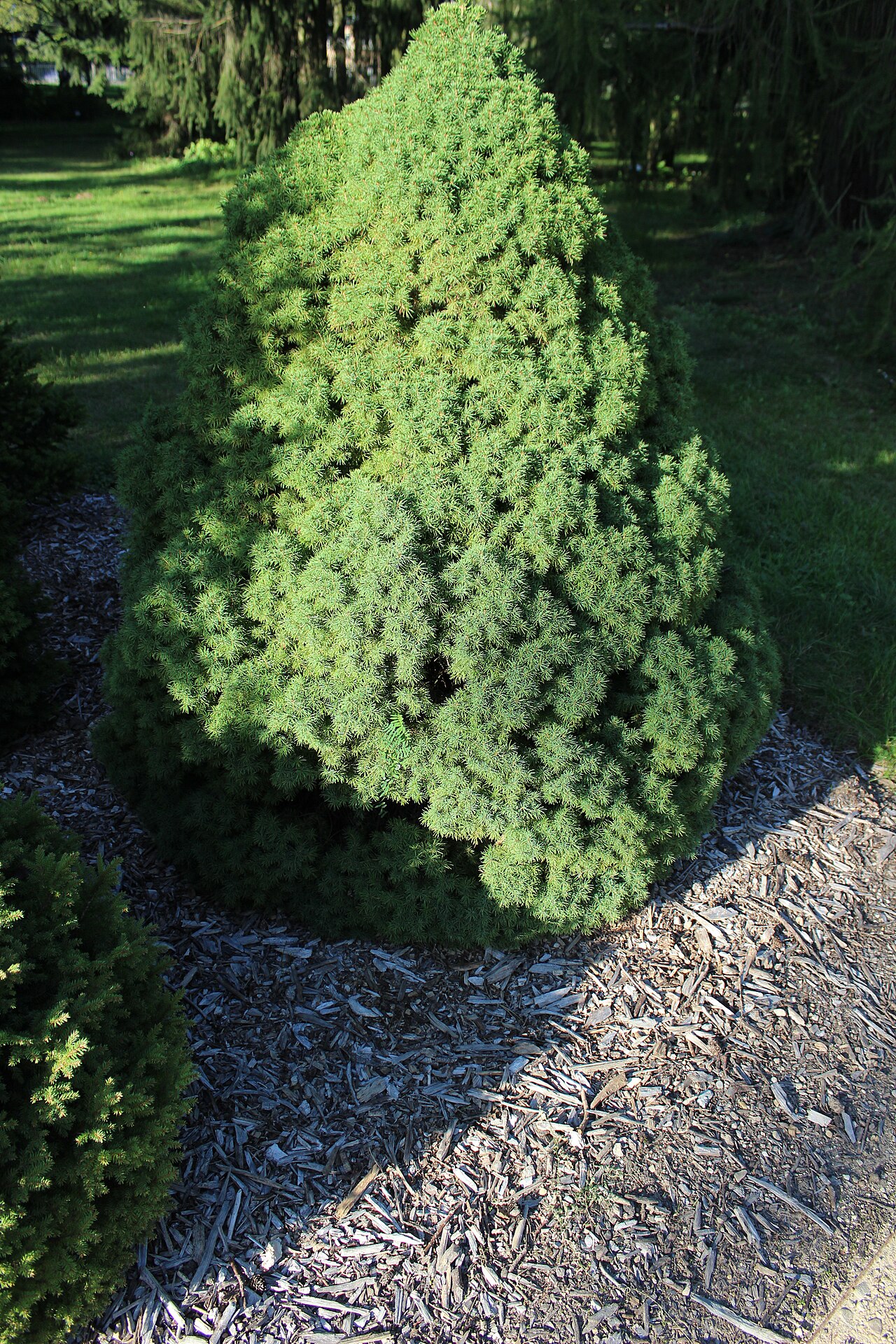
Live plants such as dwarf Alberta spruce, boxwood, upright arborvitae, Blue Star juniper, or inkberry give a tidy, formal look. Water them until the soil freezes. Roots in a container are less cold hardy than in the ground, so if the urn stays out all winter, pick plants rated at least two zones colder than yours. In spring, plant them in a bed.
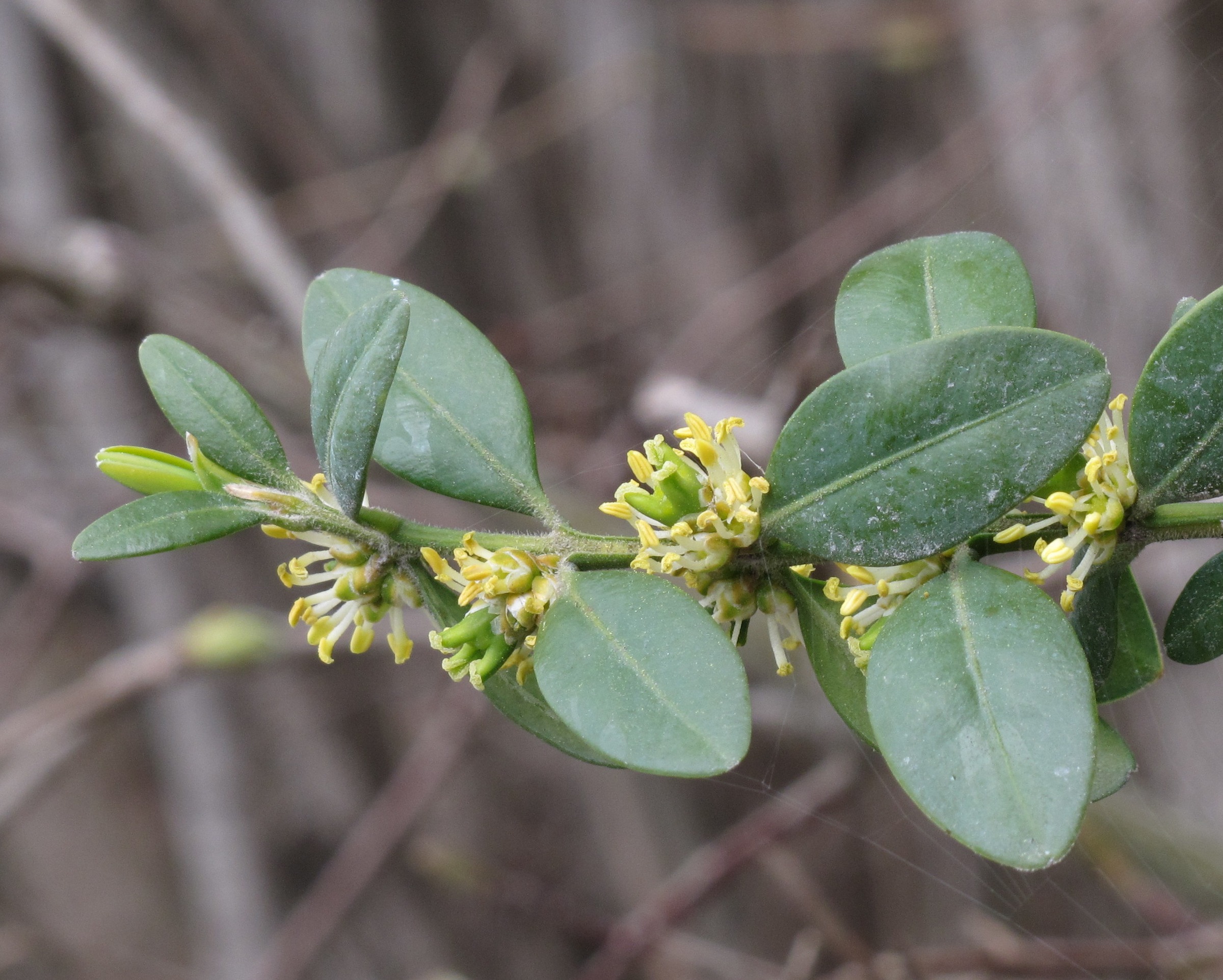
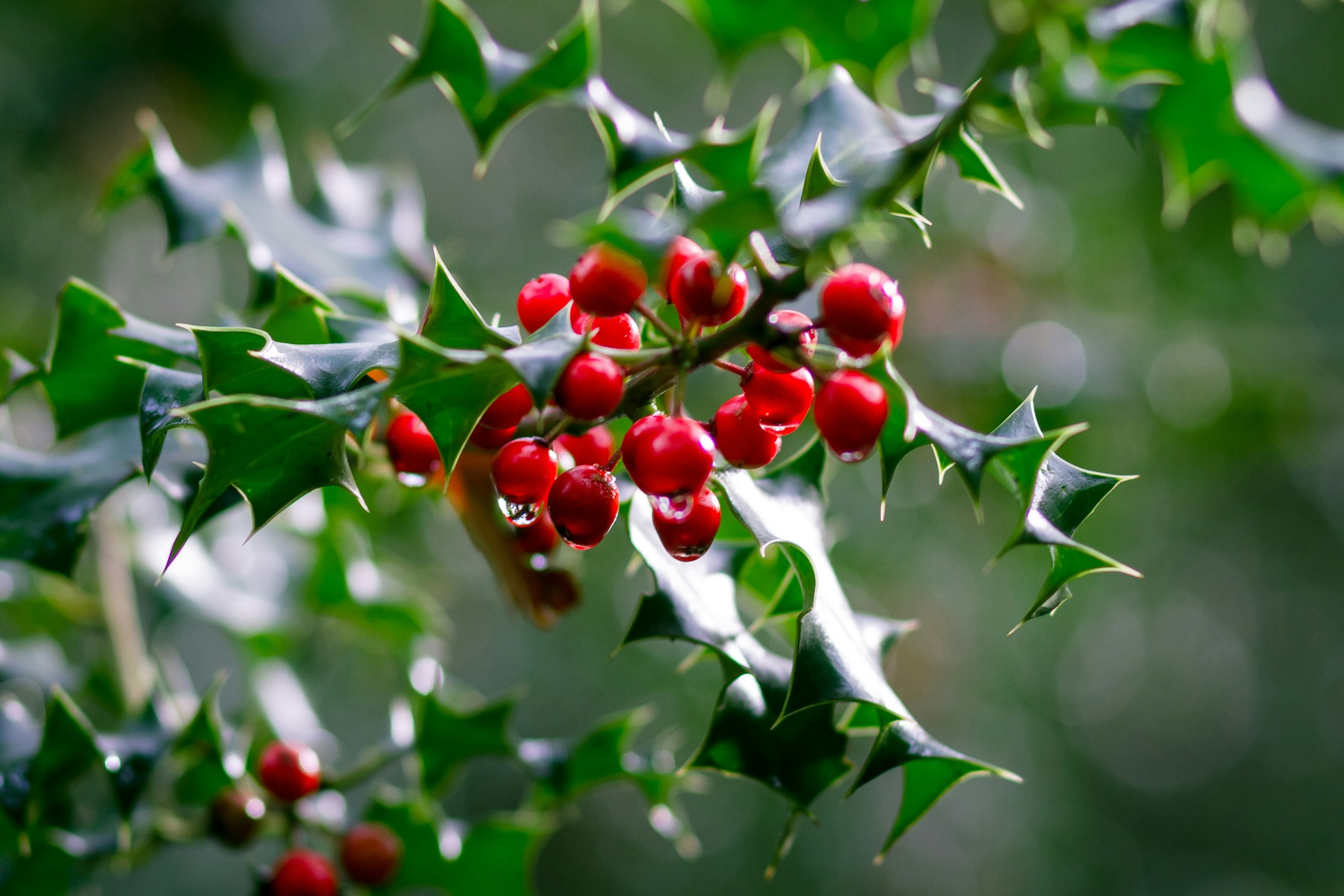
Cut greens cost less and give more texture and color. Mix white pine, fir, cedar, boxwood tips, magnolia leaves, holly with berries, and red twig dogwood stems. In cold zones they hold until spring; in warm zones expect a few weeks.
🌱 Get Personalized Plant Picks
Answer a few quick questions and we’ll match plants to your exact yard conditions.
Find My Plants →When to build
- For Thanksgiving: build after a few hard frosts, usually mid November. Greens cut during a warm spell wilt faster.
- From a Halloween urn: pull spent mums, keep any ornamental grass for height, and tuck greens around it. See ornamental grasses for fall entry urns.
Shop porch urns and accents on Amazon
Tall urn planters for the door, plus natural cones to tuck into the greens. We may earn a commission at no extra cost to you.
Amazon · Large outdoor urn planter Amazon · Fiberglass urn planter Amazon · Decorative pine cones
How to build a cut-green urn
- Keep the soil in the urn, or fill it with potting mix, and soak it well before the ground freezes. Stems freeze in place and stay put.
- Add a center spike for height: red twig dogwood, birch poles, or a small cut evergreen top.
- Lay long boughs around the rim angled outward like a skirt. White pine and cedar drape well.
- Fill the middle layer with fir, boxwood, and juniper, working in a circle.
- Add accents: magnolia leaves, pine cones on picks, berried stems, and small pumpkins at the base for Thanksgiving. Swap in ribbon and lights in December.
- Push fresh-cut stems 3 to 4 inches deep. Recut any stems that have sealed over.
- Spray an anti-desiccant on a dry day above about 40°F, following the label, to slow moisture loss.
- Water on mild days until the soil freezes.
Cutting greens safely
If you cut greens from your own shrubs, use sharp bypass pruners or loppers and sturdy gloves. Holly and juniper scratch, and pine sap is sticky. Wear eye protection when reaching into dense shrubs, cut away from your body, and keep your free hand clear of the blades. Stay off ladders. For high limbs or anything that would need a pole saw or chainsaw, follow the manufacturer's manual and wear full protective gear, or hire a certified arborist. Light holiday trimming from the outside of evergreens is generally fine; save heavy cuts for late winter. See shrubs you should not prune in fall.
Shop greens care and cutting gear on Amazon
Anti-desiccant spray to slow drying, bypass pruners and gloves for cutting, and battery lights for December. We may earn a commission at no extra cost to you.
Amazon · Anti-desiccant spray Amazon · Bypass pruning shears Amazon · Leather gardening gloves Amazon · Battery outdoor fairy lights
Keeping it fresh
- Shade helps. An urn out of afternoon sun stays green longer.
- Keep it away from dryer vents and heat sources.
- Refresh tips with a few new stems in early January.
- In warm zones, mist the greens on dry, windy days and swap tired stems in mid December.
Zone and timing notes
- Zones 3 to 5: Build in early to mid November. Stems freeze in and often last into March.
- Zones 6 and 7: Build in mid to late November and refresh in January.
- Zones 8 to 10: Greens dry faster. Build the week before Thanksgiving, water and mist often, and lean on live plants or magnolia, which holds up well.
Pet and kid safety
Some favorite urn greens are toxic. Yew is highly toxic to dogs, cats, horses, and people, according to the ASPCA, so leave it out of urns pets or children can reach. Holly leaves and berries, boxwood, and mistletoe are also listed as toxic and can cause vomiting and diarrhea. Sweep up fallen berries, and call your veterinarian or the ASPCA Animal Poison Control Center at (888) 426-4435 if a pet eats any.
Bottom line
For a Thanksgiving porch that lasts into winter, plant a hardy dwarf conifer in late October or November, or build a cut-green urn in mid November with a center spike, a draping skirt, and a filled middle layer. Push stems deep into damp soil, spray an anti-desiccant, and keep toxic greens like yew away from pets.
Related reading
- Ornamental grasses for fall entry urns
- Burlap wind screens for evergreens in winter
- How to grow boxwood
- Pumpkins, gourds, and planted porch vignettes
Ready to match plants to your location? Try the PlantWise Plant Finder →