Overwintering Potted Perennials and Shrubs in Cold Zones
To overwinter potted perennials and shrubs in cold zones, protect the roots, not the tops. Roots in a container are far less cold-hardy than the same roots in the ground, so a good rule is to grow plants rated two zones colder than yours if they will stay in pots outdoors. Then, after a few hard frosts in late October or November, group pots together against a sheltered wall, wrap or mulch around them, or move them into an unheated garage or shed that stays between about 25°F and 40°F.
In the ground, soil buffers roots from temperature swings. In a pot, roots sit inches from freezing air on every side, and repeated freeze and thaw can kill them even when the top looks fine. The goal is to keep the root ball steadily cold, not warm.
Why containers need extra protection
- Exposed root balls. Air reaches the pot from all sides, so roots experience the full air temperature.
- Freeze and thaw cycles. Sunny days thaw pots and cold nights refreeze them, which breaks fine roots.
- Winter drought. Frozen soil cannot deliver water, and evergreens keep losing moisture through their leaves.
- Cracked pots. Terracotta and thin ceramic absorb water and split when it freezes.
🌱 Get Personalized Plant Picks
Answer a few quick questions and we’ll match plants to your exact yard conditions.
Find My Plants →Checklist
- Wait until plants go dormant after a few hard frosts before moving or wrapping.
- Water thoroughly before the soil freezes so roots go into winter moist, not soggy.
- Group pots tightly against the north or east side of a building, out of wind.
- Surround grouped pots with bags of shredded leaves, straw bales, or bubble wrap.
- Raise pots on pot feet so drainage holes do not freeze shut and pots do not sit in ice.
- Move frost-prone ceramic or terracotta into an unheated garage or empty and store it dry.
- Check soil moisture monthly during thaws and water lightly if dry.
Shop container winter protection on Amazon
Pot feet, insulating plant covers, and frost blankets help keep root balls steady through winter. We may earn a commission at no extra cost to you.
Amazon · Pot feet risers Amazon · Frost blanket plant covers Amazon · Winter plant cover bags
Which potted plants survive winter outdoors?
Hardiness is the deciding factor. Use this as a quick guide for plants that will stay outdoors in pots.
| Your zone | Choose plants hardy to | Examples of tough container choices |
|---|---|---|
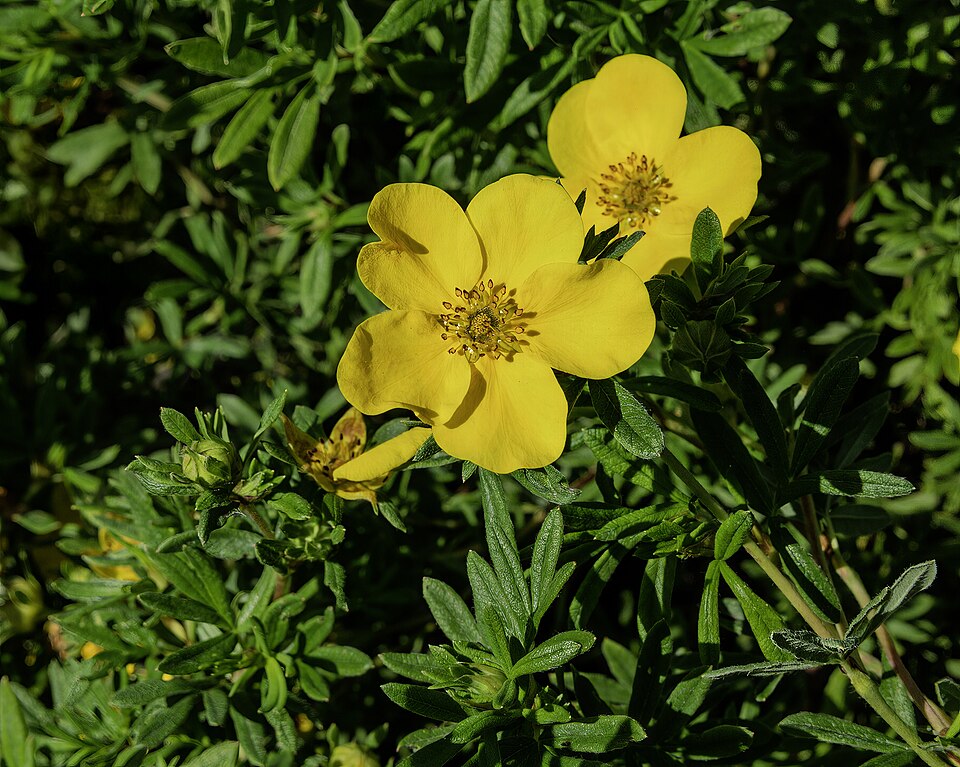
| Zone 3 | Zone 1 | Many native grasses, hardy junipers, potentillas |
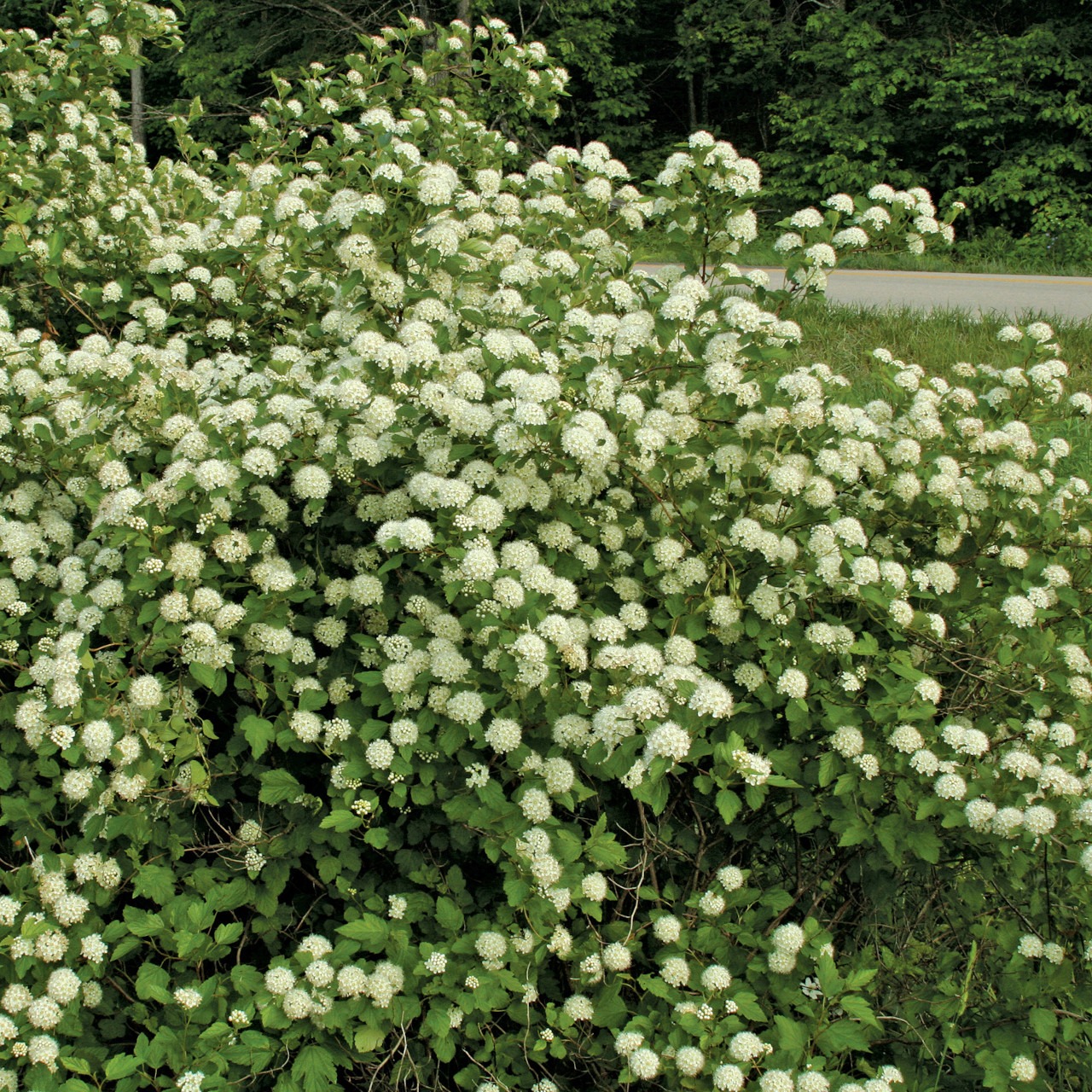
| Zone 4 | Zone 2 | Hardy sedums, ninebark, many spireas |
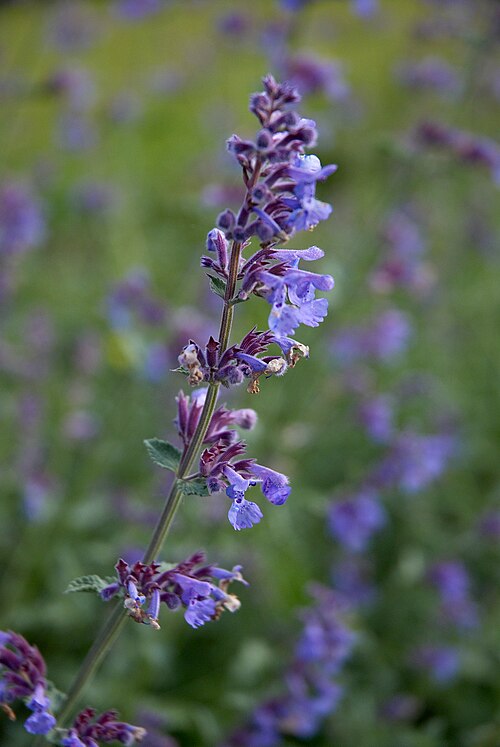
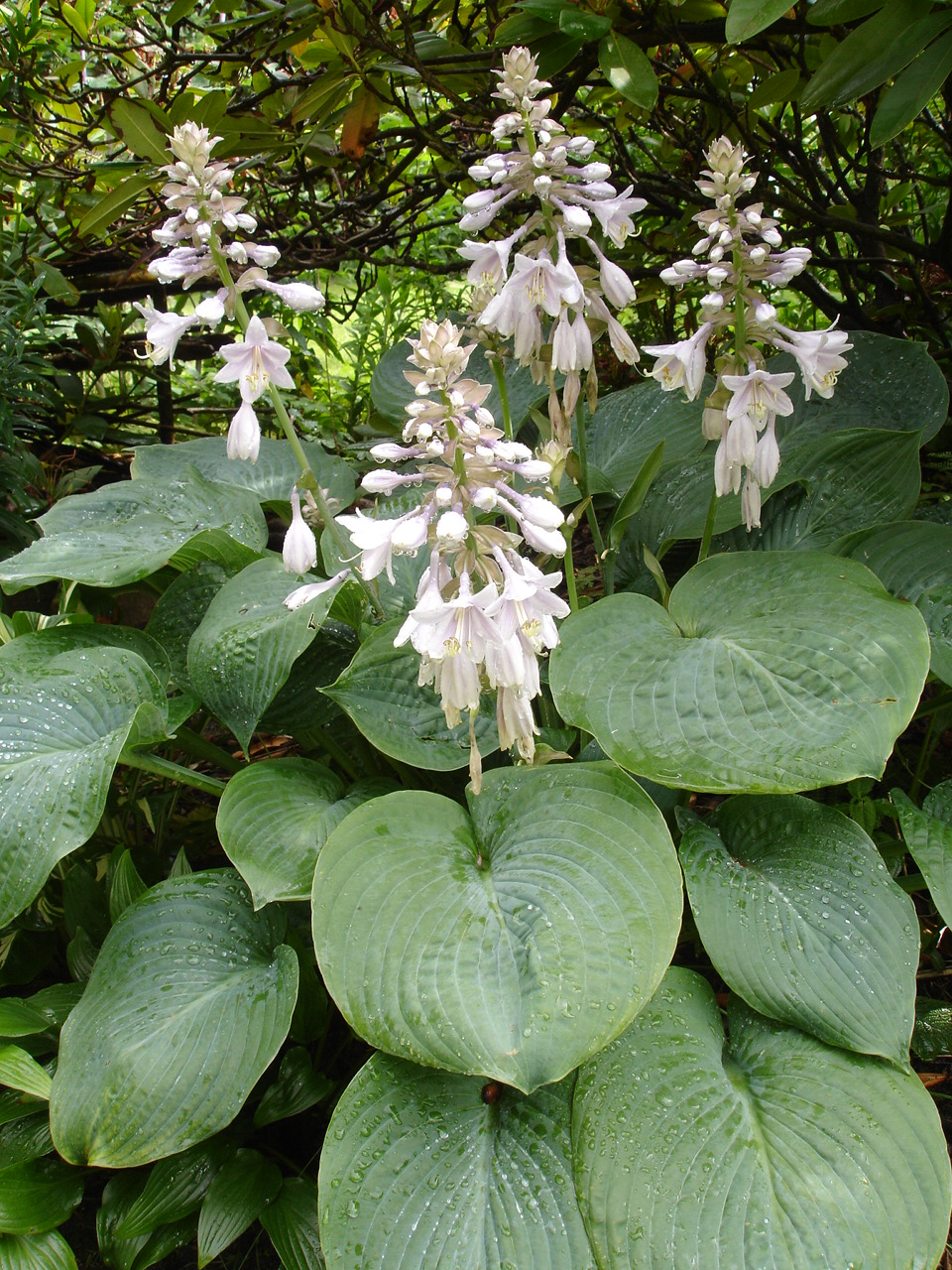
| Zone 5 | Zone 3 | Heuchera, hostas, dwarf conifers, catmint |
| Zone 6 | Zone 4 | Most hardy perennials and compact shrubs |
| Zone 7 | Zone 5 | Most perennials; protect tender evergreens from wind |
Plants that do not meet that margin can still survive with a sheltered spot, heavy insulation, or a trip into the garage.
Garage, shed, or outdoors?
An unheated, attached garage is often ideal for dormant perennials and deciduous shrubs in pots. It stays below freezing much of the winter but avoids the deepest cold. Dormant deciduous plants do not need light. Evergreens do need some light, so leave them outdoors in a sheltered, grouped spot or near a garage window. Avoid heated spaces, which break dormancy and lead to weak, leggy spring growth.
Can you bury pots in the ground?
Yes, and it works well. Dig a trench in a vegetable bed or open area, sink the pots to their rims, and mulch over the top with shredded leaves once the ground freezes. This is the closest thing to planting them in the ground. Lift them in early spring as the soil thaws. Our fall mulch before freeze guide covers timing for the mulch layer.
What about tender plants?
Tender perennials, tropicals, and patio citrus need to come indoors before frost. See moving citrus and tropicals indoors and overwintering geraniums for those.
Many common container plants are toxic to pets if chewed. If you move pots into a garage or mudroom, keep them where curious dogs and cats cannot reach them.
Shop frost-proof planters on Amazon
Resin and fiberglass planters that handle freeze and thaw better than terracotta. We may earn a commission at no extra cost to you.
Amazon · Frost-resistant large planters Amazon · Fiberglass outdoor planters
Zone and timing notes
Zones 3 and 4 should plan on garage storage or burying pots for anything not rated two zones colder. Zone 5 gardeners can group and insulate most hardy perennials outdoors and move borderline plants inside. Zones 6 and 7 usually only need grouping, wind shelter, and pot feet. In every zone, the riskiest time is late winter, when sunny days thaw pots and nights refreeze them; shade the pots or keep them insulated through March.
Bottom line
Choose plants two zones hardier for winter containers, wait for dormancy, then group, insulate, bury, or move pots into an unheated garage. Keep roots evenly cold and lightly moist, and keep fragile pots dry. Most hardy perennials and shrubs come through a cold-zone winter in pots with that simple routine.
Related reading
- Fall mulch before freeze in cold zones
- Burlap winter wrap for shrubs
- Move citrus and tropicals indoors
- Fall garden guide Zone 5
Ready to match plants to your location? Try the PlantWise Plant Finder →