Moving Citrus and Tropicals Indoors for Winter
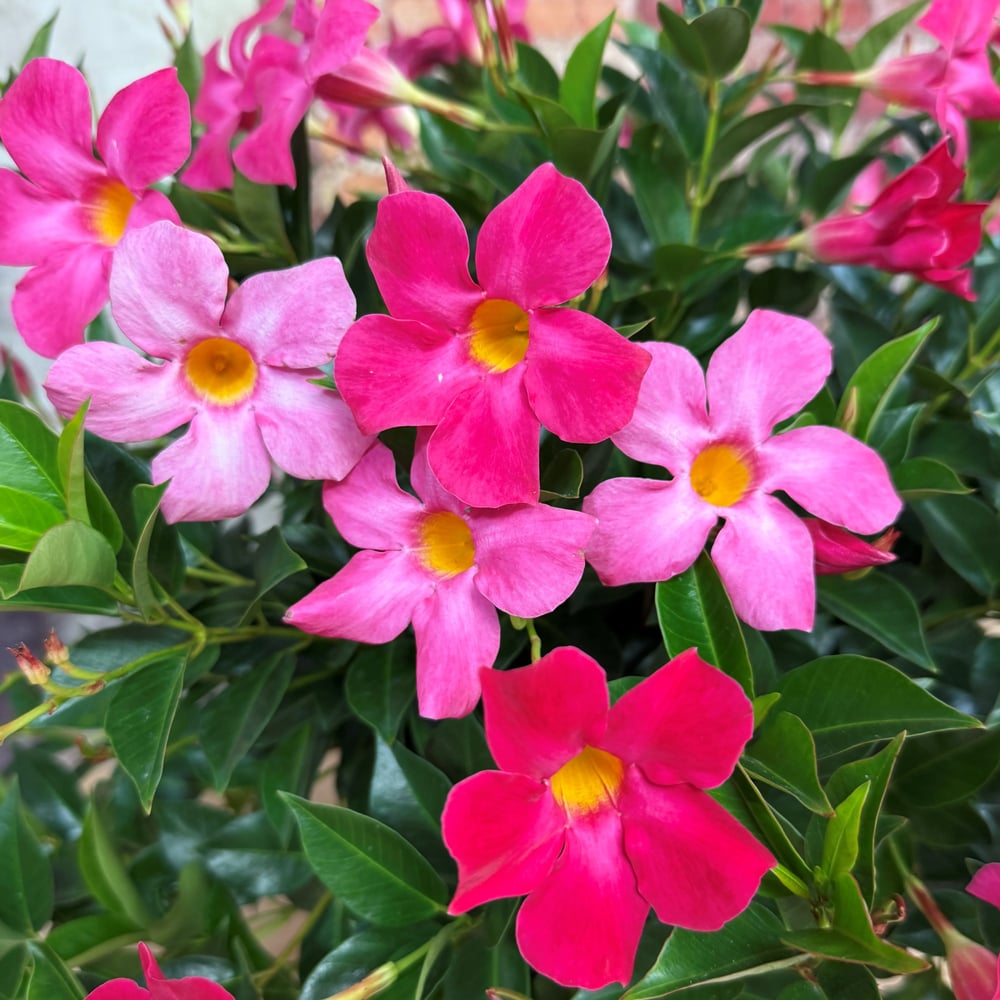
Bring tropical plants like hibiscus, mandevilla, and bougainvillea inside before nights drop below about 50°F, and potted citrus before the first frost, usually late September to mid-October in most zones. Move them in gradually over a week or two, check every pot for pests, and set them in the brightest window you have. Expect some leaf drop in the first few weeks; that is the plant adjusting to lower light, not dying.
Most indoor winter losses come from three things: moving plants too fast, bringing in pests, and overwatering in low light.
When to move them
- Tropicals such as hibiscus, mandevilla, and bougainvillea start to suffer below 50°F at night. Move them when forecasts show nights in the low 50s.
- Citrus such as Meyer lemon, kumquat, and calamondin tolerate cool nights in the 40s and even a brief touch of 32°F, but frost damages leaves and fruit. Bring them in before the first frost.
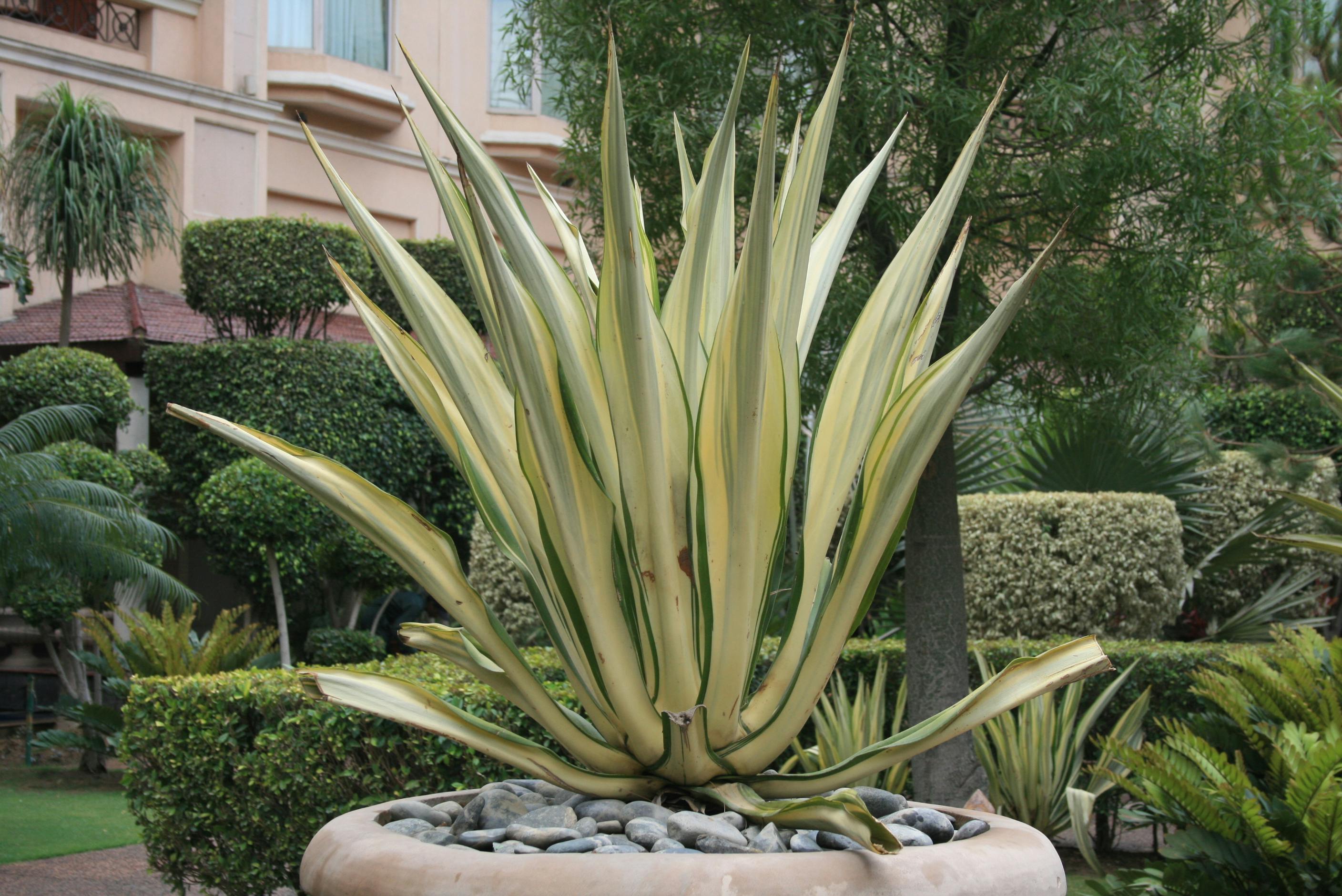
- Succulents and agave handle cooler nights but should come in before a freeze.
Moving early, while windows are still open and days are warm, is easier than moving in a cold snap.
🌱 Get Personalized Plant Picks
Answer a few quick questions and we’ll match plants to your exact yard conditions.
Find My Plants →Acclimate before the final move
A plant used to full sun outdoors loses up to 90 percent of its light inside. A sudden move triggers heavy leaf drop. Ease the change:
- Week one: Move pots into bright shade, such as under a porch roof or a tree.
- Week two: Bring them inside to the brightest spot for part of the day, or leave them indoors on cool nights.
- Final move: Settle them into their winter spot.
Check for pests first
Scale, mealybugs, spider mites, and whiteflies hitch rides on outdoor plants. Inspect leaf undersides and stems, rinse foliage with a strong spray of water, and treat any problems with insecticidal soap before the pot crosses the threshold. For the full routine, see how to bring houseplants indoors without bringing in pests.
Shop indoor winter plant care on Amazon
Grow lights, humidity trays, and insecticidal soap for the move inside. We may earn a commission at no extra cost to you.
Amazon · Grow light for indoor plants Amazon · Humidity tray for plants Amazon · Insecticidal soap spray
Light: the biggest factor
Give citrus and flowering tropicals a south or west window. Even then, winter days are short. A full-spectrum grow light set to run 12 to 14 hours a day keeps citrus leaves on the tree and lets hibiscus keep blooming. See grow lights for seed starting indoors for how to choose a light.
Keep pots away from heating vents, radiators, and cold drafts by doors.
Water and humidity indoors
- Water less. Indoors in winter, most potted citrus and tropicals need water only when the top 1 to 2 inches of mix are dry. Soggy roots in cool, dim rooms cause yellow leaves and rot.
- Raise humidity. Heated homes often sit near 20 to 30 percent humidity. Grouping plants together and setting pots on pebble trays with water below the pot base helps. Citrus and hibiscus do better around 40 to 50 percent.
- Use saucers so drainage water does not damage floors.
Feeding in winter
Cut back. Most tropicals rest in winter and need little or no fertilizer until spring. Citrus can take a light feeding of citrus fertilizer every six to eight weeks if it is under a grow light and still growing. Yellow leaves with green veins usually mean a nutrient deficiency, often iron or magnesium, which a citrus-specific fertilizer corrects.
Shop citrus feed and pot movers on Amazon
Citrus fertilizer and rolling plant caddies for heavy pots. We may earn a commission at no extra cost to you.
Amazon · Citrus tree fertilizer Amazon · Rolling plant caddy
Moving heavy pots
Large citrus and hibiscus pots can weigh more than you think once the mix is wet. A rolling plant caddy under each pot makes the trip indoors easy and lets you slide the plant toward the window on sunny days. Move pots when the mix is on the dry side, and lift with your legs.
Zone and timing notes
- Zones 3 to 6: Move tropicals in early to mid-September and citrus by late September.
- Zones 7 and 8: Late September to mid-October, watching the forecast.
- Zones 9 to 10: Many citrus stay outdoors all year. Move tender tropicals in only for rare cold snaps, or cover them with frost cloth for the night.
Bottom line
Move tropicals in before nights fall below 50°F and citrus before the first frost, acclimate them over one to two weeks, rinse and check for pests, and give them your brightest window or a grow light. Water only when the top inch or two is dry, and expect a little leaf drop at first.
Related reading
- How to bring houseplants indoors without bringing in pests
- Grow lights for seed starting indoors
- Forced amaryllis bulbs for indoor winter bloom
- Frost cloth and hoop house kits for bed protection
Ready to match plants to your location? Try the PlantWise Plant Finder →