Are Begonias Safe for Dogs? (Important Warning)
No, begonias are not safe for dogs and are considered toxic. The ASPCA lists begonias as toxic to dogs, cats, and horses. While the entire plant contains soluble calcium oxalates, the tubers (underground stems) are particularly concentrated with these compounds and are the most toxic part. Ingesting any part of a begonia can lead to a range of symptoms, from mild irritation to more severe issues, especially if a large quantity of the tuber is consumed. As responsible pet owners, it's crucial to be aware of the plants in our homes and gardens to ensure the safety of our furry friends.
🌱 Get Personalized Plant Picks
Answer a few quick questions and we’ll match plants to your exact yard conditions.
Find My Plants →What Makes Begonias Toxic to Dogs?
Begonias contain soluble calcium oxalates, which are microscopic, needle-shaped crystals. When a dog chews on a begonia plant, these crystals are released and can embed themselves in the tissues of the mouth, throat, and digestive tract. This causes immediate pain and irritation.
The concentration of these oxalates varies throughout the plant, with the highest levels found in the tubers. This means that if a dog digs up and chews on the roots or tubers of a begonia, they are at a much higher risk of experiencing severe symptoms compared to just nibbling on a leaf or flower.
What Are the Symptoms of Begonia Poisoning in Dogs?
The symptoms of begonia ingestion can vary depending on the amount consumed and the specific part of the plant eaten. However, common signs to look out for include:
- Oral Irritation: Intense burning sensation in the mouth, lips, and tongue.
- Drooling: Excessive salivation due to pain and irritation.
- Vomiting: The dog may try to expel the plant material.
- Difficulty Swallowing: Swelling in the mouth and throat can make swallowing painful or difficult.
- Loss of Appetite: Due to discomfort and nausea.
- Paw at Mouth: Dogs may paw at their mouth or rub their face due to the burning sensation.
In more severe cases, especially if a large amount of the tuber is ingested, symptoms can be more pronounced and may include:
- Dehydration: From vomiting and inability to drink.
- Kidney Failure (rare but possible): In extreme cases with significant ingestion of oxalates, kidney damage can occur.
If you suspect your pet has ingested a toxic plant, call the ASPCA Animal Poison Control Center immediately at (888) 426-4435.
What Should You Do If Your Dog Eats Begonias?
If you catch your dog eating a begonia or notice any of the symptoms listed above, act quickly:
- Remove any plant material: Safely remove any remaining plant material from your dog's mouth.
- Contact your vet or ASPCA Poison Control: Call your veterinarian or the ASPCA Animal Poison Control Center at (888) 426-4435 immediately. Provide them with as much information as possible: what part of the plant was eaten, how much, and when.
- Do not induce vomiting unless advised: Never try to induce vomiting without professional guidance, as it can sometimes cause more harm than good, especially with corrosive substances.
- Monitor your dog: Even if symptoms seem mild, keep a close eye on your dog for any changes in behavior or worsening symptoms.
Are There Any "Dog-Safe" Begonias?
Unfortunately, no. All plants in the Begonia genus contain soluble calcium oxalates and are considered toxic to dogs. While some species might have lower concentrations than others, it's best to assume all begonias pose a risk and avoid them if you have dogs that might chew on plants. This includes popular varieties like wax begonias (Begonia semperflorens), tuberous begonias (Begonia x tuberhybrida), and cane begonias (Begonia coccinea).
What Are Some Dog-Friendly Alternatives to Begonias?
If you love the look of begonias but need pet-safe options for your garden or containers, there are many beautiful choices that are not listed as toxic to dogs by the ASPCA. Here are a few suggestions that offer similar aesthetics or are generally good choices for pet owners:
For Shade/Partial Shade (similar to some begonias):
- Impatiens (New Guinea Impatiens): While common impatiens (Impatiens walleriana) are not listed as toxic, New Guinea Impatiens (Impatiens hawkeri) are also a great choice for vibrant color in shadier spots and are not listed as toxic.
- Ferns (Boston Fern, Kimberly Queen Fern): Many true ferns are not listed as toxic and add beautiful foliage.
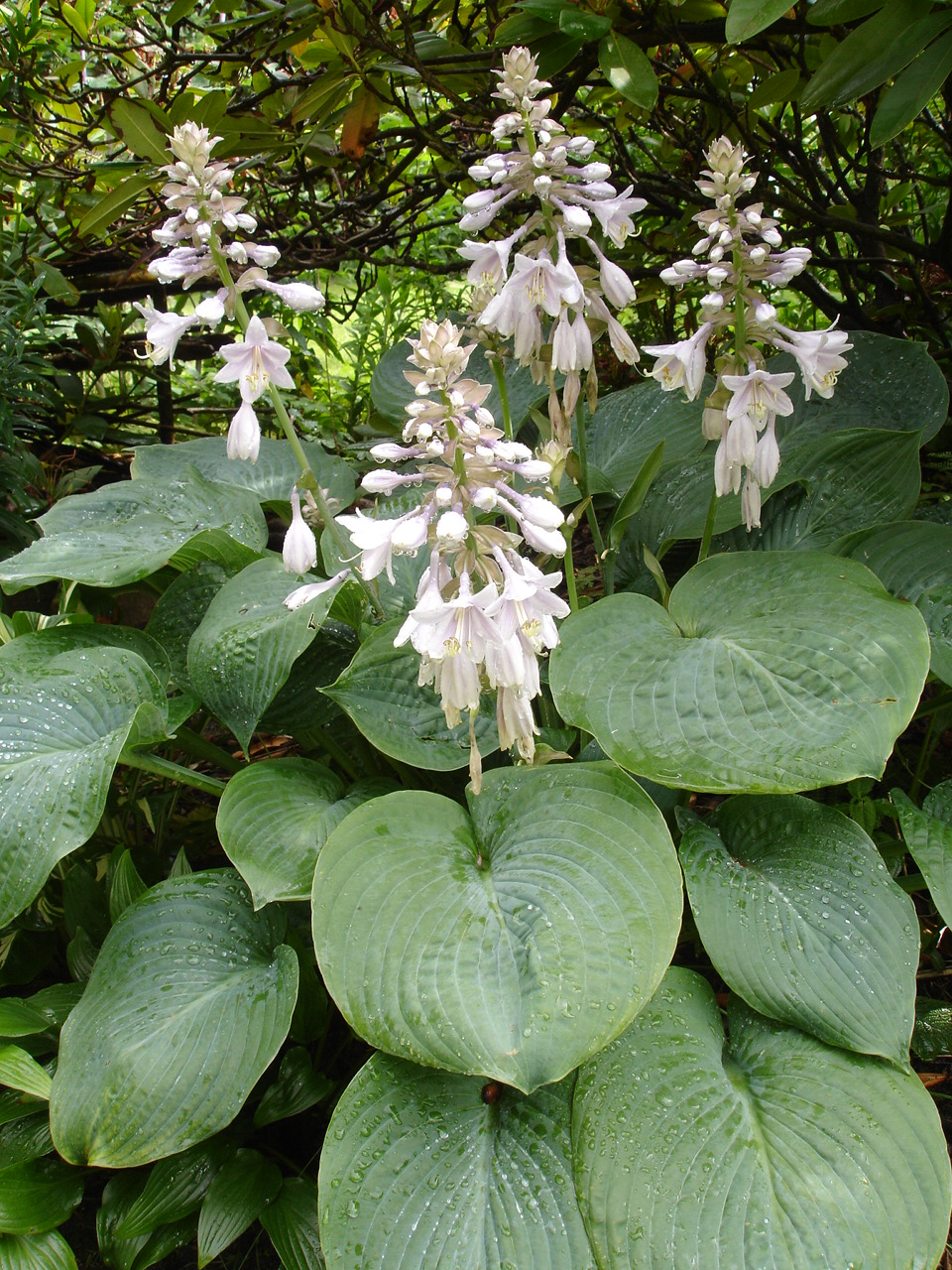
- Hostas: While not listed as toxic, some dogs find them palatable, so monitor if your dog is a known plant chewer.
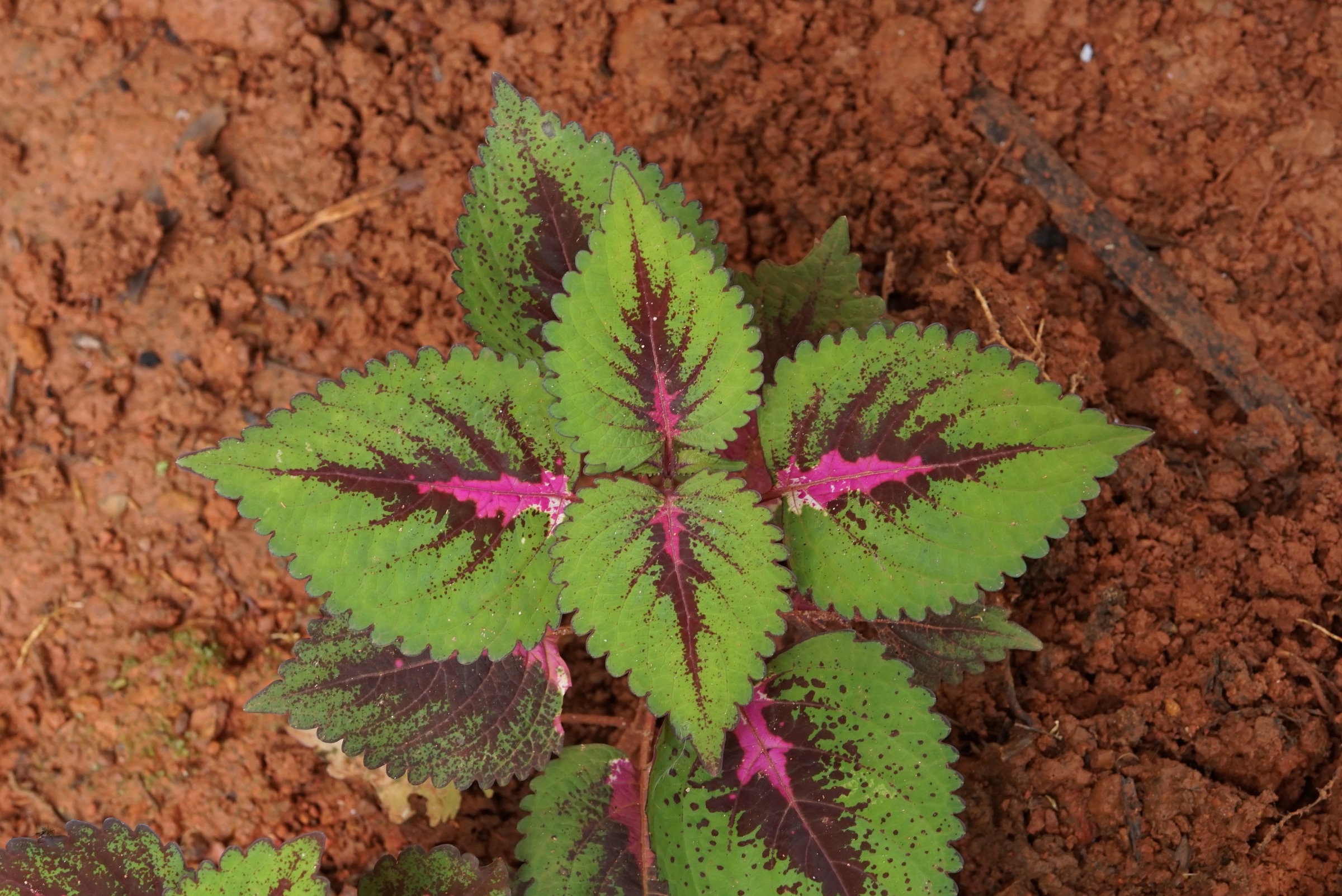
- Coleus: Offers a wide array of colorful foliage and is not listed as toxic.
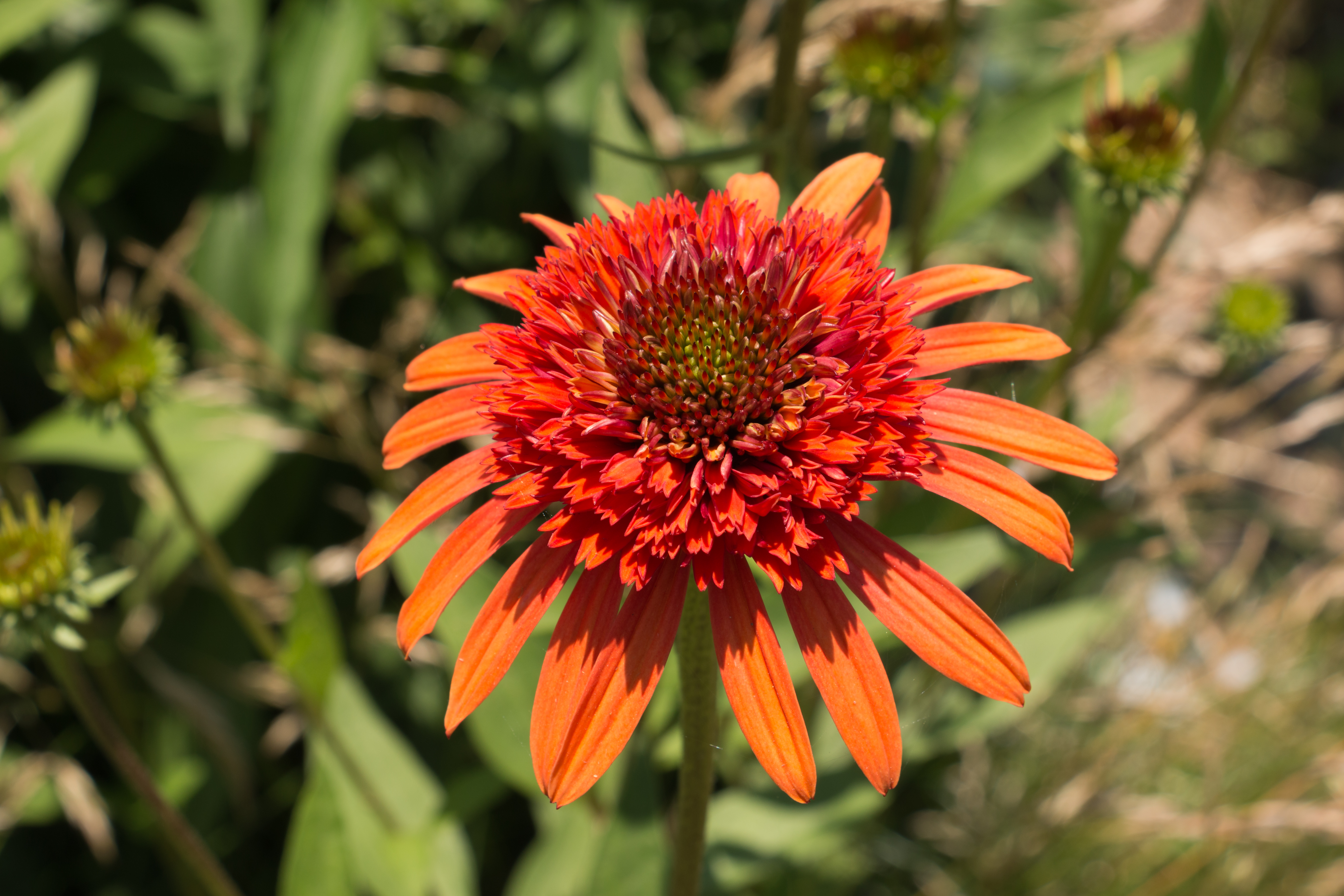
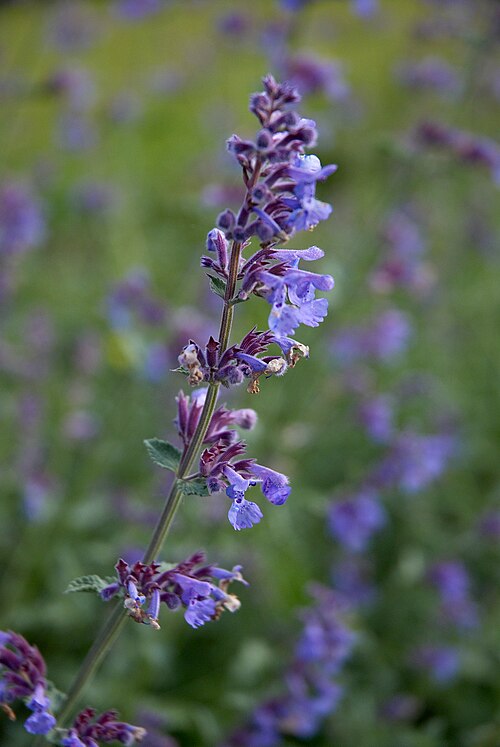
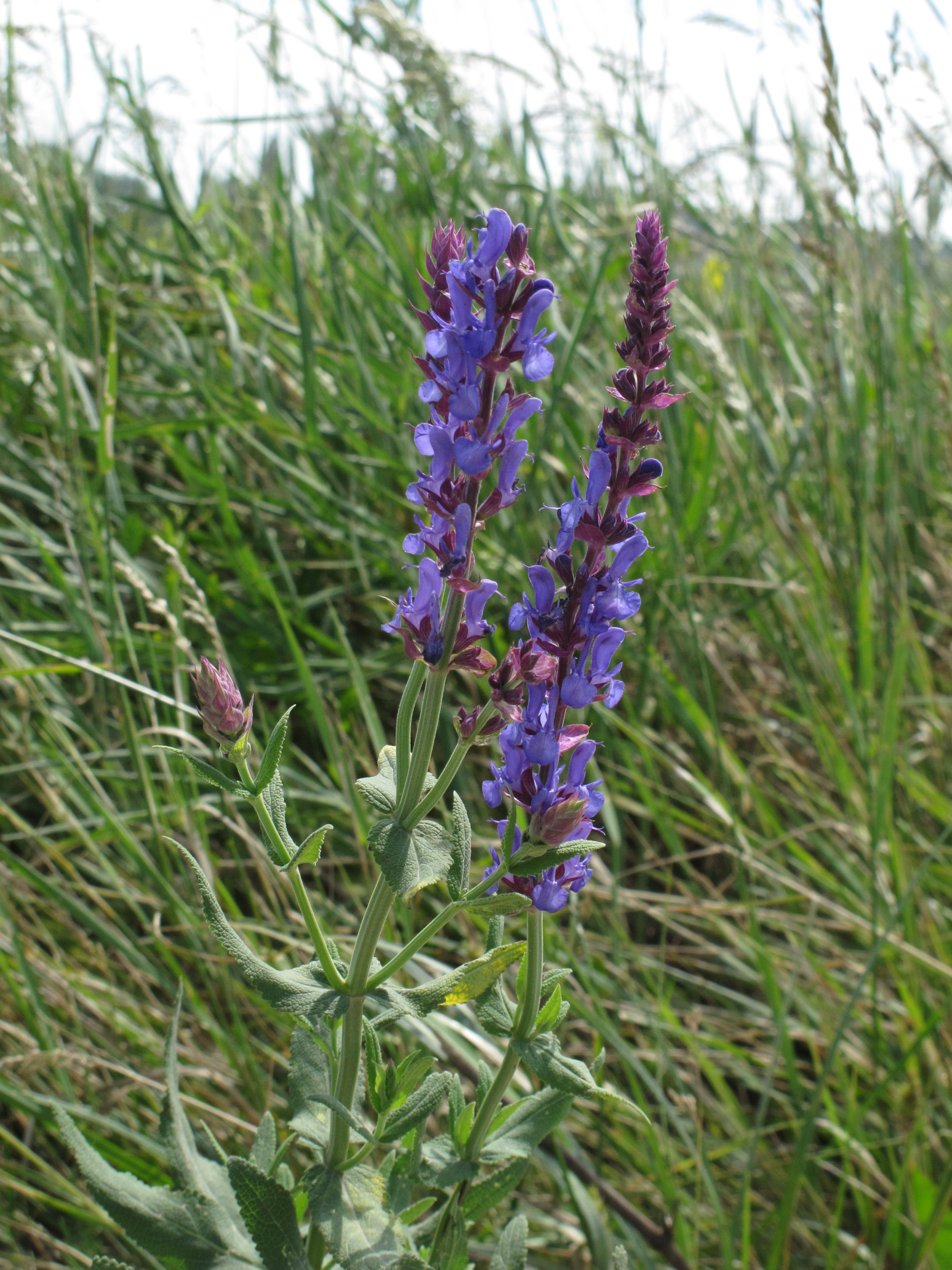
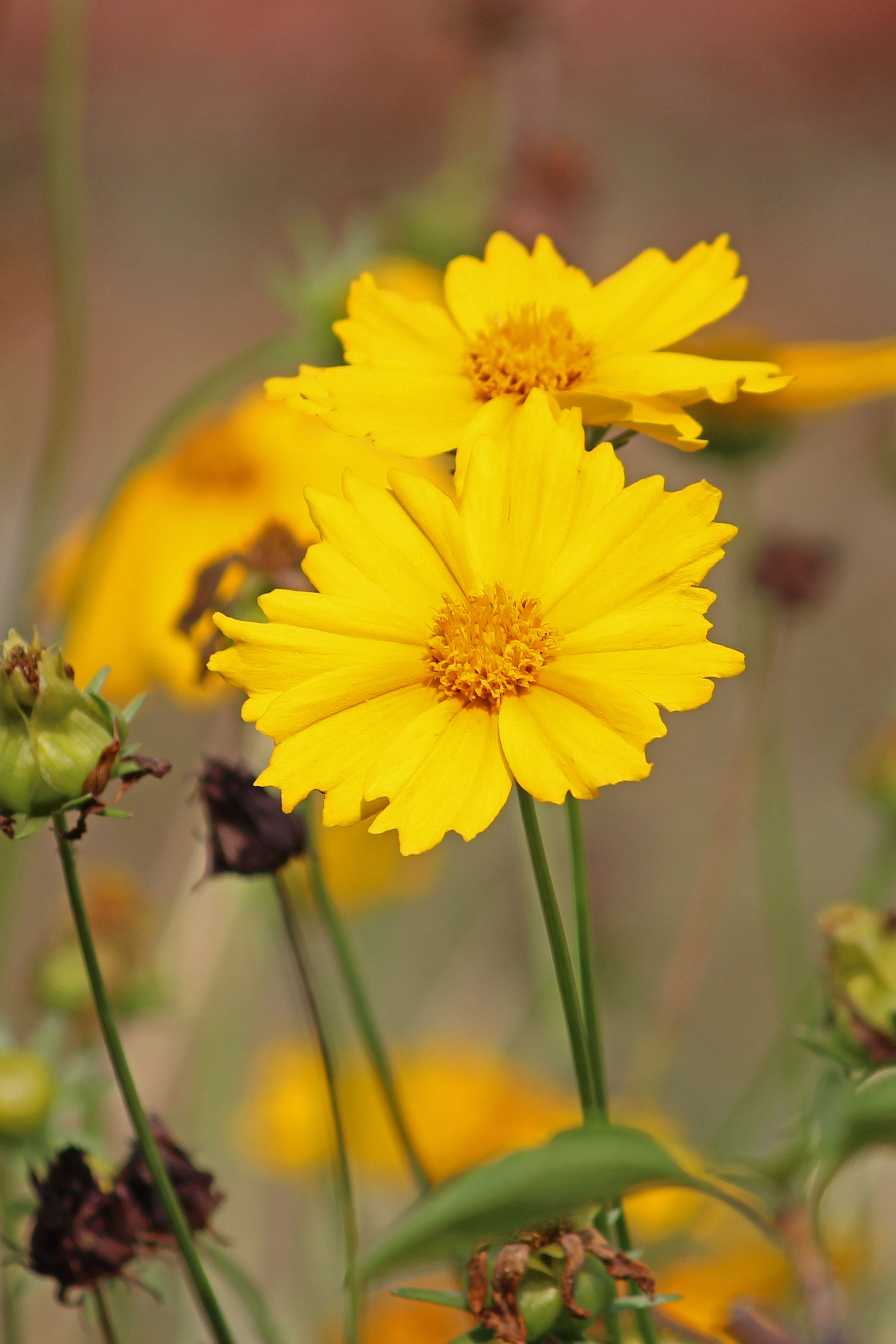
For Sun (if you were considering sun-loving begonia varieties):
These plants offer a range of colors, textures, and growth habits, allowing you to create a beautiful and vibrant garden without worrying about your dog's safety. Always double-check the specific plant you choose, as common names can sometimes be misleading, and new information can emerge.
Quick Reference: Begonias and Dogs
| Feature | Detail (The user wants a table of dog-friendly alternatives to Begonia. I will select 3-5 from the provided list that are generally good garden plants and not listed as toxic.) | Plant Name | Key Features | | Begonia Toxicity | Highly Toxic | | Soluble Calcium Oxalates | Yes | | Part(s) of Begonia | All parts, but especially the tubers (roots)