To fix porch containers that froze solid, first sort what is alive from what is finished, water only on a thaw day when the mix is soft, push heaved plants back down, move or wrap pots that are starting to crack, and fill gaps by setting fresh cut stems into holes softened with warm water. You cannot plant into frozen mix, so the refresh comes from cut greens, branches, and a little repair work rather than new plants.
Containers that looked full a few weeks ago can look tired after hard freezes: browned tips, collapsed kale, pots lifted by ice, and a crack running down a glazed pot. Most of it can be fixed in an afternoon.
Sort what survived
Walk the containers on a mild day and check each plant.
- Needled and broadleaf foliage with brown tips is usually windburned, not dead. Scratch a twig; green under the bark means it is alive.
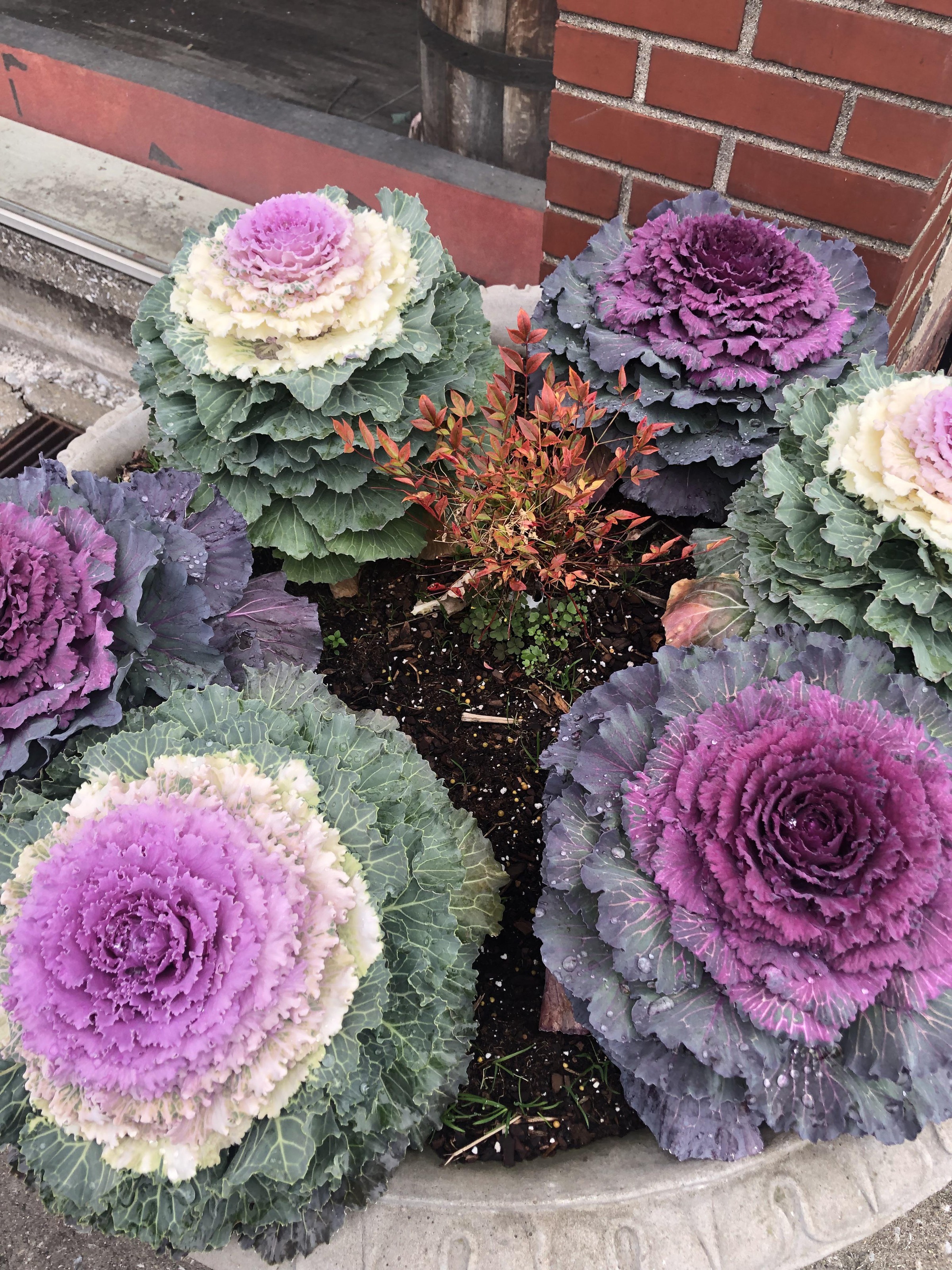
- Ornamental kale and cabbage often collapse after a hard freeze. If the center is mushy, snip the plant at the soil line instead of pulling it, so you do not rip up the frozen mix around other roots.
- Pansies and violas can look flattened after a freeze and stand back up when it warms. Give them a week before giving up. See pansies and violas for containers.
- Hardy perennials and small shrubs left in pots may look dead on top but still be alive at the roots. Leave them in place and judge them in spring.
🌱 Get Personalized Plant Picks
Answer a few quick questions and we’ll match plants to your exact yard conditions.
Find My Plants →Water on thaw days only
Frozen mix cannot take up water, and evergreens keep losing moisture through their needles and leaves on sunny, windy days. That is what browns the tips. When a mild spell softens the top few inches, water the containers slowly until the mix is evenly moist, and do it early in the day so excess drains before night. Empty any saucer that holds water, or remove saucers entirely, so pots are not sitting in a block of ice.
Push heaved plants back down
Freezing and thawing can lift plants and root balls above the soil line, leaving roots exposed to cold air. On a thaw day, press them gently back down with your hands and top with a little mix or a layer of cut greens to insulate. For the same problem in garden beds, see frost heave in perennials.
Shop container protection on Amazon
An anti desiccant spray for needled and broadleaf foliage, a gentler calcium magnesium acetate ice melt for steps near pots, and a locking caddy for moving heavy pots. We may earn a commission at no extra cost to you.
Amazon · Anti desiccant spray Amazon · Calcium magnesium acetate ice melt Amazon · Locking rolling plant caddy
Triage cracked and stressed pots
Terra cotta and glazed ceramic absorb water, and that water expands when it freezes. A hairline crack today can split the pot on the next hard freeze.
- Move what you can. Shift small cracked pots into an unheated garage or shed, or against the house where they stay drier and slightly warmer.
- Wrap what stays out. Burlap or bubble wrap around a large pot slows freezing and thawing. Keep the pot raised on feet so the drainage hole stays clear.
- Never chip at a frozen pot. A hammer or chisel will shatter it. Wait for a thaw, then lift the root ball out and set it into a plastic nursery pot inside the decorative one.
- Plan for next time. Empty pots that are not planted should come inside before the ground freezes. See storing terra cotta and ceramic pots before a freeze.
Refresh with cut stems
Fresh cut greens bring a tired container back fast. Cut cedar, fir, pine, juniper, or magnolia from your own yard, or buy bundles, and recut the ends at an angle. To get stems into frozen mix, pour a little warm (not boiling) water where each stem will go, wait a minute, then push the stem in or make a hole with a screwdriver. Tall branches such as red twig dogwood or birch poles add height. Group stems in threes, keep the tallest in the center or back, and let a few greener pieces drape over the rim. For more ideas, see holly and evergreen window boxes and evergreen wreath freshness care.
Protect what is left
Cut stems and living evergreens in pots both lose moisture in wind. An anti desiccant spray can slow that loss; apply only when temperatures are above about 40°F and no rain or freeze is expected for a day, and follow the label. See anti desiccant spray for evergreens. Tie snapped branches to a small stake with soft twine, or prune them cleanly. Shovel snow away from the pots rather than onto them, and keep rock salt from splashing into the soil; see road salt damage on lawns and shrubs.
Shop repair supplies on Amazon
Leather work gloves for broken pots and cold stems, jute twine and wooden stakes for snapped branches, and burlap to wrap pots that stay out. We may earn a commission at no extra cost to you.
Amazon · Leather work gloves Amazon · Jute garden twine Amazon · Wooden garden stakes Amazon · Burlap roll
Safety notes
Icy steps and heavy pots are a bad mix. Clear and grit the path before you move anything, and move large pots on a locking caddy or hand truck instead of lifting; a frozen, wet pot can weigh far more than you expect. Wear leather gloves when handling cracked ceramic, since the edges are sharp. Never pour boiling water on a frozen pot or near glazed ceramic, because the sudden temperature change can crack it and the water can scald.
Pet notes
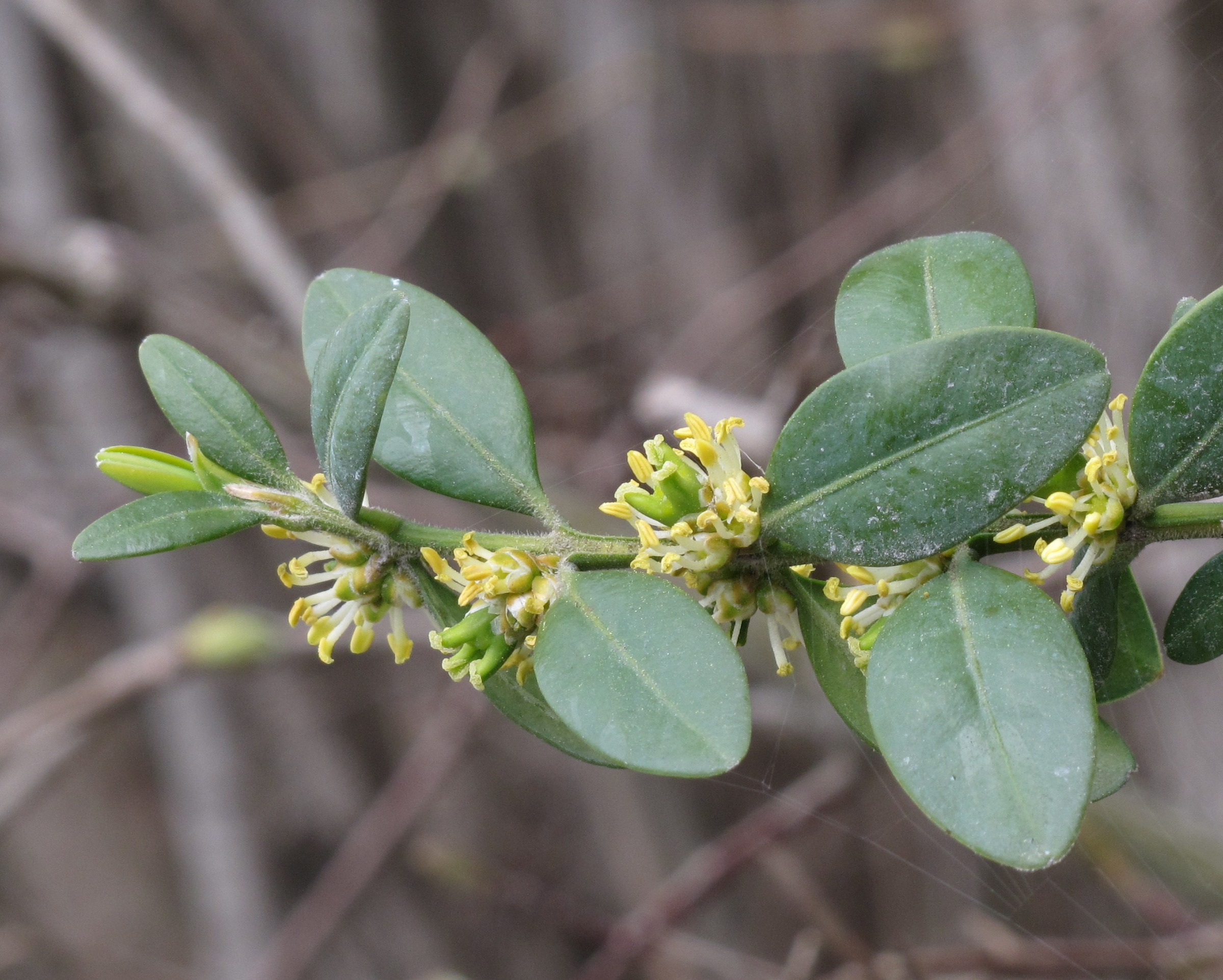
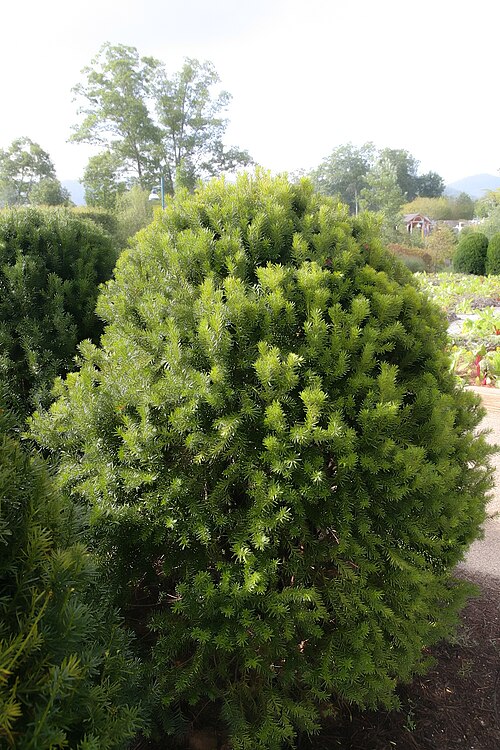
Several classic porch greens are toxic to pets. The ASPCA lists holly, boxwood, and mistletoe as toxic to dogs and cats, and yew is highly toxic and can be fatal if eaten. Needles from cut fir, pine, and spruce can irritate a pet's mouth and stomach, and berries, wire, and picks can cause a blockage if swallowed. Choose ice melts labeled for use around pets near containers and steps, and wipe paws after walks. If a pet eats any of these and seems unwell, call your veterinarian or the ASPCA Animal Poison Control Center at (888) 426-4435. See plants toxic to dogs and what to do if a dog eats a plant.
Bottom line
Sort the live plants from the finished ones, water on thaw days, press heaved roots back down, move or wrap cracking pots, and fill the gaps with fresh cut stems set into softened holes. A frozen container can look full again in an afternoon.
Related reading
- Holly and evergreen window boxes
- Anti desiccant spray for evergreens
- Storing terra cotta and ceramic pots before a freeze
- Rolling plant caddies for heavy pots
Ready to match plants to your location? Try the PlantWise Plant Finder →