Deicing salt hurts plants two ways: spray from plows burns evergreen needles and buds on the side facing the street, and salty meltwater soaking into soil dries out roots and leaves brown strips of grass along walks and curbs. Prevent it by screening roadside shrubs with burlap, shoveling before you salt, and using the least deicer that works. Repair it in spring by soaking the damaged strip with an inch or two of water to flush salt below the roots, then raking and reseeding.
How to recognize salt damage
Salt injury usually shows up at thaw or in early spring, long after the salt went down.
| Symptom | Likely cause |
|---|---|
| Brown band of grass 1 to 3 feet wide along a sidewalk, driveway, or curb | Salty runoff in the soil |
| Evergreen needles brown or yellow only on the street side | Plow spray |
| Buds that fail to open on street-facing branches | Spray on dormant buds |
| Tufted, broom-like twig growth on deciduous shrubs near roads | Repeated bud kill |
| White crust on soil near the walk | Heavy salt buildup |
Sodium chloride (rock salt) causes the most plant damage. Salt in soil pulls water away from roots, so plants look drought stressed even in wet soil, and sodium also breaks down soil structure over time.
🌱 Get Personalized Plant Picks
Answer a few quick questions and we’ll match plants to your exact yard conditions.
Find My Plants →Prevention before the first storm
- Shovel or blow snow first, then use deicer only on remaining ice. Less snow under the salt means less salt needed.
- Use the least you need. A coffee mug of rock salt covers roughly 20 square feet of walk. Scatter it so granules are a few inches apart.
- Choose gentler products near beds. Calcium magnesium acetate (CMA) is easier on plants and soil than rock salt, though it costs more and works at milder temperatures. Our guide to ice melts that are safer for lawns, plants, and pets compares the options.
- Add traction instead of melt on very cold days. Sand or grit works when salt barely acts.
- Screen roadside evergreens with burlap stapled to stakes on the street side, a foot or so out from the plants. Leave the top open for light and air.
- Mark beds and lawn edges so plows and shovels stay on the pavement. See driveway markers that protect lawns and beds.
- Pile shoveled snow away from shrubs and tree roots where you can, since it carries salt.
Shop salt damage prevention gear on Amazon
Pelletized gypsum for sodium-heavy soil, burlap for roadside screens, and calcium magnesium acetate deicer that is gentler on nearby beds. We may earn a commission at no extra cost to you.
Amazon · Pelletized gypsum Amazon · Burlap roll Amazon · CMA ice melt
Repairing damaged grass in spring
- Flush the strip once the ground thaws. Apply 1 to 2 inches of water slowly over a day or two so it soaks in rather than running off. Repeat a week later if salt use was heavy.
- Rake out dead grass and loosen the top inch of soil.
- Consider gypsum on heavy, poorly drained soil that gets salt every year. Gypsum supplies calcium that helps move sodium out of clay. It does little on sandy or well-drained soil, where flushing alone does the job, so treat it as a helper, not a cure.
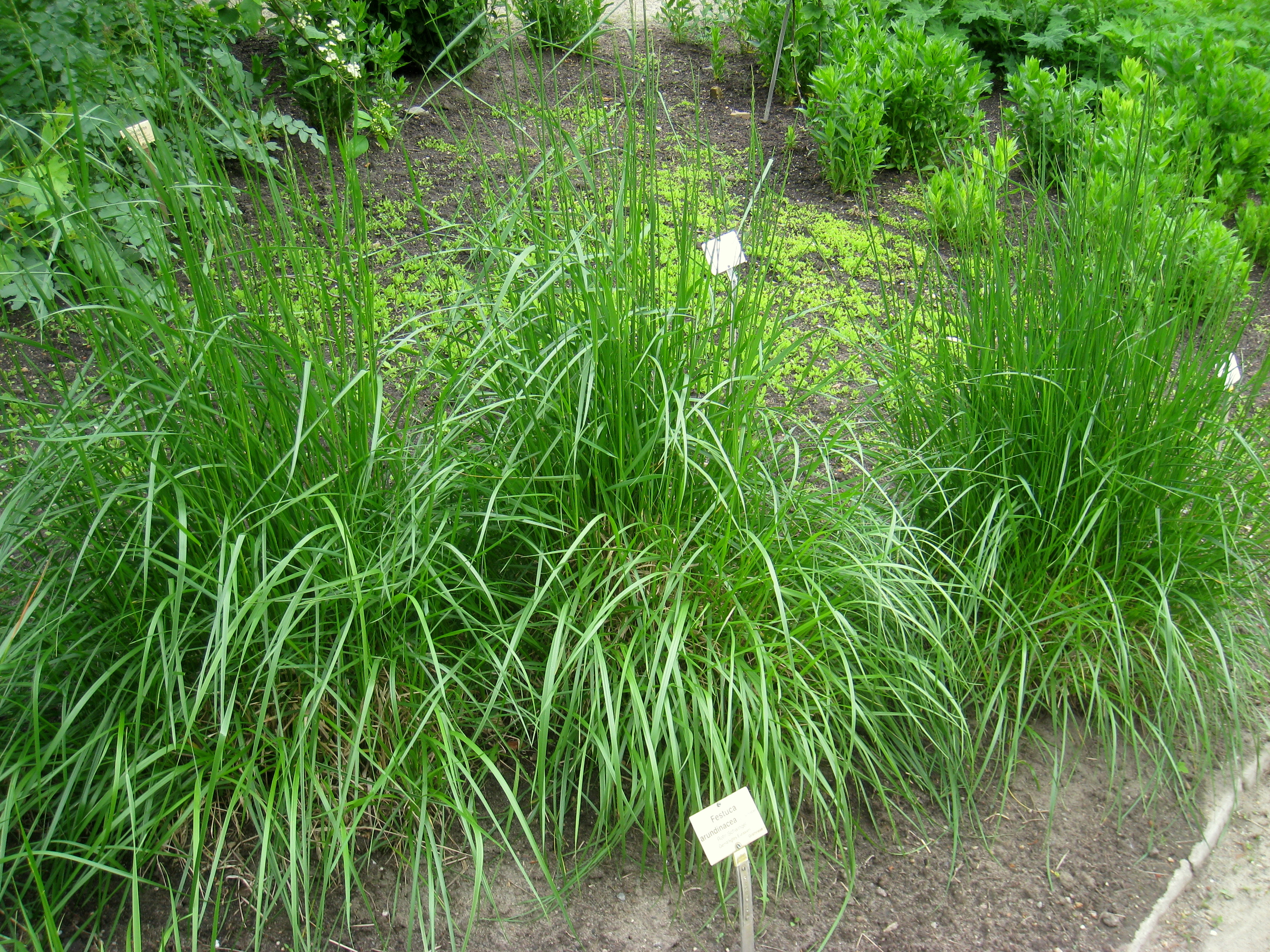
- Topdress and reseed. Spread a quarter inch of compost and sow seed suited to your zone. Perennial ryegrass and tall fescue tolerate some salt better than Kentucky bluegrass, and specialty salt-tolerant blends exist for curb strips. Our guide to lawn topdressing walks through the steps.
- Keep the seedbed moist until new grass is mowable.
Helping shrubs and trees
Prune out dead street-side twigs once new growth shows where the damage ends. Water deeply during dry spells the following summer, since salt-stressed plants have weak roots. If a bed is hit every year, replace the front row with salt-tolerant shrubs and keep sensitive evergreens farther back.
Pets and paws
Rock salt is hard on paws and can upset a pet's stomach if licked. Wipe paws after walks, and keep deicer bags sealed and out of reach. If a pet eats a large amount, call your veterinarian.
Bottom line
Shovel first, salt lightly, screen street-side evergreens, and flush damaged soil with deep watering at thaw. Reseed brown strips with salt-tolerant grass and the lawn edge comes back. For the rest of the cold season, read our winter lawn care guide by zone.
Related reading
- Burlap winter wrap for shrubs in cold zones
- Ergonomic snow shovels for walks and driveways
- Snow fences for drift control
- Moss in the lawn: causes and control
Ready to match plants to your location? Try the PlantWise Plant Finder →