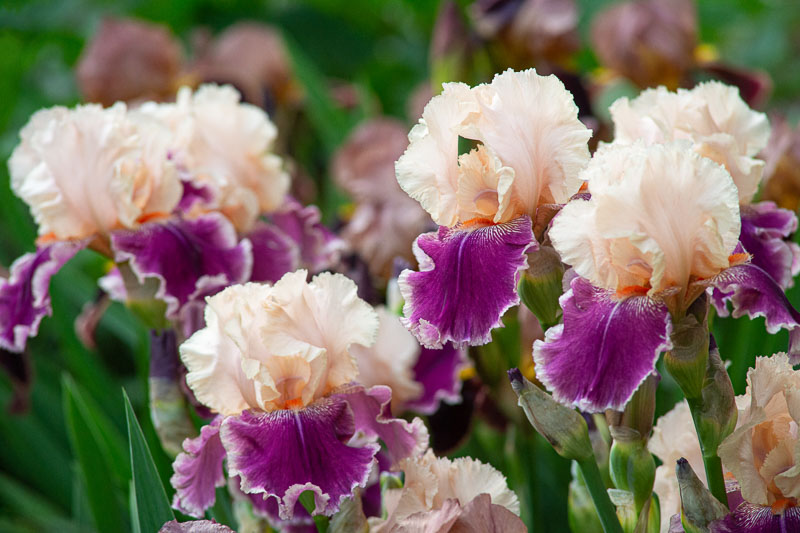
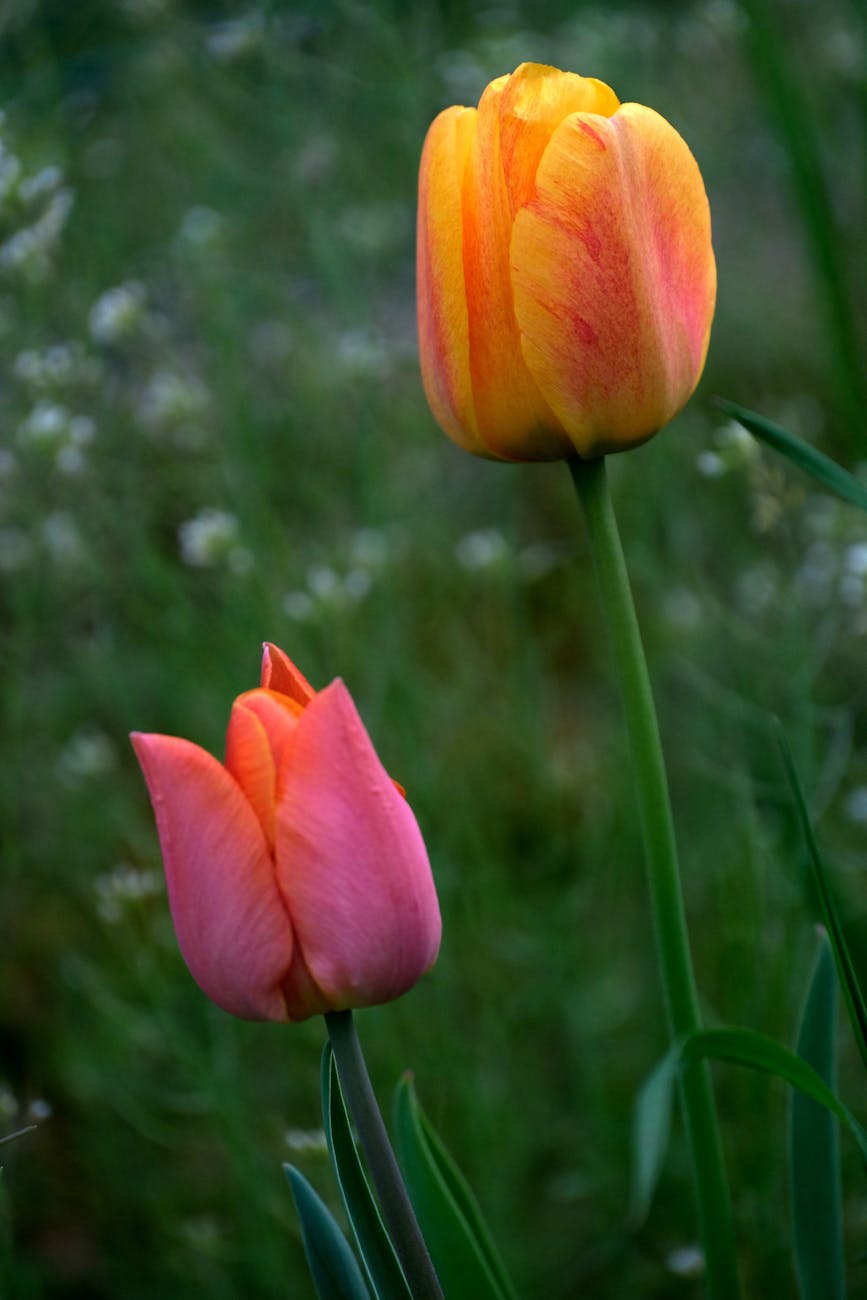
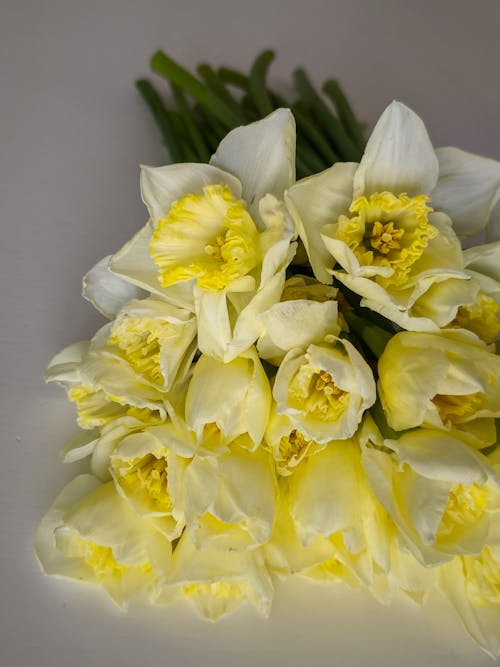
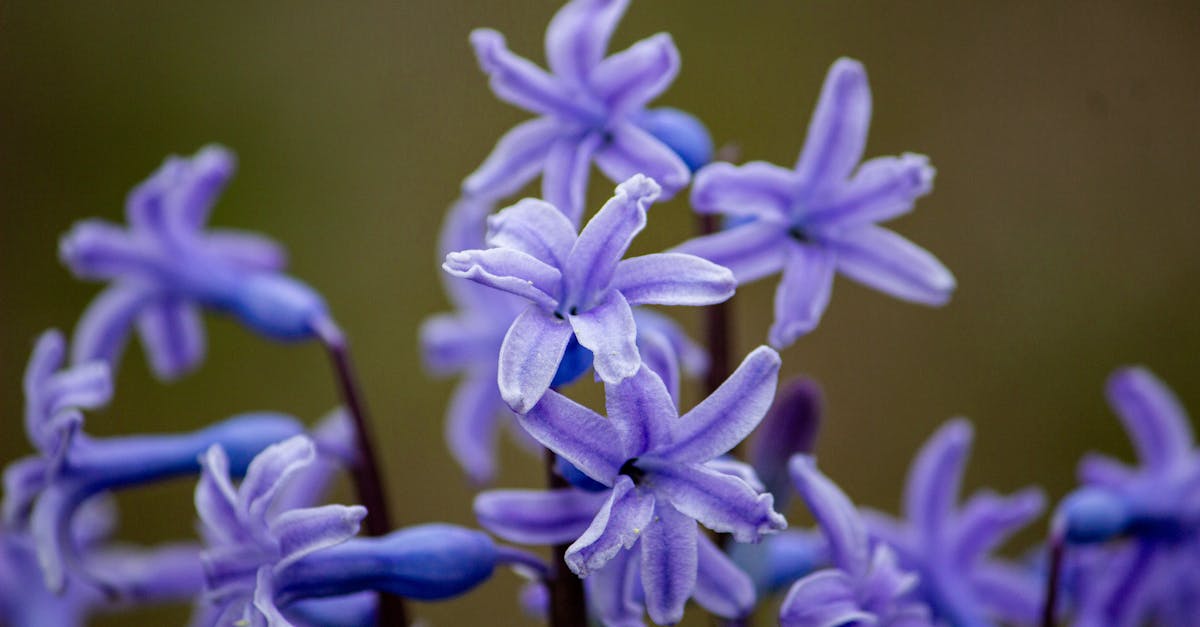
To grow pansies over bulbs in one container, plant the bulbs in layers in a deep pot with drainage holes in fall, with the biggest bulbs such as tulips and daffodils deepest and small ones such as crocus and grape hyacinth near the top, then set pansies or violas on the surface as a living cover. The pansies give color right away and through mild spells, and the bulbs push up through them when the weather warms. If you missed fall planting, you can build the same look in early spring by tucking potted bulbs that are already sprouting between fresh pansies.
Pansies and violas are the classic partner for bulbs because they are cold tough, shallow rooted, and short enough that tulip and daffodil stems rise cleanly above them. The result is a pot that looks finished from the day you plant it instead of an empty pot of soil waiting for bulbs.
Two ways to build the combination
- Fall layered pot. Plant dormant bulbs in layers in autumn and top the pot with pansies. This gives the longest show and the most flowers, but the pot has to sit outdoors through the cold so the bulbs get the chill they need.
- Early spring quick pot. Buy small pots of bulbs that are already up and showing buds, plus flats of pansies, and plant them together as soon as the worst cold has passed. This is faster and easier in mild climates or for anyone who missed fall planting, though the bulb show is shorter.
🌱 Get Personalized Plant Picks
Answer a few quick questions and we’ll match plants to your exact yard conditions.
Find My Plants →Choosing the pot and mix
Use a pot at least 12 inches deep and wide, with drainage holes. Bulbs rot in soggy mix, so never use a pot without holes. Fill with a fresh, well drained container potting mix, not garden soil, which packs down in a pot. Clay and thick resin pots are less likely to crack in hard freezes than thin glazed pots. In very cold zones, a larger pot holds more mix around the bulbs and protects them better.
Shop pots and potting mix on Amazon
A deep pot with drainage holes, a fresh container mix that drains well, and waterproof labels so you remember what is planted under the top layer. We may earn a commission at no extra cost to you.
Amazon · Clay pots with drainage Amazon · Container potting mix Amazon · Waterproof plant labels Amazon · Outdoor window box
How to plant a fall layered pot
- Start in mid fall, when soil temperatures drop toward 55°F and nights are cool, about the same time you would plant bulbs in the ground.
- Bottom layer: a few inches of mix, then the largest bulbs, such as tulips or daffodils, pointed end up and almost touching. They should sit 6 to 8 inches below the final surface.
- Middle layer: add a few inches of mix, then medium bulbs such as hyacinths, Dutch iris, or smaller daffodils.
- Top layer: add mix, then small bulbs such as crocus, grape hyacinth, or Siberian squill about 3 inches below the surface.
- Cover layer: fill to about an inch below the rim, then plant pansies or violas over the top, spacing them 4 to 6 inches apart. Their roots stay shallow and will not disturb the bulbs.
- Water well and label what is under the surface.
Bulb timing in a layered pot usually runs crocus and grape hyacinth first, then daffodils and hyacinths, then tulips, which stretches the show over several weeks. For general bulb choices, see spring flowering bulbs to plant in fall.
Winter care for the pot
- Keep it outside in a sheltered spot, such as against the house or in an unheated garage in very cold zones. Bulbs need roughly 12 to 16 weeks of cold to bloom well.
- Water during dry spells when the mix is not frozen. Pansies in pots dry out on sunny, windy days even when it is cold.
- Protect from rodents. Squirrels and voles dig in pots. Lay a piece of chicken wire over the mix under the pansies, or see bulb cages for voles and squirrels.
- In zones 4 and colder, pansies on top may die back in hard freezes. The bulbs below can still bloom, and you can replace the pansies when the weather softens.
How to build an early spring quick pot
Shop for pots of tulips, daffodils, hyacinths, or grape hyacinth with fat buds that are just showing color. Gently slip each bulb clump out of its nursery pot and set it into the new container at the same depth it was growing, then fill around it with fresh mix and pansies. Do not pull bulb clumps apart while they are in active growth. Water in, keep the pot in sun, and expect the bulbs to flower within a week or two. If a hard freeze is forecast after planting, move the pot into a garage or against the house overnight.
Shop protection and planting tools on Amazon
Chicken wire to stop squirrels from digging out bulbs, a thick kneeling pad for planting, and a soil thermometer to time the fall planting. We may earn a commission at no extra cost to you.
Amazon · Chicken wire roll Amazon · Thick kneeling pad Amazon · Soil thermometer
Keeping it looking good
- Water when the top inch is dry. Pansies wilt fast in a dry pot once days warm.
- Feed lightly. A diluted liquid fertilizer every two weeks once the pansies are growing keeps them blooming.
- Deadhead pansies by pinching off faded flowers and seed pods, which keeps new blooms coming.
- After the bulbs finish, snip off the spent flowers but leave the leaves until they turn yellow. Then lift the bulbs and plant daffodils, crocus, and grape hyacinth in the garden, where they usually return. Tulips grown in pots often bloom poorly the next year, so many gardeners treat them as a one season show. See tulips vs daffodils for why.
- When heat arrives, pansies fade. Swap them for heat tolerant annuals and keep the pot going.
Safety notes
Wear gloves when handling tulip, daffodil, and hyacinth bulbs; their sap and dust can irritate skin. Cut chicken wire with snips while wearing gloves and fold over sharp ends. A large pot full of wet mix is heavy, so set it in its final spot before filling or use a plant caddy.
Pet notes
The ASPCA lists pansies (Viola tricolor) and grape hyacinth (Muscari armeniacum) as non toxic to dogs and cats, but tulips, daffodils, hyacinths, and irises are toxic, and the bulbs are the most dangerous part. Signs can include vomiting, drooling, and diarrhea, and a dog that eats daffodil bulbs can develop more serious problems such as tremors and heart rhythm changes. Store loose bulbs out of reach, and keep dogs that dig away from bulb pots. If a pet chews a bulb or plant and seems unwell, call your veterinarian or the ASPCA Animal Poison Control Center at (888) 426-4435. See plants toxic to dogs and what to do if a dog eats a plant.
Bottom line
For the longest show, plant bulbs in layers in a deep, well drained pot in fall and top it with pansies. For a quick version, plant sprouting potted bulbs between pansies once the hardest cold has passed. Water in dry spells, protect from squirrels, and move daffodils and small bulbs to the garden after they finish.
Related reading
- Pansies and violas for cool season containers
- Spring flowering bulbs to plant in fall
- Bulb cages for voles and squirrels
- Potted bulbs in bloom: care and replanting
Ready to match plants to your location? Try the PlantWise Plant Finder →