Are Petunias Safe for Dogs? Complete Guide
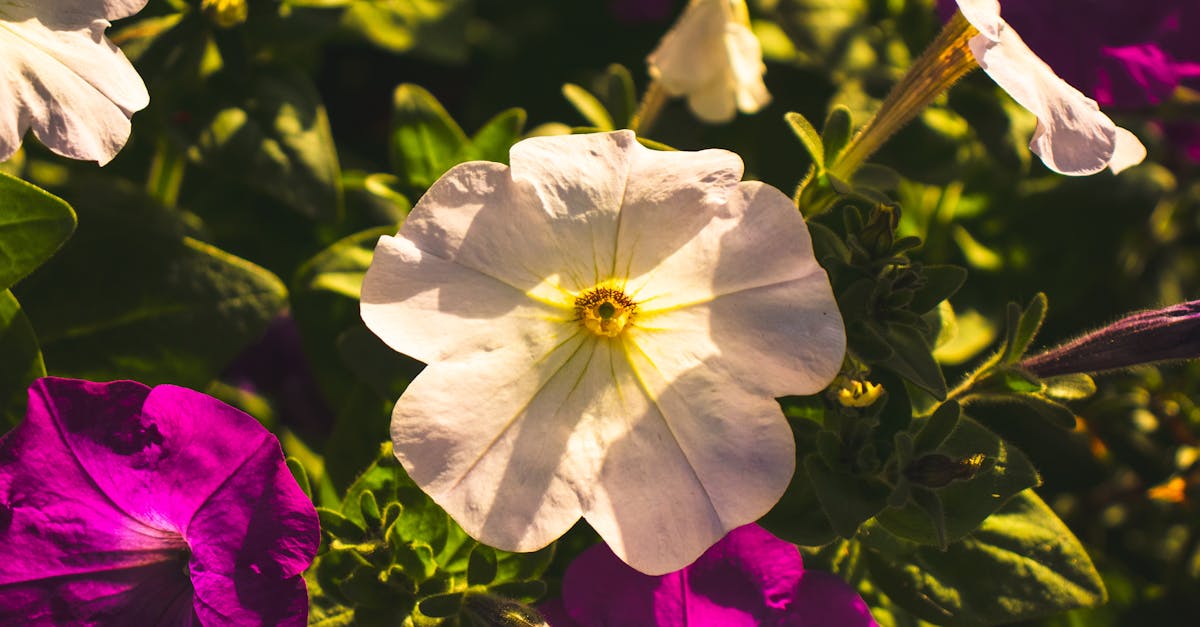
As dog owners, we're always looking out for the safety of our furry friends, especially when it comes to the plants in our gardens. Petunias, with their vibrant colors and prolific blooms, are a popular choice for hanging baskets, containers, and flower beds. The good news for pet parents is that petunias are not listed as toxic to dogs by the ASPCA (American Society for the Prevention of Cruelty to Animals). This means that while it's always best to discourage pets from eating any plant material, petunias are generally considered a safe choice to have around your canine companions.
While petunias aren't considered poisonous, it's still important to understand why dogs might be attracted to them, what potential mild issues could arise from ingestion, and how to create a garden that's enjoyable for both two-legged and four-legged family members.
Are Petunias Truly "Safe" for Dogs to Eat?
When we say a plant is "not listed as toxic," it means that significant, severe poisoning is unlikely to occur if a pet ingests a small amount. However, it's crucial to understand that no plant is truly "safe" for consumption by an animal in large quantities. Even non-toxic plants can cause mild gastrointestinal upset if eaten in excess. This can manifest as vomiting, diarrhea, or a mild stomach ache, simply because a dog's digestive system isn't designed to process large amounts of plant matter.
Think of it like a human eating too much grass - it's not poisonous, but it might not feel great afterward! For petunias, the primary concern would be a dog consuming a large volume of the plant, which could lead to a temporary upset stomach. The good news is that petunias don't have any known compounds that cause systemic poisoning or organ damage in dogs.
Quick Reference: Petunias & Dogs
| Feature | Status Petunias were initially classified as members of the Solanaceae family, which includes some well-known toxic plants like deadly nightshade, but also common vegetables like tomatoes and potatoes. However, modern botanical classification, especially at the genus level, has refined our understanding. Petunias belong to the genus Petunia, distinct from other members of the family.
If you suspect your pet has ingested a toxic plant, call the ASPCA Animal Poison Control Center immediately at (888) 426-4435.
🌱 Get Personalized Plant Picks
Answer a few quick questions and we’ll match plants to your exact yard conditions.
Find My Plants →What Are Some Dog-Friendly Alternatives to Petunias?
While petunias are not listed as toxic, some gardeners prefer to err on the side of caution or simply want to introduce more variety into their pet-friendly landscape. There are many beautiful flowering plants that are also not listed as toxic to dogs and can add a burst of color and texture to your garden.
Consider these vibrant, dog-friendly options:
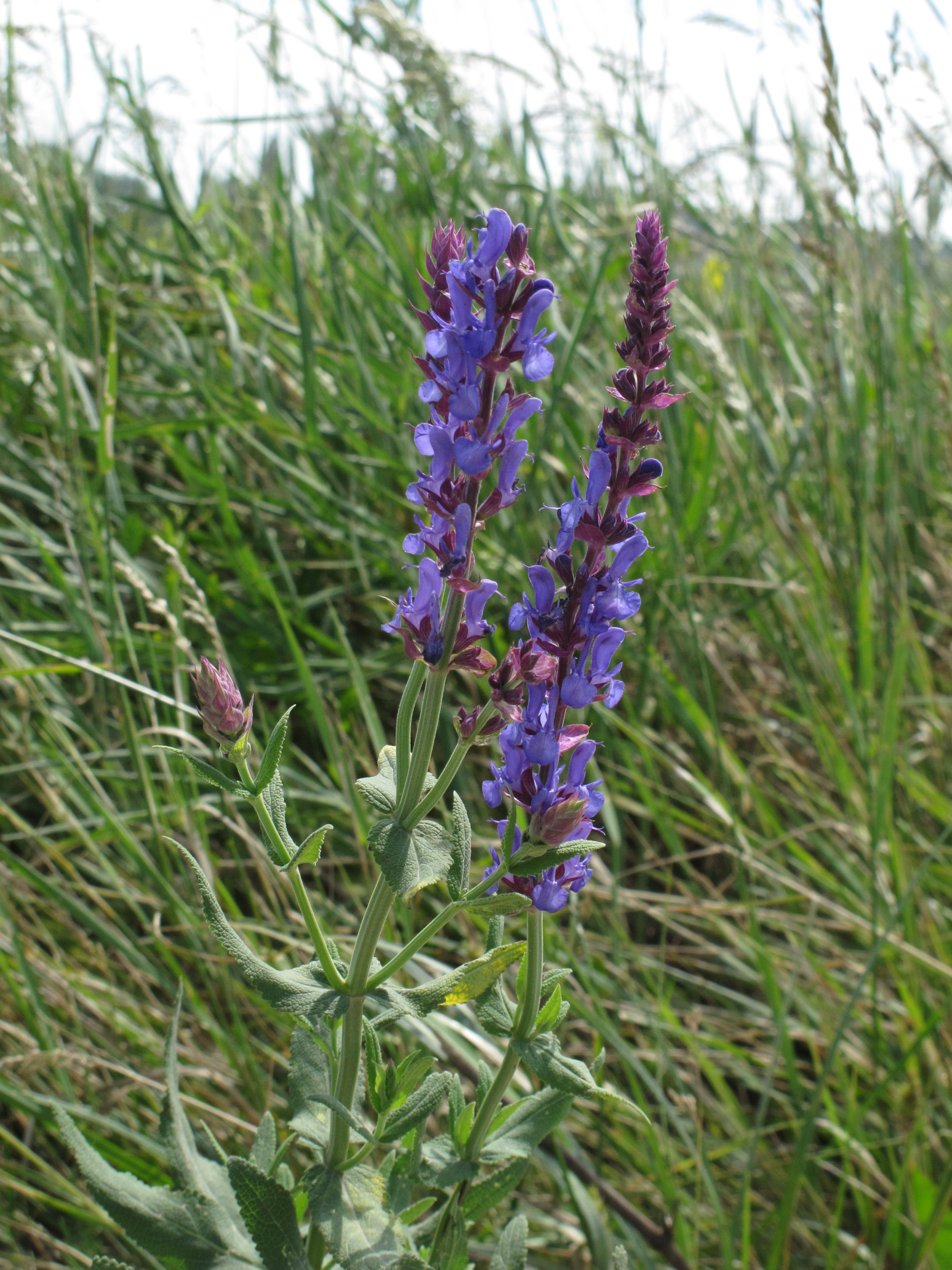
(Salvia):** Many varieties of Salvia offer beautiful spikes of purple, blue, pink, or red flowers. They are generally hardy, drought-tolerant, and attractive to pollinators.
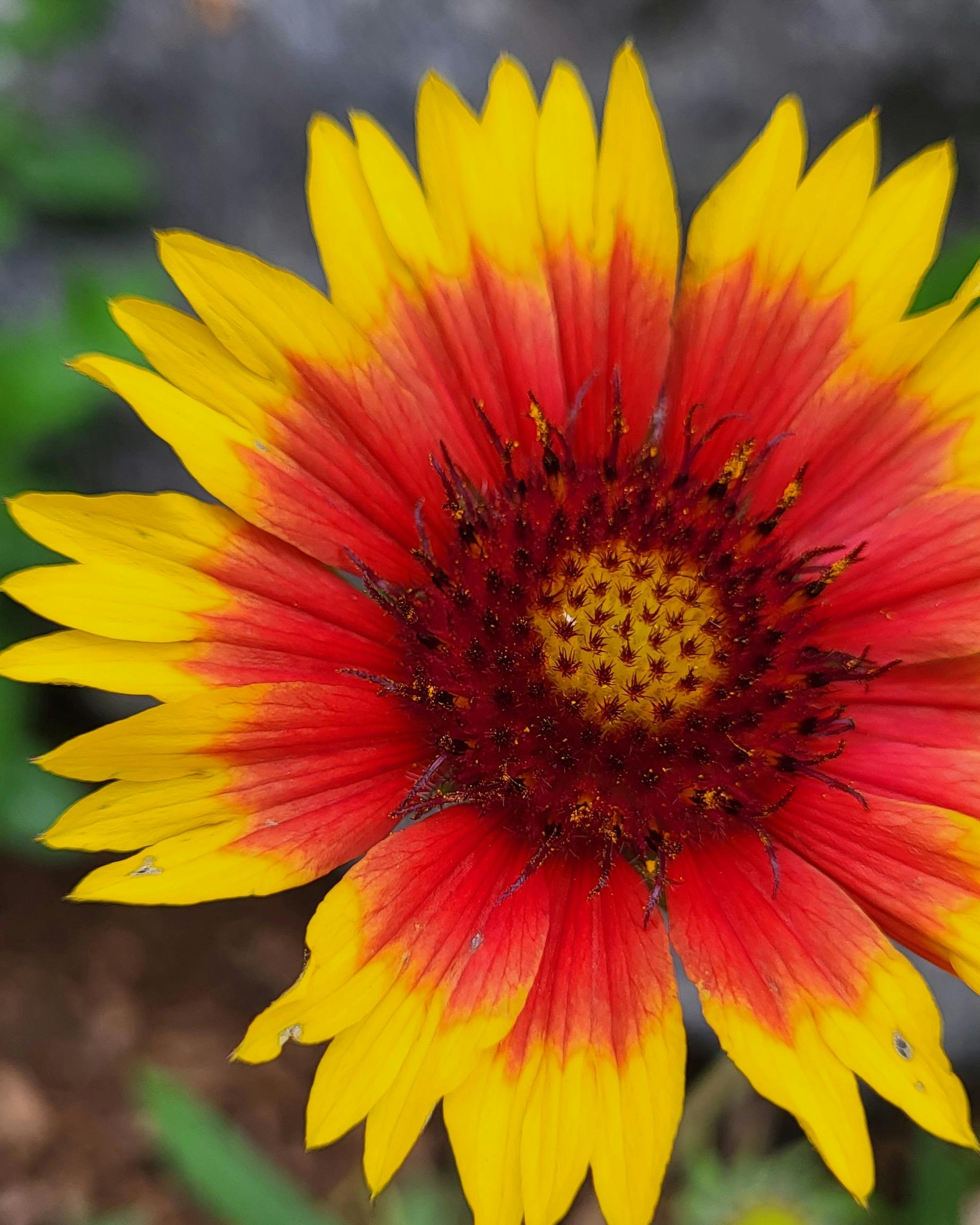
(Blanket Flower):** Known for their cheerful, daisy-like flowers in shades of red, orange, and yellow, often with contrasting tips. They are tough, sun-loving perennials.
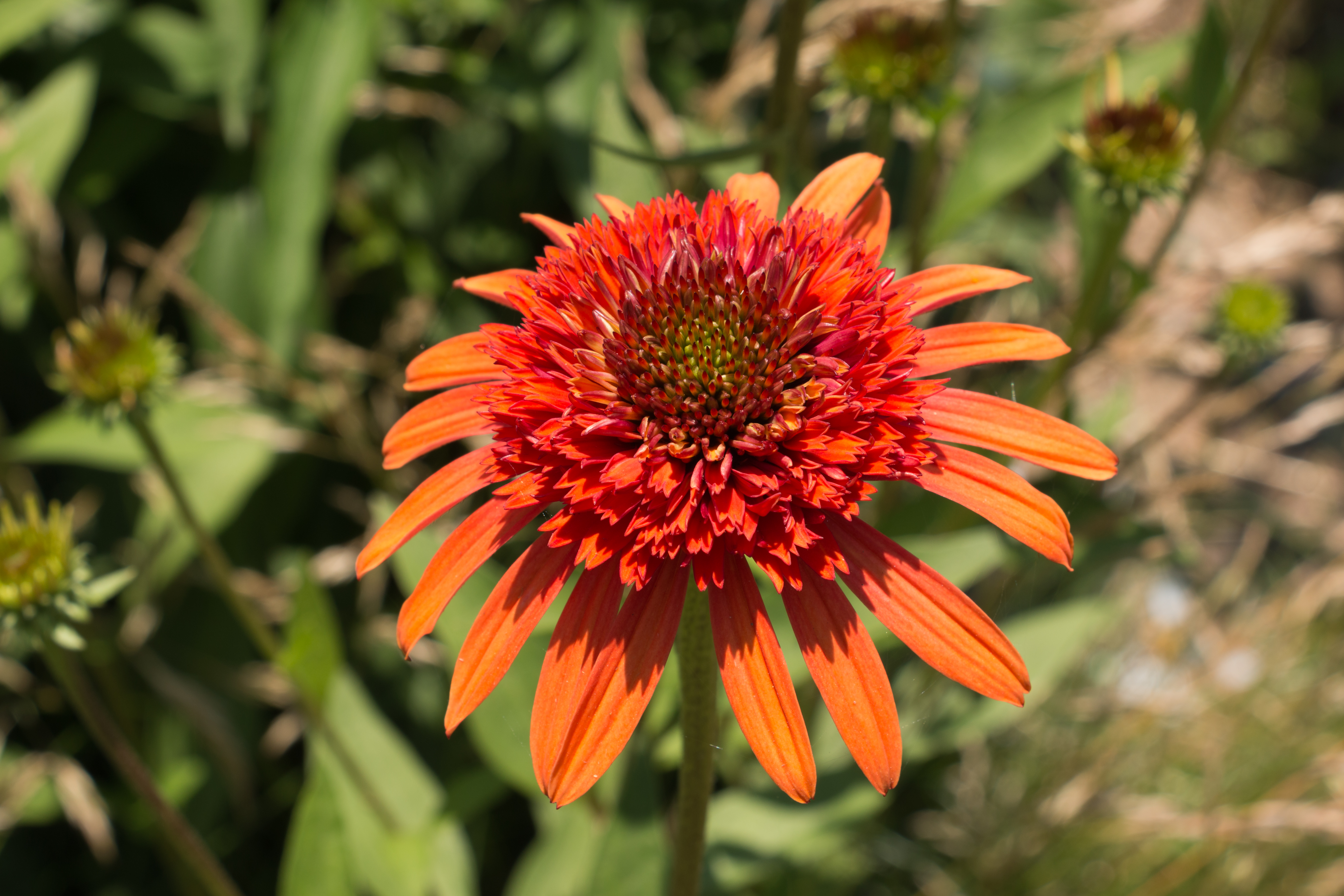
(Coneflower):** These iconic, daisy-like flowers with prominent central cones come in various colors, from classic purple to pink, white, and yellow. They are robust and excellent for attracting butterflies.
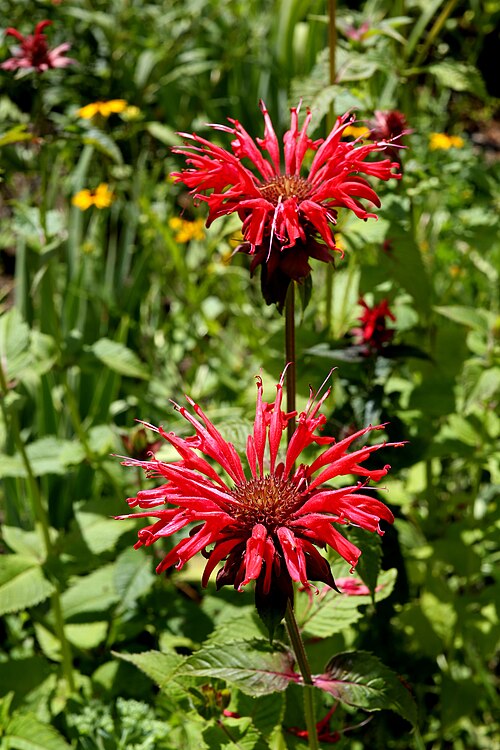
(Bee Balm):** With their unique, shaggy flower heads, Bee Balm comes in shades of pink, red, and purple. They are fantastic for attracting bees, butterflies, and hummingbirds.
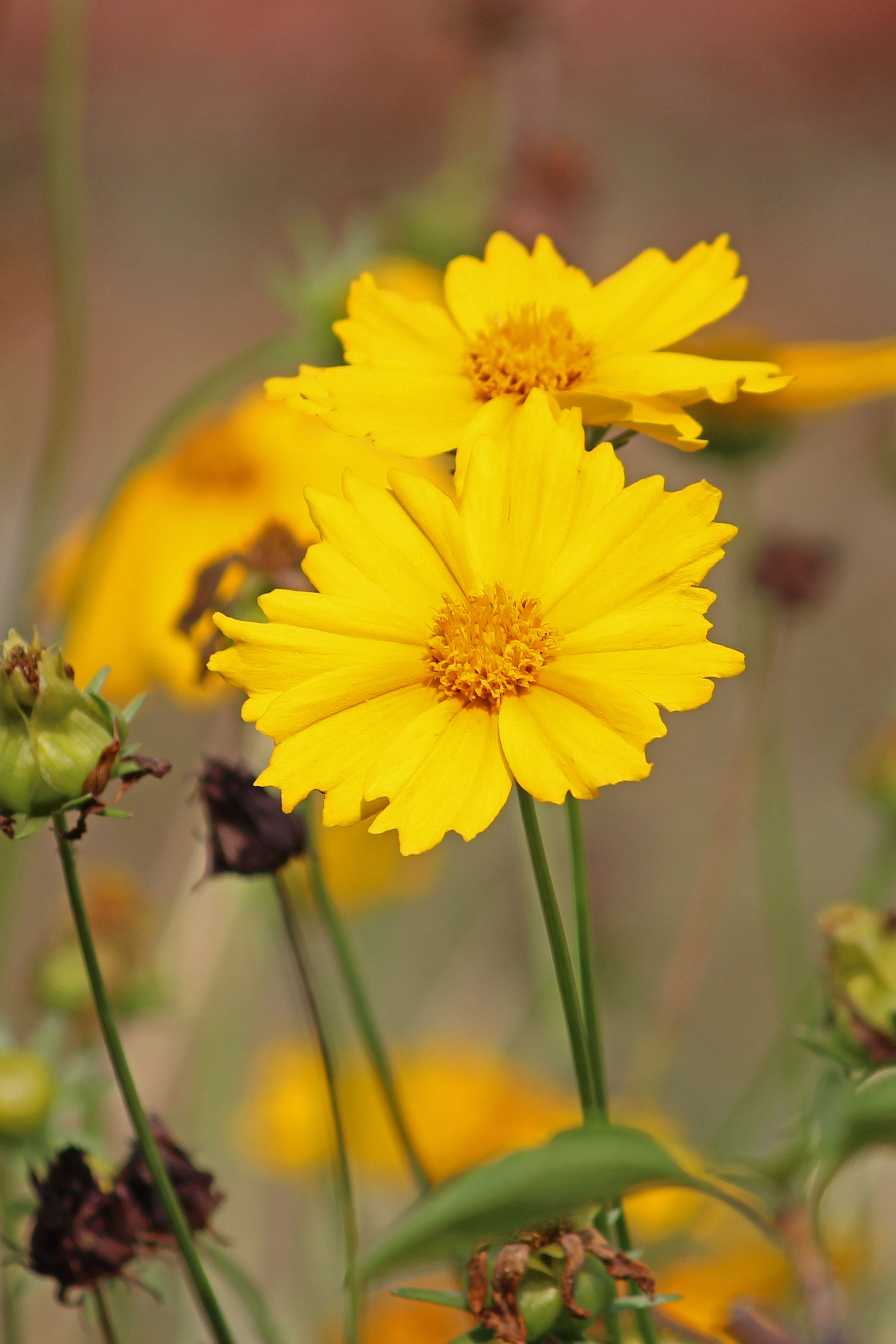
(Coreopsis):** Also known as Tickseed, Coreopsis offers a profusion of bright yellow, orange, or red daisy-like flowers. They are easy to grow and bloom for a long season.
These plants can provide similar visual impact to petunias in terms of color and bloom time, while still keeping your garden a safe haven for your dog.
How Can I Create a Dog-Safe Garden Environment?
Even with non-toxic plants, responsible pet ownership in the garden involves more than just plant selection. Here are some tips to ensure your garden is a safe and enjoyable space for your dog:
- Observe Your Dog's Habits: Some dogs are notorious plant nibblers, while others show no interest. Understanding your dog's tendencies will help you decide how much preventative action you need to take.
- Physical Barriers: For particularly curious pups, consider low fencing around flower beds or raised garden beds. Hanging baskets and containers on elevated surfaces can also keep plants out of paw's reach.
- Provide Alternatives: Ensure your dog has plenty of appropriate toys and chew items. Sometimes, dogs chew on plants out of boredom or a need for mental stimulation.
- Designated Digging Areas: If your dog loves to dig, create a designated digging pit filled with sand or loose soil. Bury some toys or treats in it to encourage them to dig there instead of your flower beds.
- Avoid Harmful Chemicals: Be mindful of the fertilizers, pesticides, and herbicides you use. Many garden chemicals can be highly toxic to pets. Opt for organic, pet-safe alternatives whenever possible. Always read labels carefully and keep pets away from treated areas according to product instructions.
- Fresh Water Access: Always ensure your dog has access to fresh, clean water, especially when spending time outdoors.
- Training: Teach your dog commands like "leave it" or "drop it" to discourage them from mouthing or eating plants. Positive reinforcement training can be very effective.
- Supervision: Especially when introducing a new plant or when your dog is young and more prone to exploring with their mouth, supervise them in the garden.
By implementing these strategies, you can minimize the chances of your dog ingesting any plant material, toxic or otherwise, and ensure your garden remains a harmonious space for everyone.
What Should I Do If My Dog Eats a Plant?
Even with the best precautions, sometimes dogs manage to get into things they shouldn't. If you find your dog has eaten a plant, here's a step-by-step guide:
- Identify the Plant: If possible, determine exactly what plant your dog ingested. Take a photo or collect a sample of the plant for identification.
- Assess the Amount: Note how much of the plant your dog ate. A small nibble is different from consuming an entire plant.
- Observe Your Dog: Look for any immediate signs of distress, such as vomiting, diarrhea, lethargy, drooling, difficulty breathing, or tremors.
- Contact a Professional:
- If you suspect your pet has ingested a toxic plant, call the ASPCA Animal Poison Control Center immediately at (888) 426-4435. They are available 24/7 and can provide expert advice. A consultation fee may apply.
- Alternatively, contact your veterinarian right away. Be prepared to provide them with the plant's name, the amount ingested, and your dog's symptoms.
- Do NOT Induce Vomiting: Unless specifically instructed by a veterinarian or poison control, do not try to make your dog vomit. This can sometimes cause more harm than good, especially if the plant is caustic or if your dog is already showing signs of distress.
- Follow Instructions: Carefully follow any advice given by the ASPCA or your vet. They may recommend monitoring your dog at home or bringing them in for an examination.
Knowing what to do in an emergency can make a significant difference in your pet's outcome.
In conclusion, petunias are a beautiful and generally safe addition to a dog owner's garden, as they are not listed as toxic by the ASPCA. By combining careful plant selection with thoughtful garden design and responsible pet supervision, you can create a vibrant outdoor space that you and your canine companion can both enjoy.
Ready to find the perfect plants for your yard? Try the PlantWise Plant Finder →