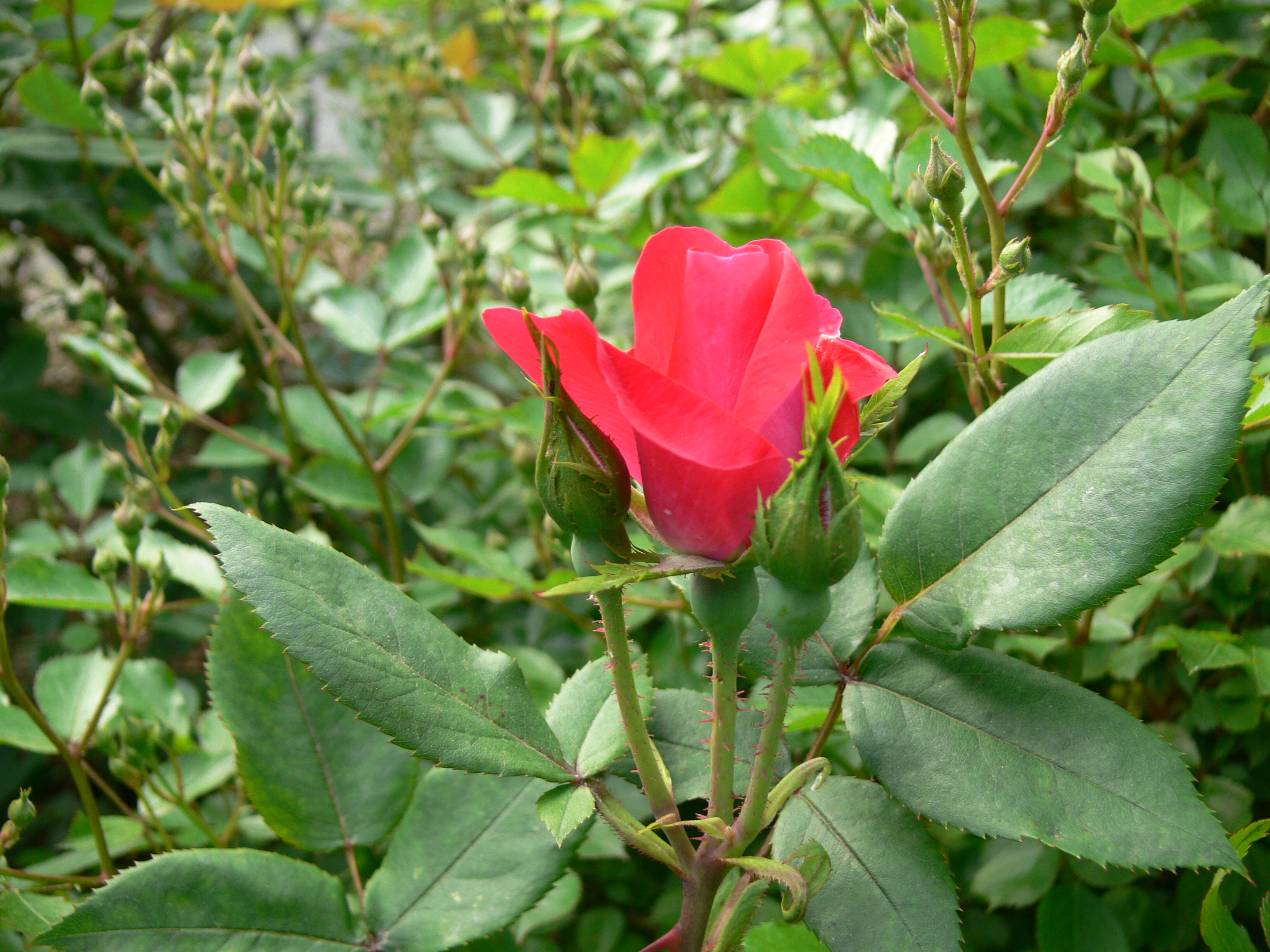
To keep a gifted rose bush alive, get it out of the gift pot and into the ground or a large container within a week or two, in a spot with at least 6 hours of direct sun, then water it deeply once or twice a week through its whole first growing season. Plant it at the same depth it grew in the pot (a little deeper in cold zones if it is a grafted rose), spread 2 to 3 inches of mulch around it, and wait until after the first round of blooms to feed it. Most gifted roses that fail are left too long in a small pot or watered a little every day instead of deeply.
This guide is for garden roses: shrub roses, hybrid teas, floribundas, and climbers that come in a nursery pot or a decorative wrap. If the gift is a small potted miniature rose from a florist or grocery store, see miniature rose care indoors, which covers keeping one on a windowsill.
First days: before you plant
- Unwrap it. Remove foil, cellophane, or a decorative sleeve. Wraps trap water and block light, and a pot without drainage can rot roots in days.
- Check the label. Note whether it is a shrub rose, hybrid tea, floribunda, or climber, and whether it is grafted (a knobby swelling where the canes meet the rootstock) or grown on its own roots. That tells you how deep to plant and how big it gets.
- Set it outside gradually. A rose that came from a greenhouse or store can scorch in full sun. Give it a few hours of morning sun the first day and add an hour or two a day over about a week.
- Keep it watered in the pot. Small nursery pots dry out fast. Water whenever the top inch is dry until it drains from the bottom.
- Do not leave it in the pot for months. Roots circle and the plant stalls. Plan to plant within a week or two.
🌱 Get Personalized Plant Picks
Answer a few quick questions and we’ll match plants to your exact yard conditions.
Find My Plants →Pick the right spot
Roses bloom best and stay healthiest with at least 6 hours of direct sun. Morning sun matters most, because it dries dew off the leaves early and that cuts down on black spot and mildew. Choose soil that drains well; if water stands in the spot for hours after rain, plant in a raised bed or a large container instead.
Give the plant room. Most shrub roses need 2 to 3 feet between plants and from walls so air can move through the leaves. Climbers need a sturdy fence, trellis, or arch to tie onto. Keep roses away from the roots of large trees, which take the water and nutrients first.
A quick soil pH test helps. Roses grow best in slightly acidic to neutral soil, around 6.0 to 7.0. If your soil is far outside that range, follow the test kit or your local extension office advice before planting.
Shop planting gear on Amazon
Long cuff gloves that stop thorns, a soil test kit to check pH before you dig, shredded mulch to keep roots cool and moist, and a long probe moisture meter that reads down where new roots grow. We may earn a commission at no extra cost to you.
Amazon · Thorn proof long cuff gloves Amazon · Soil pH test kit Amazon · Shredded hardwood mulch Amazon · Long probe moisture meter
How to plant a gifted rose bush
- Water the pot well an hour before planting so the root ball holds together.
- Dig a hole about twice as wide as the pot and about as deep. Loosen the soil in the bottom and sides.
- Mix in compost with the soil you removed, about one part compost to three parts soil. There is no need for gravel in the bottom.
- Ease the plant out of the pot. If roots circle the outside, gently tease them loose with your fingers.
- Set the depth. For own root roses, keep the top of the root ball level with the ground. For grafted roses, the swollen graft union should sit at about soil level in mild areas and 1 to 2 inches below the soil in cold areas (roughly USDA zone 5 and colder) to protect it from freezing.
- Backfill and firm the soil gently with your hands. Do not stomp it down.
- Water slowly and deeply until the soil is soaked, let it settle, and add more soil if it sinks.
- Mulch with 2 to 3 inches of shredded mulch in a wide circle, keeping it a couple of inches away from the canes.
Planting in a container instead? Use a pot at least 15 to 20 inches wide and deep with drainage holes and fresh container potting mix, not garden soil. Potted roses need water more often than roses in the ground.
Watering through the first season
The first growing season is when roots spread into the surrounding soil, and steady water is the single biggest factor in whether a new rose makes it.
- Water deeply, not often. Give about an inch of water a week, applied in one or two long soakings so it reaches 12 inches or more down. A light daily sprinkle keeps roots shallow.
- Water the soil, not the leaves. Wet leaves invite fungal disease. A watering wand or soaker hose aimed at the base works well.
- Water in the morning so any splashed leaves dry quickly.
- Check before you water. Push a finger or a moisture meter a few inches into the soil next to the root ball. Water when it feels dry at that depth.
- Expect more in heat. In hot, dry, or windy weather, new roses and potted roses may need water every two or three days.
Feeding and deadheading
Wait to fertilize until the rose has finished its first flush of blooms, or about 4 to 6 weeks after planting. Fresh roots burn easily. After that, a balanced granular or liquid fertilizer made for flowering shrubs, used at the label rate, is plenty. Stop feeding about 6 to 8 weeks before your average first frost so the plant can harden off its new growth before cold weather.
Deadheading, cutting off faded flowers, keeps repeat blooming roses producing. Snip the spent bloom just above the first full leaf below it, using clean, sharp bypass shears. Roses grown for their hips, and once blooming roses, can be left alone.
Keep pruning light in the first year. Remove only dead, broken, or diseased canes and any shoot coming from below the graft union. The bigger shaping prune waits until the plant is established and just waking up from dormancy the following year.
Shop care tools on Amazon
Sharp bypass shears for deadheading and clean cuts, a watering wand that puts water at the soil instead of on the leaves, insecticidal soap for aphids, and a pump sprayer for applying it evenly. We may earn a commission at no extra cost to you.
Amazon · Bypass pruning shears Amazon · Garden hose watering wand Amazon · Insecticidal soap spray Amazon · Garden pump sprayer
Common problems on new roses
- Black spot: dark spots with fringed edges on leaves, which then yellow and drop. Pick off spotted leaves, clean up fallen ones, water only at the soil, and give the plant more air and morning sun.
- Powdery mildew: white, dusty patches on young leaves and buds, common when days are warm and nights are cool. Better air flow and morning sun help; remove the worst leaves.
- Aphids: clusters of small soft insects on new shoots and buds. Knock them off with a strong spray of water, or use insecticidal soap according to the label.
- Japanese beetles: metallic green and copper beetles chewing flowers and leaves. Hand pick them in the early morning into a bucket of soapy water.
- Drooping after planting: usually transplant stress or too little water deep in the root zone. Check the soil a few inches down and water deeply if it is dry.
- Deer browsing: deer eat rose buds and new growth. See why deer eat roses for ways to protect them.
Getting through the first winter
A rose planted well ahead of cold weather usually comes through fine. In cold zones, mound loose soil or compost 8 to 12 inches high over the base after the ground starts to freeze, and remove it as growth starts again. For more detail, see winter protection for roses in zones 4 to 6. Container roses need extra protection because their roots are above ground; move the pot to an unheated garage or a sheltered spot against the house.
Safety notes
Rose canes have sharp thorns. Wear thick, long cuff gloves and long sleeves when planting, deadheading, or pruning, and keep cuts clean. Store fertilizer and pest products in their original containers, out of reach of children and pets, and follow the label.
Pet notes
The ASPCA lists roses (Rosa species) as non toxic to dogs, cats, and horses, but the thorns can injure mouths and paws. The bigger danger is often what goes on the rose: some combination rose care products contain systemic insecticides, and fertilizers and bone meal can tempt dogs to dig and eat them. Keep pets away from freshly treated or fed beds and store products sealed. If a pet eats a rose product or seems unwell after chewing a plant, call your veterinarian or the ASPCA Animal Poison Control Center at (888) 426-4435. For gift choices that are easier around pets, see pet aware gift plants and flowers.
Bottom line
Unwrap a gifted rose bush, ease it into sun over a week, and plant it within a week or two in a sunny, well drained spot at the right depth. Water deeply once or twice a week all season, mulch it, hold off on fertilizer until after the first blooms, and prune lightly. Given that start, a gift rose can bloom for many years.
Related reading
- Gift plant acclimation after purchase
- Miniature rose care indoors
- Are knockout roses deer resistant?
- Deer resistant alternatives to roses
Ready to match plants to your location? Try the PlantWise Plant Finder →