8 Deer-Resistant Alternatives to Roses
Roses, with their classic beauty and fragrant blooms, are a beloved garden staple. However, for gardeners in areas with high deer populations, they can be a constant source of frustration. Deer are notorious for browsing on roses, often stripping leaves and buds overnight. The good news is that you don't have to sacrifice beauty for deer resistance! Many stunning plants offer similar aesthetic appeal - from vibrant colors and delicate petals to attractive forms and intoxicating scents - without being a deer magnet. Instead of fighting a losing battle, consider these eight deer-resistant alternatives that will bring joy to your garden without becoming a deer's next meal.
🌱 Get Personalized Plant Picks
Answer a few quick questions and we’ll match plants to your exact yard conditions.
Find My Plants →Why Do Deer Love Roses So Much?
Deer are opportunistic browsers, and while they have preferences, they'll eat almost anything if they're hungry enough. Roses, unfortunately, are often high on their menu. Their tender new growth, succulent leaves, and sometimes even their thorny stems are palatable to deer. The sweet scent of many rose varieties can also attract them. While no plant is truly deer-proof, some are significantly less appealing due to their texture, taste, or scent. The plants we're about to explore fall into this category, offering a much better chance of surviving deer pressure.
What Makes a Plant Deer-Resistant?
Deer tend to avoid plants that have certain characteristics:
- Strong Scents: Aromatic foliage (like lavender, mint, or sage) often deters deer.
- Fuzzy or Hairy Leaves: Textures that feel unpleasant in their mouths.
- Thorns or Prickles: While roses have thorns, deer often navigate around them for the tender parts. Other thorny plants might be more effective deterrents, or the thorns are simply less appealing.
- Bitter Taste: Plants with a bitter or acrid taste.
- Toxicity: Some plants are toxic to deer, which they learn to avoid.
Our Top 8 Deer-Resistant Alternatives to Roses
Here are eight fantastic plants that can bring rose-like beauty to your garden without attracting hungry deer.
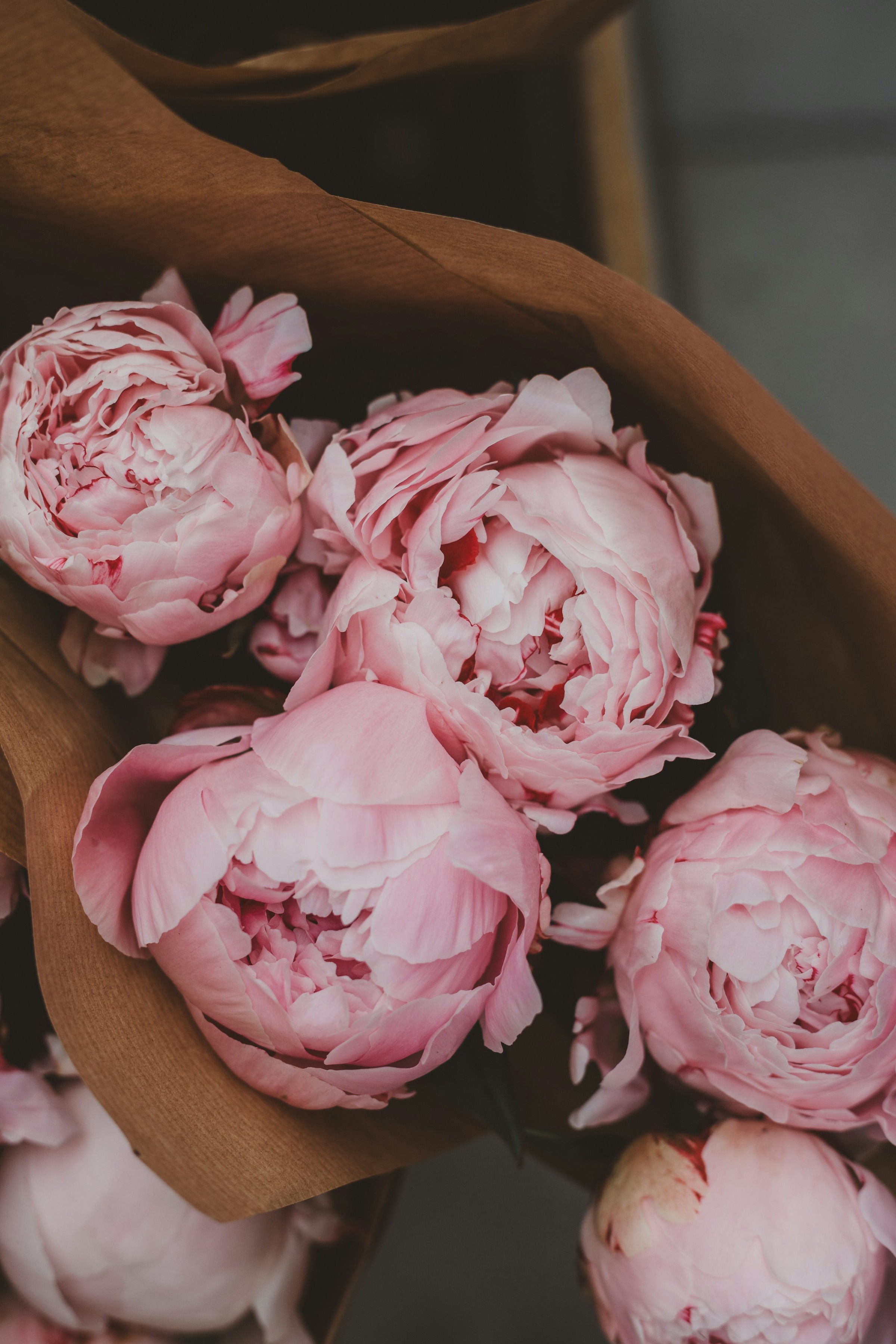
1. Peonies ( Paeonia spp. )
If you love the lush, full blooms of old-fashioned roses, peonies are an absolute must-have. Their enormous, fragrant flowers in shades of pink, white, and red are truly show-stopping. Peonies are incredibly long-lived and require minimal care once established. Deer generally leave them alone due to their taste and texture. They prefer full sun and well-drained soil.
Why they're a great alternative: Large, showy, fragrant blooms; long-lived; classic garden appeal.
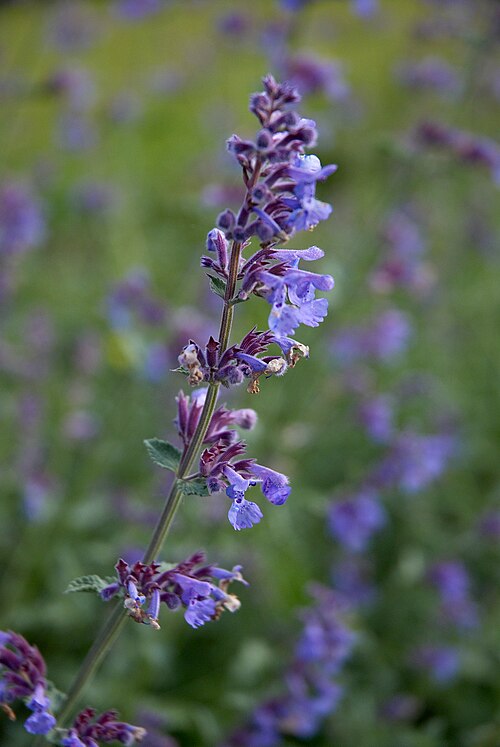
2. Catmint ( Nepeta spp. )
For a continuous display of soft, airy color and a delightful fragrance, catmint is an excellent choice. Its lavender-blue spires bloom profusely from late spring through fall, attracting pollinators but largely ignored by deer. Catmint is incredibly tough, drought-tolerant, and low-maintenance, making it a fantastic border plant or groundcover. Its silvery-green foliage also adds textural interest.
Why they're a great alternative: Long blooming season; aromatic foliage; soft, romantic color.
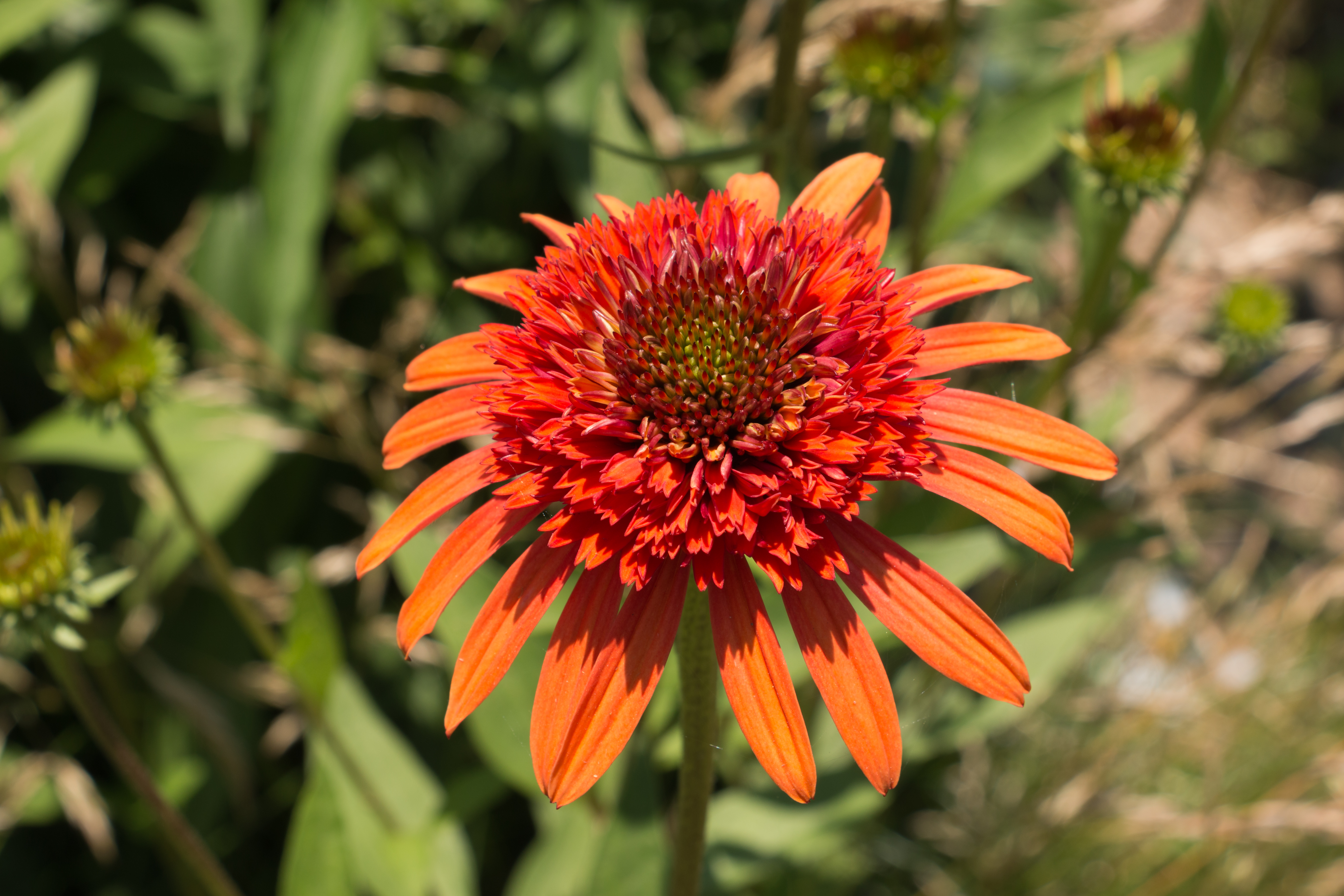
3. Coneflower ( Echinacea purpurea )
For vibrant, daisy-like blooms with a prominent central cone, coneflowers are a fantastic option. Available in a rainbow of colors from classic purple to pink, white, yellow, and orange, they offer a cheerful, long-lasting display. Deer tend to avoid coneflowers, making them a reliable choice for sunny borders and pollinator gardens. They are drought-tolerant once established and attract butterflies and bees.
Why they're a great alternative: Bright, cheerful, long-lasting blooms; attracts pollinators; sturdy, upright form.
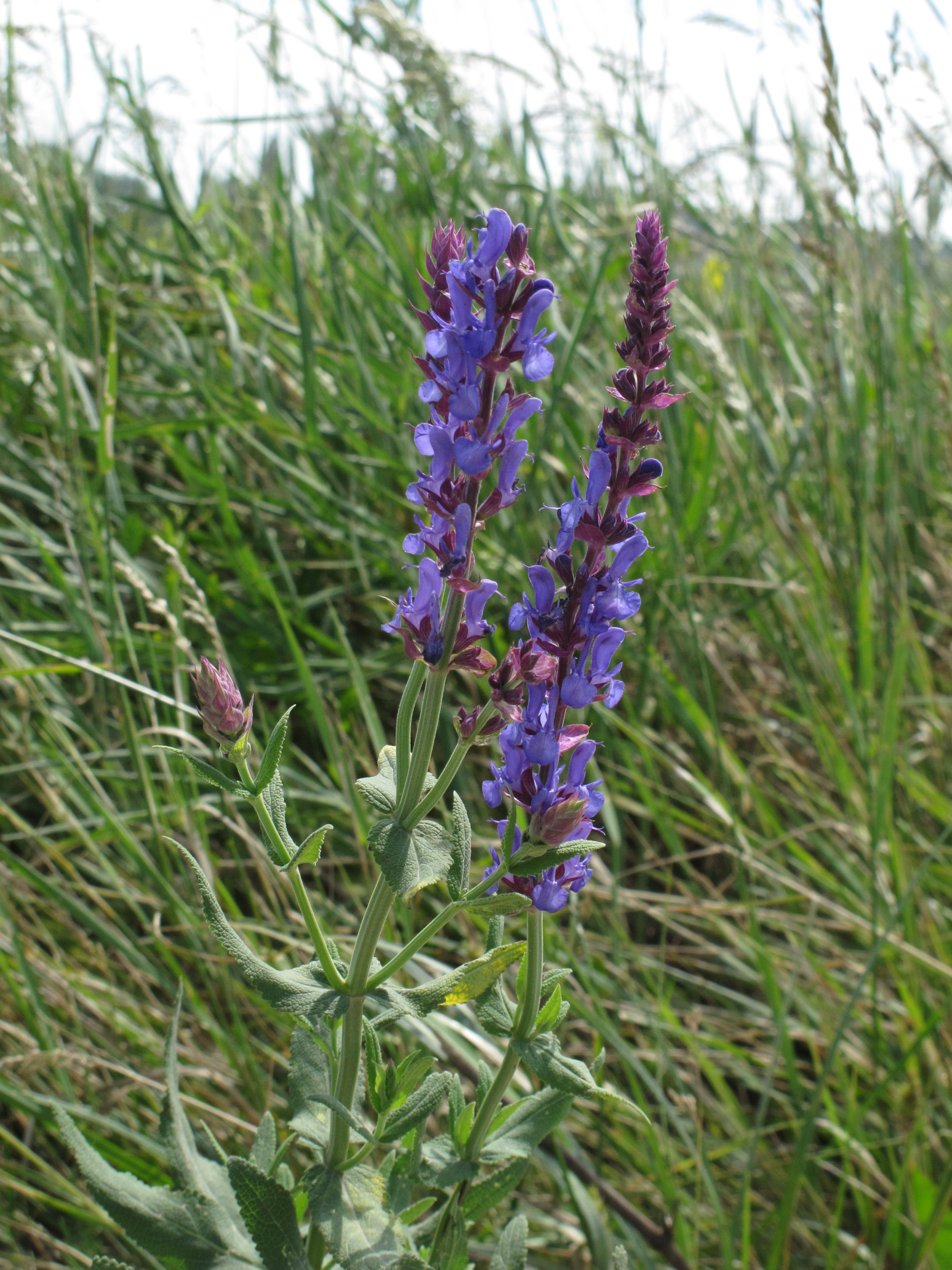
4. Salvia ( Salvia spp. )
With an incredible diversity of forms, sizes, and bloom colors, salvia is a versatile deer-resistant plant. From the vibrant blues of Salvia 'May Night' to the fiery reds of Salvia splendens (often grown as an annual), there's a salvia for almost every garden. Many salvias have aromatic foliage, which is a key deer deterrent. They offer continuous blooms, especially if deadheaded, and are excellent for attracting hummingbirds and butterflies.
Why they're a great alternative: Wide range of colors and forms; long blooming season; aromatic foliage; attracts hummingbirds.
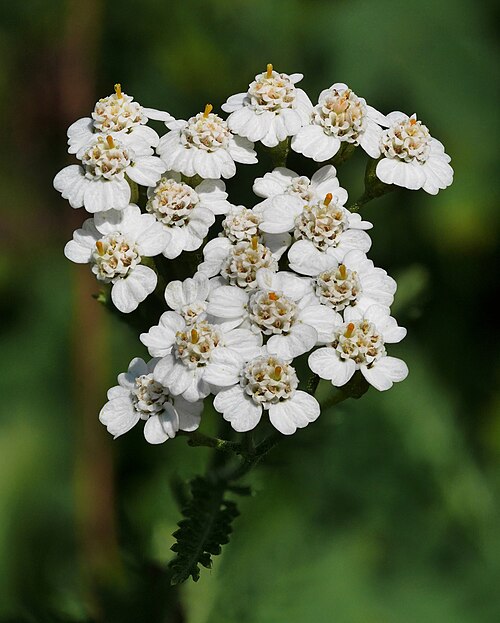
5. Yarrow ( Achillea millefolium )
Yarrow's flat-topped flower clusters come in shades of yellow, pink, red, and white, providing a rustic, cottage garden feel. Its fern-like, aromatic foliage is unappealing to deer, and its tough, drought-tolerant nature makes it a low-maintenance superstar. Yarrow is excellent for cutting and drying, and its sturdy stems add structure to the garden.
Why they're a great alternative: Unique flower form; aromatic, fern-like foliage; drought-tolerant; good for cutting.
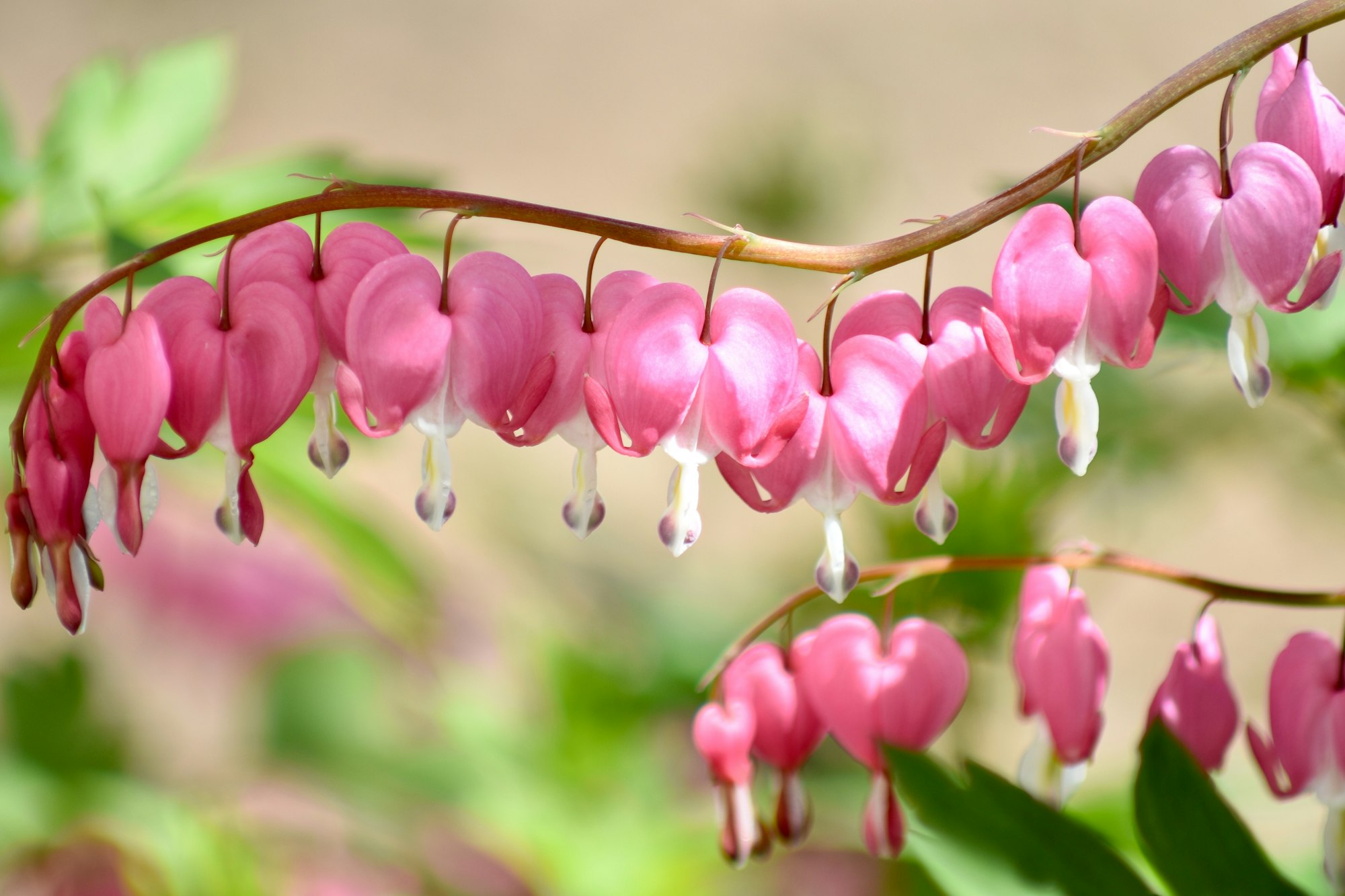
6. Bleeding Heart ( Dicentra spectabilis )
For a touch of elegance in a shadier spot, the classic bleeding heart offers charming, heart-shaped flowers in pink or white. While its bloom time is shorter than some other options, its unique beauty is unforgettable. Deer typically leave bleeding hearts alone due to their taste. They prefer moist, well-drained soil and partial to full shade.
Why they're a great alternative: Unique, elegant flowers; perfect for shade; early spring interest.
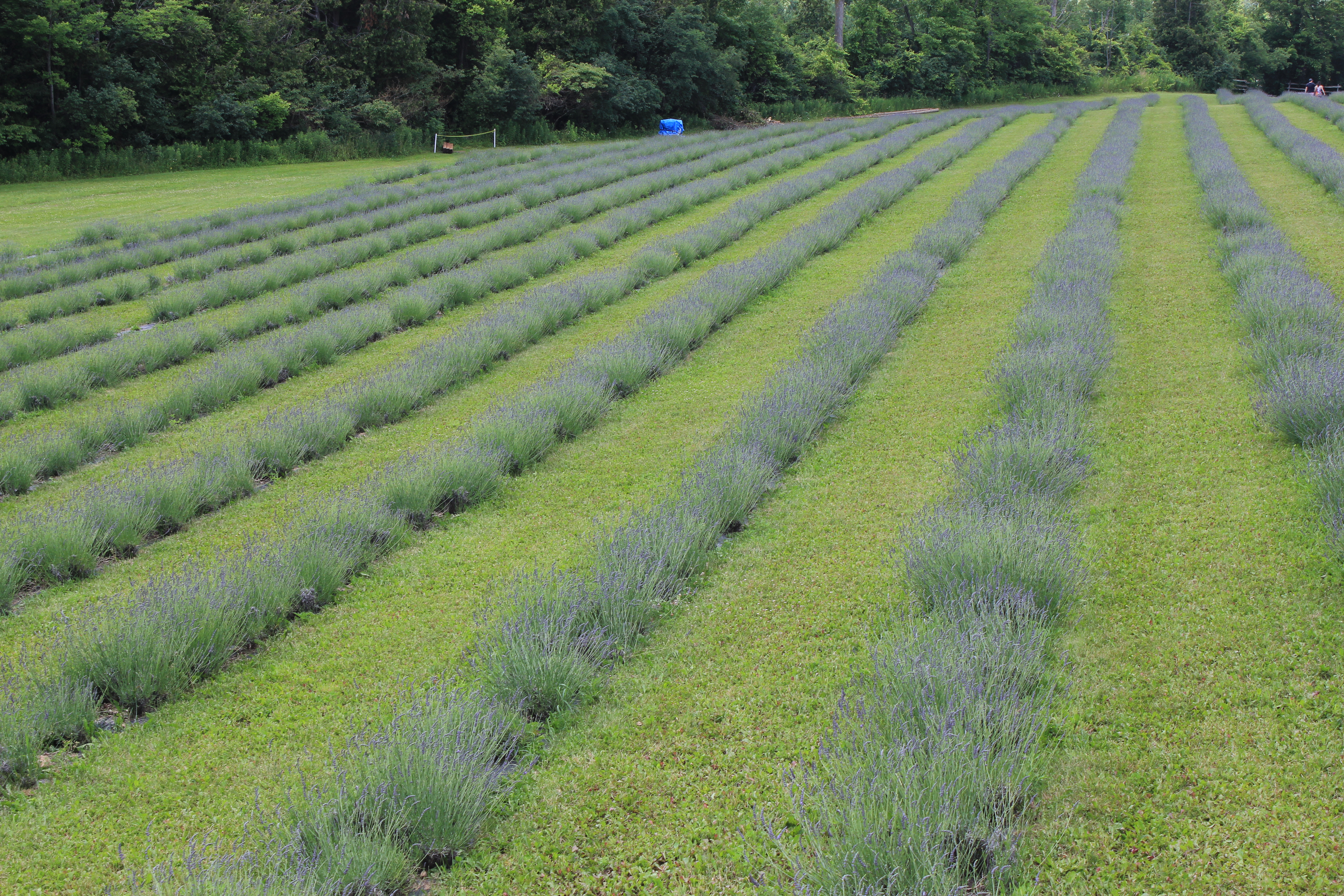
7. Lavender ( Lavandula spp. )
If it's the fragrance of roses you love, lavender is an excellent, deer-resistant substitute. Its silvery-green foliage and spikes of purple flowers are intensely aromatic, making it a natural deer deterrent. Lavender thrives in full sun and well-drained soil, offering a Mediterranean feel to your garden. It's also wonderful for crafting and culinary uses.
Why they're a great alternative: Highly fragrant; beautiful purple blooms; silvery foliage; drought-tolerant.
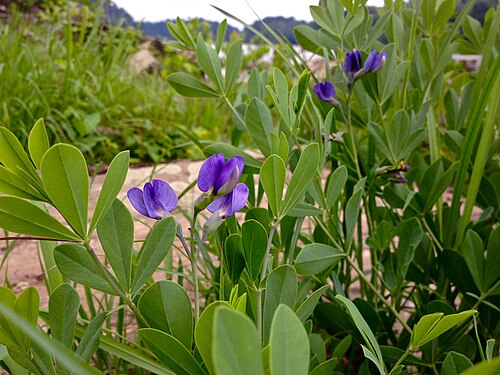
8. False Indigo ( Baptisia australis )
For a robust, shrub-like perennial with elegant spires of blue, purple, or yellow flowers, false indigo is a fantastic choice. It forms a substantial clump, providing structure and presence similar to a shrub rose. Its attractive seed pods also add winter interest. Deer find false indigo unpalatable, and it's a very long-lived, low-maintenance plant once established.
Why they're a great alternative: Shrub-like form; elegant flower spires; long-lived; attractive seed pods.
How Can I Further Protect My Garden from Deer?
Even with deer-resistant plants, it's wise to employ a multi-pronged approach, especially if deer pressure is very high. Remember, no plant is truly deer-proof, but these strategies can significantly reduce damage:
- Deer Fencing: The most effective method, though often costly and aesthetically challenging. Fences need to be at least 8 feet tall to deter jumping deer.
- Repellents: Commercial or homemade repellents can be effective, but they need to be reapplied regularly, especially after rain. Rotate types to prevent deer from becoming accustomed to them.
- Companion Planting: While not a foolproof method, planting highly aromatic herbs like garlic, chives, or strong-smelling salvias around more vulnerable plants might offer some minor deterrence.
- Motion-Activated Sprinklers: These can startle deer away, but they may become accustomed to them over time.
- Vigilance: Regularly check your garden for signs of browsing and adjust your strategies as needed.
Quick Reference: Deer-Resistant Rose Alternatives
| Plant Name | Primary Appeal | Sun Needs | Deer Resistance | Notes |
|---|---|---|---|---|
| Peony | Large, fragrant blooms | Full Sun | High | Long-lived, classic. |
| Catmint | Long-blooming, aromatic | Full Sun | High | Drought-tolerant, pollinator magnet. |
| Coneflower | Cheerful, daisy-like | Full Sun | High | Attracts butterflies. |
| Salvia | Diverse colors, long bloom | Full Sun | High | Aromatic, attracts hummingbirds. |
| Yarrow | Unique form, aromatic | Full Sun | High | Drought-tolerant, good for cutting. |
| Bleeding Heart | Unique, elegant flowers | Part-Full Shade | High | Early spring interest. |
| Lavender | Highly fragrant, purple | Full Sun | High | Mediterranean feel, culinary use. |
| False Indigo | Shrub-like, elegant spires | Full Sun | High | Long-lived, attractive seed pods. |
What if I still want to grow roses?
If your heart is set on roses despite the deer, consider growing them in containers on a patio or deck where deer are less likely to venture. You can also try more deer-resistant rose varieties, though even these are not immune. Using strong repellents consistently and protecting new growth with cages or netting can also help.
By choosing from these beautiful and resilient alternatives, you can create a vibrant, colorful, and fragrant garden that you and your local wildlife (the non-browsing kind!) can enjoy.
Ready to find the perfect plants for your yard? Try the PlantWise Plant Finder →