Cut daffodils when the buds have turned sideways and show color, and tulips when the buds are fully colored but still closed, early in the morning or in the evening, then put them straight into cool water. Stand daffodils in a separate container for at least 6 to 12 hours, because their stems leak a sap that clogs other flowers, and do not recut them before mixing. Recut tulips, wrap them in paper for an hour to straighten, and give them a shallow vase of cold water. Change the water every day or two and keep the vase cool, and both last about a week.
Daffodils and tulips are among the easiest garden flowers to cut, but they behave differently in a vase. Handling each one the right way is the difference between a bunch that lasts a week and one that droops in two days.
When to cut
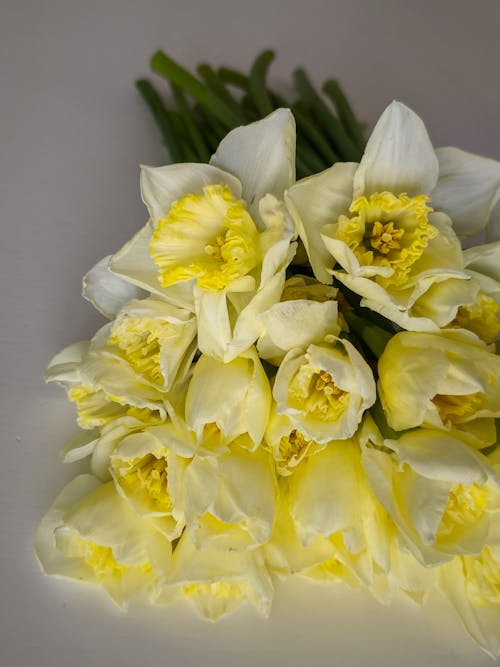
- Daffodils: cut at the gooseneck stage, when the bud has bent to the side and you can see color, or just as the flowers open. They open fully in the vase.
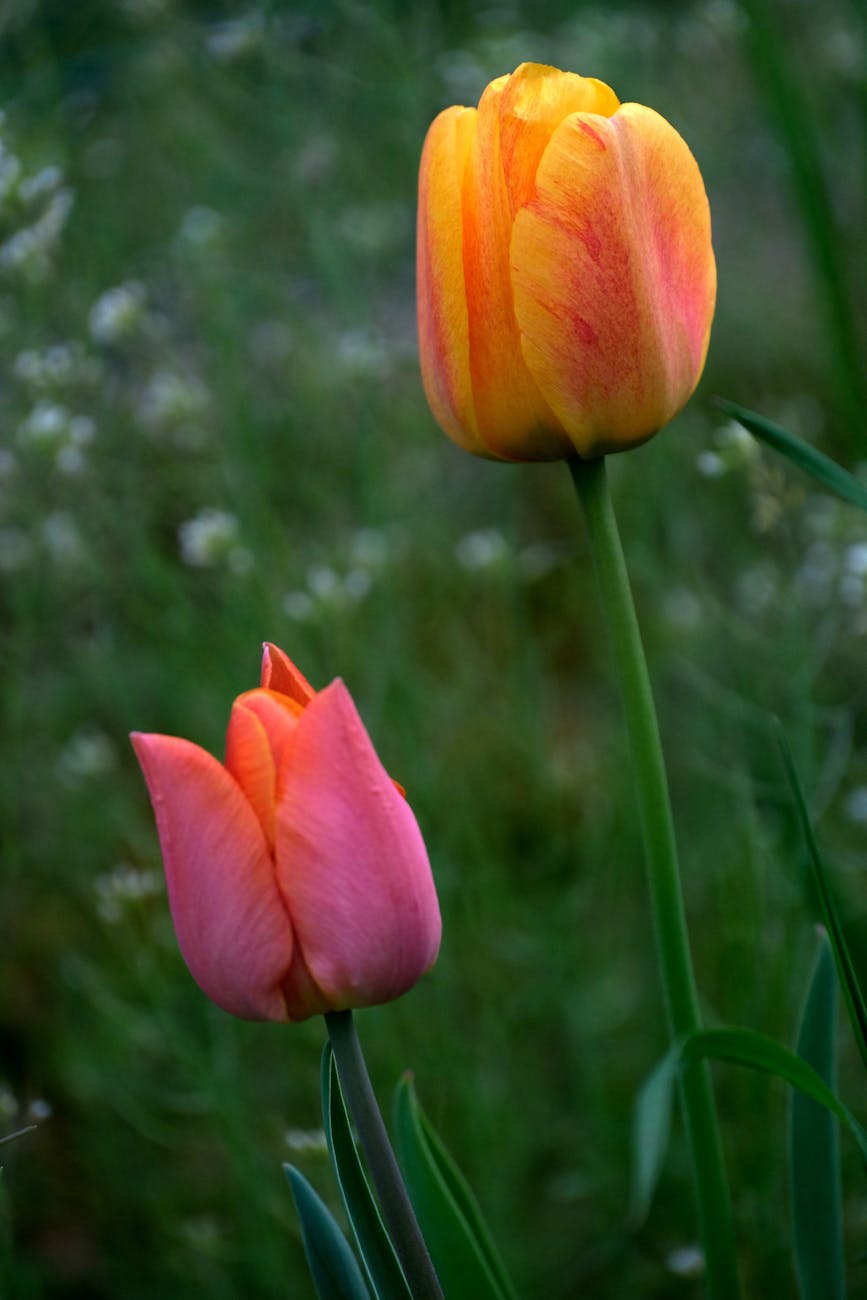
- Tulips: cut when the bud is colored from top to bottom but still closed. Fully open tulips fall apart quickly.
- Time of day: cut in the cool of morning or evening, when stems are full of water.
- Leave the leaves: take only the flower stem and leave most of the foliage on the plant. The leaves feed the bulb for next year, which matters most for daffodils that you want to return.
🌱 Get Personalized Plant Picks
Answer a few quick questions and we’ll match plants to your exact yard conditions.
Find My Plants →Conditioning daffodils
Daffodil stems release a clear, slimy sap when cut. That sap blocks the water uptake of tulips, roses, and other flowers in the same vase.
- Cut the stems and put them right away into a bucket of cool water by themselves.
- Leave them for at least 6 hours and up to overnight, until the sap stops flowing.
- Rinse the stem ends, and do not recut them. A fresh cut starts the sap again.
- Now they can join other flowers, or stay on their own in a vase.
Shop cutting and handling supplies on Amazon
Sharp bypass shears for clean stem cuts, disposable gloves for daffodil sap, and kraft paper for wrapping stems so they straighten. We may earn a commission at no extra cost to you.
Amazon · Bypass pruning shears Amazon · Disposable nitrile gloves Amazon · Brown paper for wrapping
Conditioning tulips
- Recut about an inch off each stem at a slight angle with sharp shears.
- Strip any leaves that would sit below the water line.
- Wrap and drink. Roll the bunch snugly in paper so the heads stand straight, and stand it in cool water for an hour or two. Unwrap and arrange.
- Use shallow water. Tulips prefer a few inches of cold water rather than a deep vase, which keeps stems firm.
Why tulips keep moving
Tulips keep growing after they are cut, often an inch or more, and they bend toward light. That is normal. Choose a vase about two thirds the height of the stems so the heads can arch, turn the vase daily, and trim stems again if they grow too long. A tall, narrow vase also helps them stay upright.
Making both last longer
- Clean vase, fresh water. Wash the vase with hot, soapy water. Change the water every day or two and add a little flower food if you have it.
- Keep it cool. Set the vase away from heat vents, sunny windows, and fruit bowls. Ripening fruit gives off ethylene gas, which ages flowers faster.
- Cool nights. Moving the vase to a cool room or a refrigerator at about 35 to 40°F overnight can add days. Keep flowers away from fruit in the fridge for the same reason.
- Remove faded flowers as they go so the rest of the arrangement stays fresh.
Shop vase and arranging helpers on Amazon
Clear vase filler stones to anchor stems, soft twine for tying bunches, and a fridge thermometer if you hold flowers cold overnight. We may earn a commission at no extra cost to you.
Amazon · Vase filler stones Amazon · Garden jute twine Amazon · Refrigerator thermometer
Arranging them together
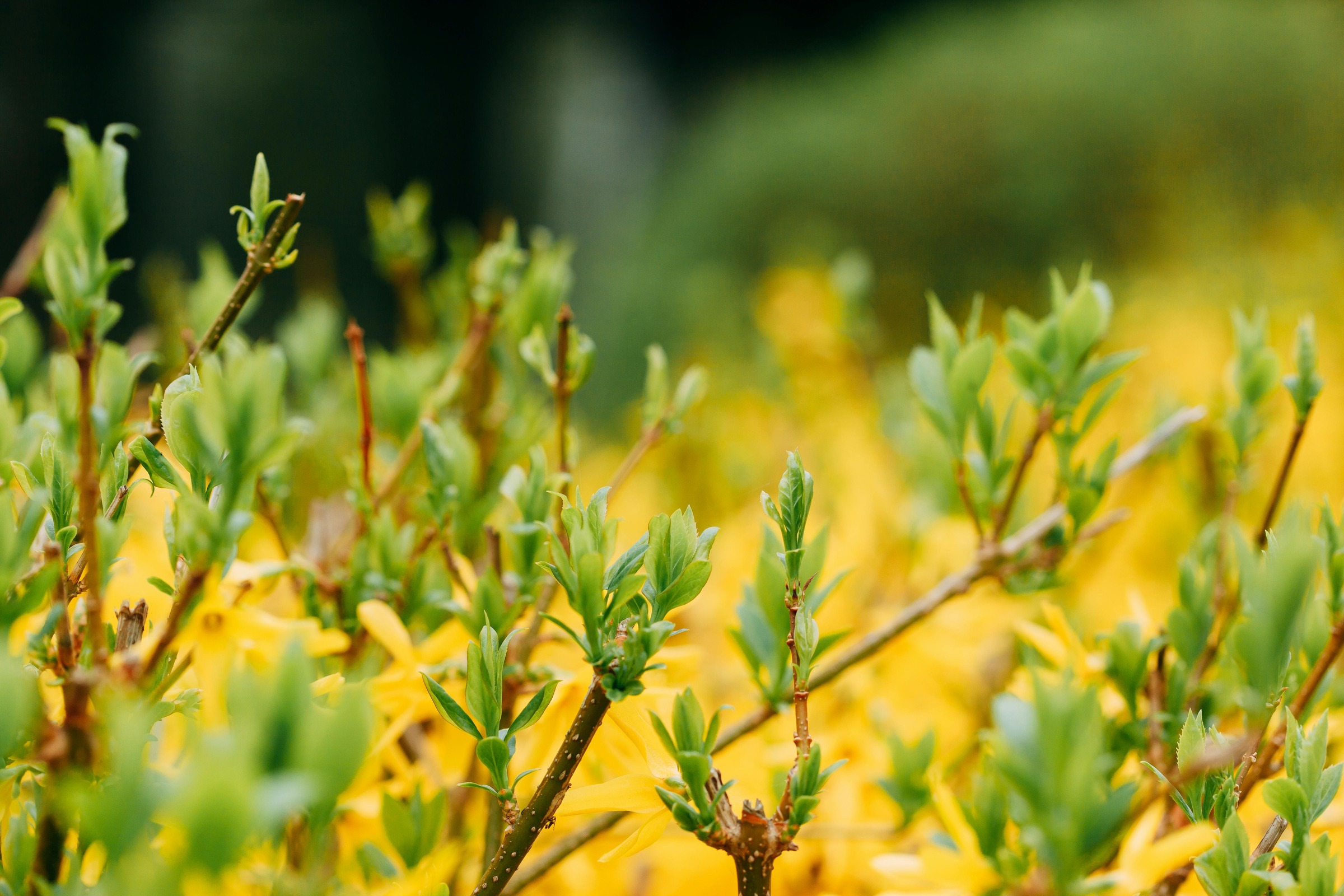
Once daffodils have been conditioned alone and not recut, they can share a vase with tulips, grape hyacinth, and branches of forsythia or flowering quince. Clear vase filler stones in the bottom help anchor a loose bunch. For cut greenery and branches, see eucalyptus bundles and fresh greenery care.
Planning for next year
Daffodils return reliably when you leave the leaves to die back naturally for about six weeks after flowering. Tulips often fade after the first year in many gardens, so many gardeners plant new tulip bulbs each fall for cutting. See tulips vs daffodils and spring flowering bulbs to plant in fall. If deer are a problem, daffodils are the safer bet; see are daffodils deer resistant.
Safety notes
Daffodil sap can cause an itchy rash in some people, sometimes called daffodil itch. Wear gloves when cutting and conditioning large bunches, and wash your hands afterward. Keep shears closed and stored after use, and set heavy vases on a stable surface.
Pet notes
The ASPCA lists both daffodils and tulips as toxic to dogs and cats; daffodils can cause vomiting, drooling, and diarrhea, and large amounts can cause tremors, low blood pressure, and heart rhythm changes. Tulips can cause vomiting, drooling, and diarrhea. Keep vases where pets cannot tip or chew them, and do not let pets drink the vase water, especially from daffodils. If your bouquet also has lilies and you have a cat, remove the lilies, because true lilies can cause kidney failure in cats even from pollen or vase water. If a pet chews a flower or drinks the water and seems unwell, call your veterinarian or the ASPCA Animal Poison Control Center at (888) 426-4435. See pet-aware gift plants and flowers.
Bottom line
Cut daffodils at the gooseneck stage and condition them alone, without recutting, before mixing. Cut tulips in tight colored bud, recut and wrap them, and give them shallow, cold water. Change the water often, keep the vase cool, and keep it away from pets.
Related reading
- Potted bulbs in bloom: care and replanting
- Eucalyptus bundles and fresh greenery care
- Tulips vs daffodils
- Plants toxic to dogs
Ready to match plants to your location? Try the PlantWise Plant Finder →