Are Daffodils Deer Resistant? Complete Guide
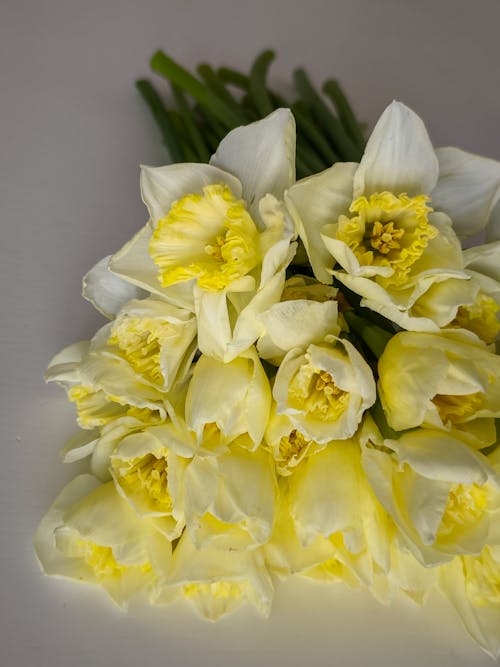
If you're a gardener battling persistent deer, you've likely asked yourself: Are daffodils deer resistant? The excellent news is yes, daffodils are among the most reliably deer-resistant plants available, making them a fantastic choice for areas where deer are a problem. Their natural chemical compounds, specifically alkaloids like lycorine, are toxic and unpalatable to deer and other browsing animals, causing them to steer clear. This makes daffodils a go-to bulb for adding vibrant spring color without becoming a deer snack.
Deer are opportunistic feeders, and while no plant is truly deer-proof, daffodils come very close. Their inherent toxicity acts as a powerful deterrent, signaling to deer that these aren't a tasty meal. This guide will explore why daffodils are so effective, how to use them strategically in your landscape, and what other plants can offer similar protection.
🌱 Get Personalized Plant Picks
Answer a few quick questions and we’ll match plants to your exact yard conditions.
Find My Plants →Why Are Daffodils Deer Resistant?
Daffodils (genus Narcissus) owe their deer resistance to a natural defense mechanism: alkaloids. These bitter-tasting and mildly toxic compounds, particularly lycorine, are present throughout the plant, especially in the bulbs. When a deer takes a bite, the unpleasant taste and potential for digestive upset quickly teach them to avoid daffodils.
This natural chemical defense is incredibly effective, making daffodils a top choice for gardeners in deer-heavy regions. Unlike some plants that deer might sample if other food sources are scarce, daffodils are consistently bypassed. This makes them an invaluable tool in your deer-deterring arsenal.
How Can I Use Daffodils to Deter Deer?
Beyond their beautiful spring blooms, daffodils can be strategically planted to protect more vulnerable plants in your garden. Here are a few ways to leverage their deer-resistant qualities:
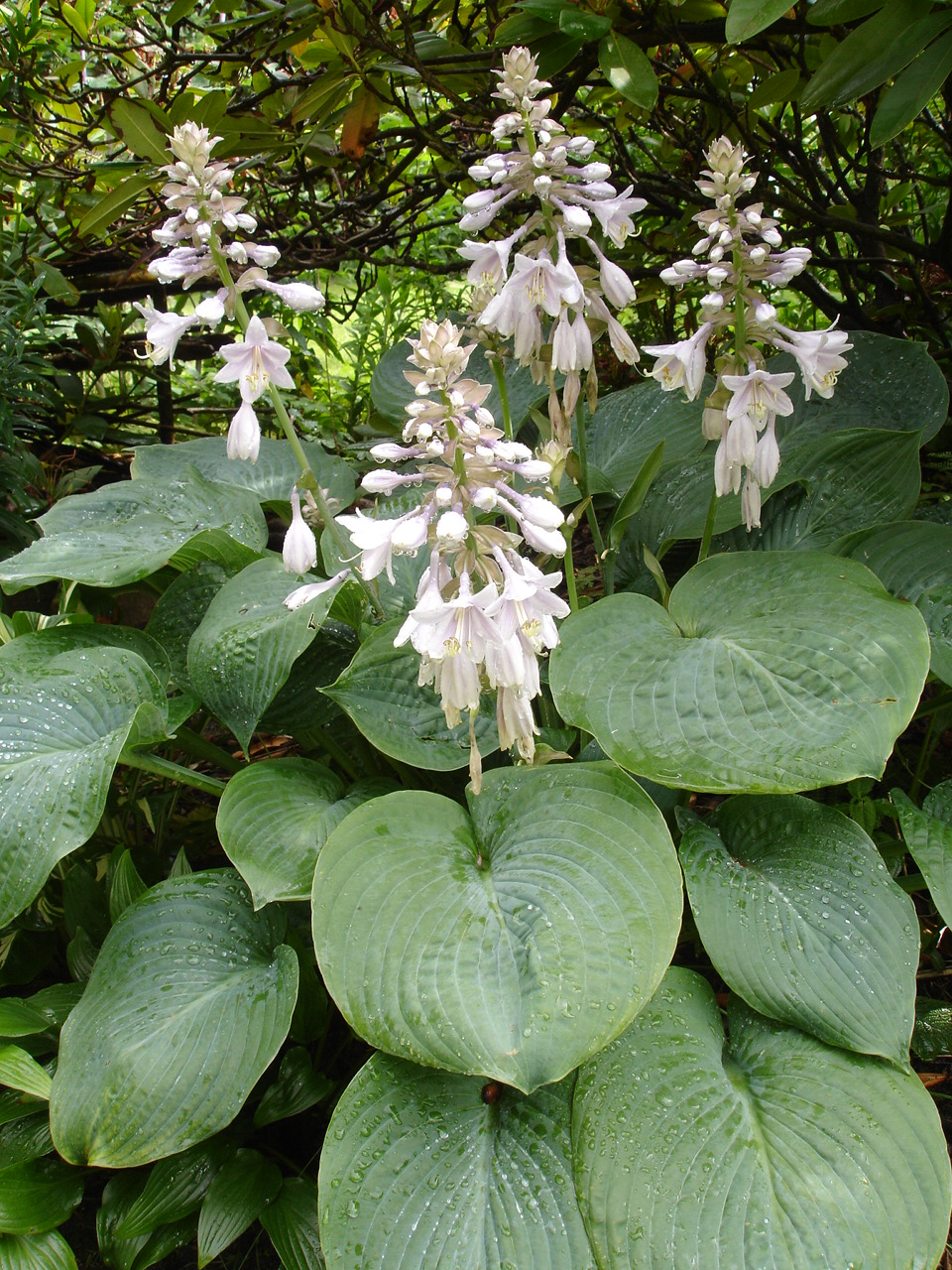
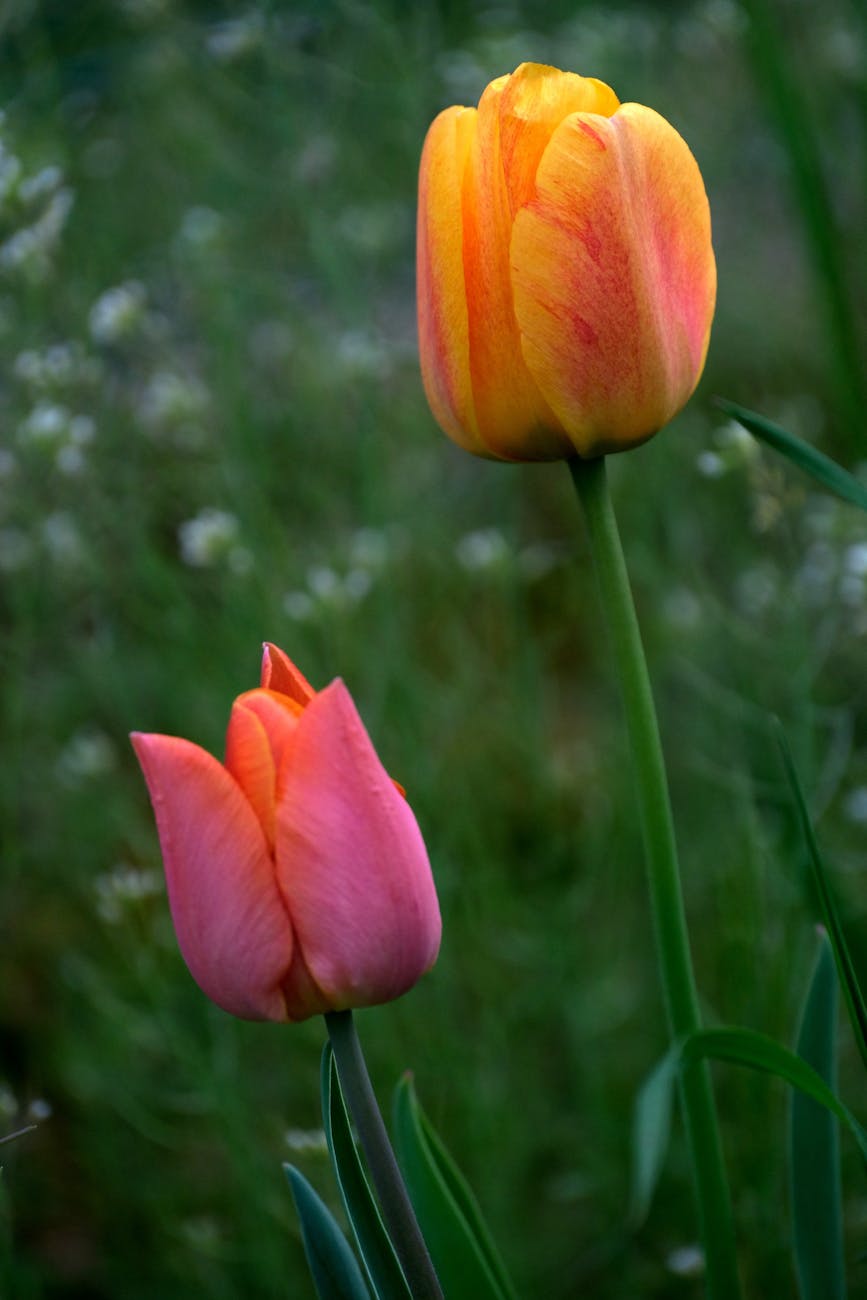
- Perimeter Planting: Create a "deer-resistant border" by planting daffodils around the edges of your garden beds. This can act as a first line of defense, discouraging deer from entering areas where more palatable plants like hostas or tulips reside.
- Interplanting: Mix daffodils among other plants that deer tend to browse. For example, planting daffodils around roses, daylilies, or even vegetables can help mask their scent and make them less appealing to deer.
- Mass Plantings: Large drifts of daffodils are not only visually stunning but also send a clear message to deer: "Move along, nothing to eat here!" The sheer volume of their unpalatable foliage can be a strong deterrent.
- Naturalizing: Daffodils are excellent for naturalizing in lawns or woodland edges where deer frequently roam. They'll multiply over time, creating an expanding zone of deer-resistant beauty.
Remember to plant daffodil bulbs in the fall for a spectacular spring display. They prefer well-drained soil and full sun to partial shade.
Are Daffodils Toxic to Pets?
While daffodils are a boon for deer resistance, it's important to be aware of their toxicity to pets. Daffodils are not listed as toxic to humans, dogs, cats, and horses by the ASPCA. The bulbs are the most toxic part, containing the highest concentration of alkaloids. Ingesting any part of the plant, especially the bulb, can cause symptoms such as vomiting, diarrhea, abdominal pain, and in severe cases, cardiac arrhythmias or respiratory depression.
If you suspect your pet has ingested a toxic plant, call the ASPCA Animal Poison Control Center immediately at (888) 426-4435.
When planting daffodils in a garden frequented by pets, consider placing them in areas that are less accessible, or use physical barriers if your pet is known to dig or chew on plants.
What Other Plants Are Good Deer-Resistant Companions for Daffodils?
Pairing daffodils with other deer-resistant plants can create a beautiful and robust garden that deer will largely ignore. While no plant is truly deer-proof, these options are generally considered less appealing to deer.
Quick Reference: Deer-Resistant Plants
| Plant Name | Deer Resistance | Key Features |
|---|---|---|
| Daffodil | Very High | Toxic alkaloids, strong scent, early spring bloom |
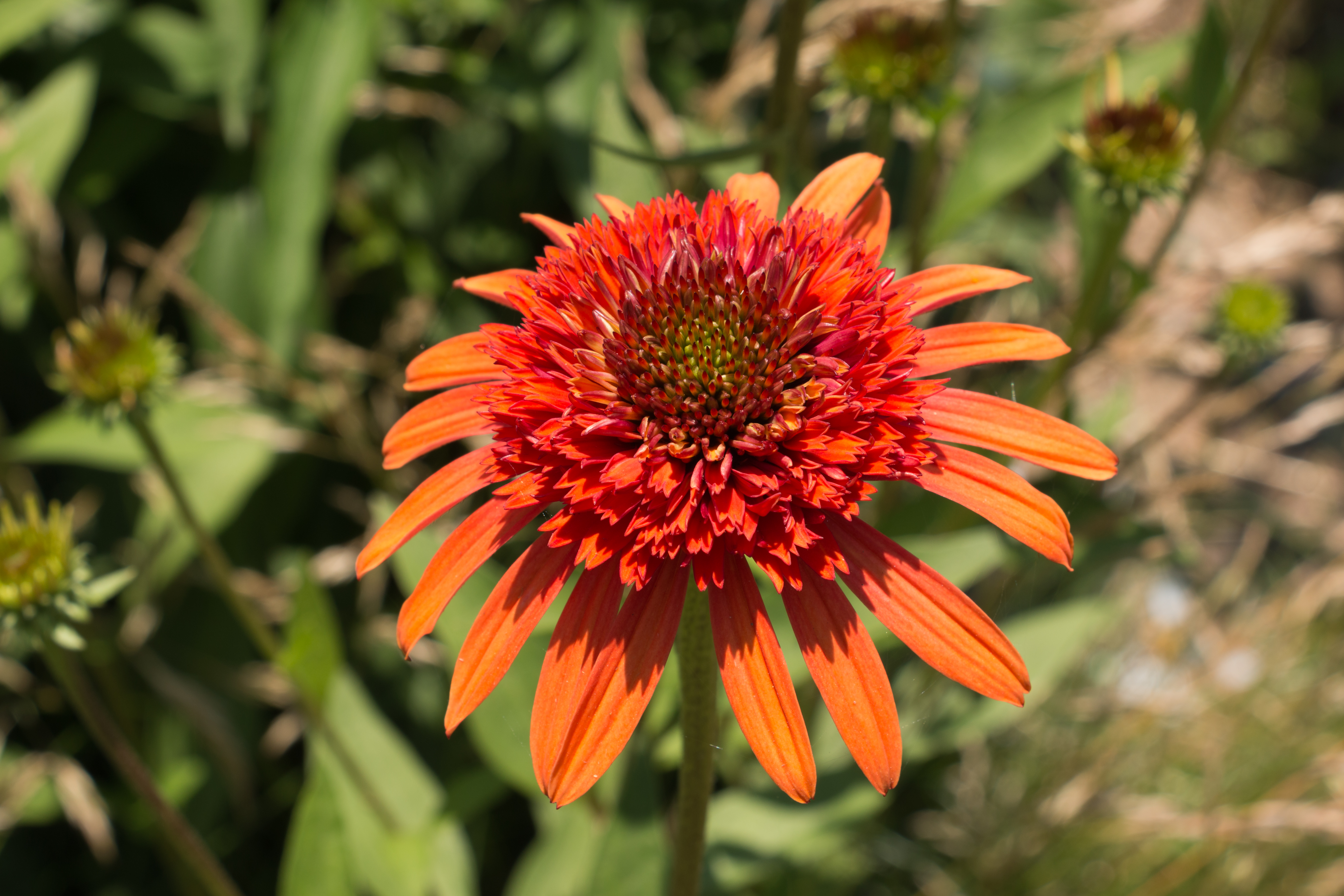
(Coneflower) | High | Coarse texture, strong scent, summer blooms | |
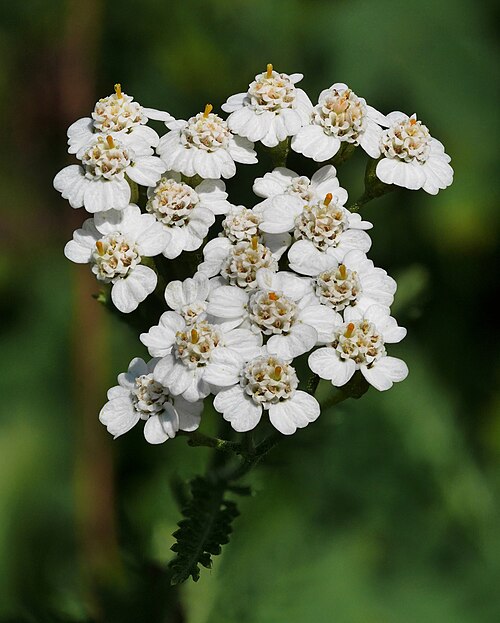
(Yarrow) | High | Aromatic foliage, feathery leaves, flat-topped flowers | |
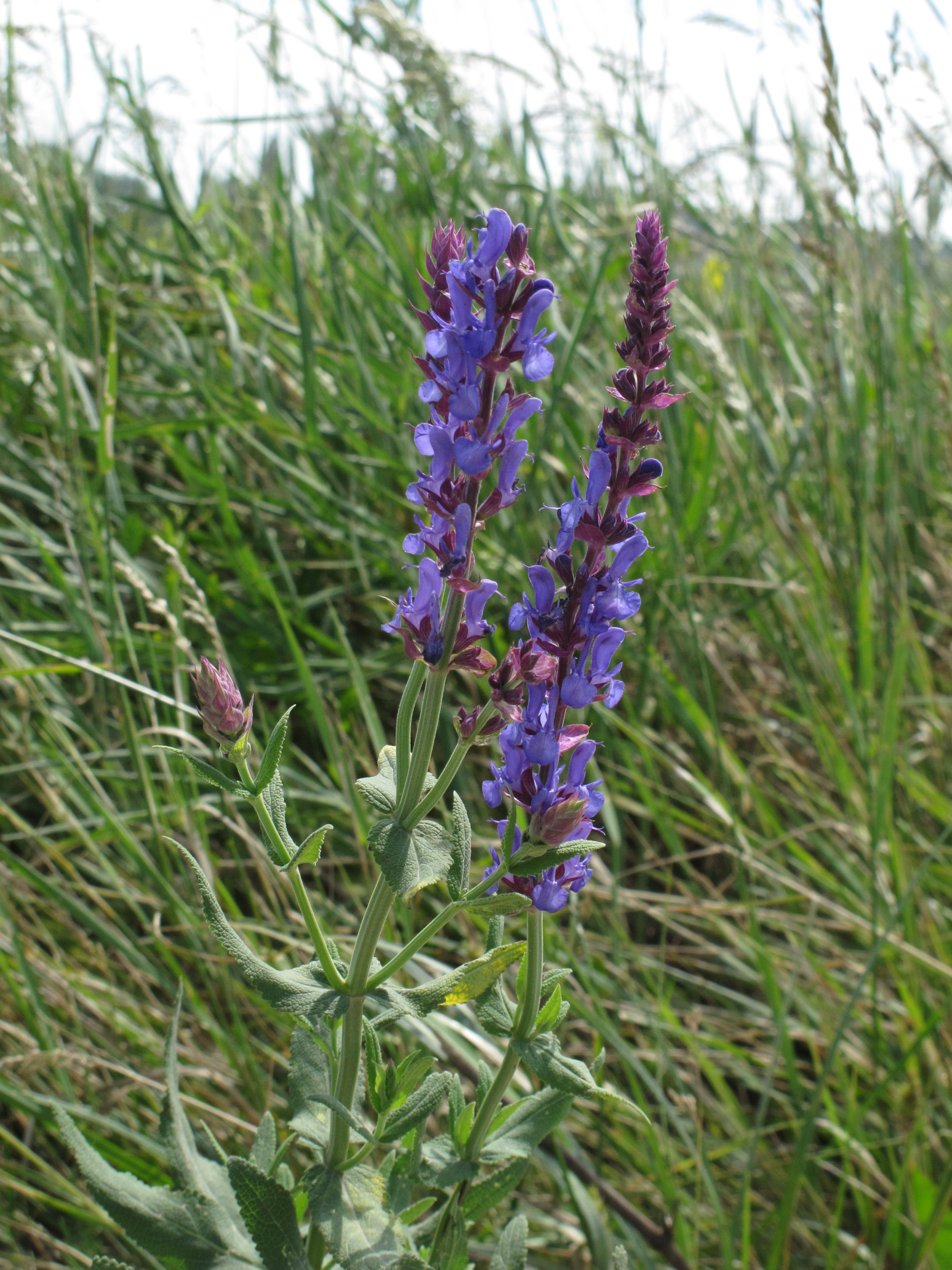
(Salvia) | High | Aromatic foliage, spiky flowers, various colors | |
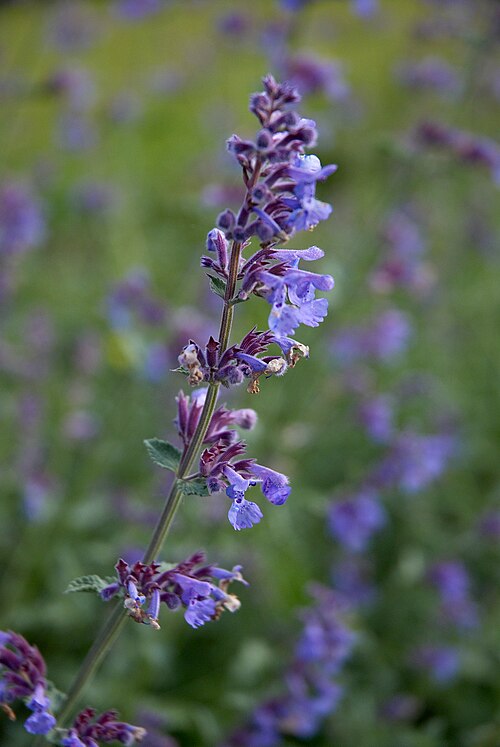
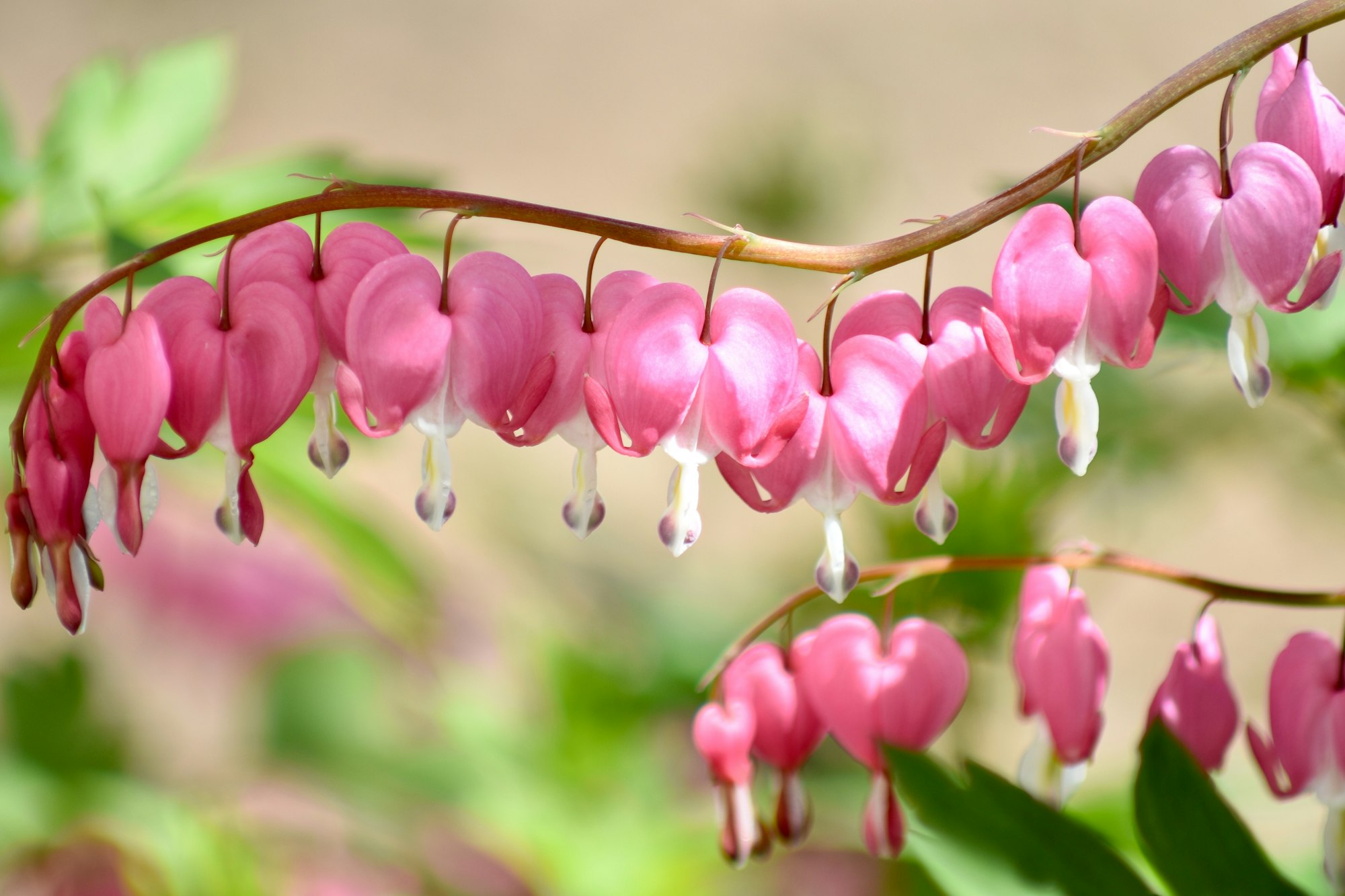
(Catmint) | High | Aromatic foliage, purple flowers, drought tolerant | | Peonies | High | Large, showy flowers, thick foliage | | Bleeding Heart | Medium-High | Toxic foliage, unique heart-shaped flowers | | Ornamental Grasses | Medium-High | Coarse texture, often overlooked by deer |
When planning your garden, think about plants with strong scents (like herbs), fuzzy or coarse textures, or those known to be toxic or unpalatable. Deer tend to avoid these characteristics.
How Do I Prevent Deer From Eating My Other Plants?
Even with deer-resistant plantings, deer can be persistent, especially when food sources are scarce. Here are additional strategies to protect your garden:
- Physical Barriers: Fencing is the most effective way to keep deer out. A fence needs to be at least 8 feet tall to deter jumping deer. Electric fences can also be effective.
- Repellents: Commercial deer repellents work by taste or smell. They often contain ingredients like putrescent egg solids, hot pepper, or garlic. You'll need to reapply them regularly, especially after rain.
- Motion-Activated Sprinklers: A sudden burst of water can startle deer and send them running. These are best for smaller areas.
- Diversionary Planting: In some cases, planting a "sacrifice" crop that deer prefer away from your prized plants can draw them elsewhere. However, this isn't always practical for home gardens.
- Vary Your Tactics: Deer can become accustomed to a single deterrent. Combining several methods often yields the best results. Rotate repellents or combine them with physical barriers.
Remember that deer habits can vary by region and individual deer. Observe your garden to understand their patterns and preferences, and adjust your strategies accordingly.
Daffodils are a fantastic, low-maintenance solution for adding beautiful spring color while effectively deterring deer. By understanding their natural defenses and combining them with other strategies, you can create a thriving garden that you and local wildlife (minus the deer browsing) can enjoy.
Ready to find the perfect plants for your yard? Try the PlantWise Plant Finder →