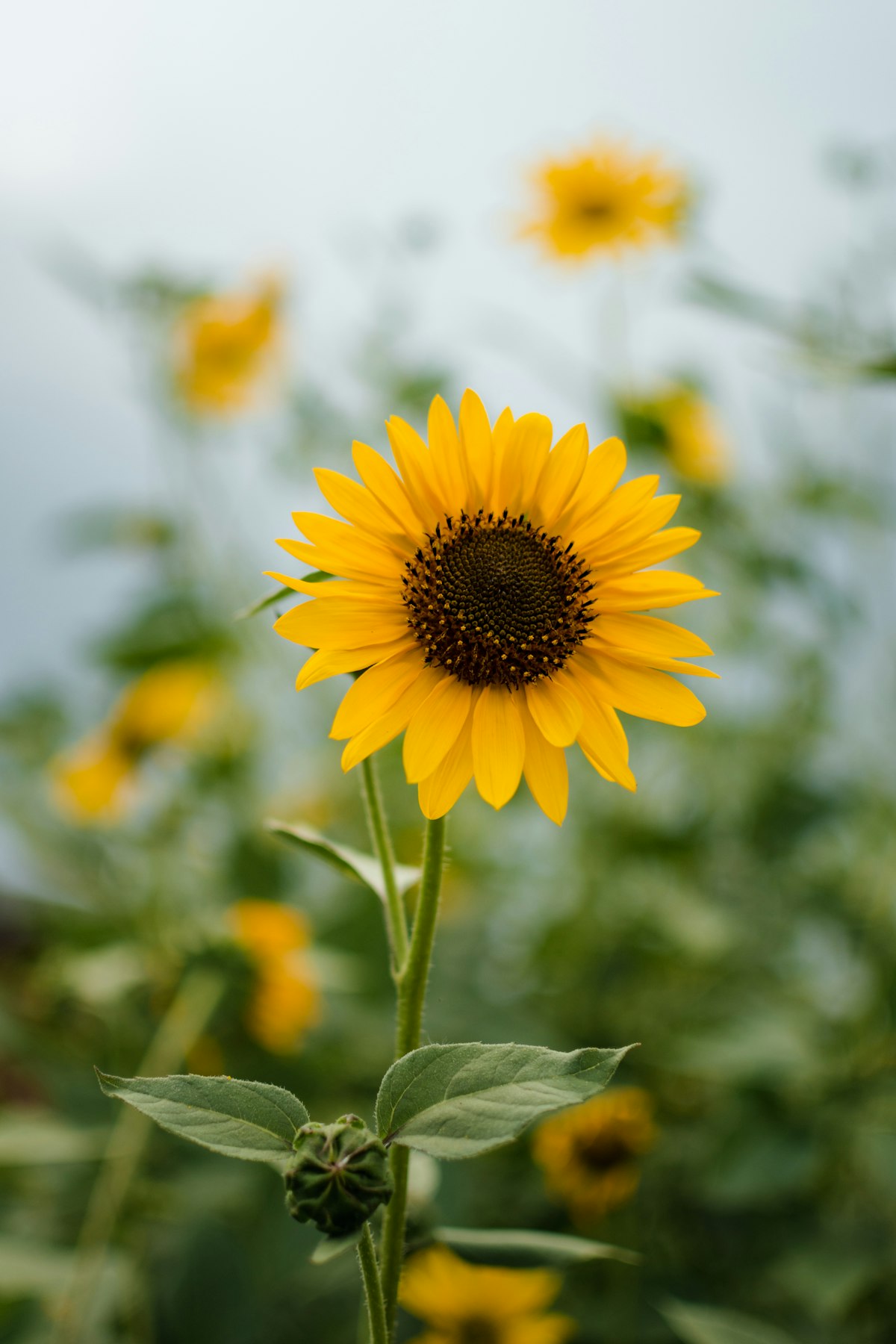
If the recipient has a cat, never give lilies: true lilies and daylilies are highly toxic to cats, and even pollen or vase water can cause kidney failure. Safer gift plants for pet homes include moth orchids, African violets, bromeliads, prayer plants, hoyas, spider plants, and parlor palms, and safer cut flowers include roses, sunflowers, gerbera daisies, and snapdragons, all listed as non toxic by the ASPCA. Check every plant and bouquet against the ASPCA list before it goes home, and keep even safe plants out of reach of chewers.
Flowers and potted plants are some of the most common gifts, and some of the most common reasons pet owners call poison control. A few minutes of checking turns a risky gift into a safe one.
The gifts to avoid in pet homes
- Lilies (Easter, Asiatic, Oriental, stargazer, tiger, and daylilies). Highly toxic to cats; every part, the pollen, and the vase water. Lily of the valley is a different plant but is also dangerous, affecting the heart.
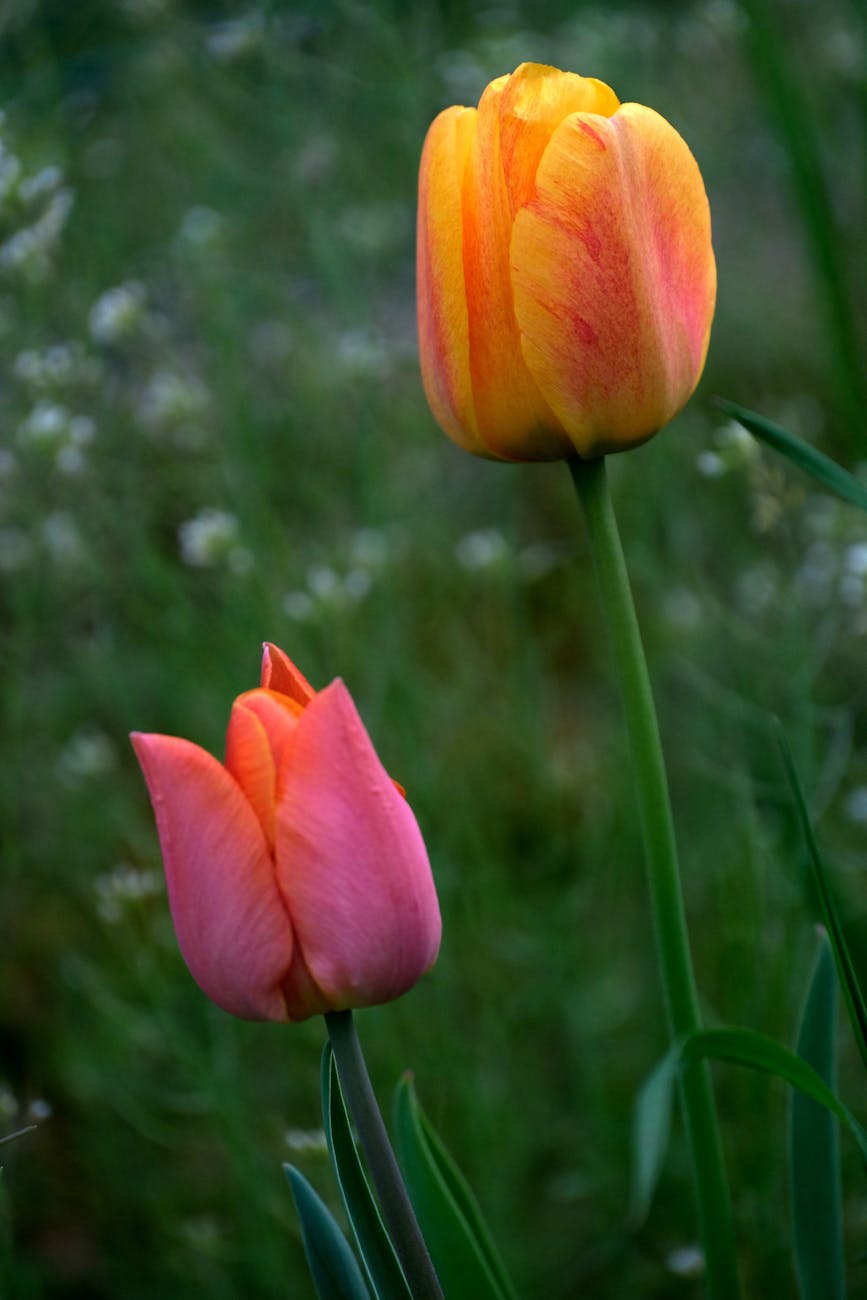
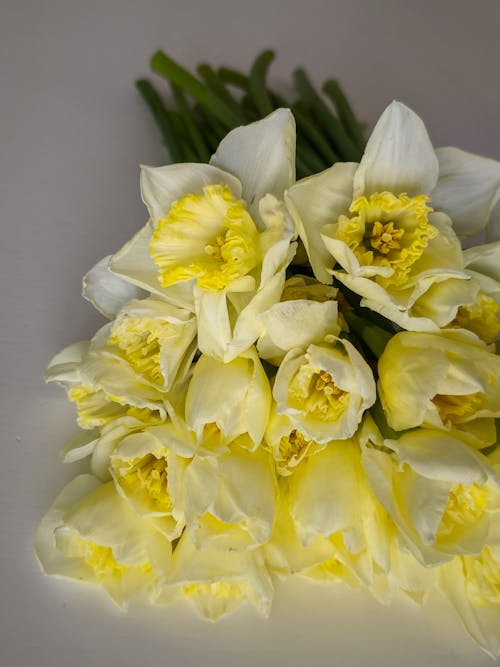
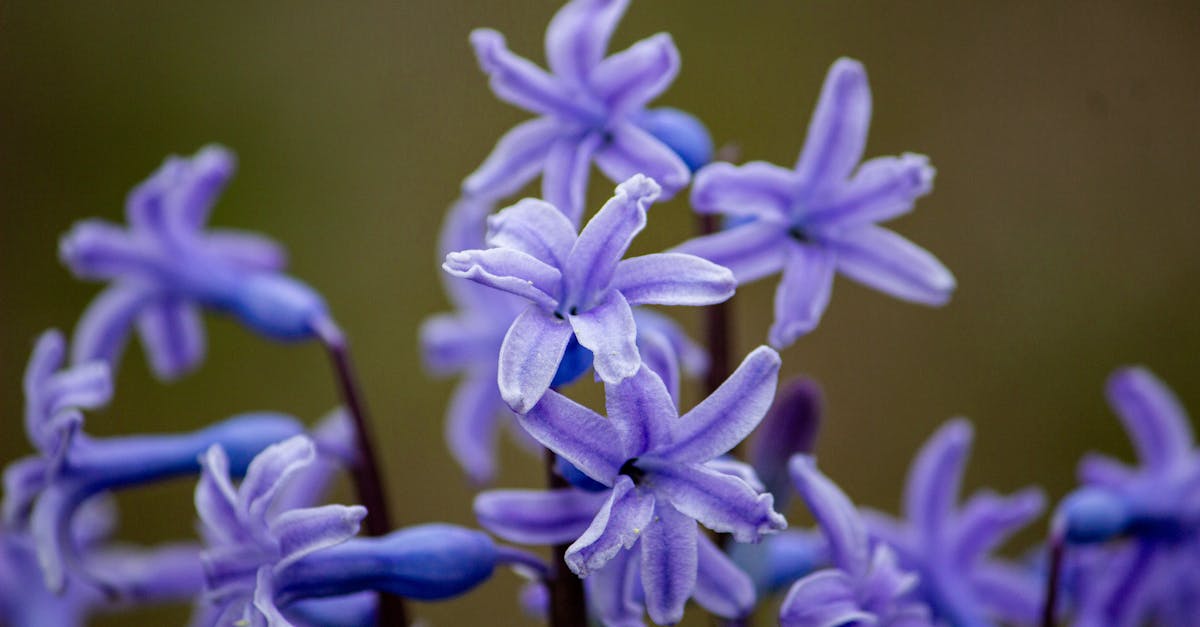
- Spring bulbs in bloom: tulips, hyacinths, daffodils, and amaryllis. The bulbs are the most toxic part, and potted forced bulbs leave them right at nose level.
- Azalea and rhododendron. Toxic to dogs and cats, sometimes seriously.
- Cyclamen and kalanchoe. Popular flowering gift plants that are toxic to pets.
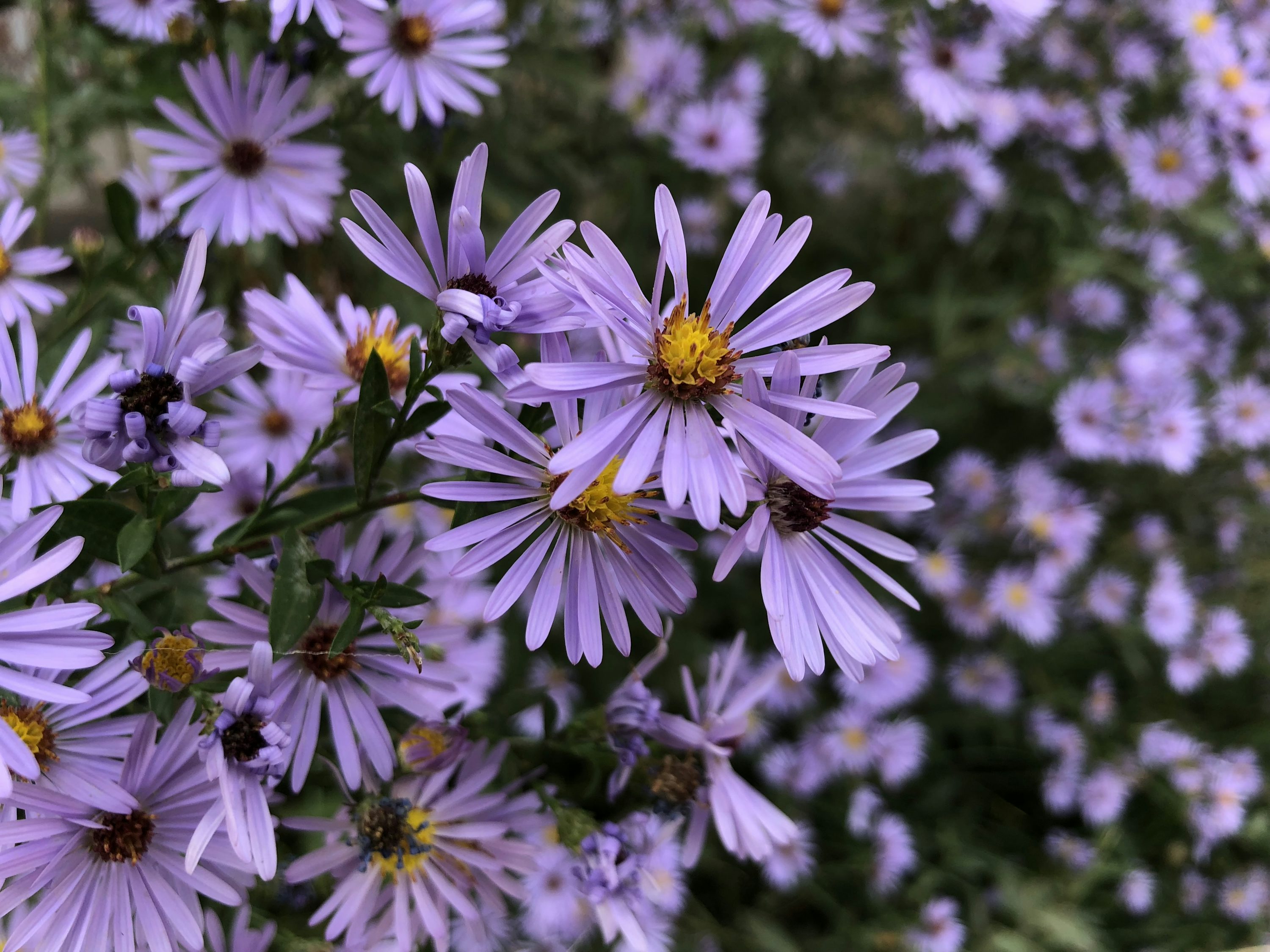
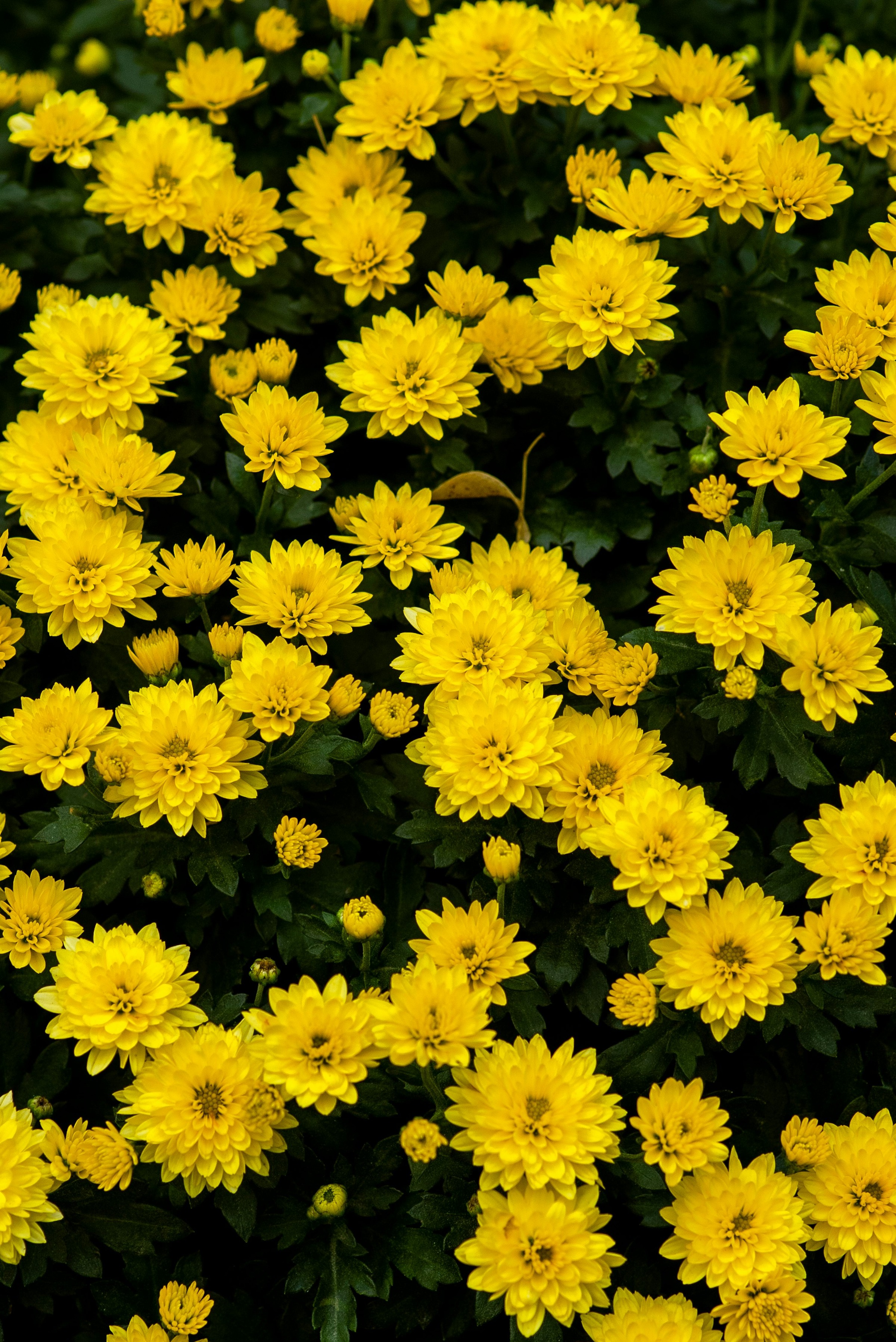
- Chrysanthemums, carnations, and baby's breath. Common bouquet fillers that can upset stomachs or irritate skin.
- Aloe, jade, peace lily, and pothos. Common houseplant gifts listed as toxic by the ASPCA.
See the full references for plants toxic to cats and plants toxic to dogs.
🌱 Get Personalized Plant Picks
Answer a few quick questions and we’ll match plants to your exact yard conditions.
Find My Plants →Safer potted plants to give
- Moth orchid (Phalaenopsis): elegant, long blooming, and non toxic per the ASPCA. See orchid care after a gift.
- African violet: compact, flowers on and off all year, non toxic.
- Bromeliads: colorful, long lasting bracts, non toxic.
- Prayer plant and calathea: patterned leaves, non toxic.
- Hoya: waxy, fragrant flowers, non toxic; see hoya care.
- Miniature rose: non toxic, though thorny; see miniature rose care indoors.
- Spider plant, Boston fern, and parlor palm: easy foliage gifts, all non toxic.
Shop pet smart display gear on Amazon
Ceiling hooks to hang plants out of reach, a tall tiered stand for shelves pets cannot climb, and deep saucers so pets do not drink runoff. We may earn a commission at no extra cost to you.
Amazon · Ceiling plant hooks Amazon · Tiered plant stand Amazon · Plant saucers
Safer cut flowers
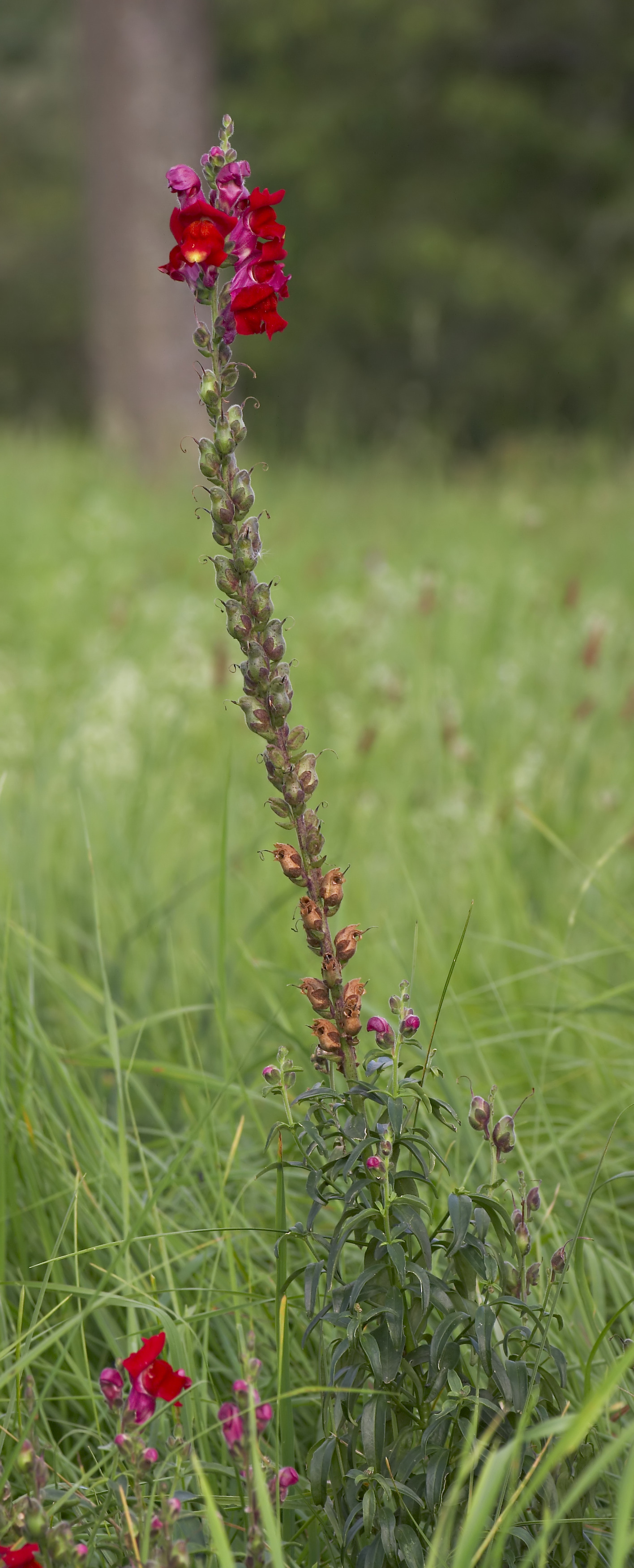
Roses, sunflowers, gerbera daisies, snapdragons, and orchids are listed as non toxic by the ASPCA. Even so, a bouquet is rarely just one flower. Florists often tuck in lilies, baby's breath, carnations, eucalyptus, or chrysanthemums. When you order, ask for a lily free arrangement, and when you receive one, look it over and remove anything you are not sure about.
Watch the extras, too. Flower food packets, floral foam, ribbon, cellophane, and the vase water itself can all cause problems if a pet eats or drinks them. Keep vases where pets cannot reach them, toss used flower food packets, and cut off ribbons before a cat finds them.
Giving a plant to someone with pets
Ask about pets before you choose, or pick from the safer list above. Add a short tag with the plant's name, including the botanical name, so the recipient can look it up. If you bring a mixed gift basket, make sure every plant in it is safe, since one toxic plant hidden in a basket is easy to miss.
Making a home with pets safer for any gift
Even non toxic plants can cause vomiting if a pet eats enough. Hang plants from ceiling hooks or set them on tall stands in rooms pets do not use, and label anything toxic so guests and sitters know. Bitter sprays and double sided tape on shelves help train curious cats. Newly arrived plants are the most tempting, so watch pets closely for the first few days.
Shop safer setup supplies on Amazon
Waterproof labels to mark which plants are toxic, flameless candles for tables pets can reach, gloves for handling sap and pollen, and fresh potting mix. We may earn a commission at no extra cost to you.
Amazon · Waterproof plant labels Amazon · Flameless candles Amazon · Disposable nitrile gloves Amazon · Indoor potting mix
Safety notes
Mount ceiling hooks into a joist or rated anchor and use a step stool, not a chair, to hang plants. Candles on tables near flowers get knocked over by tails and paws; flameless candles avoid the burn and fire risk. Wear gloves if you trim plants with irritating sap or shed pollen, and wash your hands afterward.
Pet notes
Lilies are an emergency for cats: if a cat chews any part of a lily, licks the pollen, or drinks the vase water, call a veterinarian right away. Early treatment greatly improves the outcome. For any plant or flower a pet has eaten, call your veterinarian or the ASPCA Animal Poison Control Center at (888) 426-4435, and bring the plant or a photo of it. Plant toxicity lists like the ASPCA's are not all inclusive, so when in doubt, keep the plant out of reach. See what to do if a cat eats a plant, what to do if a dog eats a plant, and are daylilies safe for cats.
Bottom line
Skip lilies for any home with a cat, avoid potted bulbs, azaleas, cyclamen, and kalanchoe for pet homes, and choose orchids, African violets, bromeliads, prayer plants, hoyas, roses, or sunflowers instead. Check bouquets for hidden fillers, and keep even safe plants out of reach.
Related reading
- Plants toxic to cats
- Plants toxic to dogs
- Orchid care after a gift
- Gift plant acclimation after purchase
Ready to match plants to your location? Try the PlantWise Plant Finder →