Are Daylilies Safe for Cats? (Critical Warning)
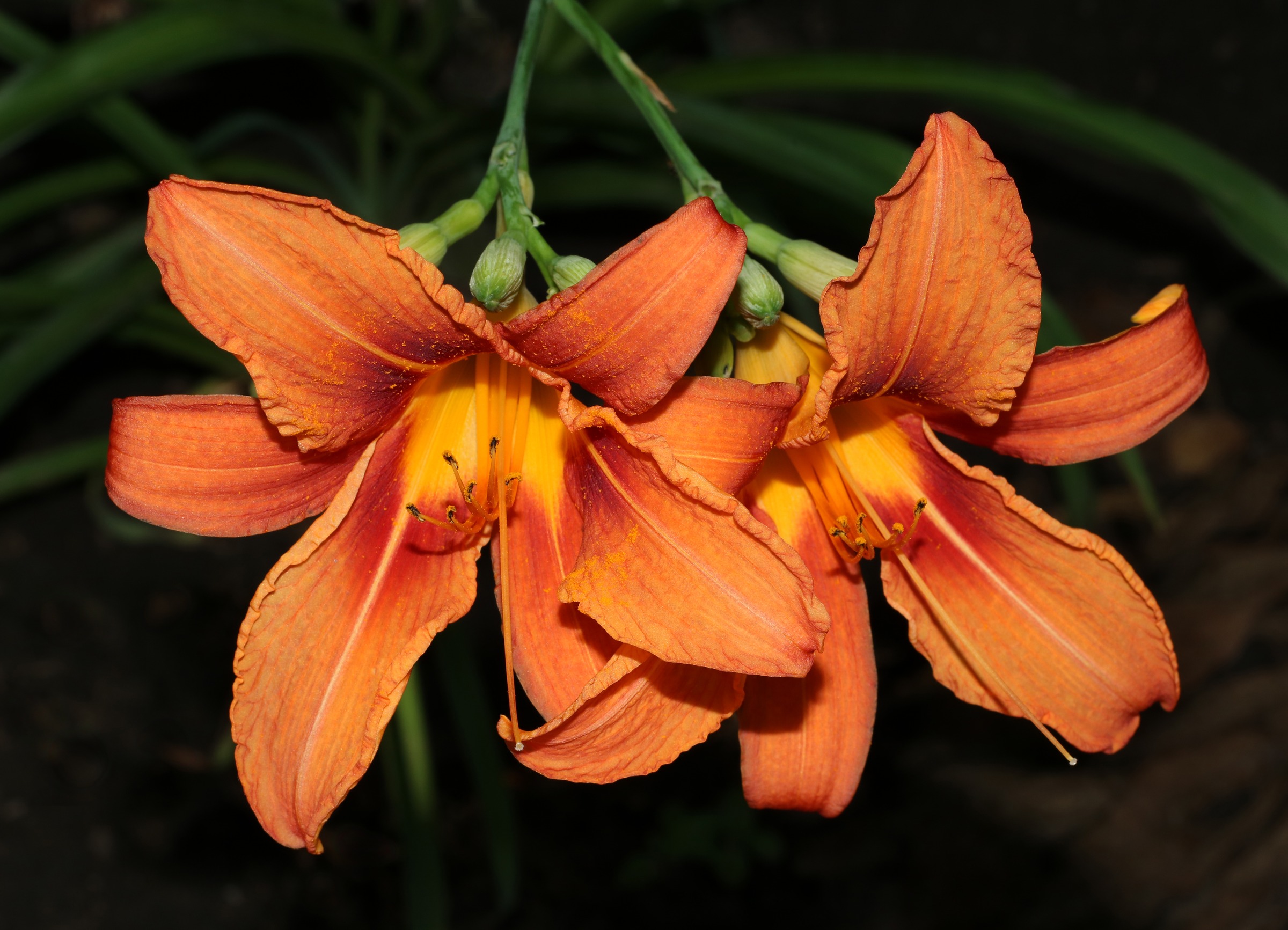
No, daylilies are absolutely not safe for cats and are, in fact, extremely toxic. This is a critical warning for all cat owners: even a small amount of any part of a daylily plant - including the leaves, flowers, pollen, or even the water from a vase containing cut daylilies - can cause severe, acute kidney failure in felines. Ingesting daylily material is a veterinary emergency that requires immediate attention, as it can be fatal if not treated promptly and aggressively. It's crucial for cat owners to understand this danger and take precautions to prevent exposure.
🌱 Get Personalized Plant Picks
Answer a few quick questions and we’ll match plants to your exact yard conditions.
Find My Plants →Why Are Daylilies So Dangerous for Cats?
The exact toxic principle in daylilies (genus Hemerocallis) that causes kidney failure in cats is still unknown, but its effects are devastating. Unlike many other plants that might cause mild gastrointestinal upset, daylilies directly attack and damage a cat's kidneys, leading to acute renal failure. This means the kidneys, which are vital for filtering waste products from the blood, stop functioning properly.
Symptoms can appear within hours of ingestion and may include vomiting, lethargy, loss of appetite, increased or decreased urination, and dehydration. Without immediate veterinary intervention, kidney damage can become irreversible, leading to a grim prognosis. It's important to note that while daylilies are highly toxic to cats, they are generally considered to be of low toxicity to dogs and horses, though they may cause mild gastrointestinal upset. This species-specific toxicity makes them particularly insidious for cat owners.
What Symptoms Should I Look For If My Cat Ingests Daylily?
If you suspect your cat has ingested any part of a daylily, do not wait for symptoms to appear. Call the ASPCA Animal Poison Control Center immediately at (888) 426-4435. Even if you only see a bite mark on a leaf or pollen on their fur, it's safer to act quickly.
However, if symptoms do develop, they can include:
- Vomiting: Often one of the first signs, sometimes with plant material present.
- Lethargy and Weakness: Your cat may seem unusually tired, weak, or unresponsive.
- Anorexia: A complete loss of appetite.
- Dehydration: Indicated by sunken eyes, dry gums, and decreased skin elasticity.
- Changes in Urination: Initially, your cat might urinate more (polyuria) as the kidneys try to flush toxins, but this can quickly progress to decreased or absent urination (oliguria/anuria) as the kidneys fail.
- Increased Thirst: Due to the body trying to compensate for kidney dysfunction.
- Drooling: Can be a sign of nausea.
These symptoms typically appear within 2-12 hours of ingestion. The sooner treatment begins, the better the chances of recovery.
How Can I Prevent My Cat from Accessing Daylilies?
The best way to protect your cat is to ensure they have no access to daylilies whatsoever. This can be challenging, especially for outdoor or indoor/outdoor cats.
- Remove Daylilies from Your Yard: If you have cats and daylilies in your garden, the safest option is to remove all daylily plants. Dig them up completely, including the roots, and dispose of them securely where your cat cannot access them.
- Avoid Cut Flowers: Never bring cut daylilies into your home. Even the water in the vase can become toxic if pollen or plant sap leaches into it.
- Check Bouquets: Be vigilant when receiving floral arrangements. Many florists use daylilies or similar-looking lilies (which are also highly toxic to cats). Always inspect bouquets and remove any potentially dangerous plants before bringing them indoors.
- Supervise Outdoor Cats: If your cat goes outdoors, supervise them closely, especially if neighbors have daylilies. While difficult, try to train them to stay away from certain areas.
- Create a Cat-Safe Garden: Focus on planting cat-friendly alternatives in your garden. This not only removes the danger but also provides safe, enriching plants for your feline friend.
What Are Safe Alternatives to Daylilies for a Cat-Friendly Garden?
Creating a beautiful garden doesn't mean sacrificing your cat's safety. Many gorgeous, cat-friendly plants can provide similar aesthetic appeal to daylilies without the risk. When choosing plants, always double-check their toxicity status with reliable sources like the ASPCA.
Here are a few suggestions for cat-safe plants that can add color and texture to your garden:
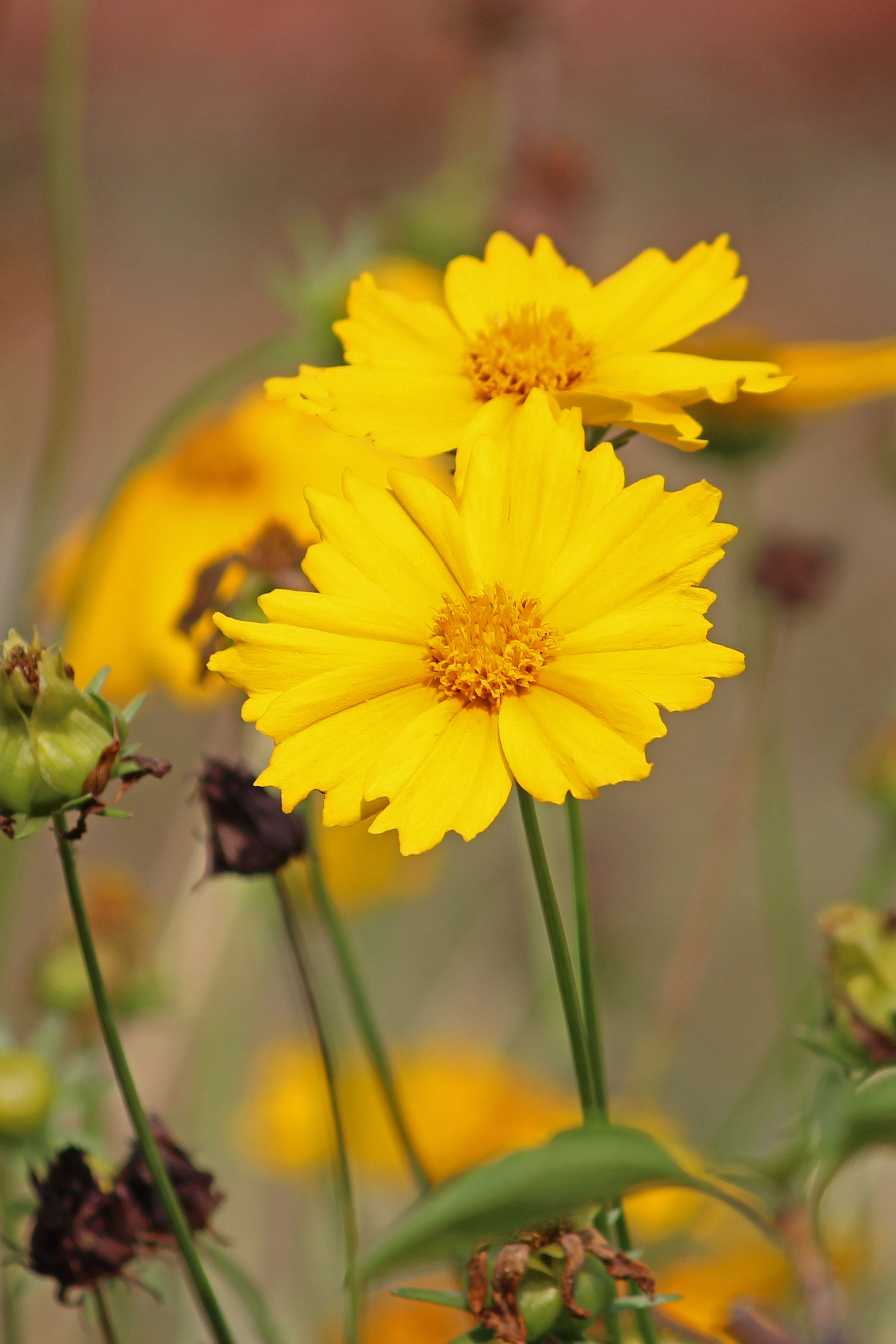
(Coreopsis):** These cheerful, daisy-like flowers come in shades of yellow, orange, and red. They are easy to grow and bloom profusely.
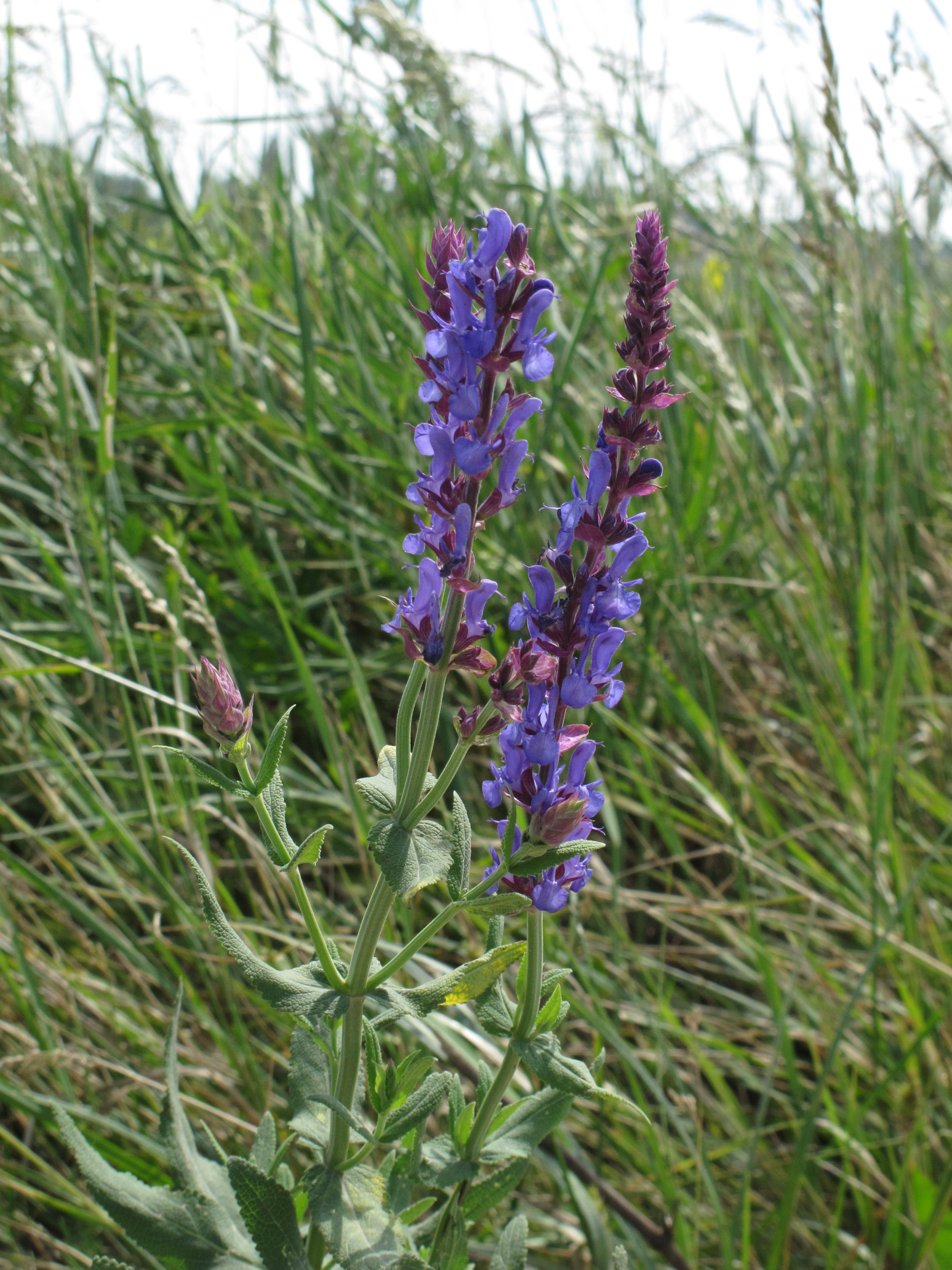
(Salvia):** A diverse genus offering a wide range of colors, sizes, and bloom times. Many salvias are drought-tolerant and attract pollinators.
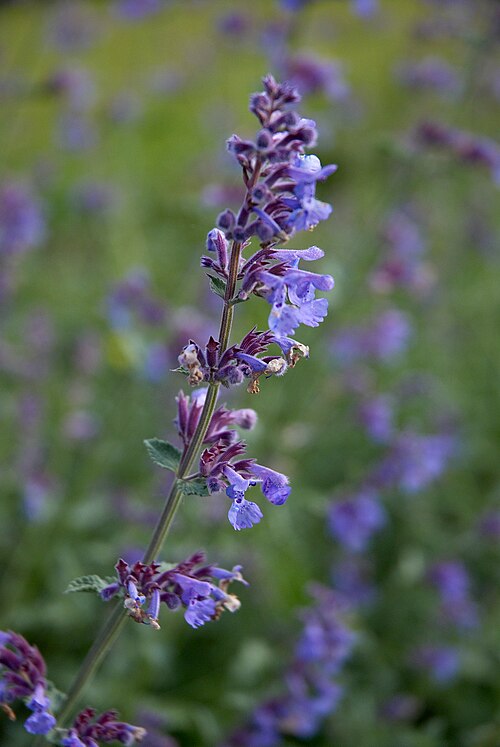
(Catmint):** As the name suggests, cats often enjoy this plant! It's a tough, drought-tolerant perennial with lovely lavender-blue flowers.
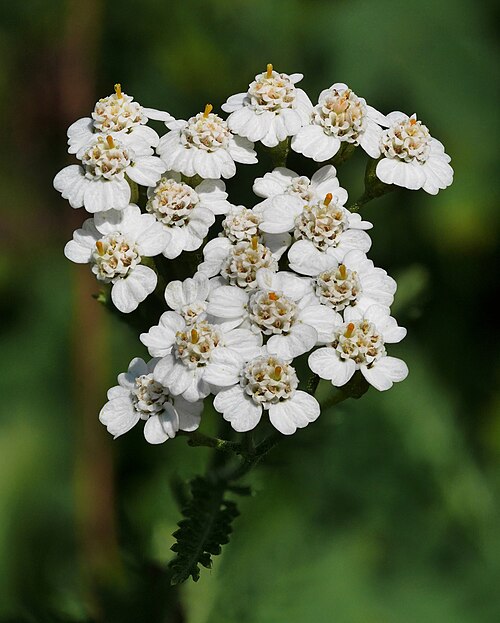
(Yarrow):** Known for its flat-topped clusters of flowers in various colors, yarrow is hardy and attracts beneficial insects.
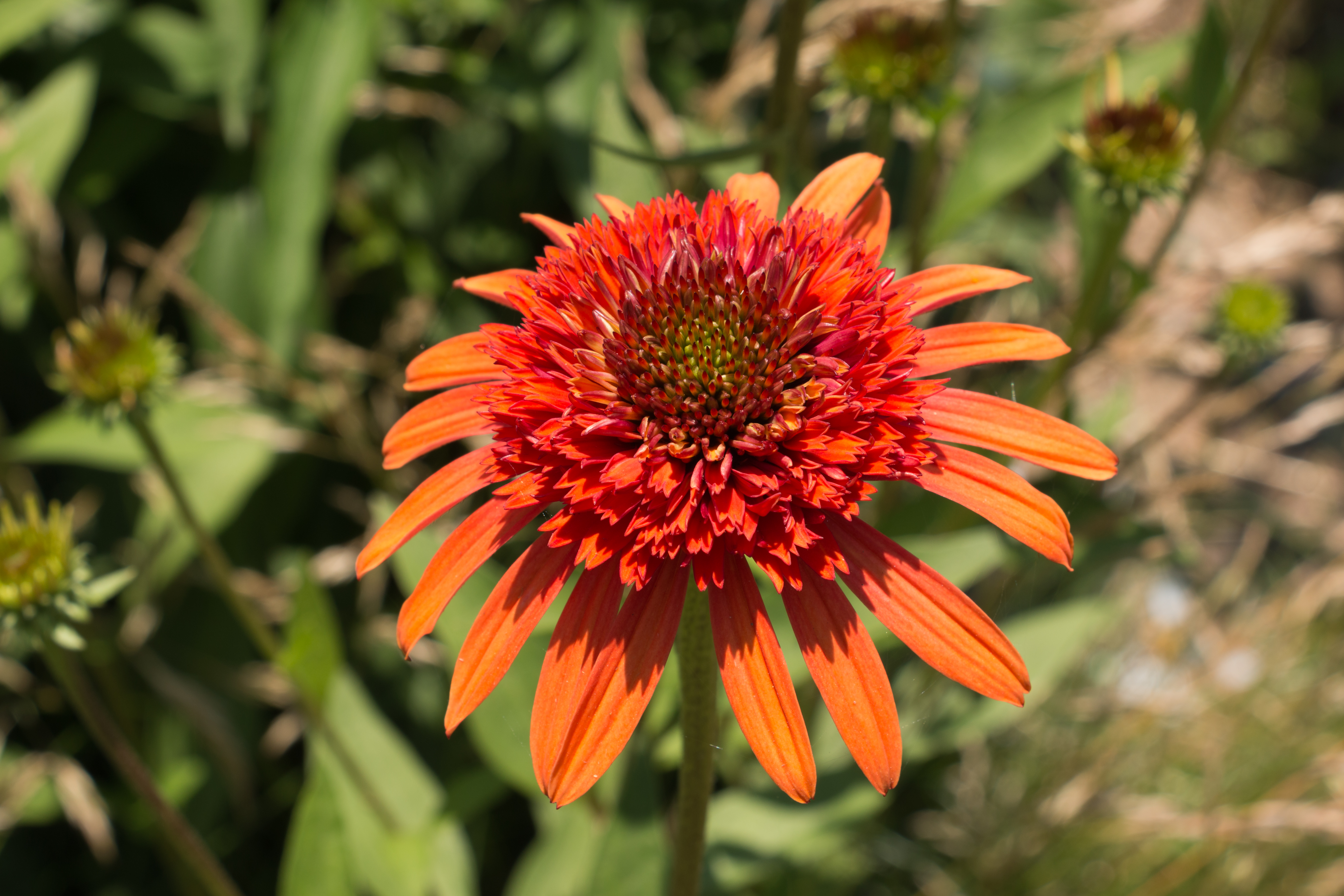
(Coneflower):** Iconic prairie plants with large, daisy-like flowers, typically purple but also available in white, yellow, and red.
When selecting plants, remember that "not listed as toxic" is the safest language to use, as "safe" or "non-toxic" can sometimes be misleading or not fully researched for all species.
Quick Reference: Daylilies and Cats
| Feature | Daylily (Hemerocallis spp.) |
|---|---|
| Toxicity to Cats | EXTREMELY TOXIC |
| Toxic Part(s) | All parts: leaves, flowers, stems, roots, pollen, vase water |
| Symptoms | Vomiting, lethargy, anorexia, increased/decreased urination, dehydration, kidney failure |
| Onset of Symptoms | 2-12 hours post-ingestion |
| Action Required | IMMEDIATE VETERINARY EMERGENCY |
| ASPCA Hotline | (888) 426-4435 |
The severe kidney damage caused by daylilies in cats makes them one of the most dangerous plants for feline companions. Prioritizing your cat's safety means being proactive about identifying and removing these plants from your home and garden. When in doubt about any plant, always err on the side of caution and consult your veterinarian or a pet poison control center.
Ready to find the perfect plants for your yard? Try the PlantWise Plant Finder →