Miniature roses need more light than almost any other potted plant, so give them the sunniest window you have, ideally 6 or more hours of direct sun, or a strong grow light. Keep the mix evenly moist but never soggy, raise humidity a little to keep spider mites away, snip off faded flowers, and plan to move the plant outdoors once frost danger has passed. Indoors for the long haul, most mini roses decline; outdoors in a sunny bed or pot, many grow into tough, reblooming shrubs.
Potted mini roses are sold everywhere, often as a dense pot of blooms. They are real roses, just bred small, and they behave like outdoor shrubs that are visiting the house. Treat them that way and they last far longer.
Why mini roses struggle indoors
- Low light. Even a bright room gets a fraction of outdoor sun. Weak light means fewer buds, pale leaves, and leaf drop.
- Dry air. Heated indoor air is a perfect home for spider mites, the most common indoor rose pest.
- Crowded pots. Many potted mini roses are several rooted cuttings packed into one pot to look full, which crowds roots and blocks airflow.
- Steady warmth. Roses like cool nights and a rest period, which most homes do not provide.
🌱 Get Personalized Plant Picks
Answer a few quick questions and we’ll match plants to your exact yard conditions.
Find My Plants →First week after you bring one home
Unwrap any foil or plastic sleeve so water drains and air can move. Set the pot in your sunniest window, a few inches back from cold glass. Check the mix daily for the first week, since a pot packed with roots dries quickly. Expect a few yellow leaves as the plant adjusts; see gift plant acclimation after purchase for the general steps.
Shop light and humidity gear on Amazon
A full spectrum grow light for a dim window, a humidity tray to slow spider mites, and clay pots with saucers that drain well. We may earn a commission at no extra cost to you.
Amazon · Full spectrum grow light Amazon · Pebble humidity tray Amazon · Clay pots with saucers
Light, water, and humidity
Light is the biggest factor. A south window is best. If you do not have one, run a full spectrum grow light about 12 to 16 hours a day, a few inches above the canopy; see grow light basics.
Water when the top inch of the mix feels dry, then water until it drains and empty the saucer. Mini roses wilt quickly when dry, but soggy roots lead to yellow leaves and root rot. Set the pot on a pebble humidity tray and keep it away from heating vents to slow down spider mites.
Deadheading, feeding, and dividing
Snip off faded flowers just above a leaf with five leaflets to encourage new buds. Feed with a balanced liquid fertilizer at half strength every few weeks while the plant is growing and blooming.
If the pot holds several crowded plants, you can carefully divide them into separate small pots once the flowers fade. Water well the day before, slide the root ball out, and gently tease apart the individual plants, keeping as much root as possible on each. Pot each in fresh container mix and keep them out of hot sun for a few days while they settle.
Pests and leaf problems
- Spider mites leave fine speckling on leaves and thin webbing under them. Rinse the plant in the shower, raise humidity, and treat with insecticidal soap; see spider mites in dry indoor heat.
- Aphids cluster on buds and new growth. Rinse them off or use insecticidal soap; see aphids on houseplants.
- Powdery mildew looks like white dust on leaves. Improve airflow, avoid wetting the leaves, and remove badly affected leaves.
Shop trimming and plant care supplies on Amazon
Sharp bypass shears for deadheading, an insecticidal soap for mites and aphids, long cuff gloves for thorny stems, and a container potting mix for repotting. We may earn a commission at no extra cost to you.
Amazon · Bypass pruning shears Amazon · Insecticidal soap Amazon · Thorn proof gloves Amazon · Container potting mix
Moving a mini rose outdoors
Once the danger of frost has passed in your area, harden the plant off by setting it outside in shade for a few hours, then gradually giving it more sun over a week or two. Plant it in a sunny bed or a larger container with good drainage. Many miniature roses are surprisingly cold hardy once established in the ground. Where winters are harsh, protect them as you would other roses; see rose protection in zones 4 to 6.
About the hyacinth half of the gift pot
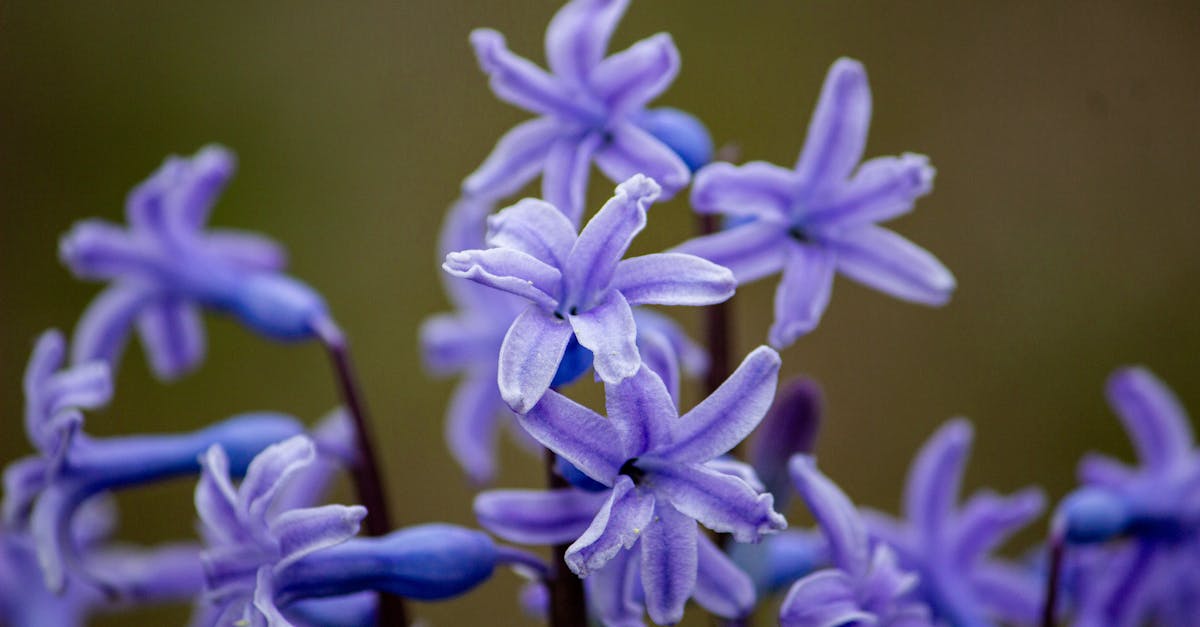
Mini roses are often sold alongside forced hyacinths. Those need very different care, covered in forcing hyacinths in jars and forced bulb timing for indoor bloom. Note that hyacinth bulbs are toxic to pets.
Safety notes
Mini roses have thorns. Wear long cuff gloves when dividing or trimming, and keep sharp shears closed and stored after use. Florist plants may have been treated with pesticides, so wash your hands after handling and do not eat the petals unless they are grown for food.
Pet notes
The ASPCA lists roses as non toxic to dogs and cats, although any plant can cause mild stomach upset if a pet eats a lot of it, and thorns can injure a curious mouth or paw. Keep rose pots out of reach of chewers and check for pesticide labels. Hyacinth bulbs, often sold in the same gift pots, are toxic. If a pet chews a plant and seems unwell, call your veterinarian or the ASPCA Animal Poison Control Center at (888) 426-4435. See what to do if a dog eats a plant.
Bottom line
Give a mini rose the most sun you can, keep the mix evenly moist, watch for spider mites, and deadhead often. When frost danger passes, move it outdoors, where it can grow into a hardy, reblooming shrub.
Related reading
- Spider mites in dry indoor heat
- Grow light basics for houseplants
- Forcing hyacinths in jars
- Hoya care: wax plant light, watering, and blooms
Ready to match plants to your location? Try the PlantWise Plant Finder →