Seasonal Planting Calendar: What to Do and When
Understanding a seasonal planting calendar is key to a thriving garden. By knowing what tasks to tackle in spring, summer, fall, and winter, you can ensure your plants get the care they need at the right time, leading to healthier growth, abundant blooms, and a more resilient landscape. This guide will walk you through essential gardening activities throughout the year, helping you plan your efforts for maximum impact and enjoyment.
🌱 Get Personalized Plant Picks
Answer a few quick questions and we’ll match plants to your exact yard conditions.
Find My Plants →Spring: The Season of New Beginnings
Spring is a time of renewed energy in the garden. As temperatures rise and daylight hours lengthen, plants emerge from dormancy, and it's time to prepare for a season of growth and bloom.
Key Tasks:
- Clean Up: Start by clearing away any lingering winter debris like fallen leaves, dead annuals, and broken branches. This helps prevent disease and pest issues.
- Soil Preparation: Once the soil is workable (not too wet), amend it with compost or other organic matter. This improves soil structure, drainage, and nutrient content, giving new plantings a strong start.
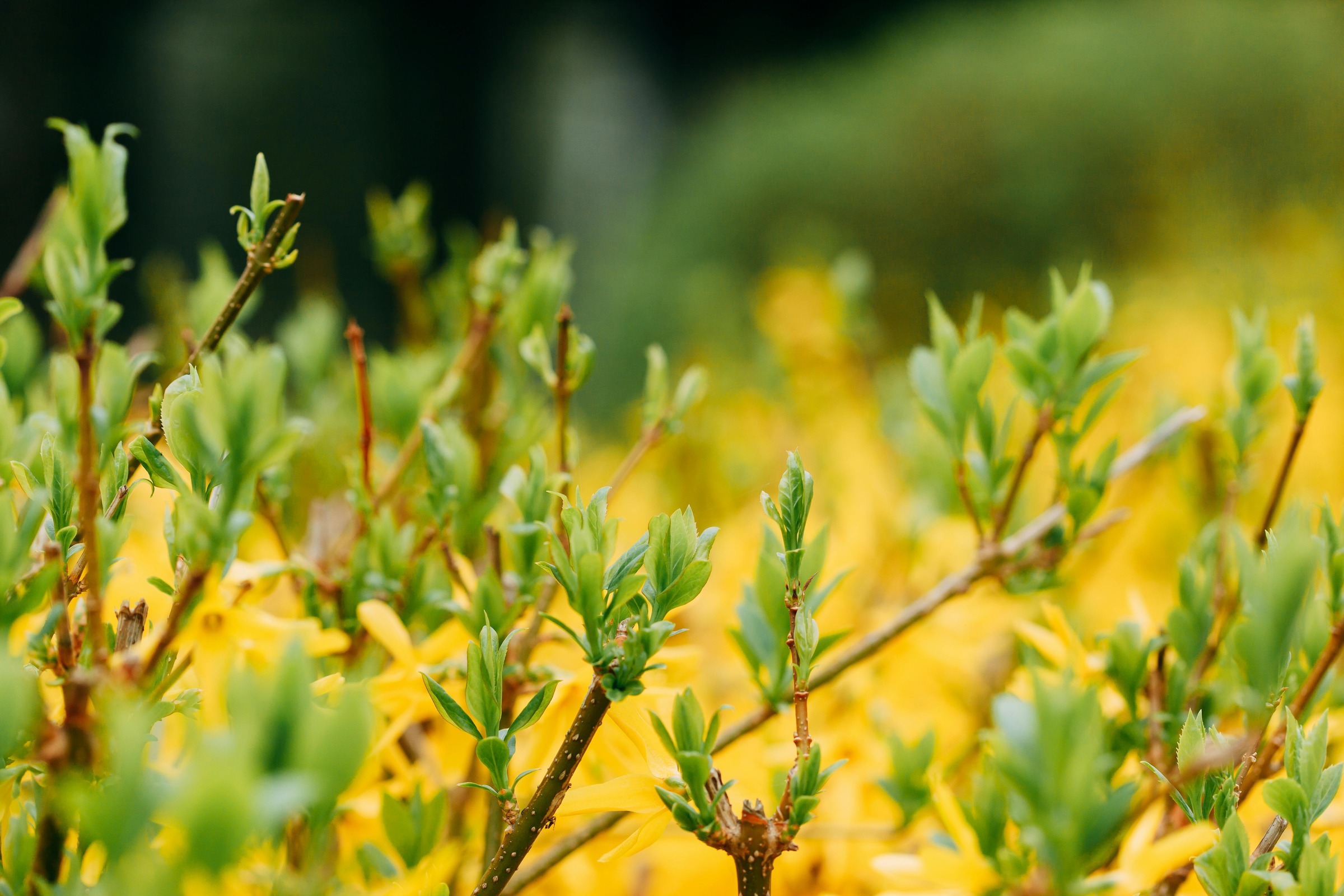
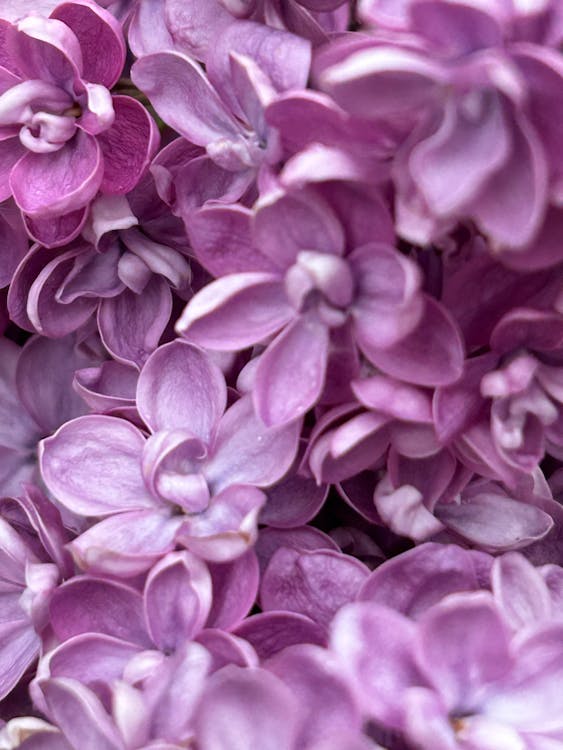
- Pruning: Prune dormant trees and shrubs before new growth begins. For spring-flowering shrubs (like lilacs or forsythia), wait until after they finish blooming to avoid cutting off flower buds. Remove any dead, damaged, or diseased branches.
- Planting:
- Cool-Season Vegetables: Plant seeds or starts for lettuce, spinach, peas, radishes, carrots, and kale as soon as the soil can be worked.
- Perennials: Early spring is an excellent time to plant or divide many perennials, giving them ample time to establish before summer heat.
- Trees and Shrubs: Plant new trees and shrubs to allow their root systems to develop before summer stress.
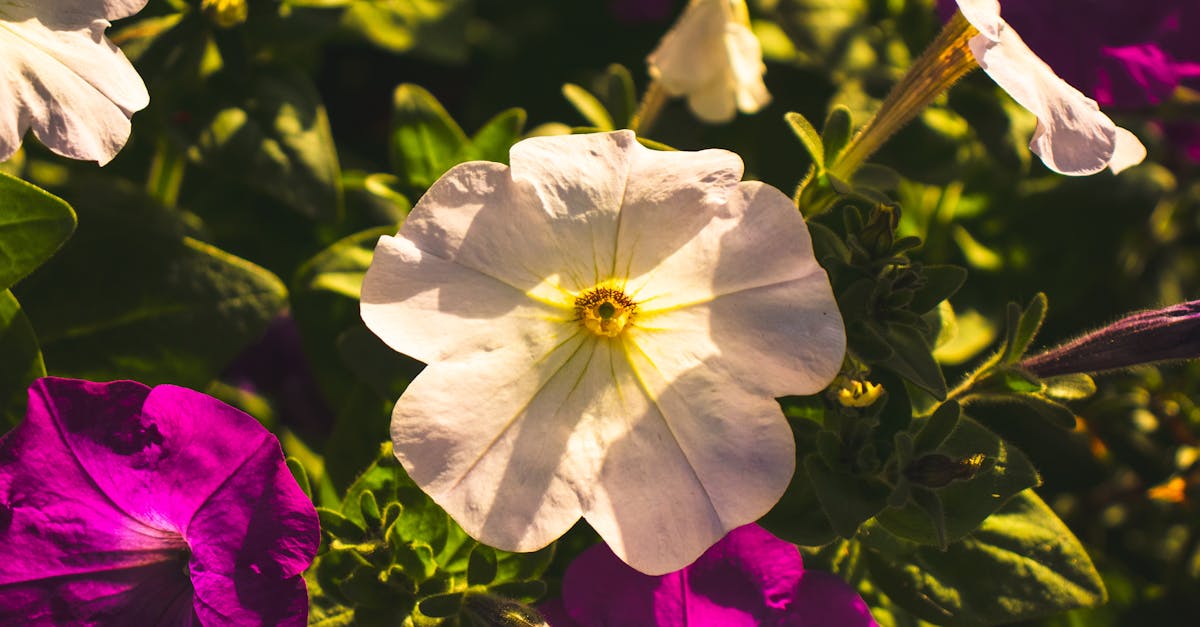
- Annuals (after last frost): Once the danger of frost has passed, you can plant warm-season annuals like petunias, impatiens, and marigolds.
- Fertilizing: Lightly fertilize established perennials, trees, and shrubs as new growth appears. Use a balanced, slow-release fertilizer.
- Pest and Disease Watch: Be vigilant for early signs of pests or diseases as plants emerge. Address issues promptly with organic solutions where possible.
Summer: Nurturing Growth and Enjoying Blooms
Summer is when your garden truly shines, but it also requires consistent care to keep plants healthy through heat and potential dry spells.
Key Tasks:
- Watering: This is crucial! Water deeply and regularly, especially during dry periods. Early morning is the best time to water to minimize evaporation and allow foliage to dry before nightfall, reducing disease risk.
- Weeding: Stay on top of weeds, which compete with your plants for water and nutrients. Mulching can significantly reduce weed growth.
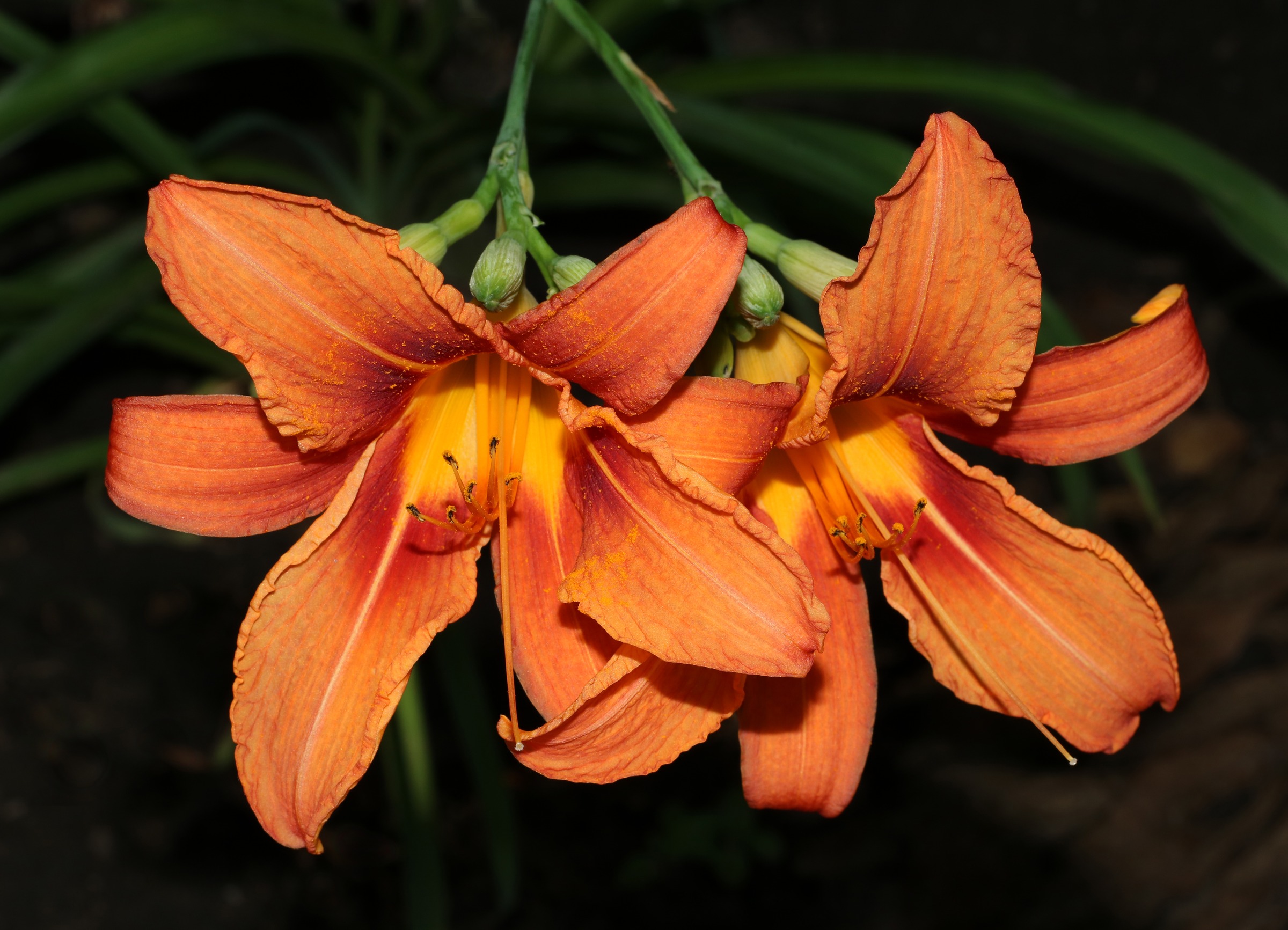
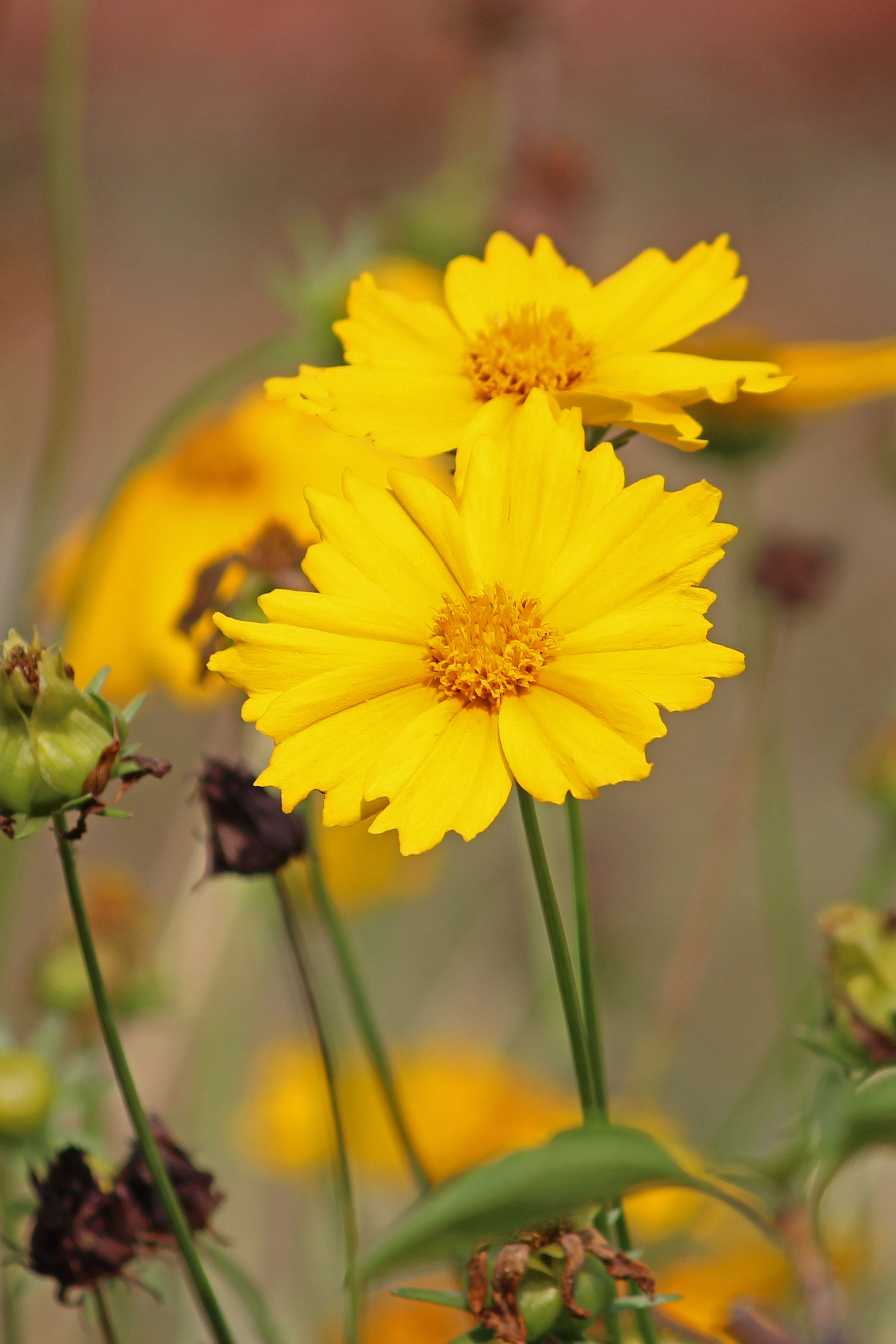
- Deadheading: Remove spent flowers from annuals and many perennials (like Daylily and Coreopsis) to encourage more blooms and prevent plants from putting energy into seed production.
- Pest and Disease Management: Continue monitoring for pests and diseases. Treat as needed, prioritizing integrated pest management (IPM) strategies.
- Fertilizing: Provide supplemental feeding for heavy feeders like container plants, annuals, and fruiting vegetables.
- Harvesting: Regularly harvest vegetables and fruits to encourage further production.
- Pruning: Prune summer-flowering shrubs after they bloom. Lightly prune evergreens to maintain shape.
Fall: Preparing for Winter's Rest
Fall is a time for winding down and preparing your garden for dormancy. Thoughtful fall tasks will set your garden up for success next spring.
Key Tasks:
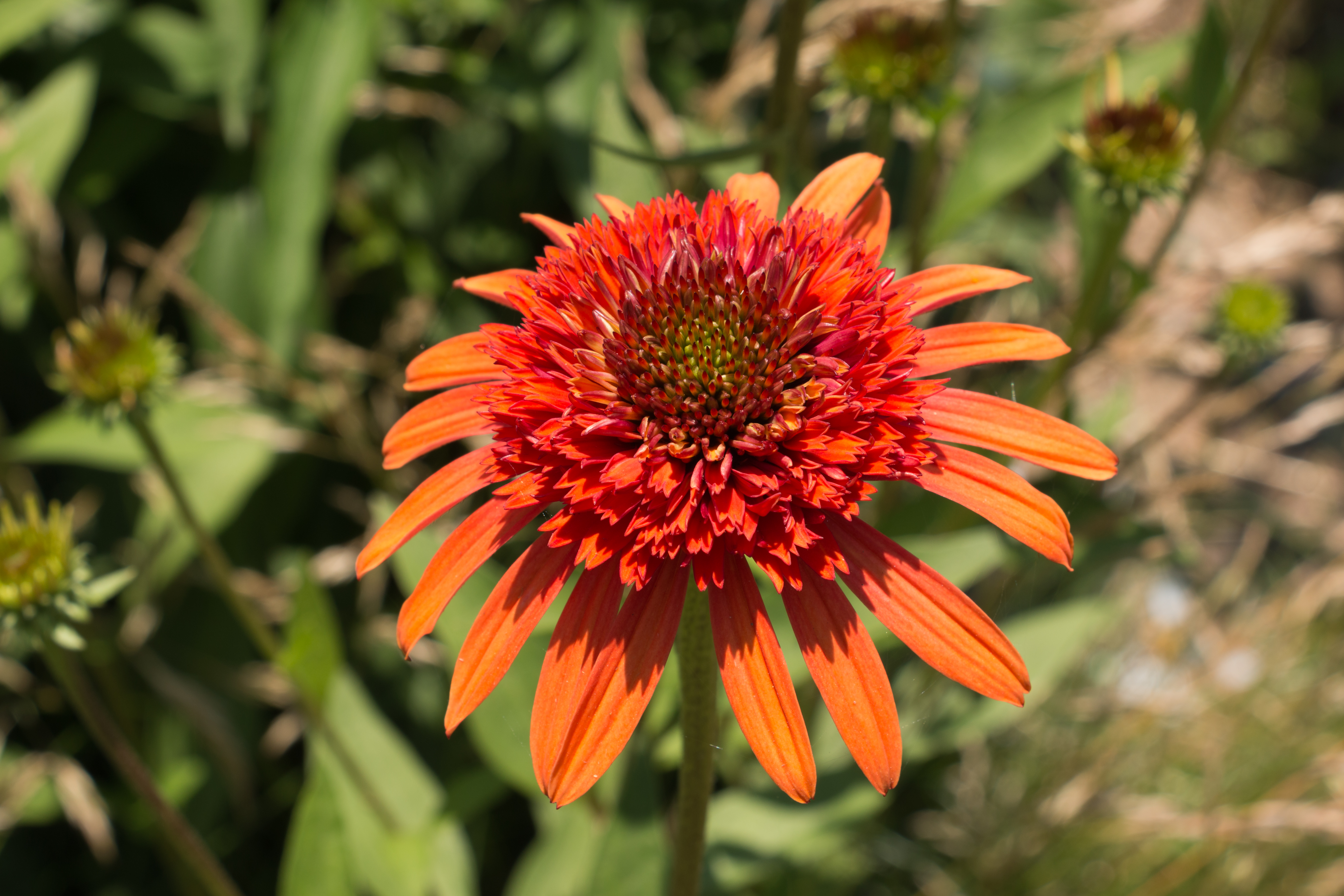
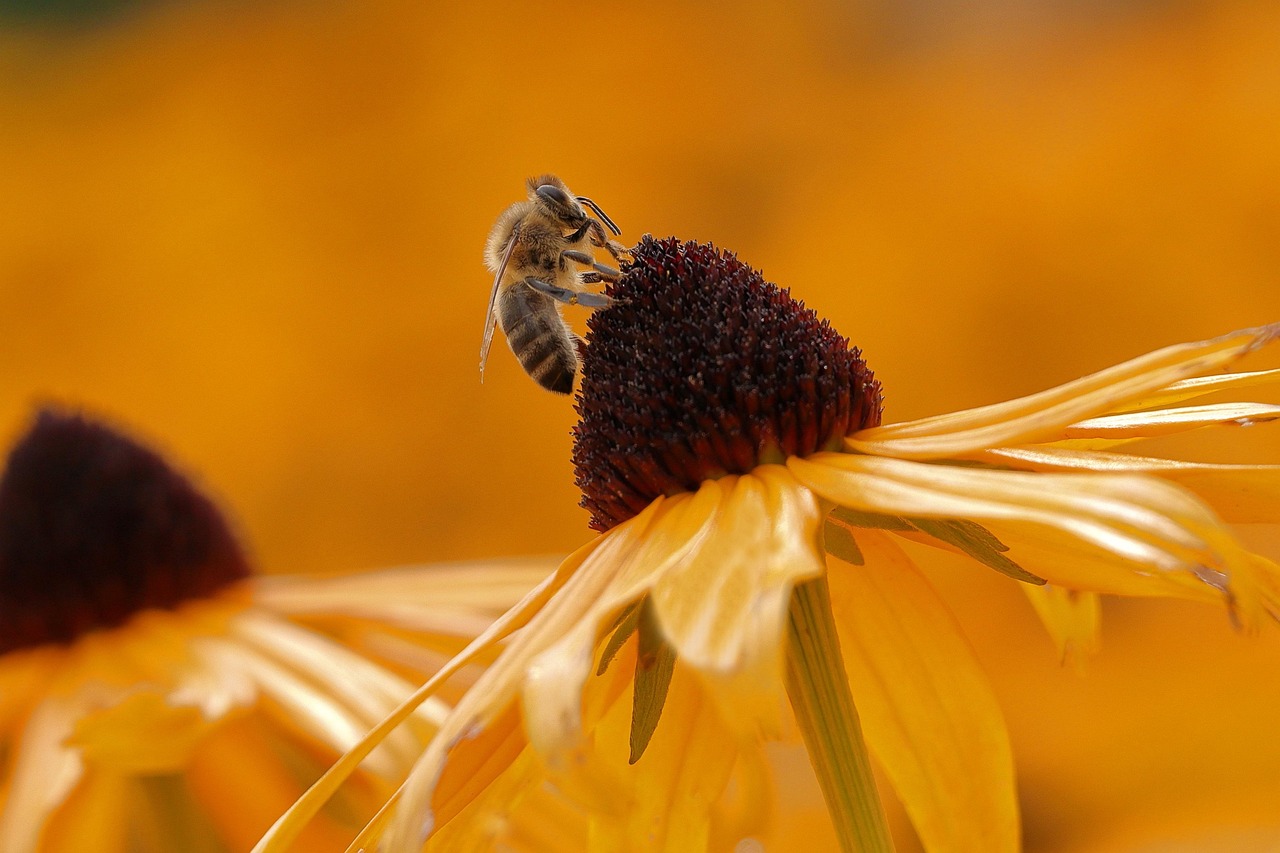
- Clean Up (Again!): Remove spent annuals, diseased plant material, and fallen leaves. A clean garden bed helps reduce overwintering pests and diseases. However, consider leaving some seed heads (like Coneflower or Black-eyed Susan) for winter interest and bird food.
- Planting:
- Spring-Flowering Bulbs: Plant tulips, daffodils, crocus, and hyacinths before the ground freezes.
- Cool-Season Vegetables: In many regions, you can plant a second round of cool-season crops like lettuce, spinach, and kale.
- Perennials, Trees, and Shrubs: Fall is an excellent time to plant these, giving them time to establish roots before winter and be ready for spring growth.
- Soil Amendment: Add a fresh layer of compost or well-rotted manure to garden beds. This enriches the soil over winter.
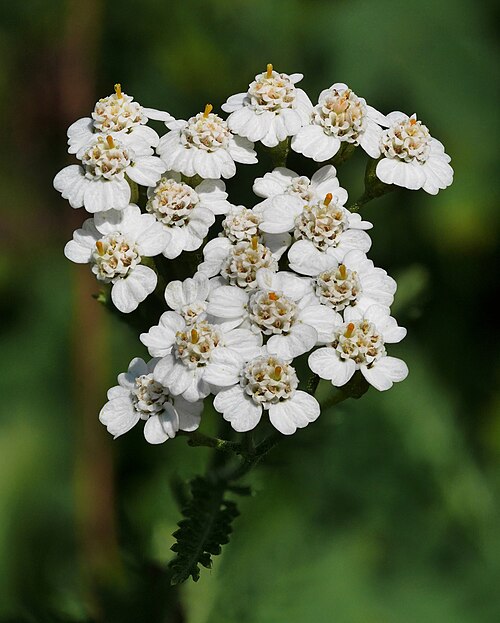
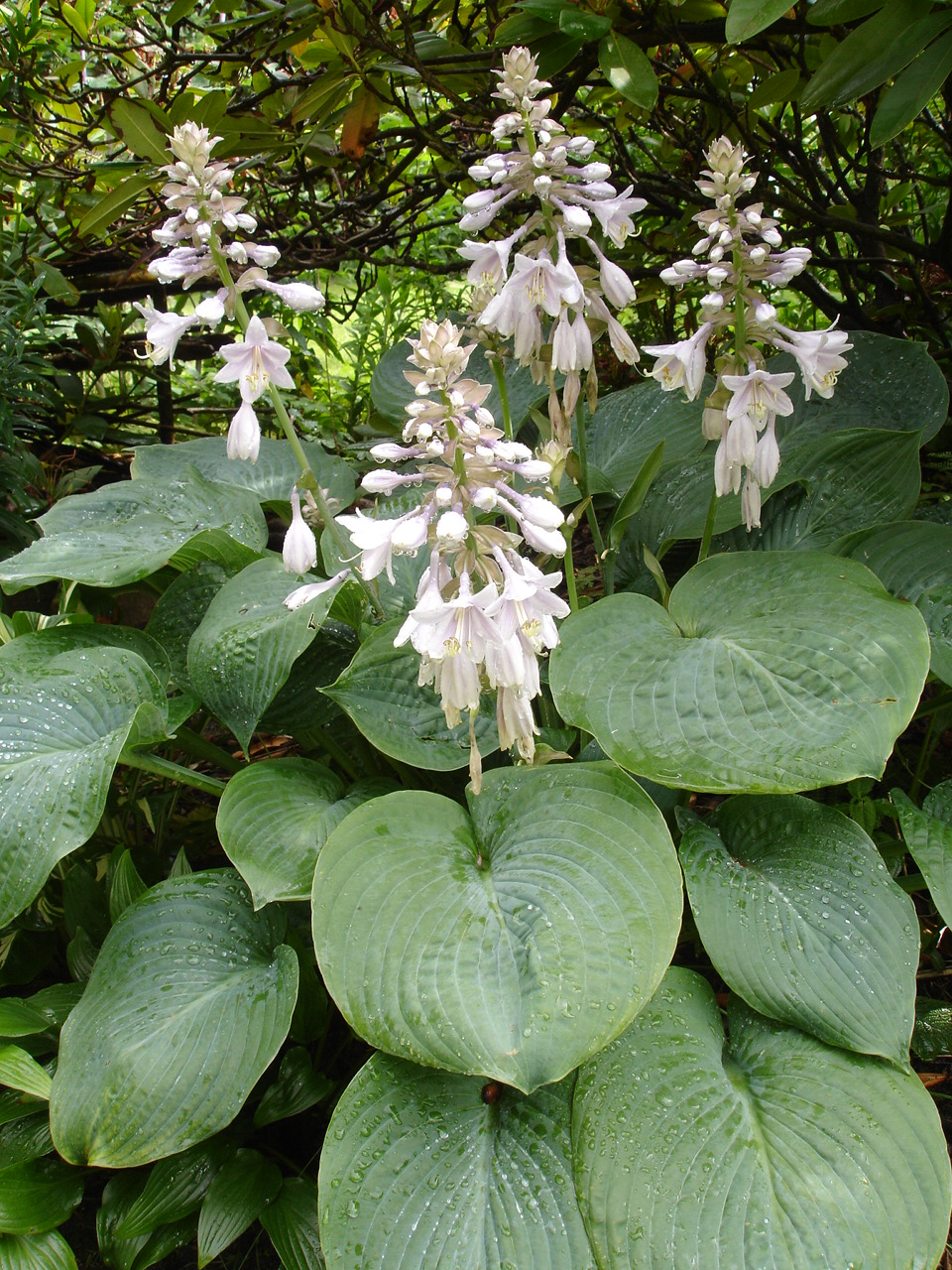
- Dividing Perennials: Divide overcrowded perennials like hostas, daylilies, and Yarrow once they've finished blooming.
- Winter Protection:
- Mulching: Apply a fresh 2-4 inch layer of mulch around perennials, trees, and shrubs to insulate roots and protect against fluctuating winter temperatures.
- Protect Tender Plants: Bring tender container plants indoors before the first hard frost.
- Wrap Young Trees: Protect young tree trunks from sunscald and rodent damage.
- Watering: Continue watering trees and shrubs until the ground freezes, especially evergreens, to prevent winter desiccation.
- Tool Maintenance: Clean, sharpen, and oil your gardening tools before storing them for winter.
Winter: Rest, Planning, and Minor Maintenance
Winter might seem like a quiet time in the garden, but there are still important tasks to ensure its health and to plan for the upcoming growing season.
Key Tasks:
- Planning and Design: This is the perfect time to review your garden's performance from the past year. What worked? What didn't? Research new plants, sketch out new garden beds, and plan your vegetable rotations.
- Tool Maintenance: If you didn't get to it in fall, clean, sharpen, and oil all your gardening tools.
- Seed Starting (Indoors): For many plants, late winter is when you'll begin sowing seeds indoors for an early start on the growing season. Check seed packets for specific timing.
- Pruning:
- Dormant Pruning: Prune dormant deciduous trees and shrubs (those that lose their leaves) to remove dead or damaged branches, improve structure, and control size. Avoid pruning spring-flowering shrubs now, as you'd remove their flower buds.
- Evergreens: Lightly prune evergreens if needed for shape, but avoid heavy pruning.
- Monitoring: Check on stored bulbs, tubers, and indoor plants. Adjust watering and light as needed.
- Bird Feeding: Provide food and water for winter birds, which can also help with pest control later in the season.
Quick Reference: Seasonal Planting Calendar
| Season | Key Activities and other perennials for a final burst of color.
- Mulch: Apply a fresh layer of mulch around trees and shrubs to help regulate soil temperature and conserve moisture.
- Tool Maintenance: Clean and sharpen tools before storing them for the winter.
- Winter Protection: For tender plants, consider adding a layer of straw or pine boughs for extra insulation.
This seasonal planting calendar is a general guide; always adjust based on your specific climate, local weather patterns, and the specific needs of your plants.
Related: Seed catalog planning for the garden
Ready to find the perfect plants for your yard? Try the PlantWise Plant Finder →