Best Plants for a Monarch Butterfly Garden
Creating a monarch butterfly garden is a rewarding way to support these iconic pollinators through their incredible life cycle. The best plants for a monarch garden are a combination of milkweed species (their essential host plant) and a diverse array of nectar-rich flowering plants that bloom from spring through fall. By providing both food for caterpillars and fuel for adult butterflies, you can create a vibrant habitat that helps monarchs thrive, whether they are laying eggs, growing, or migrating.
🌱 Get Personalized Plant Picks
Answer a few quick questions and we’ll match plants to your exact yard conditions.
Find My Plants →Why Are Monarch Butterfly Gardens So Important?
Monarch butterflies ( Danae plexippus ) are one of North America's most recognizable and beloved insects, famous for their striking orange and black wings and their epic annual migration. However, monarch populations have faced significant declines in recent decades due to habitat loss, pesticide use, and climate change. One of the most critical factors is the reduction of milkweed, the only plant monarch caterpillars can eat.
By planting a monarch garden, you're not just adding beauty to your yard; you're providing vital resources:
- Host Plants: Milkweed is the sole food source for monarch caterpillars. Without it, they cannot complete their life cycle.
- Nectar Plants: Adult monarchs need a continuous supply of nectar from a variety of flowers to fuel their daily activities, reproduction, and the long migration south.
- Shelter: Dense foliage can offer protection from predators and harsh weather.
- Water Source: A shallow water source with landing spots can also be beneficial.
Every monarch garden, no matter how small, contributes to a larger network of habitats that helps these magnificent creatures survive and flourish.
What Are the Essential Plants for Monarch Caterpillars and Adults?
To successfully support monarchs, your garden needs to cater to both their larval (caterpillar) and adult (butterfly) stages. This means incorporating two main types of plants: host plants and nectar plants.
1. Host Plants: Milkweed ( Asclepias species)
Milkweed is non-negotiable for a monarch garden. Monarch butterflies exclusively lay their eggs on milkweed, and the emerging caterpillars feed solely on its leaves. There are many native milkweed species, and choosing one native to your region is crucial for the best results.
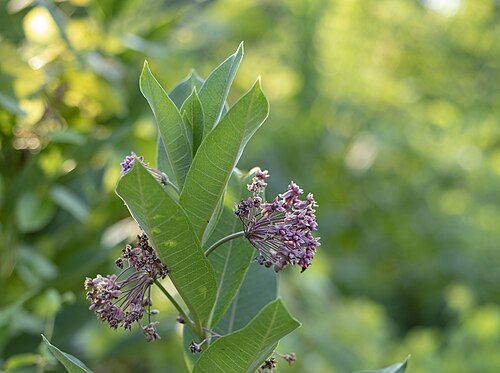
- Common Milkweed ( Asclepias syriaca ): A vigorous, spreading species, great for larger areas.
- Swamp Milkweed ( Asclepias incarnata ): Prefers moist to wet soils, beautiful pink flowers.
- Butterfly Milkweed ( Asclepias tuberosa ): A clumping species with bright orange flowers, tolerates drier conditions.
- Whorled Milkweed ( Asclepias verticillata ): Fine-textured leaves, good for smaller spaces.
- Tropical Milkweed ( Asclepias curassavica ): While popular, it's important to cut this back in fall in warm climates to prevent the buildup of a parasite (OE) that can harm monarchs and to discourage monarchs from overwintering instead of migrating.
A note on Tropical Milkweed: In USDA Zones 9 and warmer, tropical milkweed often doesn't die back in winter. This can lead to monarchs breeding year-round and an accumulation of Ophryocystis elektroscirrha (OE), a debilitating protozoan parasite. To mitigate this risk, always cut tropical milkweed plants back to about 6 inches in the fall (around October/November) in warm climates. This encourages monarchs to migrate and helps reduce OE levels.
2. Nectar Plants: Fuel for Adult Monarchs
Adult monarchs need a diverse buffet of nectar-rich flowers that bloom throughout the growing season, especially during late summer and fall to fuel their migration. Look for plants with flat-topped clusters of small flowers, as these provide easy landing pads and multiple nectar sources.
Here are some excellent choices for nectar plants:
Spring/Early Summer Bloomers:
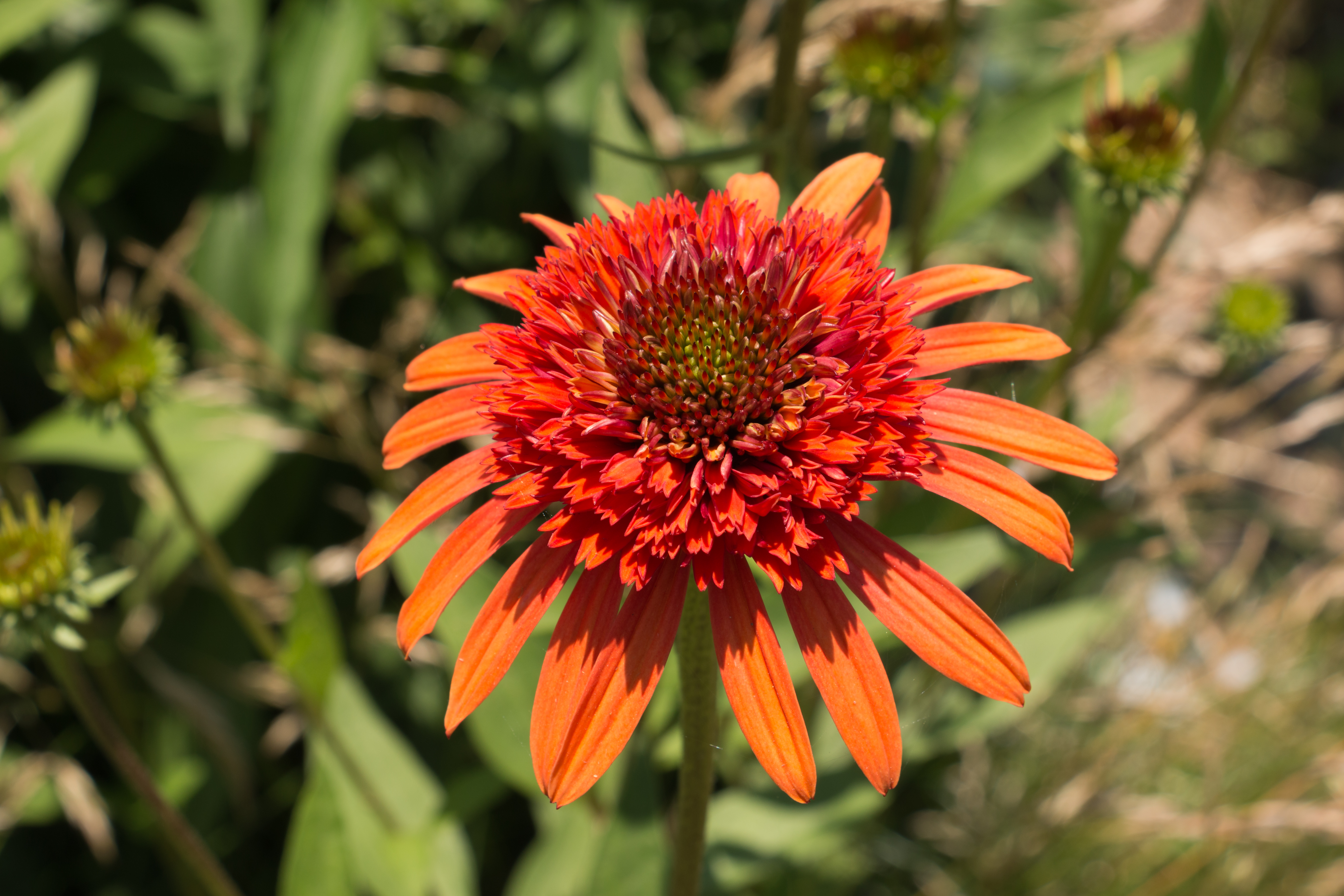
Coneflower ( Echinacea purpurea ): A classic pollinator favorite with sturdy, daisy-like flowers.
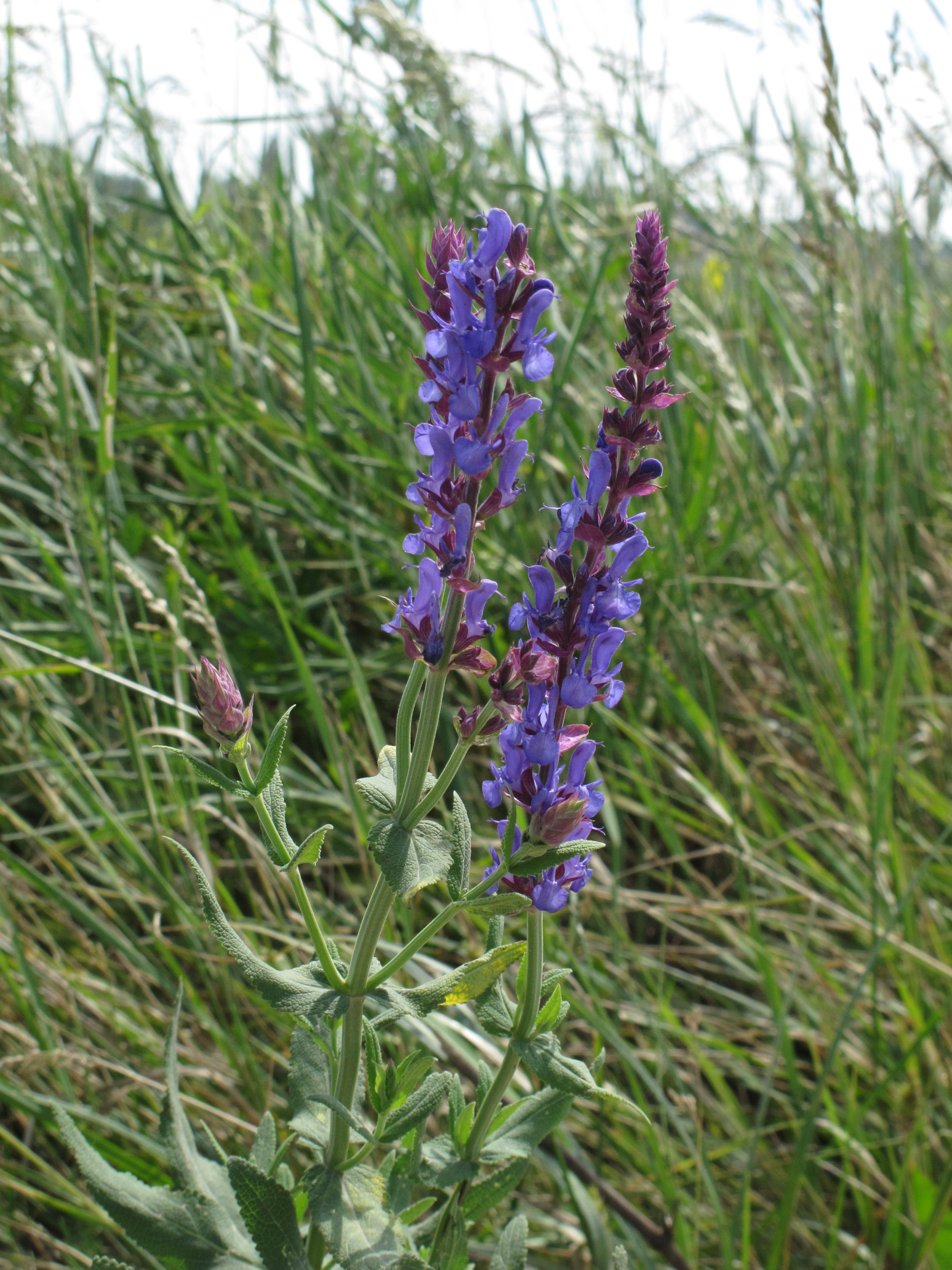
Salvia ( Salvia species): Many varieties offer spikes of purple, blue, or red flowers.
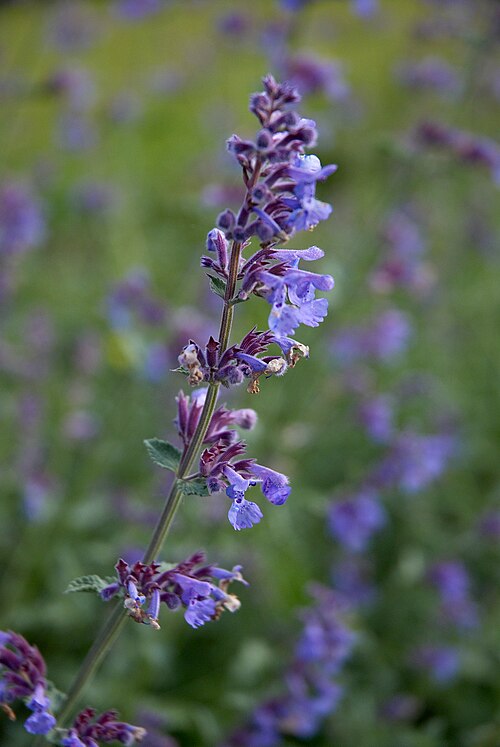
Catmint ( Nepeta species): Long-lasting purple blooms loved by many pollinators.
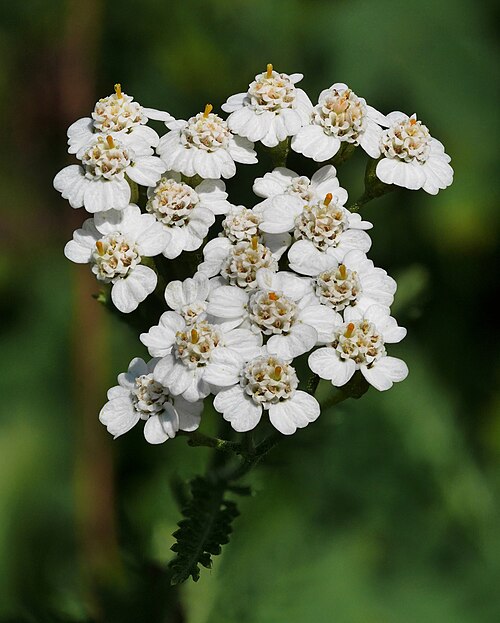
Yarrow ( Achillea millefolium ): Flat-topped flower clusters in various colors.
Mid-Summer Bloomers:
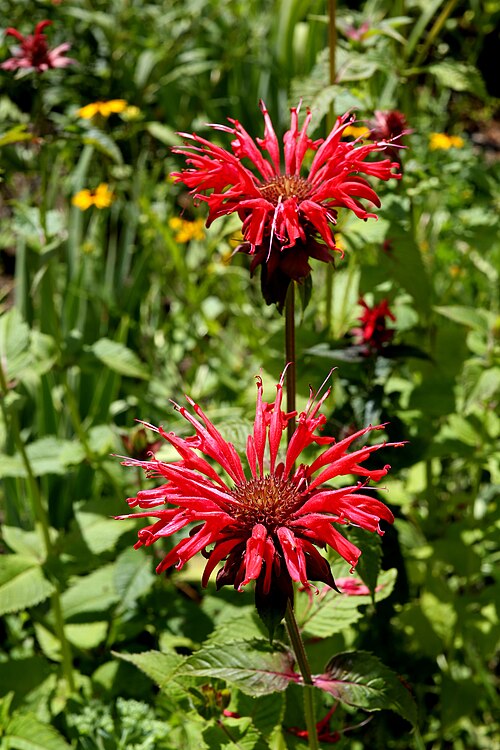
Bee Balm ( Monarda species): Unique, shaggy flowers that are a monarch magnet.
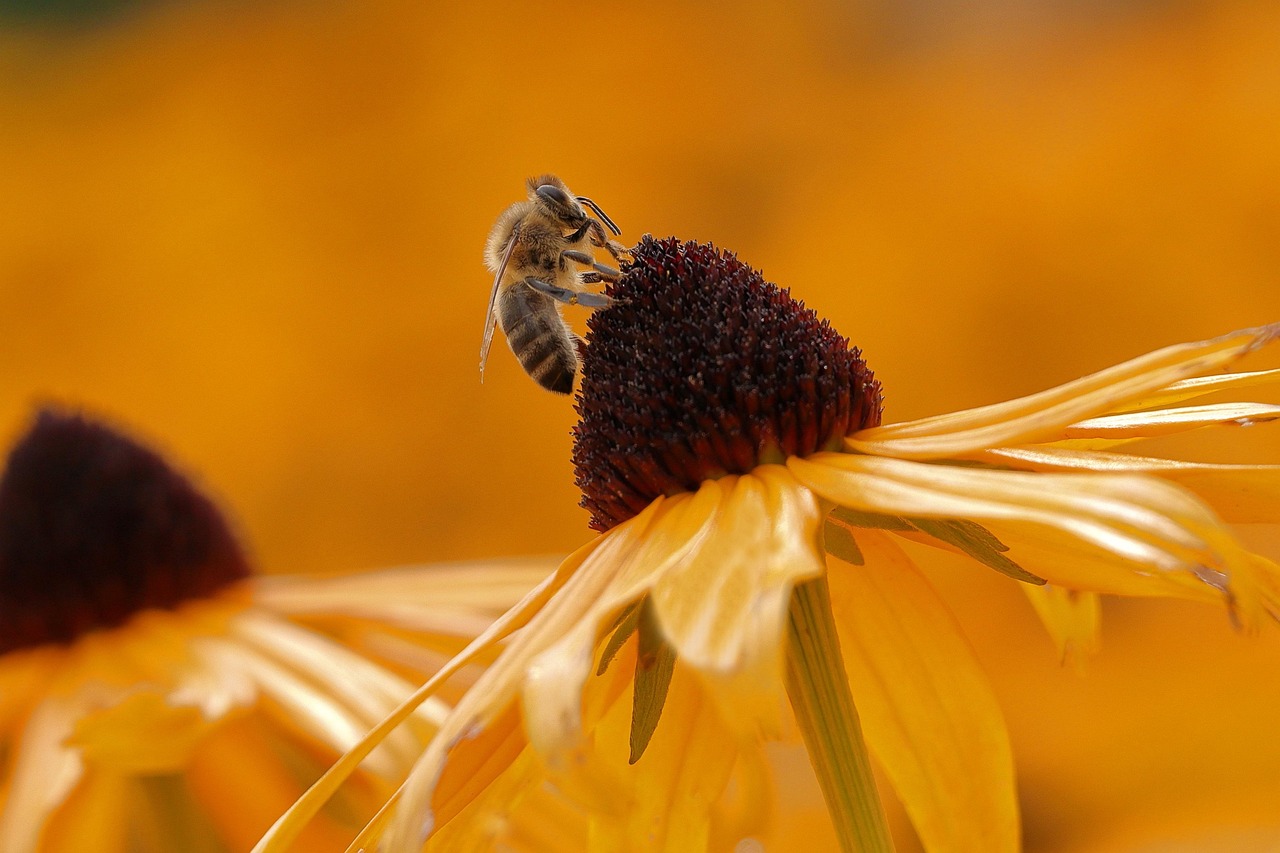
Black-Eyed Susan ( Rudbeckia hirta ): Cheerful yellow flowers with dark centers.
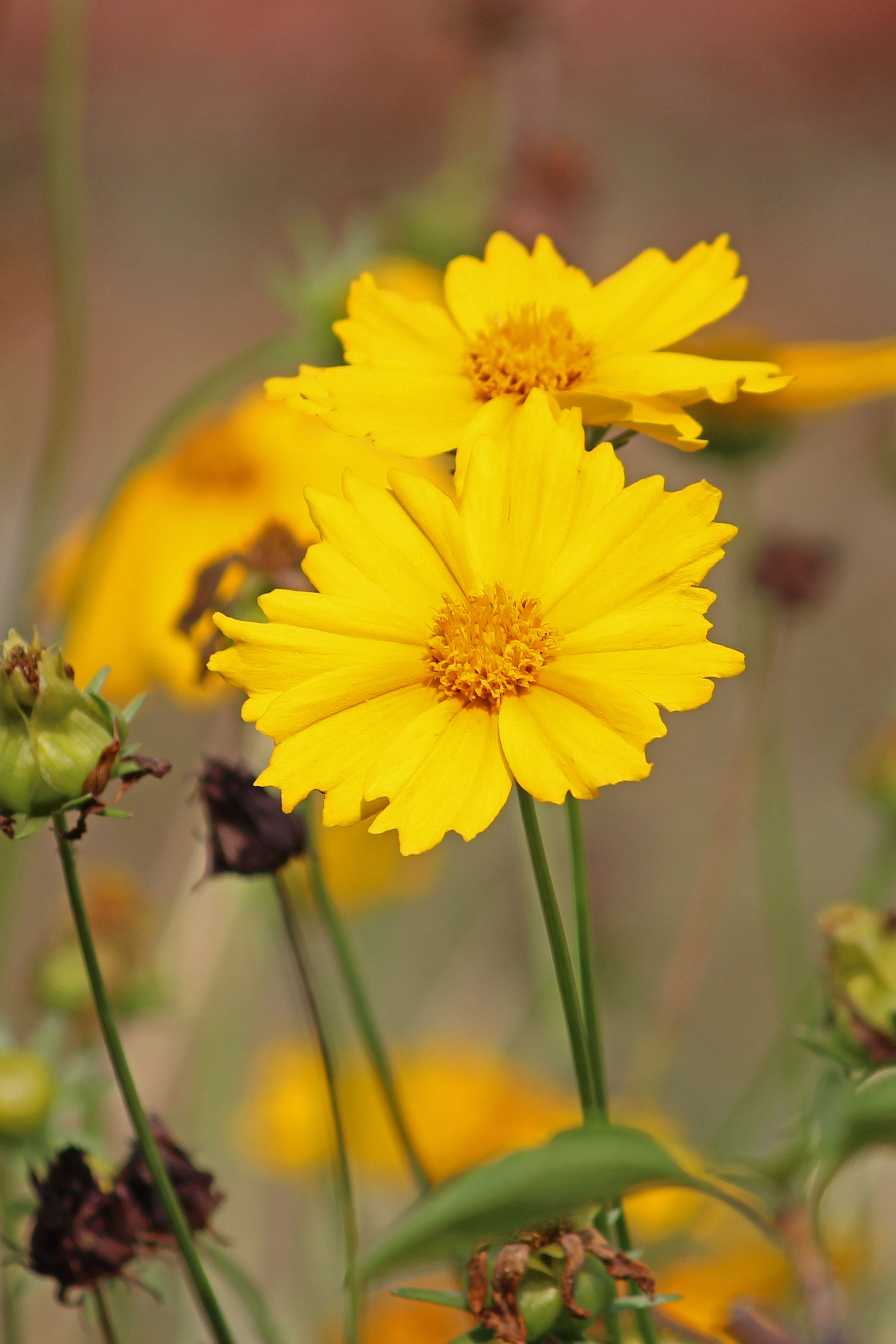
Coreopsis ( Coreopsis species): Bright, daisy-like flowers, often yellow or orange.
Late Summer/Fall Bloomers (Crucial for Migration):
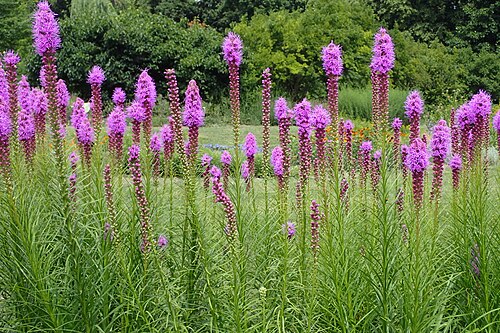
Blazing Star ( Liatris spicata ): Tall spikes of purple flowers, a monarch favorite.
Goldenrod ( Solidago species): Often unfairly maligned, native goldenrods are vital late-season nectar sources.
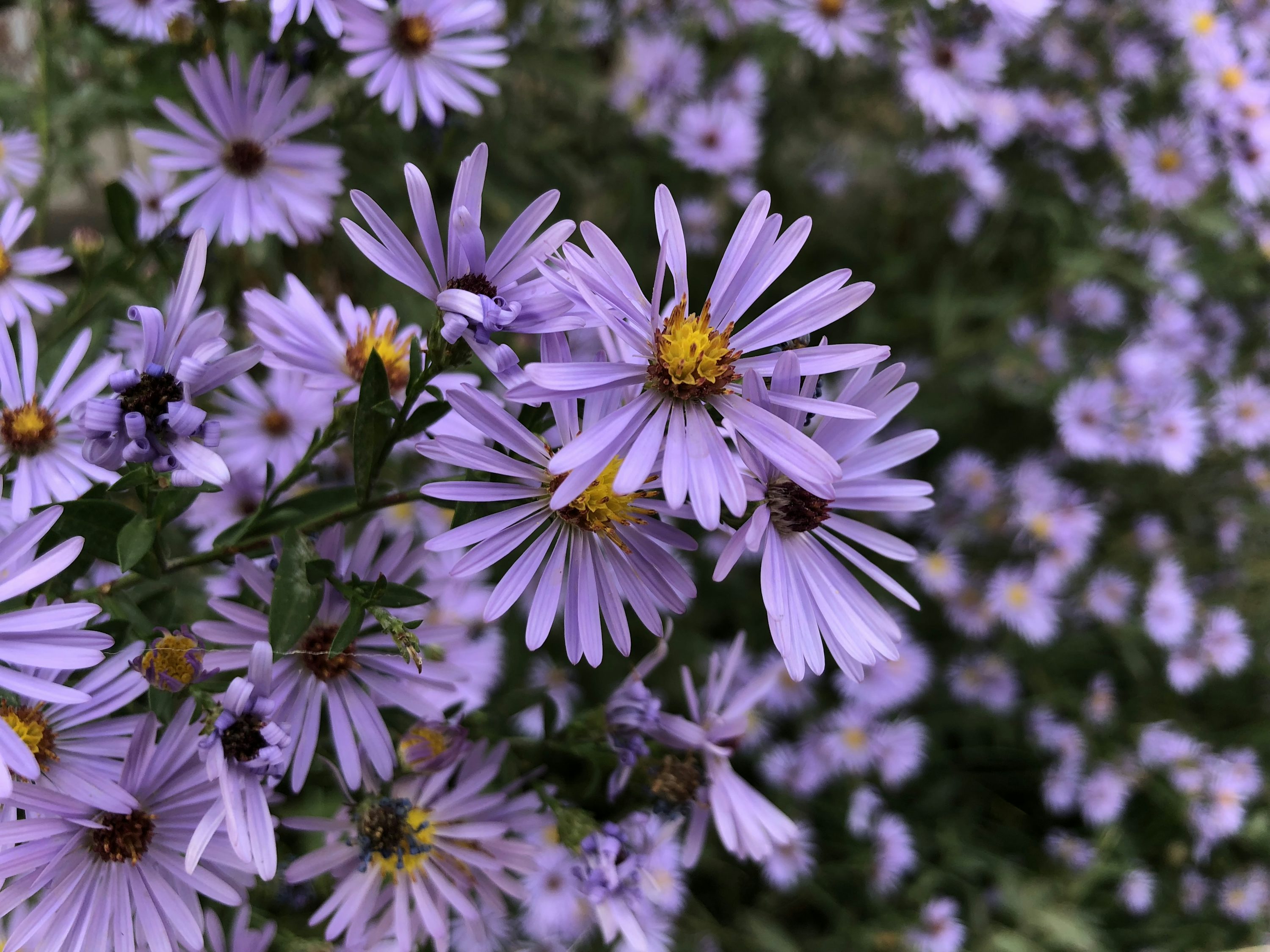
Asters ( Symphyotrichum species): Many native aster varieties provide abundant fall nectar.
Sedum 'Autumn Joy' ( Hylotelephium spectabile ): Large, flat flower heads that bloom late into the season.
Quick Reference: Monarch Garden Plant Checklist
| Plant Type | Purpose | Examples
Mon PlantWise Team Blog Post: Best Plants for a Monarch Butterfly Garden
What Are the Best Milkweed Species for a Monarch Garden?
Choosing the right milkweed is paramount for a successful monarch garden. The "best" species is typically one that is native to your specific region. Native milkweeds are adapted to your local climate and soil conditions, making them easier to grow and more recognizable to local monarch populations. They also often have natural defenses against local pests, and their bloom times align with local monarch breeding cycles.
Quick Guide to Native Milkweed Species:
- Common Milkweed ( Asclepias syriaca ):
- Appearance: Tall, robust plant with large, broad leaves and clusters of fragrant pink-purple flowers.
- Habitat: Adaptable to a wide range of soils, including disturbed areas. Spreads vigorously via rhizomes, so it's best for larger gardens or where containment isn't an issue.
- Regions: Eastern and Central North America.
- Swamp Milkweed ( Asclepias incarnata ):
- Appearance: Slender stems, lance-shaped leaves, and showy pink to rose-purple flowers.
- Habitat: As its name suggests, it thrives in moist to wet soils, making it perfect for rain gardens or areas with poor drainage.
- Regions: Eastern and Central North America.
- Butterfly Milkweed ( Asclepias tuberosa ):
- Appearance: Bright orange, flat-topped flower clusters that are incredibly attractive. Unlike other milkweeds, it doesn't have milky sap.
- Habitat: Prefers full sun and dry to medium, well-drained soils. Forms a clump and does not spread aggressively.
- Regions: Widespread across much of North America.
- Whorled Milkweed ( Asclepias verticillata ):
- Appearance: Fine, needle-like leaves arranged in whorls along the stem, with delicate white-green flowers.
- Habitat: Tolerates dry, sandy soils and full sun. A good choice for smaller gardens or rock gardens due to its more compact habit.
- Regions: Eastern and Central North America.
- Green Antelopehorn ( Asclepias viridis or A. asperula ):
- Appearance: Unique, horn-shaped green seed pods and clusters of green to whitish flowers.
- Habitat: Thrives in hot, dry, sandy, or rocky soils. Very drought-tolerant.
- Regions: Southern and Central Great Plains.
When selecting milkweed, always prioritize native species from a reputable nursery that avoids systemic pesticides. Pesticides can harm or kill monarch caterpillars that feed on the leaves.
How Do I Design and Maintain a Thriving Monarch Garden?
Creating a monarch haven goes beyond just planting the right species; thoughtful design and ongoing care will ensure your garden flourishes and consistently attracts monarchs.
1. Site Selection and Layout:
- Sunlight: Monarchs and most of their preferred plants need at least 6 hours of full sun per day.
- Shelter: While monarchs love sun, they also appreciate some shelter from strong winds. Consider planting taller shrubs or a windbreak on the north or west side of your garden.
- Grouping: Plant flowers in drifts or clusters of the same species rather than scattering individual plants. This creates a larger, more visible target for butterflies and makes foraging more efficient.
- Succession of Blooms: Ensure you have plants blooming from early spring through late fall. This provides a continuous nectar supply for monarchs throughout their breeding season and for those fueling up for migration.
2. Soil and Water:
- Soil Preparation: Amend your soil with compost to improve drainage and fertility. Most native plants are quite adaptable, but good soil is always a plus.
- Watering: Water newly planted plants regularly until they are established. Once established, many native plants are quite drought-tolerant, but supplemental watering during prolonged dry spells will help them thrive. Avoid overhead watering, which can damage delicate butterfly wings and wash away pollen. A shallow bird bath with pebbles for landing can provide a water source.
3. Pest Management (Monarch-Friendly!):
- Avoid Pesticides: This is critical. Even organic pesticides can harm monarchs and other beneficial insects. Embrace a slightly "wilder" look and tolerate some insect damage.
- Manual Removal: If you see aphids on your milkweed, a strong spray of water can dislodge them, or you can gently wipe them off with your fingers. Ladybugs are also natural predators of aphids.
- Embrace the Ecosystem: A healthy garden ecosystem will attract beneficial insects that keep pest populations in check naturally.
4. Maintenance Throughout the Seasons:
- Spring: Cut back dead plant material from the previous year. Monitor milkweed for monarch eggs and caterpillars.
- Summer: Deadhead spent flowers on nectar plants to encourage more blooms. Continue to monitor milkweed.
- Fall: Allow some plants to go to seed to provide food for birds. In warm climates (USDA Zones 9+), cut back tropical milkweed to 6 inches to prevent OE parasite buildup and encourage migration. For native milkweeds, leave stalks standing for winter interest and to provide shelter for other beneficial insects.
- Winter: Enjoy the dormant beauty and plan for next year!
By following these guidelines, you can create a beautiful and functional monarch butterfly garden that will be a joy for you and a lifeline for these magnificent creatures.
Ready to find the perfect plants for your yard? Try the PlantWise Plant Finder →