Coneflower vs. Black-Eyed Susan: Which Attracts More Pollinators?
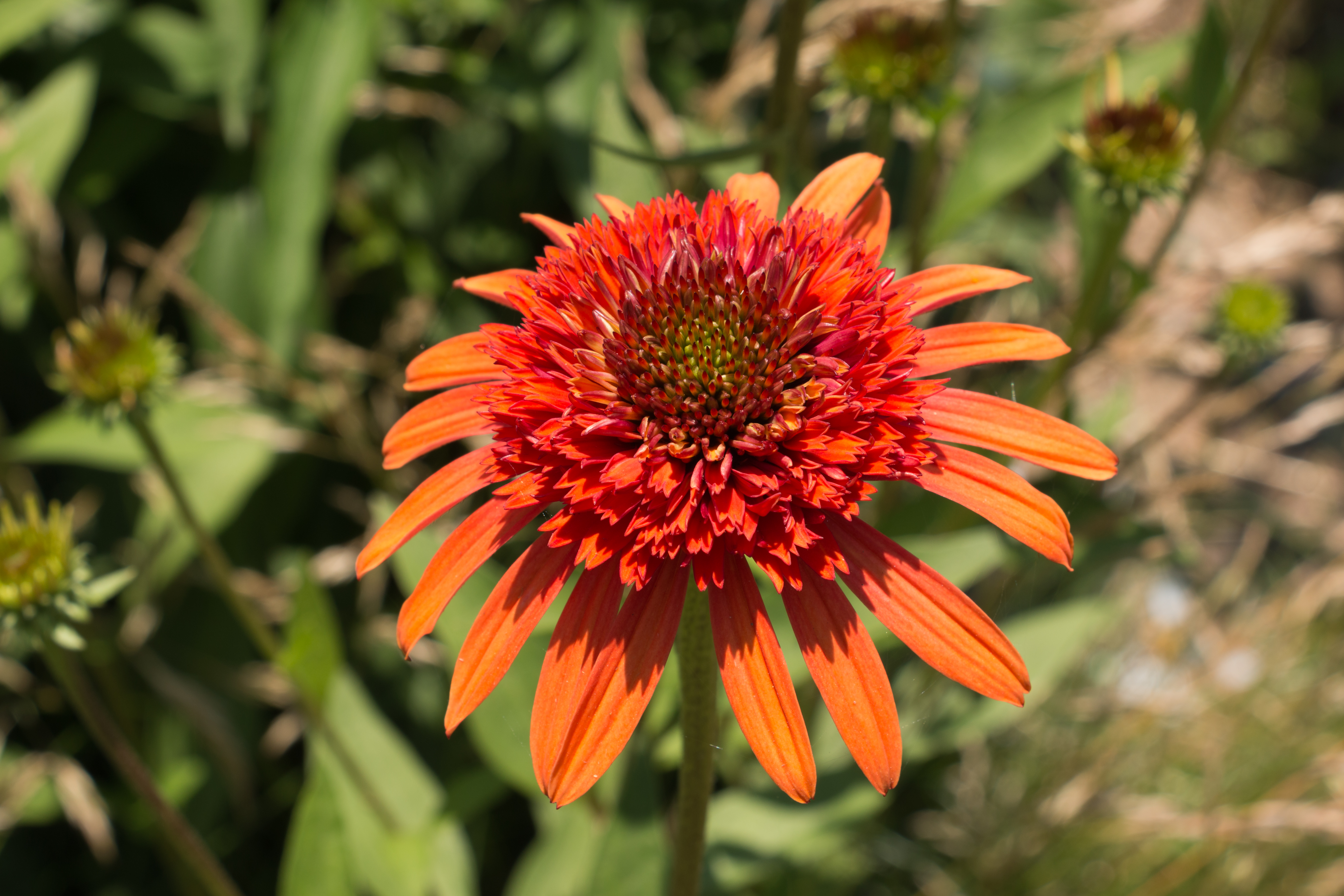
Coneflowers (Echinacea) and Black-eyed Susans (Rudbeckia) are both pollinator magnets, but if you want the single best pick for the widest variety and longest steady visits, coneflowers typically edge out Black-eyed Susans. Coneflowers attract a broader diversity of bees (including bumblebees and many solitary bees), butterflies, and beneficial insects over a longer bloom period, while Black-eyed Susans often bring large, frequent visits from generalist bees and some butterflies and are excellent for massing in sunny borders.
Which attracts more pollinators?
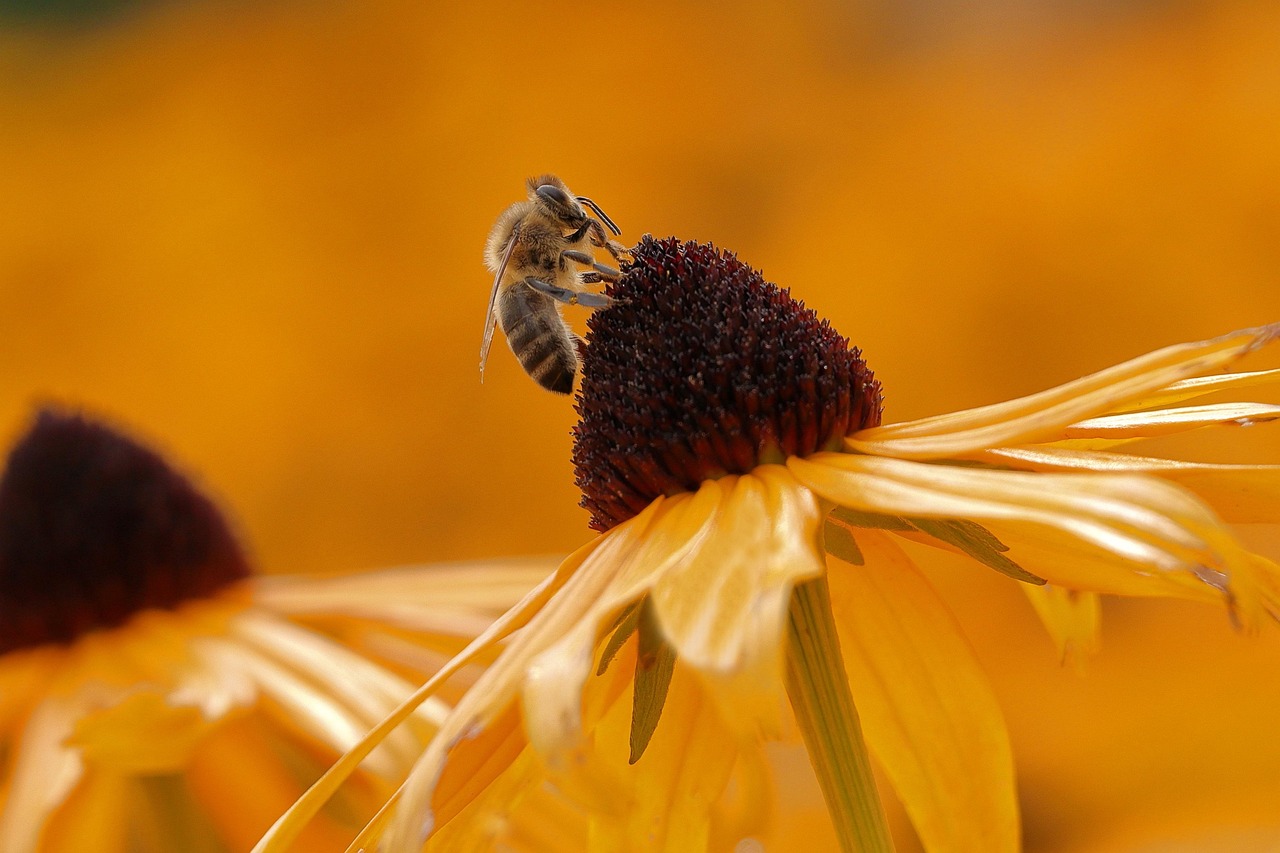
Both plants are excellent choices for pollinator-focused gardens, but coneflowers usually attract a greater diversity of pollinators overall. Their prominent, nectar-rich central cones and large ray petals provide easy landing pads and visible nectar guides for bumblebees, honeybees, solitary bees, butterflies, and even nectar-feeding beetles. Black-eyed Susans are highly attractive, too-especially to honeybees and some native bees-and often draw dense numbers of visits when planted in sunny drifts. In short: choose coneflower if you want maximum pollinator diversity; choose Black-eyed Susan if you want bright, dependable blooms that draw frequent visits and fill space quickly.
🌱 Get Personalized Plant Picks
Answer a few quick questions and we’ll match plants to your exact yard conditions.
Find My Plants →How do their bloom times and flower structure affect pollinator visits?
Bloom timing and floral shape play a big role in which pollinators visit.
- Bloom season: Coneflowers typically flower from early summer into fall; many cultivars keep going longer. Black-eyed Susans also bloom mid-summer into fall, but peak timing can be slightly narrower depending on variety and local conditions. The longer a plant blooms, the more consistent forage it provides.
- Flower structure: Coneflowers have a raised, spiky central disk packed with nectar-rich florets-ideal for bees that probe for nectar and pollen, and also attractive to butterflies that land on the rays and sip. Rudbeckia has a flatter central disk with accessible pollen and nectar that suits a wide range of generalist bees.
- Accessibility: Both are “open” flowers that most pollinators can use easily. Smaller solitary bees and some short-tongued bees may prefer Rudbeckia for easy access, while longer-tongued bees and many butterflies favor Echinacea’s structure.
- Seedheads: After bloom, both species produce seedheads that feed birds (goldfinches especially), extending their wildlife value beyond pollinators.
How should I plant and care for them to maximize pollinators?
Actionable steps to get the most pollinator visits:
- Sun and soil: Plant both in full sun (6+ hours/day). They tolerate average, well-drained soils. Avoid heavy shade-pollinator visits drop dramatically if plants are not in sun.
- Spacing and drifts: Plant in groups of at least 6-12 of the same species (or cultivar) per drift. Large patches are more visible and attractive than single plants.
- Continuous bloom: Stagger plantings and include species with overlapping bloom times to create continuous forage through the season. Deadhead selectively: removing spent blooms on some cultivars prolongs flowering; leaving some seedheads in late season benefits birds.
- Water and establishment: Give regular water the first year to establish deep roots; after established, both are drought-tolerant. Avoid over-fertilizing-too much nitrogen produces lush foliage at the expense of blooms and nectar.
- Pesticide caution: Limit or avoid insecticide use. If control is necessary, apply at dusk and use targeted methods to minimize impact on pollinators.
- Support and staking: Some tall coneflower varieties may need light staking in windy sites. Black-eyed Susans are generally sturdy but can flop in wet conditions-improve drainage or cut back soil fertility if flopping is a problem.
- Habitat features: Add shallow water sources, patches of bare ground for ground-nesting bees, and twig bundles or bee hotels for cavity nesters to encourage a fuller community of pollinators.
Which companion plants boost their pollinator appeal?
Planting complementary nectar and pollen sources increases visitation to both species. Try mixing in plants with different flower shapes, heights, and bloom times to attract a wider pollinator spectrum.
-
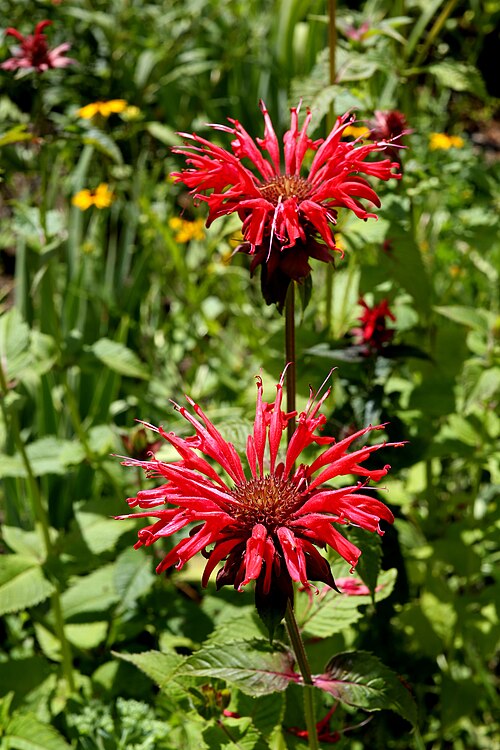
Great for hummingbirds and butterflies; adds a tubular flower shape pollinators love.
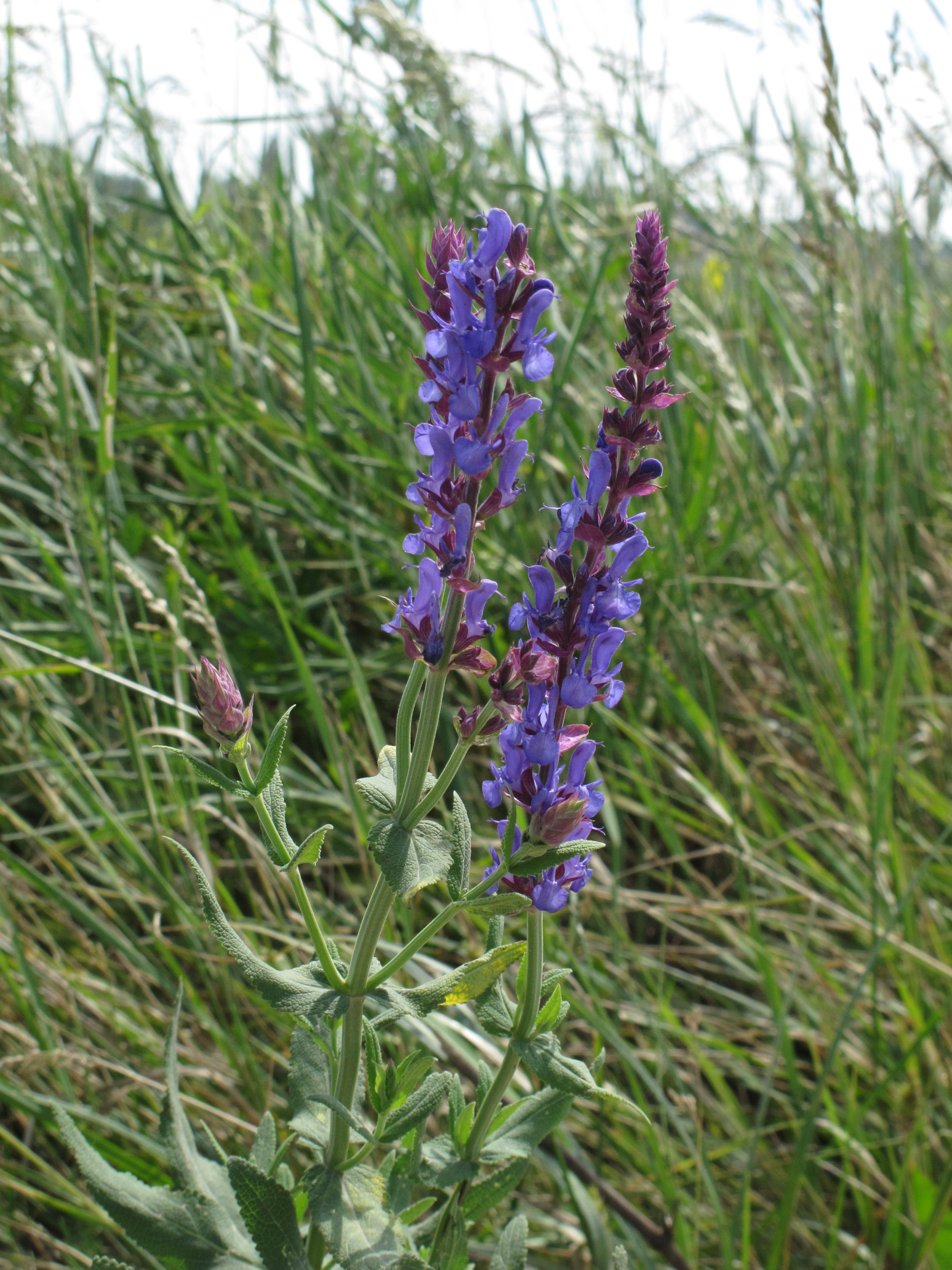
Long-blooming spikes that bees and hummingbirds frequent.
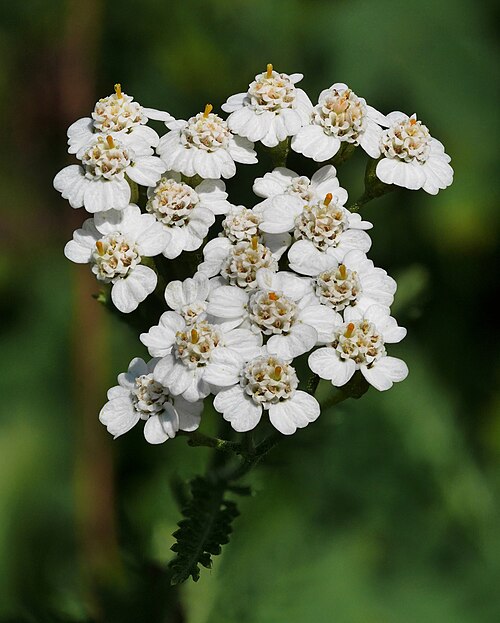
Flat-topped blooms that attract beneficial predatory insects and small pollinators.
Use multiple coneflower cultivars for extended color and continuous bloom.
Masses of Rudbeckia provide reliable mid-summer forage and contrast well with taller spires.
Layout tip: place taller plants (like coneflowers and salvia) toward the back of a border, with Black-eyed Susans and yarrow in the middle, and low-growing nectar sources at the front. This layered approach maximizes visibility and makes for easier pollinator travel routes.
Quick Reference
- Best for pollinator diversity: Coneflower (Echinacea)
- Best for dependable, showy drifts: Black-eyed Susan (Rudbeckia)
- Bloom season: Summer → Fall for both (coneflower often longer)
- Soil & sun: Full sun, well-drained soil
- Maintenance: Moderate (deadhead to prolong bloom; leave some seedheads for birds)
- Planting strategy: Group in masses (6-12+ plants), mix companion nectar sources, avoid pesticides
- Wildlife bonus: Both produce seedheads valuable to birds later in the season
Final planting checklist:
- Choose a sunny site, amend soil for drainage if needed.
- Plant groups, not singles.
- Add 3-5 companion species for continuous blooms.
- Limit pesticides and provide nesting habitat.
Both coneflowers and Black-eyed Susans are staples for a pollinator-friendly garden. If your goal is maximum diversity and longer season forage, prioritize coneflowers; if you need bright, fast-establishing drifts that reliably attract many bees and butterflies, Black-eyed Susans are a superb choice. For the best results, plant both together with companion bloomers to create an irresistible buffet for pollinators.
Ready to find the perfect plants for your yard? Try the PlantWise Plant Finder →