Best Deer-Resistant Bulbs for Zone 6
For gardeners in USDA Hardiness Zone 6, finding beautiful plants that can withstand the appetites of local deer populations can be a challenge. When it comes to bulbs, the best deer-resistant options for spring and summer blooms often include those with strong scents, bitter tastes, or toxic properties that deer naturally avoid. Top choices include daffodils, alliums, fritillaria, and snowdrops, ensuring your garden remains vibrant and untouched by these browsing animals.
Deer can be a persistent nuisance, turning a beautiful garden into an all-you-can-eat buffet overnight. While no plant is truly deer-proof, some bulbs are consistently passed over by deer due to their characteristics. By strategically planting these less palatable options, you can create a stunning display of color and texture without constant worry. Let's explore some of the best deer-resistant bulbs that thrive in Zone 6 and how to incorporate them into your landscape.
🌱 Get Personalized Plant Picks
Answer a few quick questions and we’ll match plants to your exact yard conditions.
Find My Plants →Why Do Deer Avoid Certain Bulbs?
Deer are not picky eaters, but they do have preferences and aversions. Their avoidance of certain plants, including many bulbs, often comes down to a few key factors:
- Taste and Scent: Many deer-resistant bulbs contain compounds that are bitter, pungent, or otherwise unpleasant to deer. Think of the strong, onion-like smell of alliums or the distinctive fragrance of daffodils.
- Toxicity: Some bulbs are toxic to deer (and often to pets and humans if ingested in large quantities). Deer seem to instinctively know to avoid these plants.
- Texture: While less common for bulbs, some plants have fuzzy or spiny leaves that deer dislike.
Understanding these reasons helps us choose the right plants to protect our gardens. Remember, hungry deer will eat almost anything, so while these bulbs are highly resistant, extreme pressure or lack of other food sources might occasionally lead to some nibbling.
Which Spring-Blooming Bulbs Do Deer Avoid in Zone 6?
Spring is a crucial time to establish deer-resistant beauty. Here are some of the best choices for Zone 6:
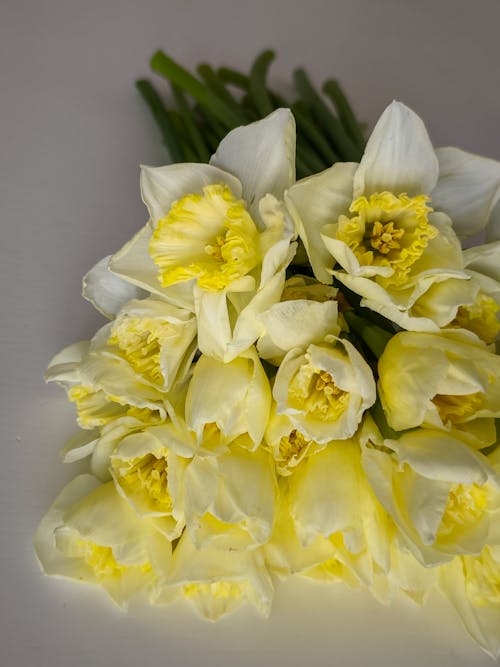
- Daffodils (Narcissus): These cheerful harbingers of spring are perhaps the most reliable deer-resistant bulbs. All parts of the daffodil plant are toxic to deer, making them an excellent choice. They come in a vast array of sizes, colors (yellow, white, orange, pink), and bloom times, allowing for a continuous display from early to late spring. Plant them in drifts for a naturalized look or in beds for a more formal arrangement.
- Planting Tip: Plant in fall, about 6-8 inches deep, in well-draining soil. They naturalize well and return year after year.
- Alliums: From the same family as onions and garlic, alliums are famous for their globe-like purple, pink, or white flowers that stand tall on sturdy stems. Their strong, oniony scent is a major deterrent for deer. They bloom from late spring into early summer, adding architectural interest to the garden.
- Planting Tip: Plant in fall, 4-6 inches deep, in full sun. They are drought-tolerant once established.
- Fritillaria: This genus offers some truly unique and striking options.
- Crown Imperial (Fritillaria imperialis): Known for its dramatic, bell-shaped flowers topped with a crown of leafy bracts, and a distinct "foxy" odor that deer despise. It blooms in mid-spring.
- Guinea Hen Flower (Fritillaria meleagris): Features distinctive checkered, bell-shaped flowers in shades of purple and white. It's more subtle but equally deer-resistant.
- Planting Tip: Plant in fall, 4-6 inches deep (deeper for Crown Imperial), in well-draining soil. Crown Imperials prefer a sunny spot.
- Snowdrops (Galanthus nivalis): These tiny, elegant white flowers are often the first to emerge, sometimes even pushing through snow. They contain alkaloids that make them unpalatable to deer. They naturalize beautifully and create lovely carpets of white.
- Planting Tip: Plant in fall, 2-3 inches deep, in partial shade or full sun. They prefer moist, well-draining soil.
What About Summer-Blooming Deer-Resistant Bulbs for Zone 6?
While many classic summer bloomers like lilies are deer favorites, you still have excellent options for season-long color.
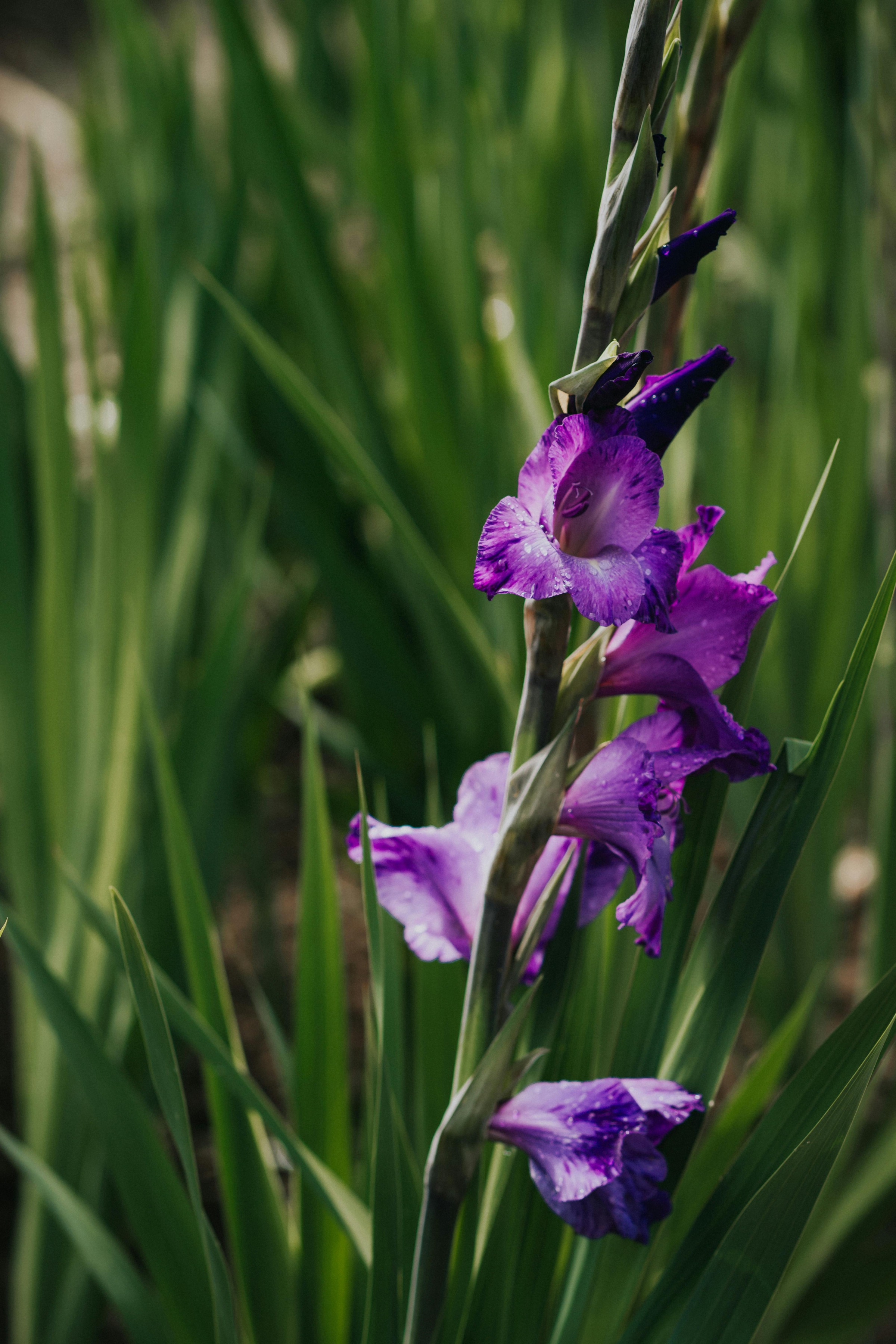
- Gladiolus (Gladiolus): While not universally listed as deer-resistant, many gardeners report that gladiolus are generally left alone by deer, especially if other more palatable options are available. Their tall, spiky flower stalks come in nearly every color imaginable.
- Planting Tip: Plant corms in spring after the last frost, 4-6 inches deep, in full sun. Stagger planting every two weeks for continuous blooms.
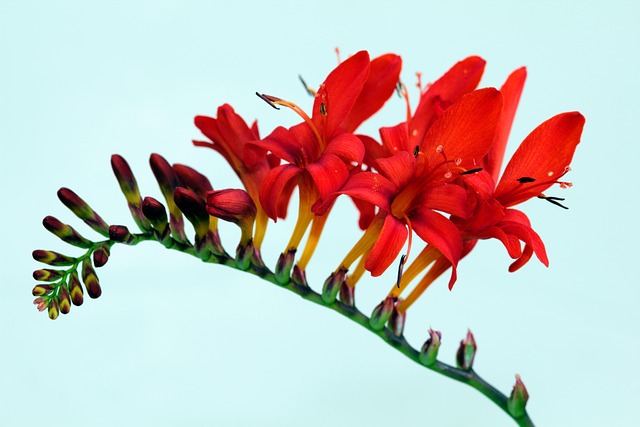
- Crocosmia (Montbretia): These vibrant, sword-leaved plants produce arching sprays of fiery red, orange, or yellow flowers in mid to late summer. They are generally ignored by deer and add a tropical flair to the garden.
- Planting Tip: Plant corms in spring, 3-5 inches deep, in full sun to partial shade. They naturalize well in Zone 6.
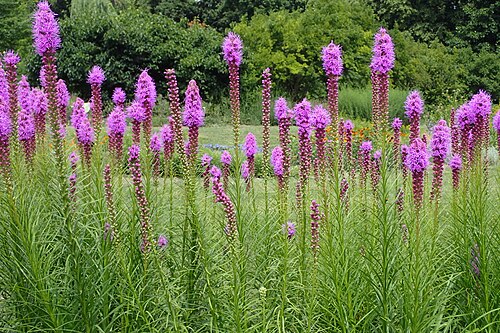
- Blazing Star (Liatris spicata): Although often sold as a perennial, Liatris grows from a corm and is an excellent deer-resistant choice for summer. Its tall, spiky purple (or white) flower stalks bloom from the top down, attracting butterflies and hummingbirds.
- Planting Tip: Plant corms in spring, 2-3 inches deep, in full sun and well-draining soil. Blazing Star
Quick Reference: Deer-Resistant Bulbs for Zone 6
| Bulb Type | Bloom Time | Deer Resistance | Key Characteristics |
|---|---|---|---|
| Daffodils | Early-Late Spring | High | Toxic, diverse colors/forms, naturalizes well |
| Alliums | Late Spring-Early Summer | High | Pungent scent, architectural, globe-like flowers |
| Fritillaria | Mid-Spring | High | Distinctive odor (Crown Imperial), unique patterns |
| Snowdrops | Early Spring | High | Very early bloomer, toxic, naturalizes |
| Gladiolus | Summer | Medium-High | Tall, showy spikes, wide color range |
| Crocosmia | Mid-Late Summer | High | Fiery colors, sword-like foliage, tropical feel |
| Blazing Star | Summer | High | Tall purple/white spikes, attracts pollinators |
How Can I Further Protect My Deer-Resistant Bulbs?
Even with deer-resistant plants, a multi-pronged approach is often best for managing deer in your garden.
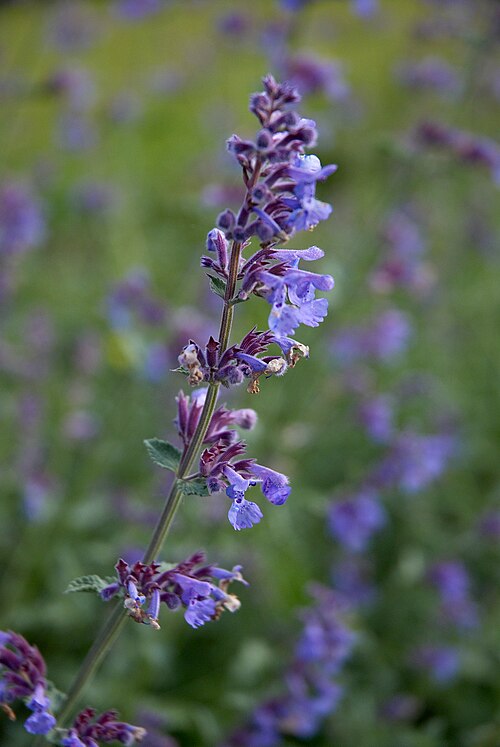
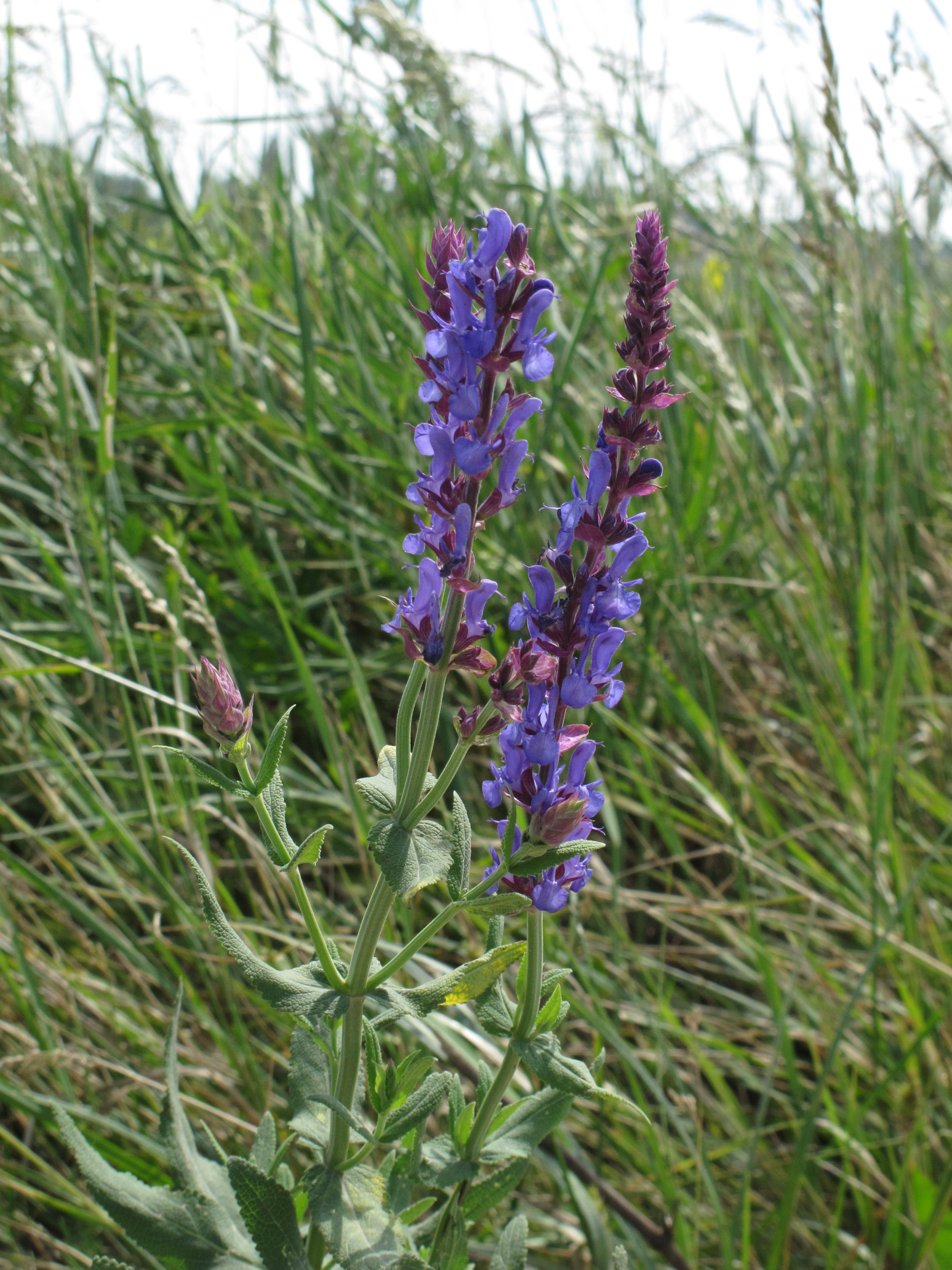
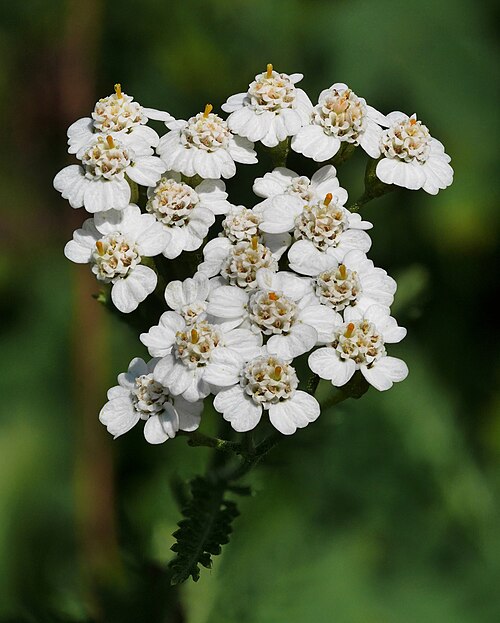
- Companion Planting: While your bulbs are deer-resistant, consider planting other deer-resistant perennials and shrubs around them. Plants like Salvia, Catmint, and Yarrow are often avoided by deer and can create a protective barrier.
- Repellents: Commercial deer repellents, applied according to package directions, can add an extra layer of protection, especially during periods of high deer activity or when plants are young. Rotate repellents to prevent deer from becoming accustomed to them.
- Physical Barriers: For persistent deer problems, temporary netting or fencing can be used around new plantings or particularly vulnerable areas until plants are established.
- Strategic Placement: Plant your most prized (and potentially less resistant) plants closer to your home or in areas with more human activity, where deer are less likely to venture.
By combining these strategies with a foundation of deer-resistant bulbs, you can enjoy a beautiful, vibrant garden throughout the seasons, even in deer-prone areas of Zone 6.
Ready to find the perfect plants for your yard? Try the PlantWise Plant Finder →