8 Deer-Resistant Alternatives to Tulips for Spring Color
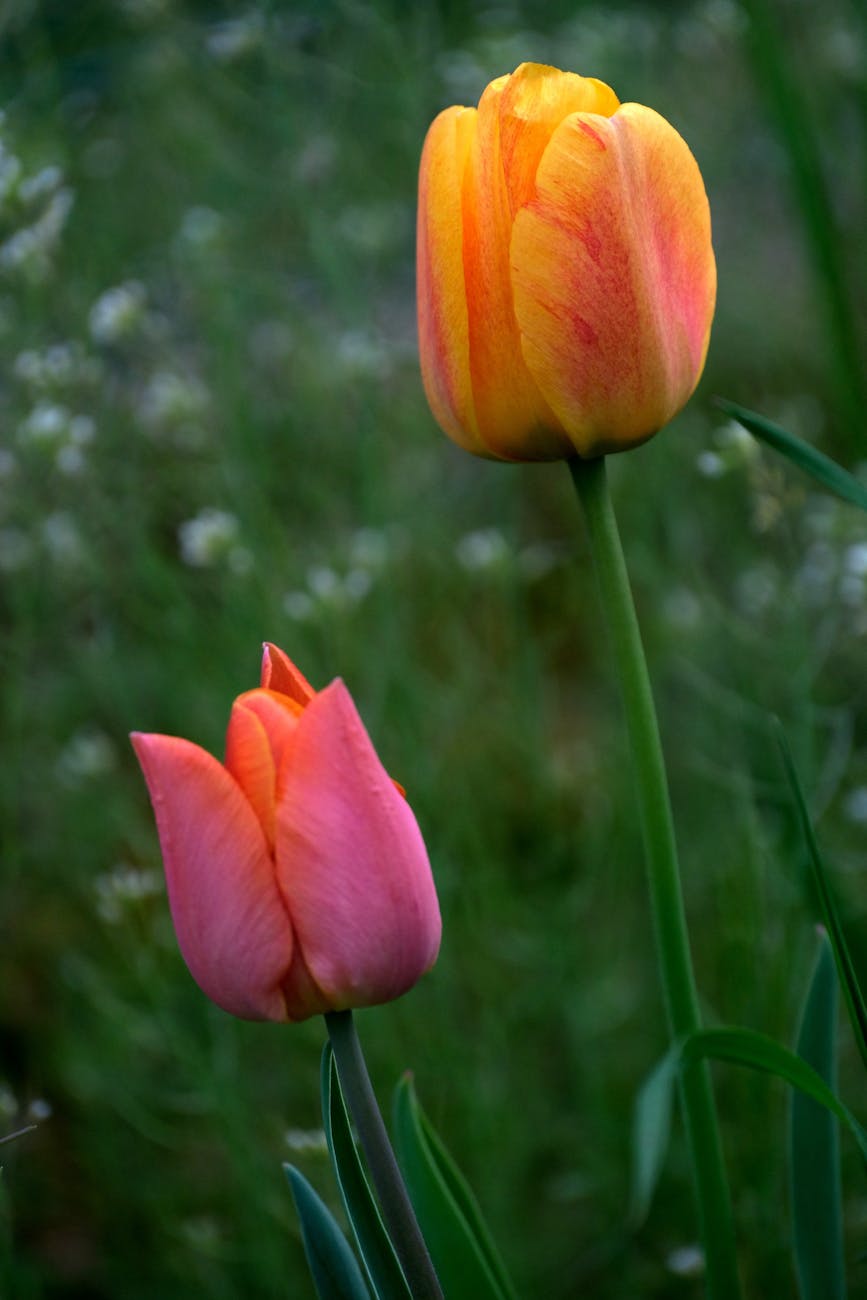
For many gardeners, the sight of vibrant tulips signals the true arrival of spring. Their cheerful cups of color are a welcome antidote to winter's gray. However, if you live in an area with a healthy deer population, you know the heartbreak of waking up to find your beautiful tulip display has become an overnight buffet. Deer absolutely love tulips, often munching them down to the ground before they even have a chance to bloom. The good news is that you don't have to sacrifice spring color! There are many beautiful, deer-resistant alternatives that can bring that same burst of life to your garden without becoming a deer's next meal. These plants often have characteristics deer dislike, such as strong fragrances, fuzzy leaves, or a bitter taste.
🌱 Get Personalized Plant Picks
Answer a few quick questions and we’ll match plants to your exact yard conditions.
Find My Plants →Why Do Deer Love Tulips So Much, and What Can I Do?
Deer are opportunistic browsers, and tulips are, unfortunately, one of their favorite snacks. The bulbs are tasty, and the emerging foliage and flowers are tender and nutritious. While no plant is truly deer-proof, some plants are significantly less appealing to them. Deer tend to avoid plants with strong aromatic foliage (like herbs), fuzzy or prickly leaves, or those that are toxic or have a bitter taste.
When planning your spring garden in deer country, the best strategy is to choose plants that deer typically ignore. This saves you the hassle of applying repellents, fencing, or other deterrents that often require constant reapplication or maintenance. By selecting plants that aren't on their menu, you can enjoy a beautiful, vibrant spring display without the worry.
What Are the Best Deer-Resistant Alternatives for Early Spring Color?
Here are eight fantastic deer-resistant alternatives to tulips that will bring a burst of color to your spring garden:
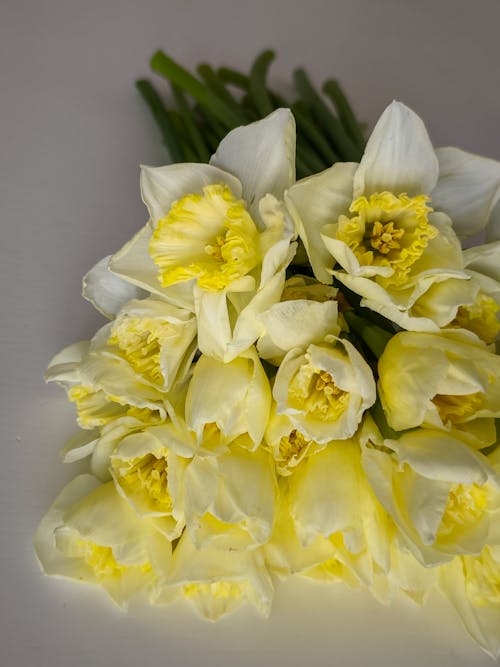
Daffodils (Narcissus spp.)
- Why they're deer-resistant: Daffodils contain alkaloids that are toxic to deer (and other animals), making them an excellent choice. Deer will almost always pass them by.
- Color & Form: Available in a wide range of yellows, whites, oranges, and even pinks, with various flower forms from trumpets to frilly cups.
- Bloom Time: Early to late spring, depending on the variety.
- Growing Conditions: Full sun to partial shade, well-drained soil.
- PlantWise Tip: Plant in drifts for a naturalized look.
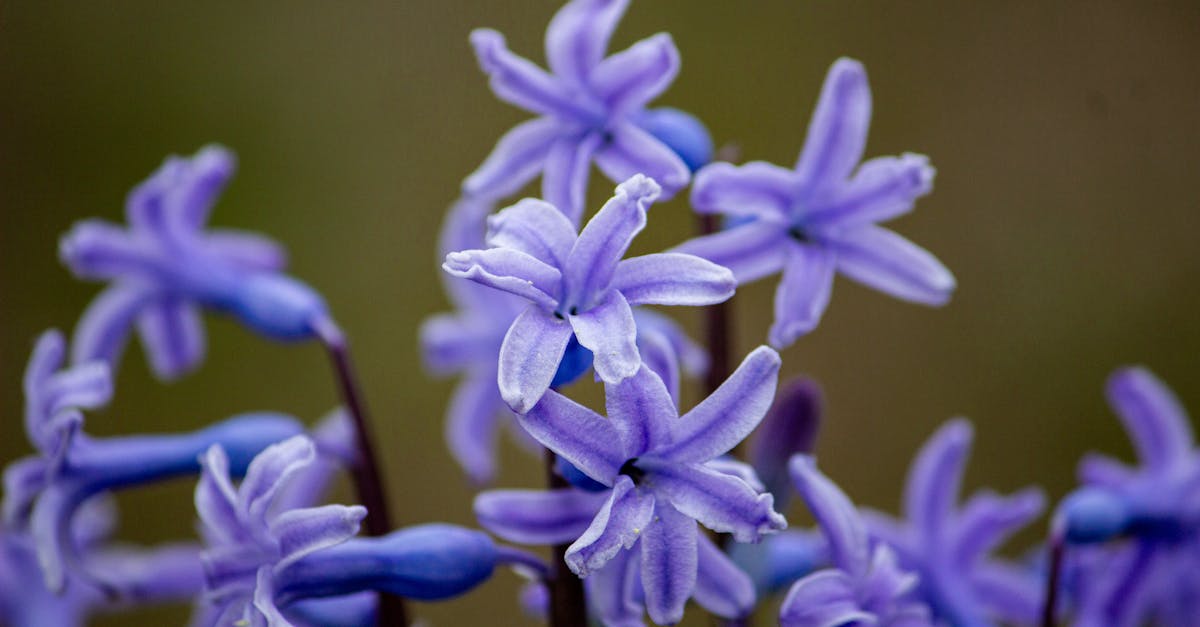
Hyacinths (Hyacinthus orientalis)
- Why they're deer-resistant: Like daffodils, hyacinths contain compounds that are toxic and unpalatable to deer.
- Color & Form: Known for their intensely fragrant, dense spikes of star-shaped flowers in shades of blue, purple, pink, white, and yellow.
- Bloom Time: Early to mid-spring.
- Growing Conditions: Full sun to partial shade, well-drained soil.
- PlantWise Tip: Their strong fragrance is a bonus for humans but a deterrent for deer.
Grape Hyacinths (Muscari armeniacum)
- Why they're deer-resistant: Another bulb in the hyacinth family, these are also toxic and generally ignored by deer.
- Color & Form: Clusters of small, bell-shaped, usually blue flowers resembling tiny grapes. Also available in white and pink.
- Bloom Time: Early to mid-spring.
- Growing Conditions: Full sun to partial shade, well-drained soil.
- PlantWise Tip: Excellent for naturalizing, rock gardens, and borders.
Fritillaria (Fritillaria imperialis, F. meleagris)
- Why they're deer-resistant: Many Fritillaria species have a skunky odor when their foliage is bruised, which deer find highly unpleasant. They also contain bitter alkaloids.
- Color & Form: F. imperialis (Crown Imperial) has dramatic, bell-shaped flowers in orange, red, or yellow atop tall stems. F. meleagris (Checkered Lily) has unique, checkered purple or white flowers.
- Bloom Time: Mid-spring.
- Growing Conditions: Full sun to partial shade, well-drained soil.
- PlantWise Tip: Plant Crown Imperials near other vulnerable plants to help deter deer from the area.
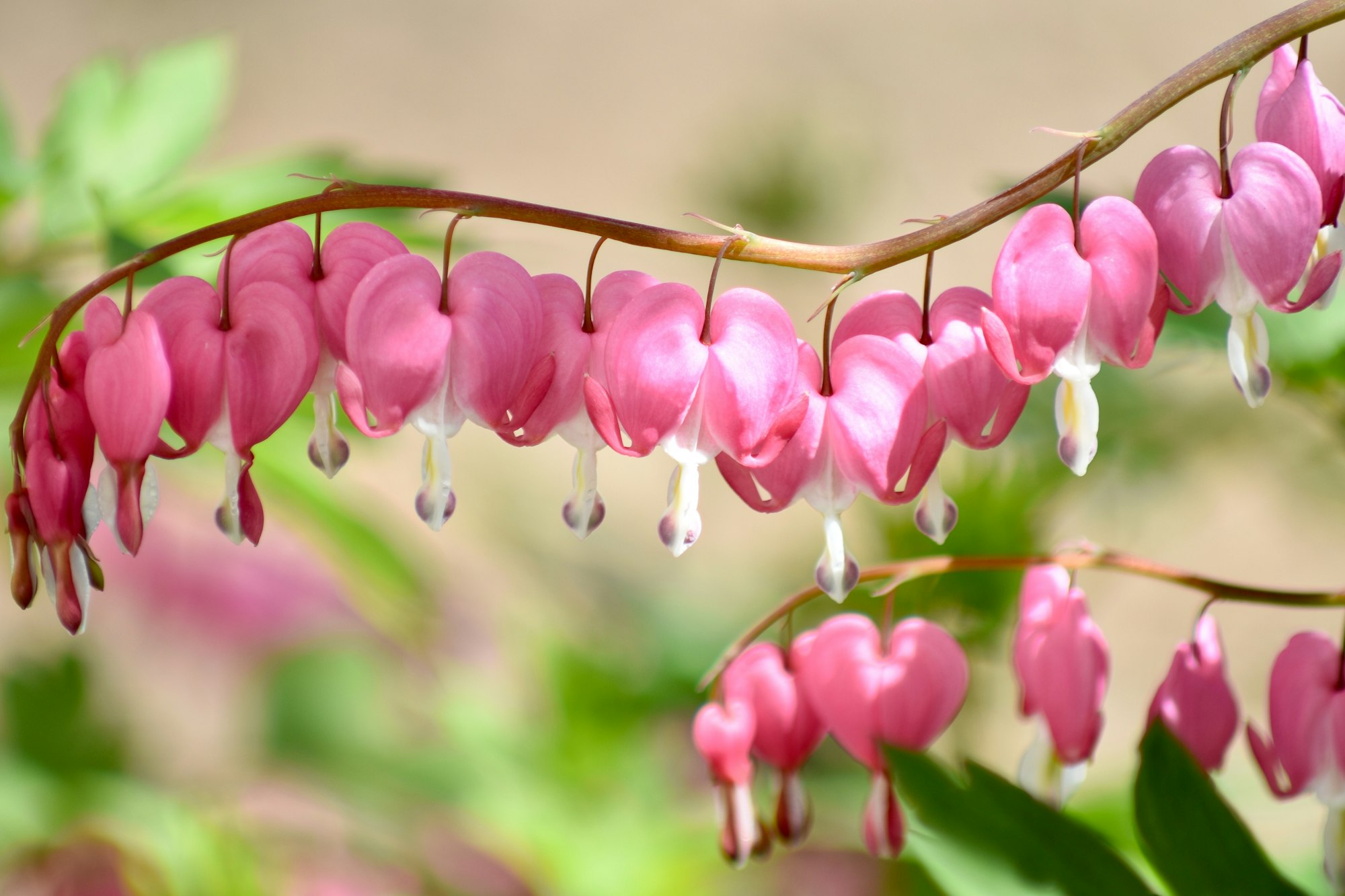
Bleeding Heart (Dicentra spectabilis/Lamprocapnos spectabilis)
- Why they're deer-resistant: The foliage and roots of Bleeding Heart are toxic, making them unappealing to deer.
- Color & Form: Arching stems with heart-shaped pink, red, or white flowers. Delicate, fern-like foliage.
- Bloom Time: Mid to late spring.
- Growing Conditions: Partial to full shade, consistently moist, well-drained soil.
- PlantWise Tip: A classic shade garden plant that adds elegance and unique form.
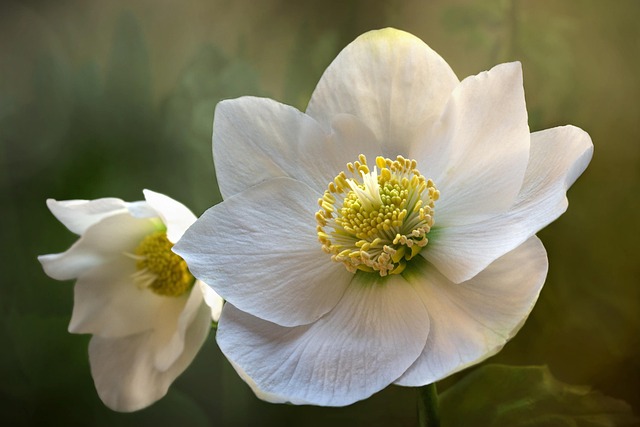
Hellebores (Helleborus spp.)
- Why they're deer-resistant: Hellebores are toxic to deer (and humans if ingested), making them a reliable choice.
- Color & Form: Nodding, cup-shaped flowers in shades of white, green, pink, purple, and even black. Leathery, evergreen foliage.
- Bloom Time: Late winter to early spring, often blooming through snow.
- Growing Conditions: Partial to full shade, rich, well-drained soil.
- PlantWise Tip: Their early bloom time makes them invaluable for winter interest.
Siberian Squill (Scilla siberica)
- Why they're deer-resistant: These small bulbs are not listed as a preferred food source for deer and are generally left alone.
- Color & Form: Bright blue, star-shaped flowers on slender stems, often appearing in large drifts.
- Bloom Time: Early spring.
- Growing Conditions: Full sun to partial shade, well-drained soil.
- PlantWise Tip: Excellent for naturalizing under deciduous trees or in lawns.
Pansies & Violas (Viola x wittrockiana & Viola cornuta)
- Why they're deer-resistant: While not completely deer-proof, pansies and violas are generally less preferred by deer than tulips, especially if other food sources are available. Their slightly bitter taste can deter them.
- Color & Form: Cheerful "faces" in a rainbow of colors, often with contrasting blotches. Violas are smaller and more delicate.
- Bloom Time: Early spring through early summer (and often fall).
- Growing Conditions: Full sun to partial shade, moist, well-drained soil.
- PlantWise Tip: Great for containers, window boxes, and front-of-border planting.
Quick Reference: Deer-Resistant Spring Bloomers
| Plant Name | Deer Resistance | Primary Colors | Bloom Time | Light Needs | Key Feature |
|---|---|---|---|---|---|
| Daffodils | High | Yellow, White, Orange | Early to Late Spring | Full Sun - Partial | Toxic to deer |
| Hyacinths | High | Blue, Purple, Pink | Early to Mid-Spring | Full Sun - Partial | Toxic, highly fragrant |
| Grape Hyacinths | High | Blue, White, Pink | Early to Mid-Spring | Full Sun - Partial | Toxic, naturalizes easily |
| Fritillaria | High | Orange, Red, Yellow | Mid-Spring | Full Sun - Partial | Skunky odor, bitter taste |
| Bleeding Heart | High | Pink, Red, White | Mid to Late Spring | Partial to Full Shade | Toxic foliage, unique flower shape |
| Hellebores | High | White, Green, Pink | Late Winter - Early Spring | Partial to Full Shade | Toxic, evergreen foliage, very early bloomer |
| Siberian Squill | Moderate-High | Blue | Early Spring | Full Sun - Partial | Small, vibrant blue flowers, naturalizes |
| Pansies & Violas | Moderate | Various | Early Spring - Early Summer | Full Sun - Partial | Cheerful, long-blooming, slightly bitter taste |
Can I Still Plant Tulips If I Have Deer?
While the plants above are excellent deer-resistant alternatives, you might still want a few tulips. If you're determined to grow tulips in deer country, here are some strategies, though remember that no method is 100% foolproof:
- Plant in high-traffic areas: Near your front door or a frequently used patio where human activity might deter deer.
- Use repellents: Apply deer repellents regularly, especially after rain. Rotate types to prevent deer from getting used to them.
- Physical barriers: Netting or temporary fencing can protect emerging bulbs, but it needs to be tall enough (at least 7-8 feet) to be effective against determined deer.
- Companion planting: Plant tulips among highly deer-resistant plants like daffodils or Fritillaria. While this might not guarantee safety, it can sometimes make the tulips less obvious or accessible.
- Container planting: Grow tulips in pots on a deck or patio that deer can't easily access.
Ultimately, the most reliable way to enjoy spring color without deer damage is to choose plants they don't like. The alternatives listed above offer a stunning array of colors and forms, ensuring your garden remains vibrant and beautiful, even in the presence of hungry deer.
Ready to find the perfect plants for your yard? Try the PlantWise Plant Finder →