8 Deer-Resistant Alternatives to Hostas for Shade Gardens
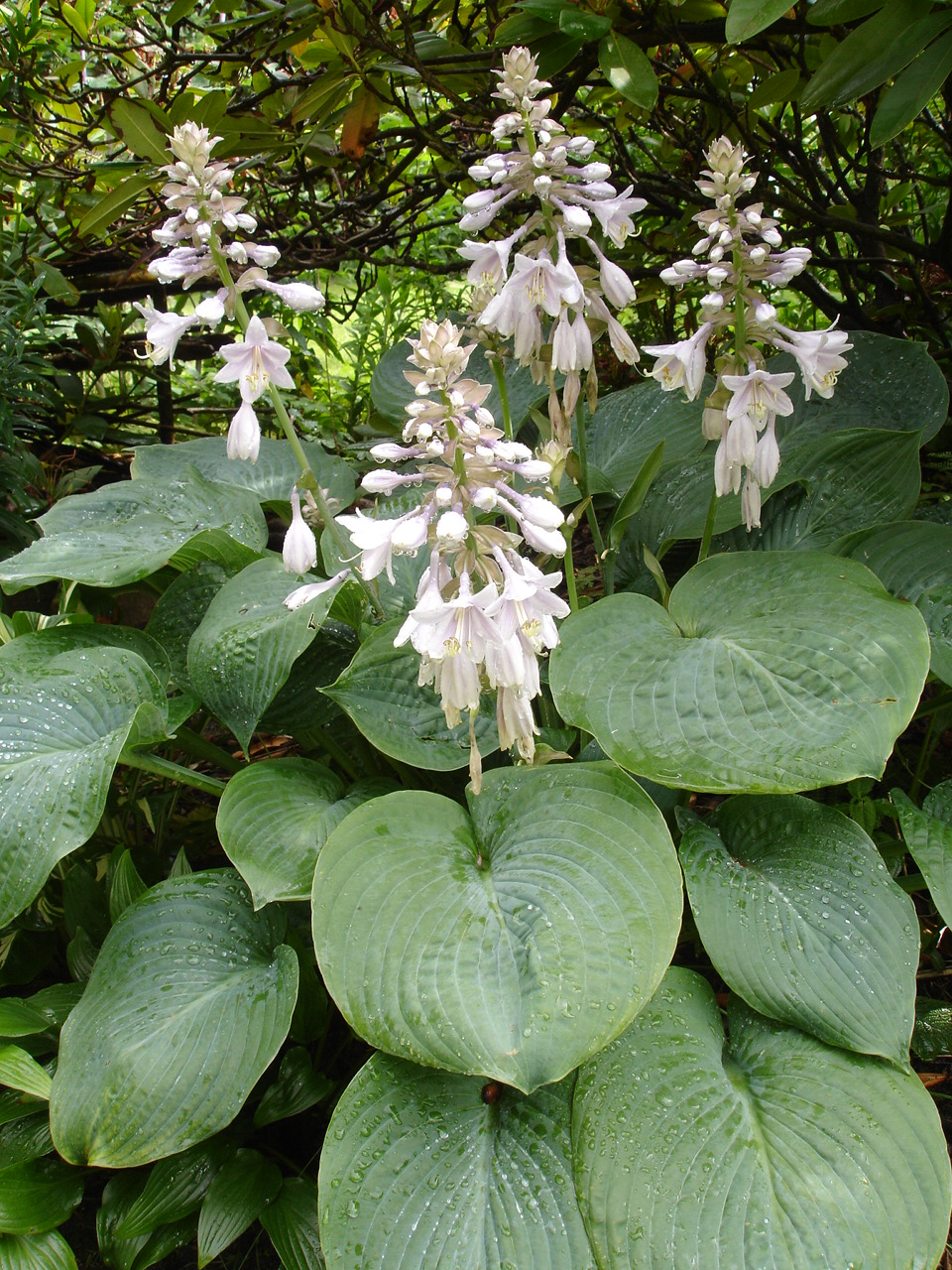
Hostas are a shade garden staple, beloved for their lush foliage and variety of colors and textures. Unfortunately, they are also a favorite snack for deer, often leading to chewed-up leaves and frustrated gardeners. If you're tired of your hostas becoming a deer buffet, there are many beautiful, deer-resistant alternatives that thrive in shade and offer similar aesthetic appeal. These plants provide excellent foliage, interesting textures, and sometimes even vibrant blooms, ensuring your shade garden remains a lush, deer-free sanctuary.
No plant is truly deer-proof, especially when deer are hungry, but the following options are consistently less appealing to deer and are rarely browsed.
🌱 Get Personalized Plant Picks
Answer a few quick questions and we’ll match plants to your exact yard conditions.
Find My Plants →Why Do Deer Love Hostas So Much?
Deer are opportunistic feeders, and hostas offer a perfect combination of tender, succulent leaves and easy access. Their broad, soft foliage is highly palatable and provides a good source of moisture. Once deer discover your hostas, they'll often return repeatedly. This is why choosing plants they find less appetizing is key to a successful deer-resistant shade garden.
What Makes a Plant Deer-Resistant for Shade?
Deer tend to avoid plants with certain characteristics:
- Strong Scents: Aromatic foliage (like many herbs) often deters deer.
- Fuzzy or Hairy Leaves: The texture can be unpleasant for deer to chew.
- Leathery or Tough Leaves: Less palatable than soft, tender foliage.
- Toxic or Bitter Taste: Plants with compounds that are unpalatable or mildly toxic are generally left alone.
- Thorns or Spines: While less common in shade perennials, these are an obvious deterrent.
When selecting alternatives, we're looking for plants that offer the lushness of hostas but possess one or more of these deer-discouraging traits.
Our Top 8 Deer-Resistant Alternatives to Hostas for Shade Gardens
Here are eight fantastic plants that will bring beauty and texture to your shaded areas without attracting unwanted deer visitors:
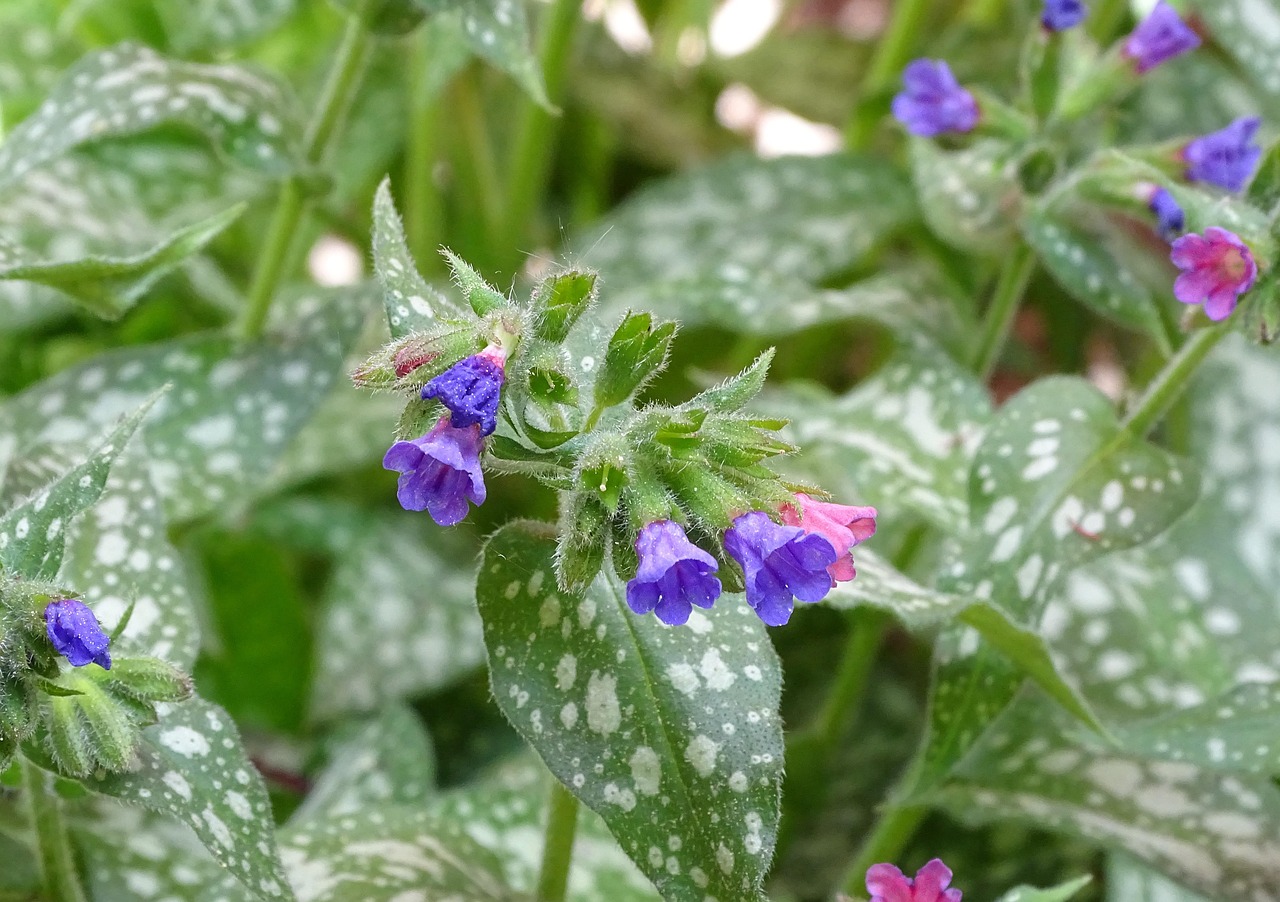
1. Lungwort (Pulmonaria)
- Why it's a great alternative: Lungwort offers beautiful, often silver-spotted or variegated foliage that provides year-round interest, much like hostas. In early spring, it produces charming clusters of bell-shaped flowers in shades of pink, blue, or purple. Its slightly fuzzy leaves are a deterrent to deer.
- Growing conditions: Partial to full shade, consistently moist, well-drained soil.
- Size: 6-18 inches tall and wide.
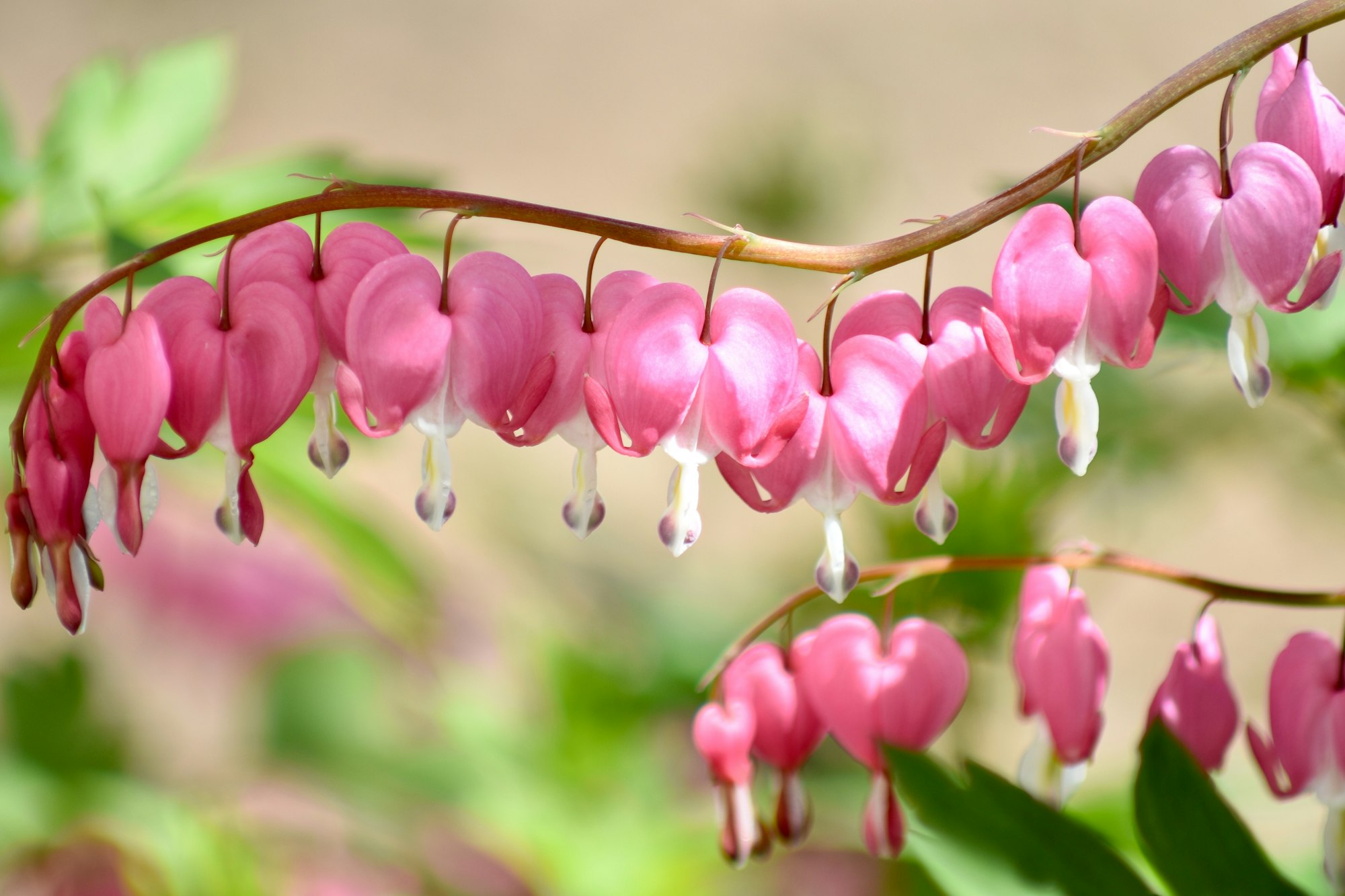
2. Bleeding Heart (Dicentra spectabilis)
- Why it's a great alternative: While its heart-shaped flowers are the star, Bleeding Heart also has attractive, fern-like foliage that adds texture to the shade garden. Deer typically avoid this plant due to its slightly toxic properties.
- Growing conditions: Partial to full shade, moist, rich, well-drained soil.
- Size: 2-3 feet tall and wide. Note that many varieties go dormant in summer, so plan for companion plants to fill the space.
- Pet Safety: If you suspect your pet has ingested a toxic plant, call the ASPCA Animal Poison Control Center immediately at (888) 426-4435.
3. Coral Bells (Heuchera)
- Why it's a great alternative: Coral Bells are perhaps the closest foliage alternative to hostas in terms of variety. Their leaves come in an astonishing array of colors-lime green, deep purple, bronze, silver, red, and variegated patterns. The ruffled or smooth leaves form neat mounds, and delicate flower spikes emerge in summer. Deer find their foliage unappetizing.
- Growing conditions: Partial to full shade (some varieties tolerate more sun), moist, well-drained soil.
- Size: 1-2 feet tall and wide (foliage), flower spikes up to 3 feet.
4. Ferns (Various Species)
- Why it's a great alternative: Ferns are the quintessential shade plant, offering unparalleled texture and lushness. Their intricate fronds create a serene, woodland feel. Many ferns, like Japanese Painted Fern (Athyrium niponicum 'Pictum') or Autumn Fern (Dryopteris erythrosora), offer color beyond green. Deer generally ignore ferns.
- Growing conditions: Partial to full shade, consistently moist, well-drained soil. Specific needs vary by species.
- Size: Varies greatly by species, from 6 inches to several feet tall.
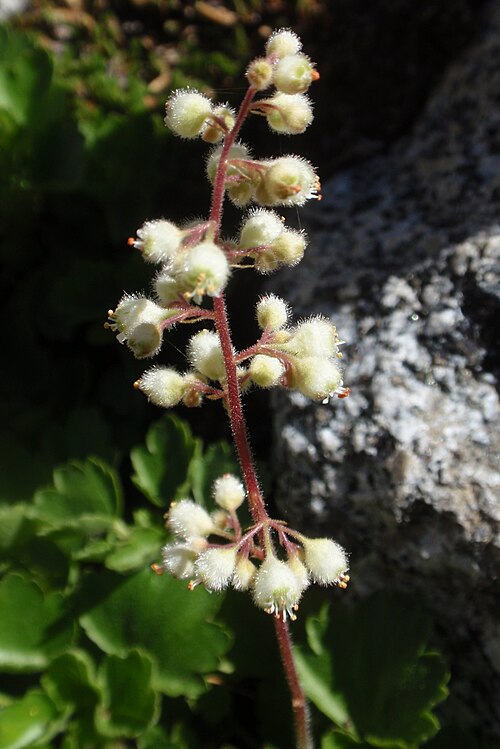
5. Foamflower (Tiarella cordifolia)
- Why it's a great alternative: Foamflower is a delightful native perennial with attractive, often lobed or heart-shaped leaves that can be green, bronzed, or variegated. It forms tidy clumps and produces airy, foamy white flower spikes in spring. Its slightly hairy leaves are a deer deterrent.
- Growing conditions: Partial to full shade, moist, rich, well-drained soil.
- Size: 6-12 inches tall and 1-2 feet wide.
6. Lenten Rose (Helleborus orientalis)
- Why it's a great alternative: Lenten Rose is a true garden workhorse, providing evergreen foliage and stunning, long-lasting flowers that bloom in late winter to early spring, often when snow is still on the ground. The leathery leaves are unappealing to deer, and the plant is known for its deer resistance.
- Growing conditions: Partial to full shade, moist, rich, well-drained soil.
- Size: 1-2 feet tall and wide.
- Pet Safety: If you suspect your pet has ingested a toxic plant, call the ASPCA Animal Poison Control Center immediately at (888) 426-4435.
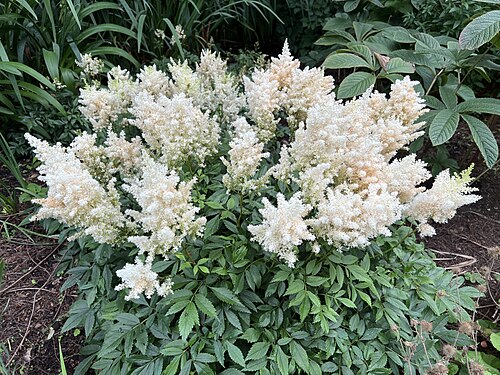
7. Astilbe (Astilbe spp.)
- Why it's a great alternative: Astilbe offers beautiful, fern-like foliage that adds fine texture to the shade garden. In summer, it erupts with vibrant, feathery plumes of flowers in shades of pink, red, purple, or white. Deer tend to leave Astilbe alone due to its slightly bitter taste.
- Growing conditions: Partial to full shade, consistently moist, rich, well-drained soil.
- Size: 1-4 feet tall and 1-3 feet wide, depending on variety.
8. Barrenwort (Epimedium)
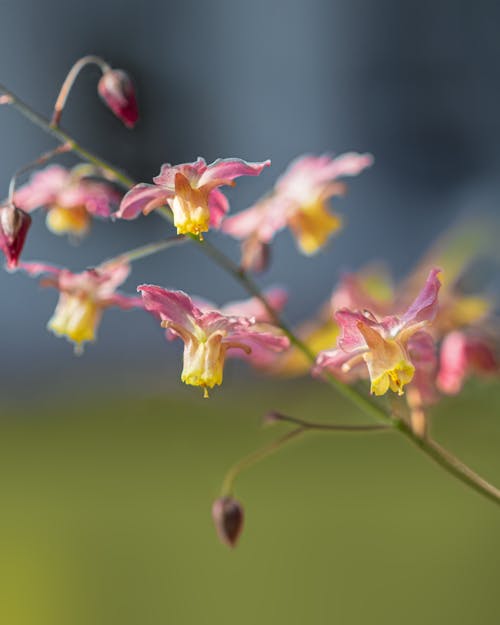
- Why it's a great alternative: Also known as Fairy Wings, Epimedium is an excellent groundcover for dry shade, a challenging spot in many gardens. Its delicate, heart-shaped leaves often emerge with a reddish tint in spring and can turn bronze in fall. Tiny, intricate flowers appear in spring. Its leathery texture and slightly bitter taste make it deer resistant.
- Growing conditions: Partial to full shade, tolerates dry shade once established.
- Size: 6-18 inches tall and 1-2 feet wide.
Quick Reference: Deer-Resistant Shade Alternatives
| Plant Name | Foliage Interest | Flower Color | Size (H x W) | Deer Resistance |
|---|---|---|---|---|
| Lungwort | Silver-spotted, variegated, fuzzy | Pink, blue, purple | 6-18" x 6-18" | High |
| Bleeding Heart | Fern-like, delicate | Pink, white, red | 2-3' x 2-3' | High |
| Coral Bells | Wide range of colors (green, purple, bronze) | White, pink, red | 1-2' x 1-2' | High |
| Ferns | Intricate fronds, various shades of green | N/A | Varies (6"-4'+) | High |
| Foamflower | Lobed, heart-shaped, often bronzed | White | 6-12" x 1-2' | High |
| Lenten Rose | Leathery, evergreen, often dark green | White, pink, purple | 1-2' x 1-2' | High |
| Astilbe | Fern-like, fine texture | Pink, red, purple, white | 1-4' x 1-3' | High |
| Barrenwort | Heart-shaped, often bronzed, leathery | White, yellow, pink | 6-18" x 1-2' | High |
Are There Any Other Strategies for Deer Control in Shade Gardens?
Beyond choosing deer-resistant plants, you can employ other strategies to protect your garden:
- Deer Repellents: Sprays or granular repellents can be effective, but they require consistent reapplication, especially after rain.
- Fencing: A physical barrier is the most effective method, but it can be costly and may not be aesthetically desirable for all gardens.
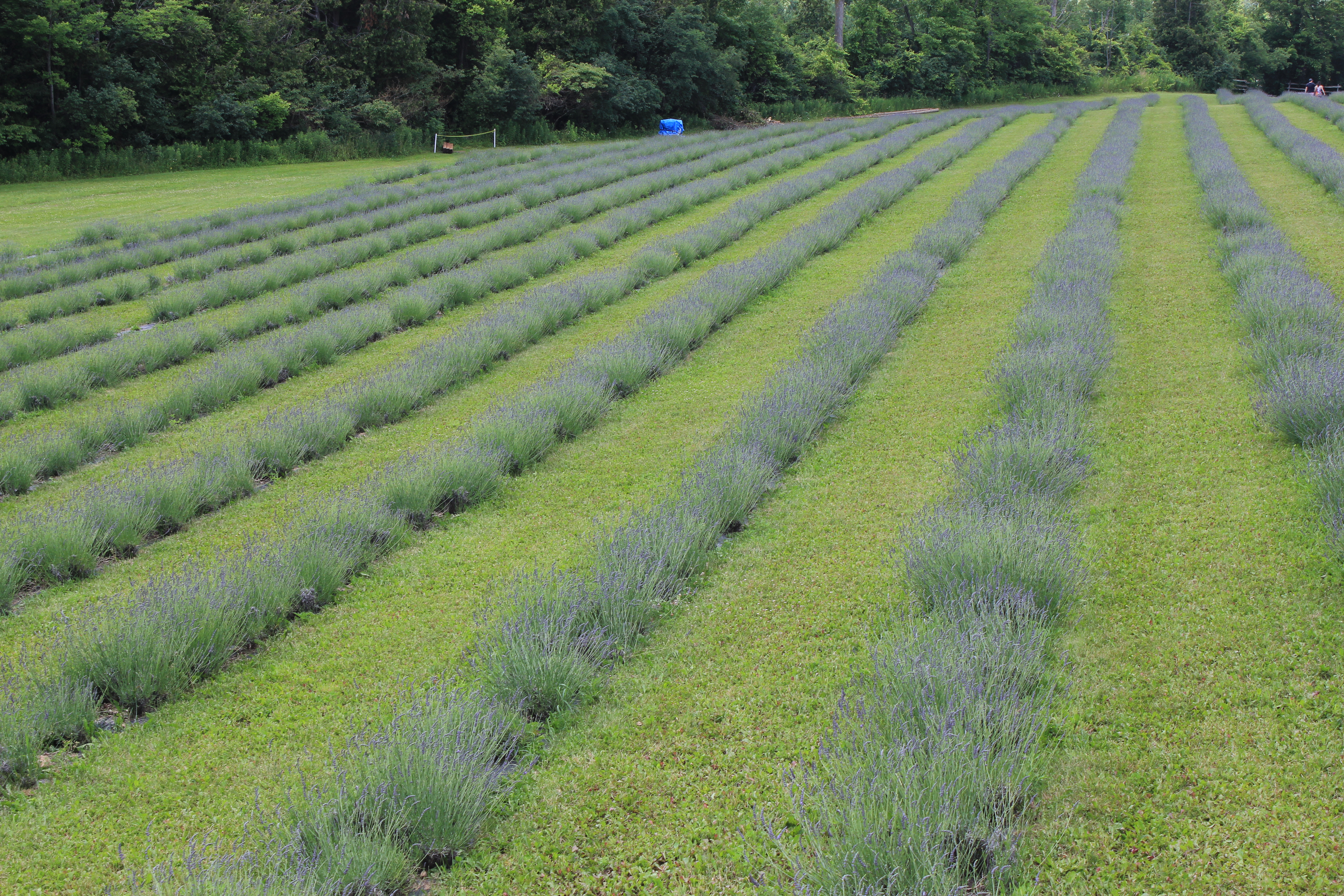
- Companion Planting: While not foolproof, planting strong-smelling herbs like rosemary or lavender (if they tolerate some shade) near more vulnerable plants might offer some deterrence.
- Diversion: In some cases, planting a "sacrifice" crop that deer prefer away from your prized plants can help, but this isn't always practical for a shade garden.
By combining deer-resistant plant choices with other control methods, you can significantly reduce deer damage and enjoy a beautiful, thriving shade garden.
Ready to find the perfect plants for your yard? Try the PlantWise Plant Finder →