Is Veronica (Speedwell) Deer Resistant? Complete Guide
If you're a gardener in an area frequented by deer, you've likely spent countless hours researching plants that can withstand their browsing habits. When it comes to Veronica Speedwell, commonly known as Speedwell, you're in luck! Yes, Veronica (Speedwell) is generally considered deer resistant. While no plant is truly "deer-proof" - a hungry deer will eat almost anything - Veronica is rarely a first choice for deer and is often left untouched in gardens where other plants are regularly browsed. Its resistance is attributed to its slightly bitter taste and often fuzzy or textured foliage, making it less appealing to deer. This makes Veronica an excellent choice for adding reliable color and texture to your deer-prone landscape.
Veronica is a diverse genus of flowering plants in the plantain family (Plantaginaceae), offering a wide range of sizes, flower colors, and bloom times. From low-growing groundcovers to upright spikes, there's a Veronica for almost any garden spot. Knowing its deer resistance can help you confidently incorporate these beautiful perennials into your design, bringing vibrant blues, purples, pinks, and whites to your garden without constant worry about deer damage.
🌱 Get Personalized Plant Picks
Answer a few quick questions and we’ll match plants to your exact yard conditions.
Find My Plants →Shop deer repellent on Amazon
Helpful when deer pressure is high and Veronica alone is not enough. We may earn a commission at no extra cost to you.
Amazon · Deer repellent spray Amazon · Deer repellent granules
* Reapply after rain per label. No plant is deer-proof under heavy pressure.
Shop Veronica (Speedwell) plants
Buy live Veronica / Speedwell plants from trusted sellers. We may earn a commission at no extra cost to you.
Plants by Mail · Veronica Amazon · Veronica Speedwell
Also see the featured plant cards below for more buy options.
Why is Veronica Deer Resistant?
Deer resistance in plants often comes down to a few key characteristics that make them unpalatable or undesirable to browsing animals. Veronica possesses several of these traits:
- Taste and Scent: Many Veronica varieties have a slightly bitter taste or an aromatic quality that deer find off-putting. While not strongly fragrant to humans, these subtle chemical compounds can deter deer.
- Texture: Some Veronica species and cultivars have slightly fuzzy or rough foliage. Deer generally prefer plants with smooth, tender leaves, so a plant with a less appealing texture is often passed over.
- Toxicity (Mild): While not highly toxic to deer, some Veronica species contain compounds that can cause mild digestive upset, reinforcing their avoidance. This isn't usually severe enough to harm the deer, but it's enough to make them look for an easier meal.
It's important to remember that deer resistance is not a guarantee. Factors like deer population density, availability of other food sources, and the specific hunger level of the deer can all influence whether a plant is browsed. In areas with very high deer pressure or during times of drought when food is scarce, deer may sample plants they would normally avoid. However, Veronica consistently ranks high on lists of deer-resistant plants.
What are the Best Veronica Varieties for Deer-Prone Gardens?
The good news is that most Veronica species and cultivars exhibit good deer resistance. You don't necessarily need to seek out specific "deer-resistant Veronica" varieties, as the genus as a whole performs well. However, here are some popular and widely available types that are excellent choices for deer-prone areas:
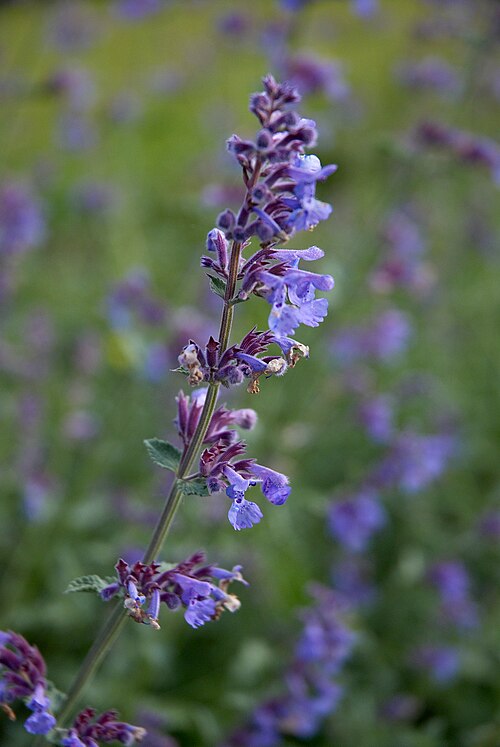
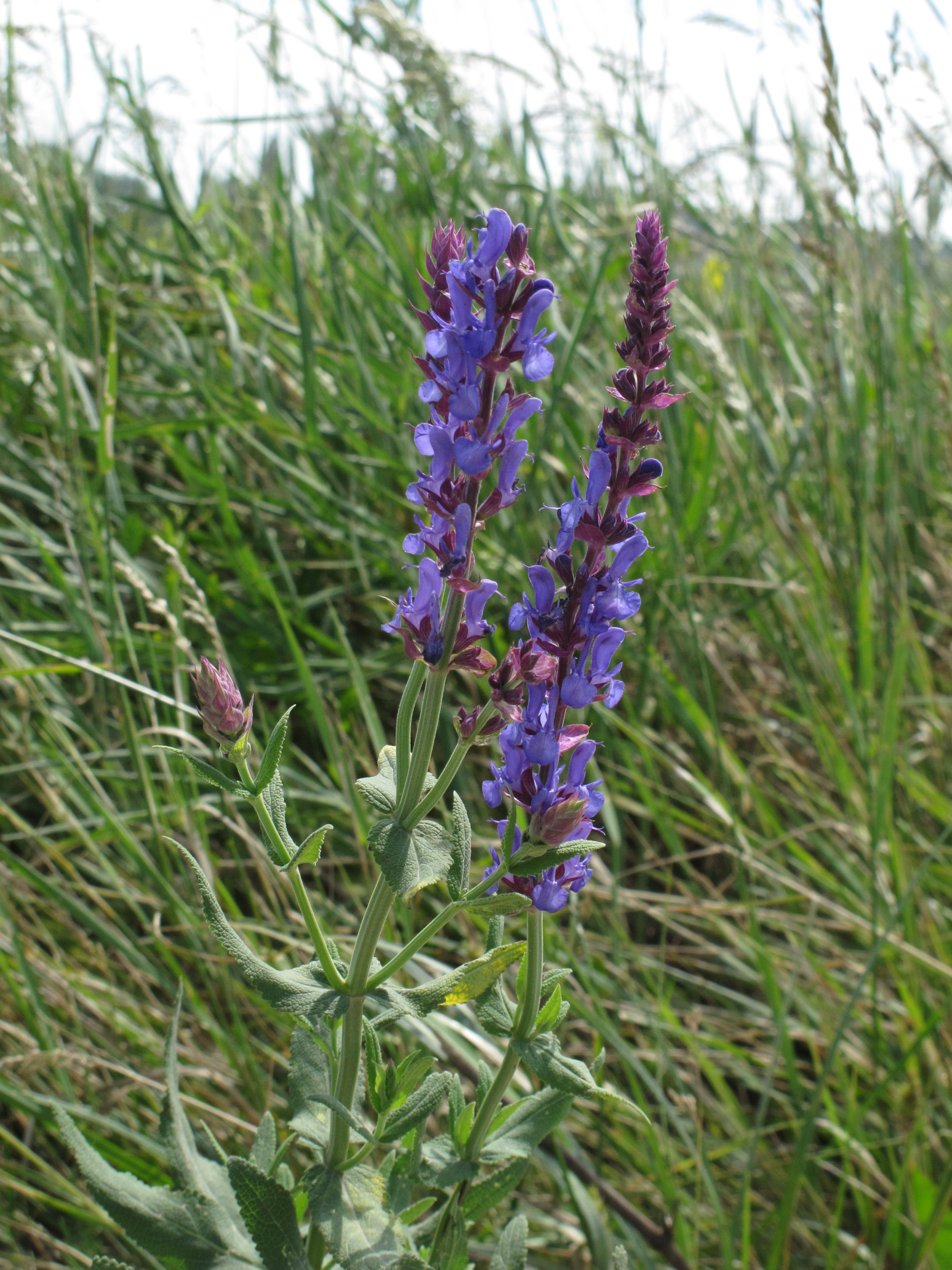
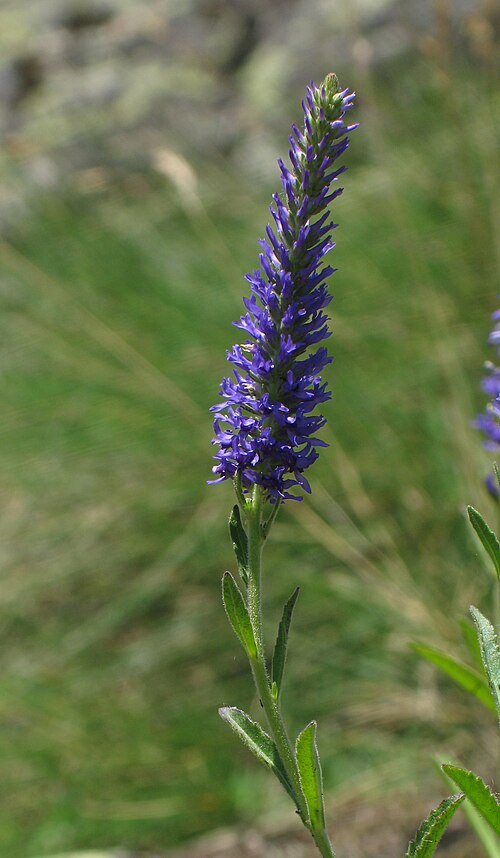
- Spiked Speedwell (Veronica spicata): Perhaps the most common type, known for its upright, dense spikes of blue, purple, pink, or white flowers. Cultivars like 'Royal Candles', 'Blue Explosion', and 'Pink Goblin' are very popular. They are robust and reliable.
- Creeping Speedwell (Veronica repens): A low-growing, mat-forming variety perfect for groundcover, rock gardens, or spilling over edges. Its tiny blue flowers create a carpet of color.
- Long-Leaf Speedwell (Veronica longifolia): Taller than V. spicata, with longer, more slender flower spikes. Cultivars like 'Blue Giant' offer impressive vertical accents.
- Woolly Speedwell (Veronica incana): Features attractive silvery-grey, fuzzy foliage even when not in bloom, adding to its deer resistance and ornamental appeal. It produces violet-blue flower spikes.
- Prostrate Speedwell (Veronica prostrata): Another low-growing option, forming dense mats with abundant blue flowers. Cultivars like 'Heavenly Blue' are excellent.
When selecting Veronica, consider the mature size, bloom time, and flower color to fit your garden design. All these types will offer the deer resistance you're looking for.
How Can I Incorporate Veronica into a Deer-Resistant Landscape?
Integrating Veronica into your garden is straightforward, thanks to its versatility and relatively easy care. Here are some tips for maximizing its impact and ensuring it thrives in a deer-prone environment:
- Mass Plantings: Planting Veronica in drifts or larger groups makes a more significant visual impact and can also deter deer more effectively than scattered individual plants. A large patch of an unpalatable plant might be enough to send deer elsewhere.
- Strategic Placement: Use Veronica as a "buffer" around more deer-susceptible plants. While not foolproof, planting a border of deer-resistant plants can sometimes discourage deer from venturing further into your garden beds.
- Companion Planting: Pair Veronica with other known deer-resistant perennials. This creates a beautiful, diverse garden that is largely unappealing to deer. Excellent companions include:
- Consider Different Heights and Textures: With its various forms, Veronica can be used in different layers of your garden. Use creeping varieties as groundcover, medium-height spikes in the middle of a border, and taller types as background plants.
- Sunlight and Soil: Most Veronica varieties prefer full sun to partial shade (at least 6 hours of direct sun for best flowering) and well-drained soil. They are not overly fussy about soil type but dislike consistently wet conditions, especially in winter.
- Watering: Once established, Veronica is relatively drought-tolerant, though it appreciates consistent moisture during dry spells, especially when flowering.
- Deadheading: Removing spent flower spikes (deadheading) can encourage a second flush of blooms, extending the color in your garden.
Quick Reference: Veronica Deer Resistance
| Feature | Description |
|---|---|
| Common name | Veronica / Speedwell (Veronica Speedwell) |
| Deer resistance | High — rarely browsed; not deer-proof under heavy pressure |
| Flower color | Blue, purple, pink, and white |
| Bloom time | Late spring to late summer (varies by variety) |
| Height | A few inches (creeping) to about 2–3 feet (upright spikes) |
| Sunlight | Full sun to partial shade |
| Soil | Well-drained; dislikes wet winter feet |
| Watering | Moderate; drought-tolerant once established |
| Maintenance | Low; deadhead for prolonged bloom |
| Pet note | Confirm variety-level toxicity; when unsure, treat as not pet-safe and call ASPCA (888) 426-4435 |
What Other Plants Are Good Deer-Resistant Choices?
Building a truly deer-resistant garden often means diversifying your plant palette with a variety of unappealing options. While Veronica is a fantastic start, here are some other reliable perennials that deer tend to avoid:
- Ornamental Grasses: Most ornamental grasses are ignored by deer due to their tough texture and lack of nutritional value.
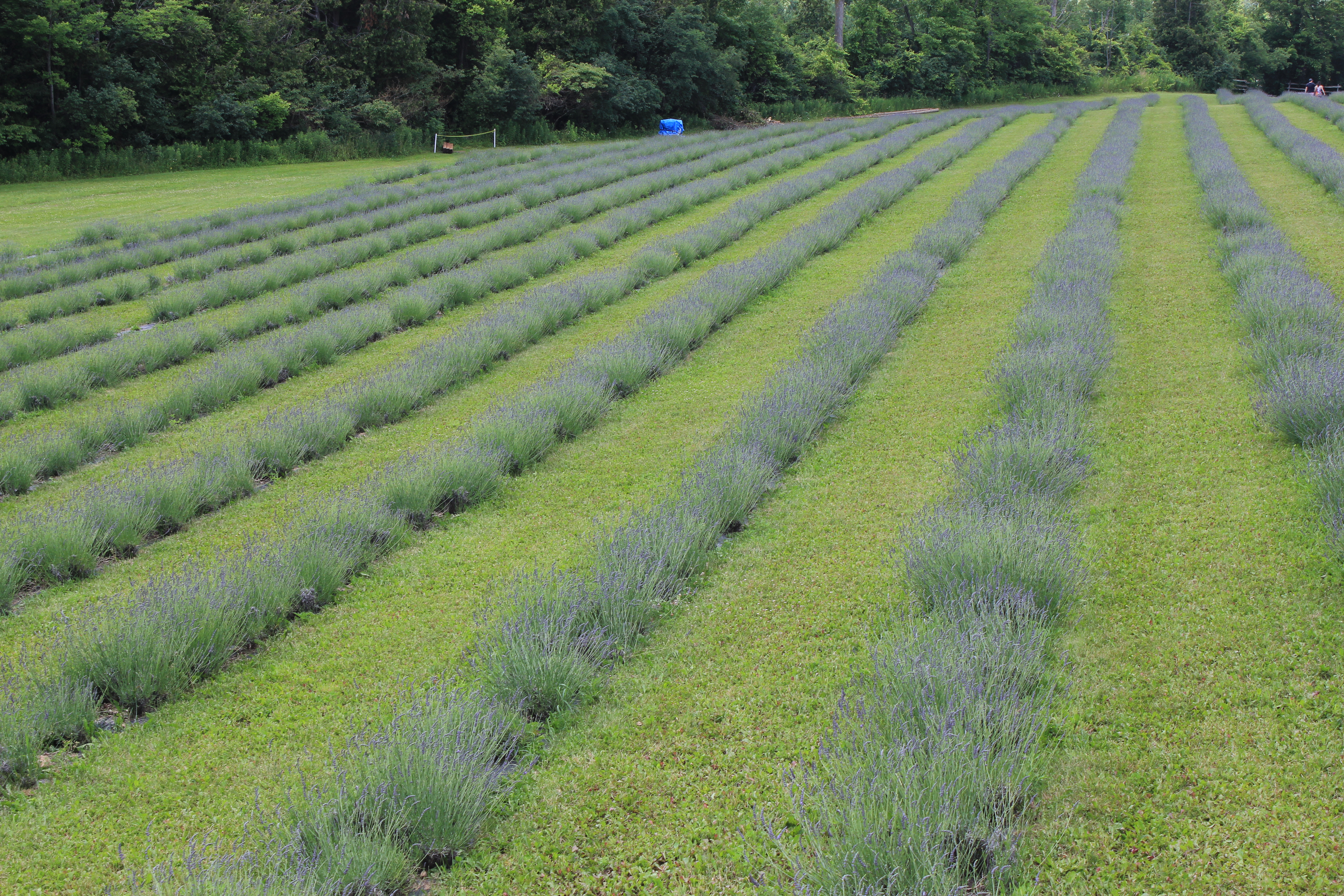
- Herbs: Many culinary herbs like lavender, rosemary, thyme, and oregano are deer-resistant due to their strong aromatic oils.
- Fuzzy or Thorny Plants: Plants with fuzzy leaves (like Lamb's Ear) or thorns (like some roses, though deer will eat the blooms) are often avoided.
- Plants with Milky Sap: Many plants in the euphorbia family, with their milky sap, are deer resistant.
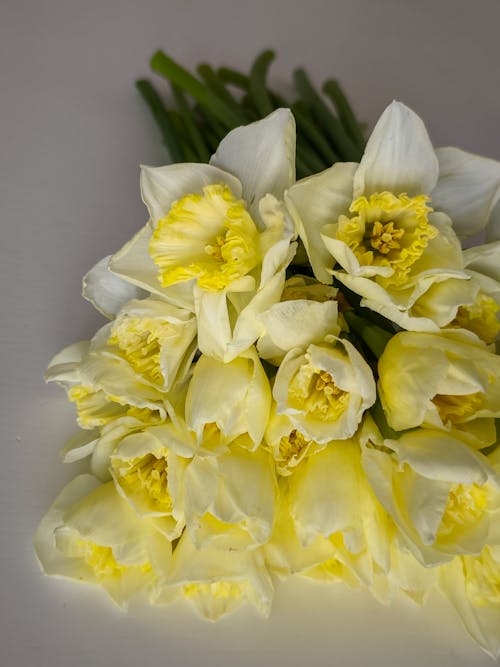
- Strongly Scented Flowers: Some flowers, like peonies and daffodils, are deer resistant.
Remember, no plant is truly deer-proof. A hungry deer is an opportunistic eater. However, by selecting a wide array of plants known for their resistance, like Veronica, you significantly increase your chances of having a beautiful, intact garden.
If you suspect your pet has ingested a toxic plant, call the ASPCA Animal Poison Control Center immediately at (888) 426-4435.
Related deer browse protection
Veronica is a strong deer-resistant perennial, but hungry herds still browse. For fall and winter pressure, see deer repellent for fall and winter browse. Building borders in cold zones? Also see Zone 3 fall planting, Zone 4 fall planting, and Zone 5 fall planting.
Ready to find the perfect plants for your yard? Try the PlantWise Plant Finder →